
Imagine reaching for your trusty cutting board only to find it scratched and chipped. Frustrating, right?
You might feel that your culinary masterpiece is tainted by the imperfections of your tools. But what if you could turn this annoyance into an opportunity? Your cutting board might be trying to tell you something important about your kitchen habits and how you can improve them.
By understanding the hidden story behind those scratches and chips, you can ensure every meal you prepare is safer and more enjoyable. Stick around to discover secrets that can transform your kitchen experience and make your cutting board your best culinary ally once again.

Credit: www.keatonbeyerwoodworking.com
Assessing Damage
Examining your cutting board is crucial for maintaining kitchen hygiene. Scratches and chips can harbor bacteria, compromising food safety. Regular assessment helps identify issues before they worsen. This ensures a clean, safe surface for food preparation. Let’s delve into identifying scratches and spotting chips.
Identifying Scratches
Scratches on a cutting board can appear as lines or grooves. Run your fingers across the surface. Feel for unevenness or rough patches. Use good lighting to spot them easily. Scratches can trap food particles. This leads to bacterial growth, so addressing them is important.
Spotting Chips
Chips are small broken areas on the board’s edge or surface. Visually inspect the board’s edges first. Run your hand along the edge to feel for jagged spots. Chips can grow larger over time. This makes the board unstable and unsafe for use. Regular checks help maintain a smooth, reliable cutting surface.
Credit: www.keatonbeyerwoodworking.com
Cleaning The Board
A scratched and chipped cutting board needs proper cleaning to maintain hygiene. Cleaning the board helps prevent bacteria and keeps your kitchen safe. It’s essential to follow effective cleaning methods for long-lasting use.
Removing Residue
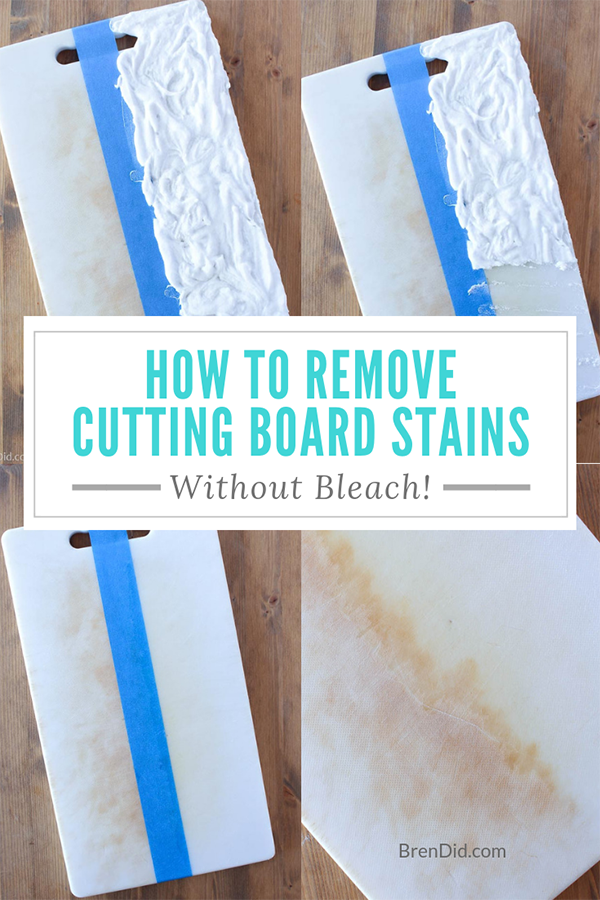
Start by rinsing the board under warm water. Use a brush to scrub the surface gently. Remove any stuck food bits or stains. Dish soap can help break down greasy residue. Avoid harsh chemicals that might damage the board. Rinse thoroughly to remove all soap traces.
Sanitizing Techniques
Sanitizing ensures the board is free from harmful germs. Use a mixture of vinegar and water as a natural sanitizer. Spray or wipe the board with this solution. Let it sit for a few minutes for effective germ killing. Rinse with clean water afterward. For deeper sanitization, consider a diluted bleach solution. Always follow safety guidelines when using bleach. This keeps your board clean and safe for food preparation.
Repairing Scratches
A cutting board with scratches and chips can be restored easily. Sand the surface gently to remove marks, then apply mineral oil for a smooth finish. Regular maintenance keeps your board looking new and extends its life.
Repairing scratches on your cutting board can feel like a daunting task, but with a bit of elbow grease, you can restore it to its former glory. Scratches not only make your cutting board look worn out but can also harbor bacteria. So, addressing them isn’t just about aesthetics—it’s about hygiene too. Ready to tackle those scratches?Sanding Method
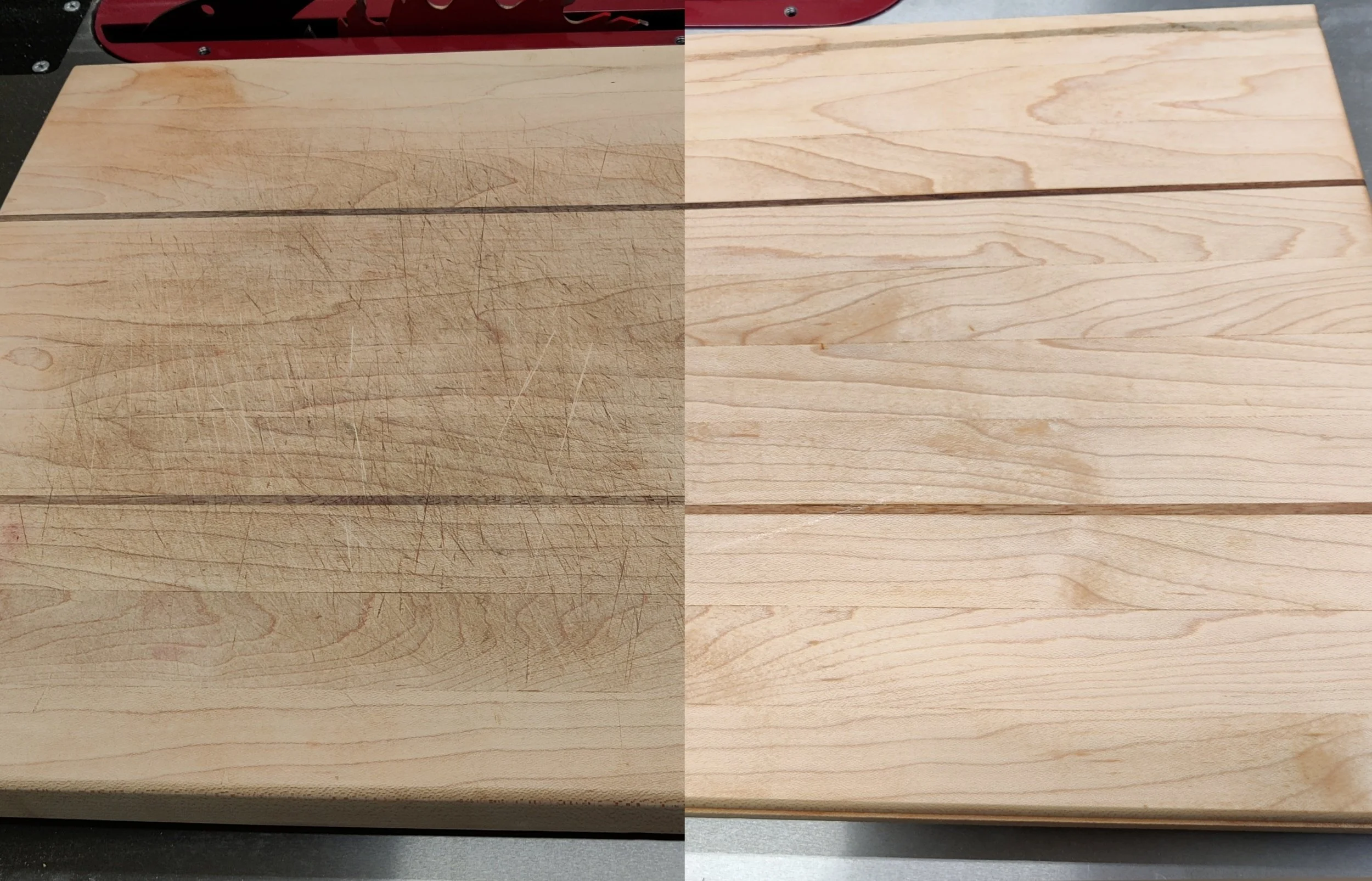
Start with sanding. It’s a straightforward approach to smooth out surface imperfections. You’ll need sandpaper with varying grits. Begin with a coarse grit to remove deep scratches. Use even pressure and sand along the grain. Progress to a finer grit for a polished finish. This method not only reduces scratches but also reveals the beautiful grain of your cutting board. Have you ever noticed how a little sanding transforms the look of wood? It’s quite satisfying.Filling Gaps
Sometimes, scratches are more than just surface marks—they’re gaps that need filling. Wood filler can be your best friend here. Choose a filler that matches the color of your board. Apply it in the scratch and let it dry completely. Once dried, sand the area gently. This step ensures the filler is level with the board. Can you imagine the smoothness of a board without those annoying gaps? It’s worth the effort for both appearance and hygiene. Repairing your cutting board not only refreshes its look but also extends its life. Don’t let those scratches intimidate you—grab your tools and give your board the care it deserves. What’s holding you back from tackling those scratches today?Fixing Chips
Chipped cutting boards can be a nuisance. But they don’t have to be. Fixing chips is simple with the right tools and know-how. The goal is to restore your board to its former glory. Let’s explore effective ways to fix those pesky chips.
Using Wood Filler
Wood filler is a great solution for chipped boards. Start by cleaning the chipped area. Remove any loose wood particles. Apply the wood filler carefully using a small spatula. Ensure the filler completely covers the chip. Let it dry as per the instructions on the filler package. Once dry, sand the area gently. This smooths the surface and blends the repair. Your cutting board will look as good as new.
Blending Repairs
Blending repairs makes the fixed area less noticeable. After sanding, use a matching wood stain. Apply the stain with a soft cloth or brush. Gently rub the stain into the repaired area. Let the stain dry completely. Repeat if necessary for a better match. Finally, apply a food-safe finish to seal the board. This helps protect it from future damage. Your cutting board will be ready for use again.
Finishing Touches
A scratched and chipped cutting board is not just an eyesore; it can be a harbor for bacteria. Giving it the right finishing touches can make it both functional and beautiful again. Have you ever thought about turning a restoration process into a satisfying ritual? Let’s dive into the steps that will make your cutting board look as good as new.
Applying Mineral Oil
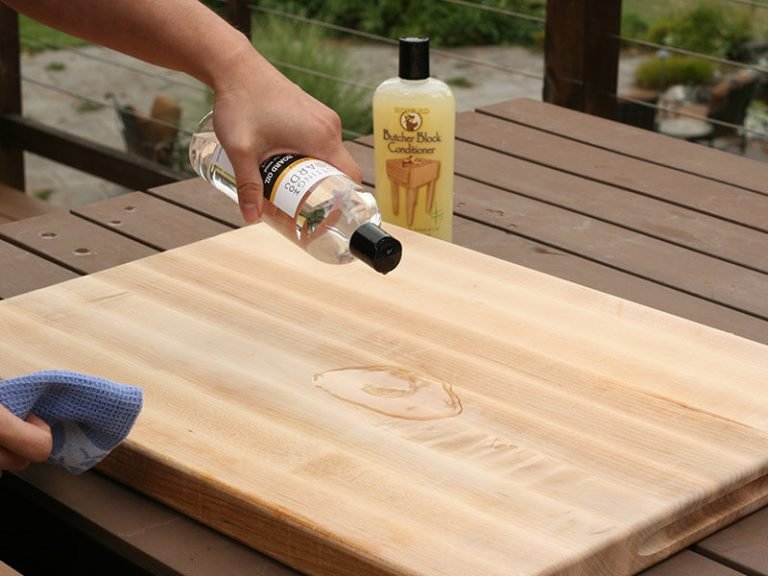
Mineral oil is your cutting board’s best friend. It rejuvenates wood and keeps it from drying out. To apply, pour a small amount of mineral oil directly onto the board. Use a clean cloth to rub the oil in, working with the grain of the wood. You’ll notice how the board starts gleaming, almost like a piece of art.
Repeat this process every few weeks. It maintains the board’s integrity and extends its life. Do you feel the sense of accomplishment when you see the wood absorbing the oil? It’s almost therapeutic, isn’t it?
Polishing The Surface
Polishing is where your cutting board truly shines. Grab a soft cloth and buff the surface gently. This step smoothens any rough patches left from previous scratches. A well-polished board isn’t just aesthetically pleasing; it’s safer for food preparation.
Have you ever wondered why chefs take such pride in their tools? A polished board speaks volumes about attention to detail. It’s about taking pride in what you use every day. Feel the difference in texture with a simple swipe of your hand.
As you complete these finishing touches, ask yourself: What else in your kitchen could benefit from a little extra care? The small effort you put in today can transform your cooking experience tomorrow.

Credit: www.keatonbeyerwoodworking.com
Maintaining Your Cutting Board
Keeping your cutting board in good condition is essential. It ensures food safety and longevity. A scratched or chipped board can harbor bacteria. Regular maintenance prevents these issues. Follow these simple tips to maintain your cutting board. Your board will stay in great shape for years.
Regular Cleaning
Clean your cutting board after each use. Use warm, soapy water and a soft sponge. Rinse thoroughly to remove all soap. Dry with a clean towel immediately. Avoid soaking the board in water. Excess water can cause warping or cracking. For deeper cleaning, use white vinegar or lemon juice. They help to disinfect and remove odors.
Preventive Care Tips
Use separate boards for different foods. This reduces cross-contamination risks. Regularly oil your wooden cutting board. Use food-grade mineral oil. Apply a generous amount and let it soak overnight. This prevents drying and cracking. Avoid cutting on the same spot repeatedly. Distribute cuts evenly across the board. This reduces deep gouges and extends life.
Frequently Asked Questions
What Should The Food Handler Do If A Cutting Board Is Scratched And Chipped?
Replace scratched and chipped cutting boards immediately. Damaged surfaces can harbor bacteria and contaminate food. Clean and sanitize new boards regularly to ensure safety. Choose durable materials for longer-lasting boards. Inspect cutting boards frequently to maintain hygiene standards in the kitchen.
How To Fix A Scratched Cutting Board?
Sand the scratched area with fine-grit sandpaper. Clean the board with warm soapy water. Apply food-safe mineral oil, allowing it to absorb. Repeat oil application as needed for a smooth finish. Regular maintenance with oil helps preserve the board.
Is It Safe To Use A Cracked Cutting Board?
Using a cracked cutting board is unsafe. Cracks can harbor bacteria, risking contamination. Replace it with a new board. Ensure cleanliness by using a smooth, undamaged surface for food preparation. Prioritize hygiene to prevent foodborne illnesses.
What Should Be Done With Cutting Boards That Are Scratched And Scored?
Replace scratched cutting boards to prevent bacterial growth. Clean them with soap and water regularly. Choose quality materials like bamboo or plastic for durability. Sand wooden boards to restore surfaces. Ensure proper maintenance for longevity. Always prioritize hygiene by avoiding deep grooves where bacteria can hide.
Conclusion
Keeping your cutting board in good shape is essential. Scratches and chips can harbor bacteria. Regular maintenance helps avoid this problem. Use gentle cleaning methods to preserve its surface. Sanding can fix minor scratches. Consider using food-safe mineral oil. This keeps the board conditioned.
Replace heavily damaged boards for safety. A well-maintained cutting board lasts longer. It also makes food prep easier. Keeping it clean protects your health. Simple steps can ensure your cutting board stays reliable. Make it a routine to check and care for your board.
Your kitchen deserves it.

Hi, I’m Daniel Brooks—a food lover and kitchen gear enthusiast. I enjoy testing cookware, utensils, and gadgets to see what really works in everyday cooking. At PlugChef.com, I share honest reviews, comparisons, and simple guides to help you choose the best tools for a safer, smarter, and more enjoyable kitchen.
Related posts:
 What Type of Cooking Utensils are Safe: Expert Picks
 What Innovations Could Blenders Make: Unleashing Future Tech
 Smart Strategies to Organize a Small Kitchen: Maximize Space
 How to Organize a Kitchen Cabinet: Expert Tips & Tricks
 How to Organize Kitchen Drawers: Expert Tips and Tricks
 How to Organize a Corner Kitchen Cupboard: Expert Tips