
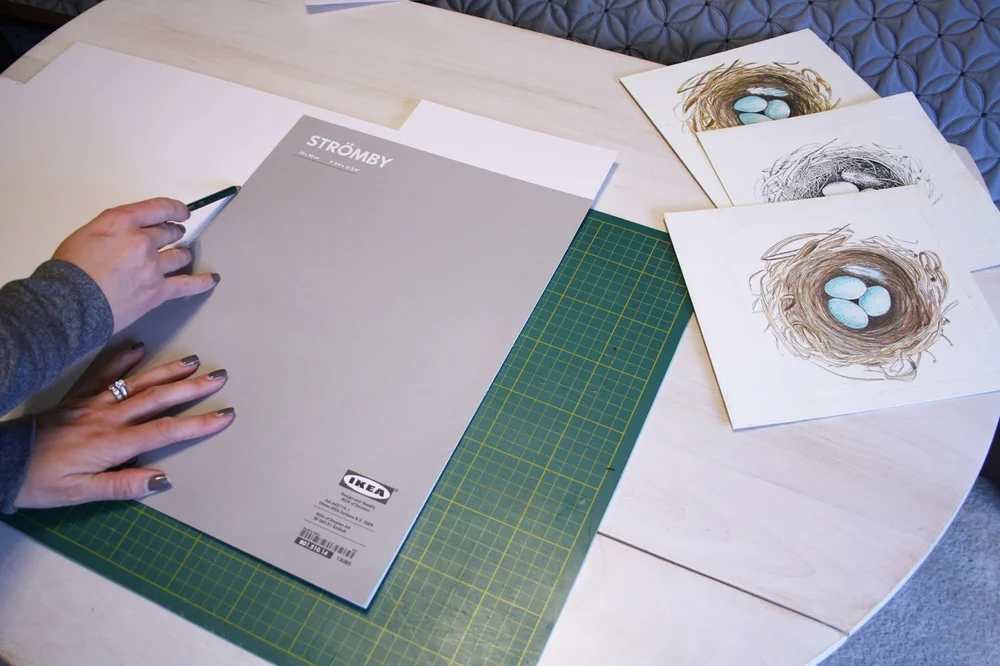
Cutting your own mat board is one of the simplest, most cost-effective ways to make framed artwork look gallery-quality, eliminating the ill-fitting gaps and generic looks of pre-cut mats. A well-cut mat protects artwork from touching the glass, adds depth and dimension, and complements the piece’s style and color palette. This guide walks you through every step of the process, from accurate measurements to pro tips for flawless beveled edges, so you can get professional results even if you’ve never framed before.
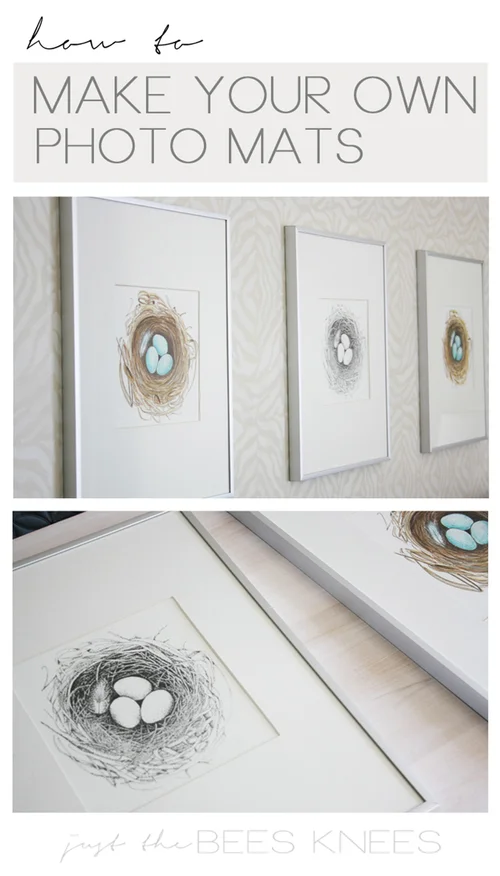 Custom-cut mat board adds a polished, professional touch to framed family photos.
Credit: www.interiorsbysarahlangtry.com
Custom-cut mat board adds a polished, professional touch to framed family photos.
Credit: www.interiorsbysarahlangtry.com
What You’ll Need
Gather these tools before you start to avoid interruptions and ensure clean, accurate cuts:
- Mat board: Choose acid-free, lignin-free board for long-term preservation of valuable artwork; 4-ply thickness is standard for most framing projects, while 8-ply works for larger frames or dramatic, wide borders.
- Cutting tool: A dedicated mat cutter (with a guided blade for consistent 45-degree bevels) is ideal for beginners, but a sharp utility knife works perfectly for straight cuts if you don’t have a mat cutter.
- Metal ruler: Opt for a 12-inch or 18-inch stainless steel ruler (not plastic, which bends under pressure) to guide your cuts and ensure straight lines.
- Pencil: Use a soft lead pencil (2B or 4B) to mark cut lines; the lead is visible enough to see clearly but won’t indent the mat board surface.
- Self-healing cutting mat: A 12×18 inch mat protects your work surface from scratches and keeps your blade sharp longer.
- Optional tools: A carpenter’s square to ensure 90-degree corners, fine-grit (220) sandpaper to trim small imperfections, and a bone folder to score fold lines for double mats.
Start by clearing a flat, stable work surface, and wipe it down with a sturdy scrubbing pad to remove any dust or debris that could scratch your mat board.
Step 1: Take Precise Measurements (This Is 90% of the Battle)
Ill-fitting mats almost always come from rushed or incorrect measurements, so take your time with this step:
- Measure your artwork’s width and height to the nearest 1/16 inch, using a metal ruler placed edge-to-edge with the art. Write these numbers down.
- Measure the inner rebate (the groove inside the frame where the mat will sit) to confirm the maximum size your mat can be. Your mat’s outer edge should be 1/8 inch smaller than the frame’s inner dimensions to account for glass and backing board thickness.
- Decide on your desired border width: 2–3 inches is standard for 8×10 to 16×20 inch artwork, while larger pieces (24×36 inches or bigger) look best with 3–4 inch borders.
- Calculate your cut lines:
- Outer mat dimension = artwork width/height + (2 x border width)
- Inner window opening = artwork width/height + 1/8 inch (this small buffer prevents the art from touching the glass, which can cause condensation damage over time)
For example: if your artwork is 8×10 inches and you want 2-inch borders, your outer mat will be 12×14 inches, and your inner window will be 8 1/8 x 10 1/8 inches.
Step 2: Mark Your Cut Lines on the Back of the Mat
Always mark cut lines on the back side of the mat board (the side that will face the artwork) so pencil marks don’t show through the front of the mat:
- Place the mat board on your cutting mat, and align your metal ruler with your outer cut line measurement.
- Use your soft pencil to draw a straight line along the ruler for each side of the outer edge. Use a carpenter’s square to ensure all corners are perfectly 90 degrees — crooked corners will make the mat sit unevenly in the frame.
- Next, mark the inner window opening, using the same ruler and square to keep lines straight and corners square.
Step 3: Cut the Outer Edges First
Cutting the outer edges before the inner window gives you a stable, rigid frame to work with, reducing the risk of shifting and crooked cuts:
- Place the mat board on your self-healing cutting mat, and align your metal ruler firmly with your outer cut line. Hold the ruler down with your non-dominant hand, applying even pressure to prevent it from moving.
- If using a mat cutter: Adjust the blade depth to match your mat’s thickness (for 4-ply mat, set the blade to 3/32 inch to avoid cutting through to the cutting mat).
- If using a utility knife: Insert a fresh, sharp blade, hold it at a 90-degree angle to the mat, and cut along the ruler in one long, smooth motion. Do not saw back and forth — this frays the mat edges and causes the cut line to wander. For thicker 8-ply mats, make 2–3 light passes rather than pressing hard in one go.
- Repeat for all four outer edges, then set the cut outer frame aside.
Step 4: Cut the Inner Window for a Professional Bevel Edge
The inner window cut creates the signature beveled edge that hides the raw edge of your artwork, giving your frame a polished, store-bought look:
- Place the cut outer mat frame back on your cutting mat, and align your ruler with your inner window cut line.
- If using a mat cutter: The guided blade will automatically cut at a 45-degree bevel angle, which is the industry standard for hiding artwork edges.
- If using a utility knife: Angle the blade 45 degrees away from the window opening, so the cut slopes down toward the window, hiding the raw edge of the art.
- Cut along the scored line in 2–3 smooth passes, keeping the blade angled consistently. A common mistake here is cutting too quickly, which leads to uneven bevels — go slow and steady for the best results.
- Once all four inner sides are cut, gently flex the mat board to pop the inner rectangle out. Do not pull the inner piece, as this can tear the delicate bevel edges.
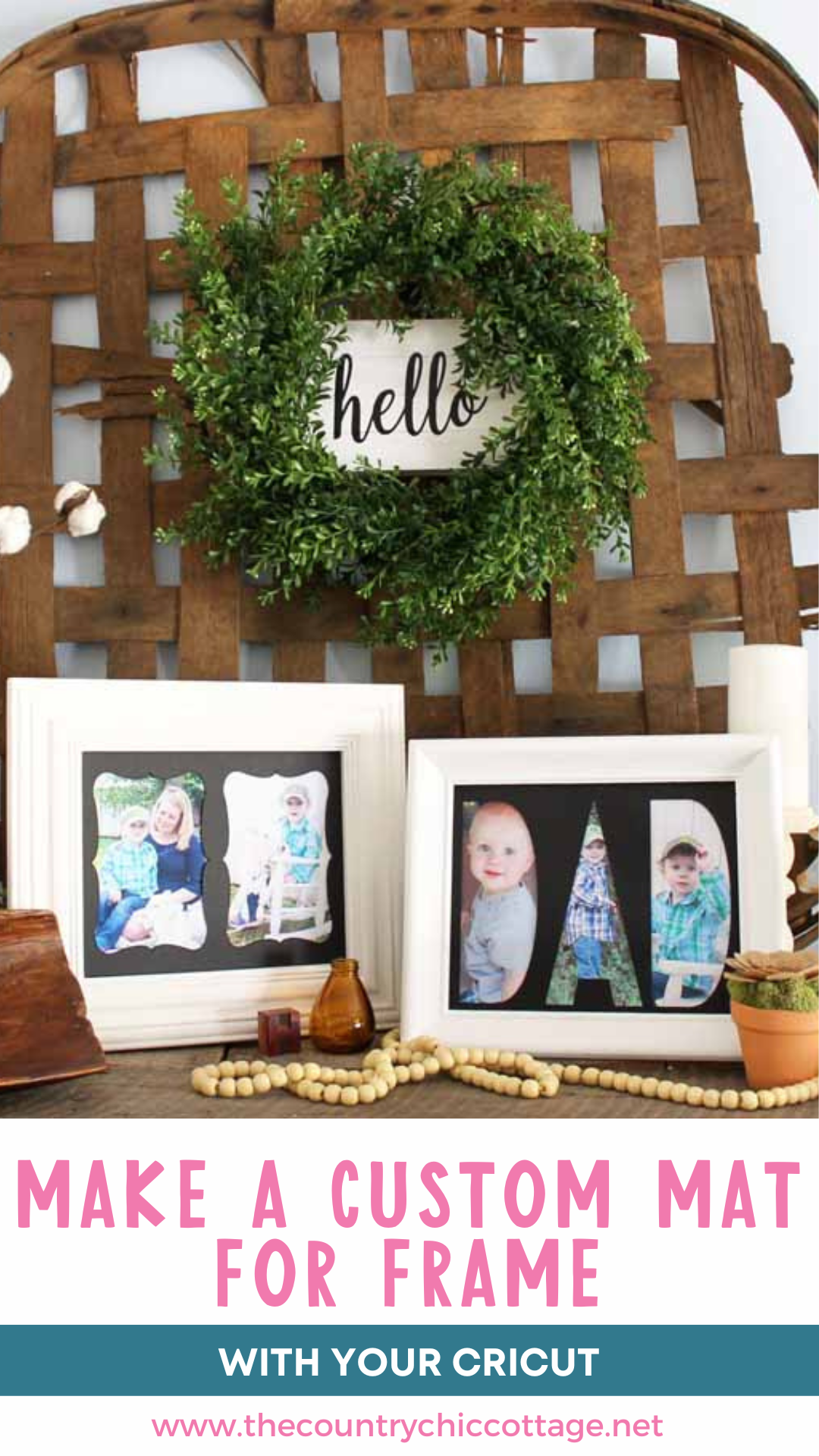 A clean 45-degree bevel edge hides the artwork’s edge for a seamless look.
Credit: www.thecountrychiccottage.net
A clean 45-degree bevel edge hides the artwork’s edge for a seamless look.
Credit: www.thecountrychiccottage.net
Step 5: Clean Up and Test the Fit
- Use a soft brush or canned air to remove any tiny mat board fibers from the cut edges. Wipe away any remaining pencil marks with a gentle all-purpose spray and soft cloth, taking care not to get the mat wet.
- Wipe down your cutting mat with a degreasing surface cleaner to remove any tiny mat fibers and keep the mat’s non-slip surface intact.
- Test the fit: First, place your artwork in the inner window opening — it should fit snugly, with no gaps, and not touch the glass when framed. Next, place the mat inside the frame’s rebate: it should sit flat with no warping, and have a 1/8 inch gap all around to accommodate glass and backing.
- If the mat is too tight, use 220-grit sandpaper to gently sand the outer edges a little at a time until it fits perfectly. If the window opening is too small, carefully trim the edges with a utility knife, going very slowly to avoid cutting too much off.
Pro Tips for Flawless Edges Every Time
- Always use a fresh utility knife blade: dull blades crush mat fibers instead of cutting them, leading to frayed, ragged edges. Replace blades after every 2–3 mats.
- Cut in a well-lit area: shadows can make it hard to see your cut lines clearly, leading to crooked cuts.
- For rounded or irregular window shapes, use a mat cutter with a compass attachment or a sharp craft knife for small, precise cuts.
- If you’re framing a custom print of a favorite recipe, like a classic family bean recipe, a beveled mat edge will make the colors of the print pop even more.
- If you make a small nick in the bevel edge, rub it gently with fine-grit sandpaper to smooth it out before testing the fit.
Common Mistakes to Avoid
- Skipping double measurements: A common error is measuring the frame’s outer dimensions instead of the inner rebate, leading to a mat that won’t fit. Always measure twice, and write down your numbers before marking the mat.
- Using a dull blade: Dull blades tear mat board instead of cutting it, resulting in unprofessional frayed edges. Replace blades regularly, even if they still seem sharp.
- Sawing back and forth while cutting: This causes fraying and wandering cut lines. Use long, smooth, single strokes with even pressure.
- Cutting the inner window first: The inner cut removes the center of the mat, leaving outer edges unstable and prone to shifting. Always cut outer edges first.
- Forgetting to account for humidity: If you’re hanging your framed piece in a kitchen, pair it with regular vent maintenance to reduce excess humidity that can warp mat board over time.
How to Choose the Right Mat Board for Your Project
Mat board comes in a range of thicknesses, materials, and colors to suit any framing need:
- Thickness: 4-ply mat board (1/8 inch thick) is standard for most small to medium frames, while 8-ply (1/4 inch thick) adds a more dramatic, high-end look for larger pieces.
- Material: Always opt for acid-free, lignin-free mat board for any artwork you want to preserve long-term; this standard is recommended by conservation experts to prevent discoloration and deterioration of paper-based pieces per University of Minnesota Extension guidance. Acid-free board is fine for temporary displays, but will yellow over time for long-term use.
- Color: Neutral white, cream, or off-white mats work for almost any artwork, while colored mats can be used to complement the art’s color palette. Textured mat board adds a subtle, luxurious look, while smooth mat board is ideal for modern, minimalist frames.
Frequently Asked Questions
How wide should a mat border be?
Standard mat borders are 2–3 inches for average-sized artwork (8×10 to 16×20 inches). For larger pieces (24×36 inches or bigger), 3–4 inch borders create a more balanced look. For very small pieces (like 4×6 photos), 1–1.5 inch borders work better to avoid overwhelming the art.
Can I cut mat board without a specialized mat cutter?
Yes! A sharp utility knife and metal ruler work perfectly for straight cuts. For beveled edges, angle the blade 45 degrees away from the window opening as you cut to create a clean, hidden edge. Just be sure to use a fresh blade and cut in slow, smooth strokes.
How do I fix a crooked cut on my mat board?
For small imperfections (less than 1/16 inch off), use fine-grit sandpaper to gently sand the edge straight. For larger mistakes, you can trim the edge slightly with a utility knife, or start over with a new piece of mat board if the error is too big to fix.
Is it better to cut my own mat or buy pre-cut?
Cutting your own mat is cheaper (pre-cut mats can cost 2–3x more) and lets you customize the size and border width to fit your exact artwork and frame. It’s also a simple skill to learn, and with practice, you can get professional-looking results at a fraction of the cost.
How do I store cut mat board before framing?
Store cut mats flat in a cool, dry, dark place, away from direct sunlight and humidity, to prevent warping or yellowing. Avoid stacking heavy items on top of them, as this can cause creases or dents.
Final Thoughts
Cutting a perfect mat board is equal parts precise measurement and careful technique, but it’s an easy skill to master with a little practice. Always measure twice, use sharp tools, and cut outer edges first to avoid mistakes. With these steps, you can turn generic framed prints into polished, custom pieces that look like they came from a professional framer, for a fraction of the cost. Once your framed artwork is hung, keep your home’s high-traffic areas looking their best with our guide to routine deep cleaning, or tackle quick crafting session cleanups with our effective bleach cleaner for tough surface stains.

Hi, I’m Daniel Brooks—a food lover and kitchen gear enthusiast. I enjoy testing cookware, utensils, and gadgets to see what really works in everyday cooking. At PlugChef.com, I share honest reviews, comparisons, and simple guides to help you choose the best tools for a safer, smarter, and more enjoyable kitchen.
Related posts:
 Pull Down Under Cabinet Spice Rack: Maximize Your Space
 How to Organize T Shirts on a Shelf: Expert Tips
 Navy Bean And Ham Recipes: Delicious Comfort Food Ideas
 Cherry Pistachio Chocolate Ice Cream: Irresistible Summer Delight
 How to Freeze Bacon Strips: Easy Tips for Freshness & Flavor
Iced Coffee With French Press: Ultimate Guide for Bold Refreshment
How to Freeze Bacon Strips: Easy Tips for Freshness & Flavor
Iced Coffee With French Press: Ultimate Guide for Bold Refreshment

