
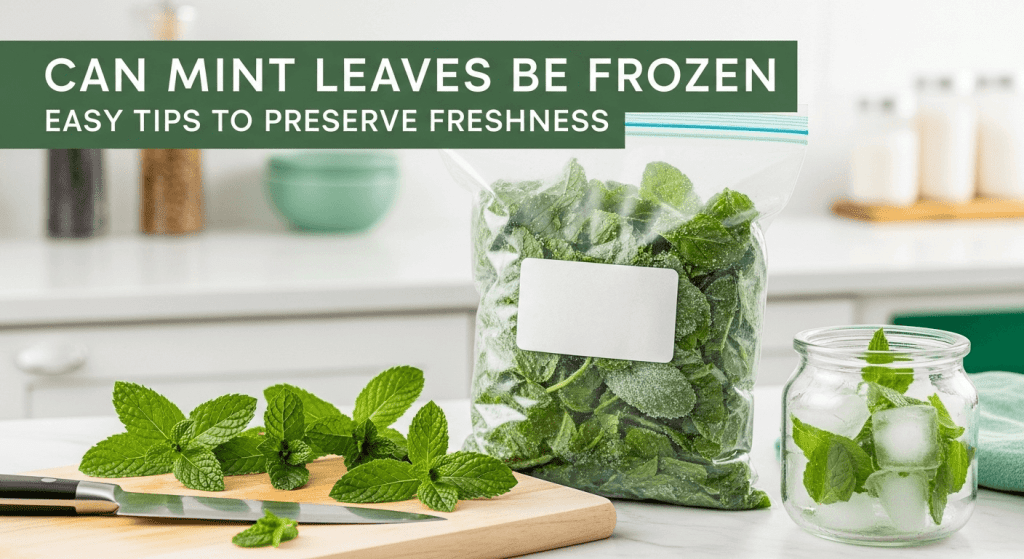
Have you ever wondered if you can freeze mint leaves to keep them fresh longer? If you love using mint in your drinks, recipes, or even for health benefits, you might be worried about how to store it without losing its flavor.
Freezing mint leaves might seem tricky, but it could be the perfect solution to save your herbs and avoid waste. You’ll discover simple and effective ways to freeze mint leaves so you can enjoy their freshness anytime. Keep reading to find out how to make your mint last longer and taste better every time you use it.
Why Freeze Mint Leaves
Freezing mint leaves keeps their fresh taste and aroma for months. This method helps you enjoy mint all year round. It saves money by reducing waste. Instead of throwing away extra mint, freezing preserves it well. Frozen mint is easy to use in drinks, cooking, and desserts. It also saves time by having ready-to-use leaves on hand.
Benefits Of Freezing
- Preserves flavor and aroma for a long time
- Prevents spoilage and waste
- Maintains nutrients and color
- Provides convenience for quick use
- Allows you to store large amounts of mint
When To Freeze Mint
Freeze mint leaves right after harvesting for best quality. Choose fresh, healthy leaves without spots or wilting. Freeze leaves soon after picking to lock in flavor. Avoid freezing old or damaged mint. If you buy fresh mint in bulk, freezing helps keep it fresh longer. After washing and drying, mint is ready for freezing.

Credit: www.wellreadtart.com
Preparing Mint For Freezing
Freezing mint leaves preserves their fresh flavor for months. Proper preparation helps maintain their aroma and texture. Follow simple steps to ready your mint before freezing. Clean, dry, and select the best leaves for optimal results.
Selecting Fresh Leaves
Choose bright green leaves without spots or yellowing. Avoid wilted or damaged mint. Pick leaves with a strong, fresh scent. Younger leaves tend to freeze better and taste fresher.
Washing And Drying
Rinse the leaves gently under cool water. Remove dirt and small insects carefully. Shake off excess water and pat leaves dry with a clean towel. Let leaves air dry on a paper towel for 10-15 minutes to remove moisture. Dry leaves freeze better and avoid clumping together.
Freezing Methods
Mint leaves add a fresh taste to dishes and drinks. Freezing them keeps their flavor for future use. There are several methods to freeze mint effectively. Each method has its own advantages.
Freezing Whole Leaves
First, wash the mint leaves thoroughly under cool water. Pat them dry with a paper towel to remove excess moisture. Place the leaves in a single layer on a baking sheet. Freeze them until solid. Once frozen, transfer the leaves into airtight freezer bags. Remove as much air as possible before sealing. Label the bags with the date for easy tracking.
Freezing Chopped Mint
Rinse the mint leaves and pat them dry. Chop the leaves into small pieces using a sharp knife. Spread the chopped mint on a baking sheet. Freeze until solid, then transfer to a freezer bag. Make sure to squeeze out the air before sealing. Label the bag with the date. This method is great for recipes that require chopped mint.
Using Ice Cube Trays
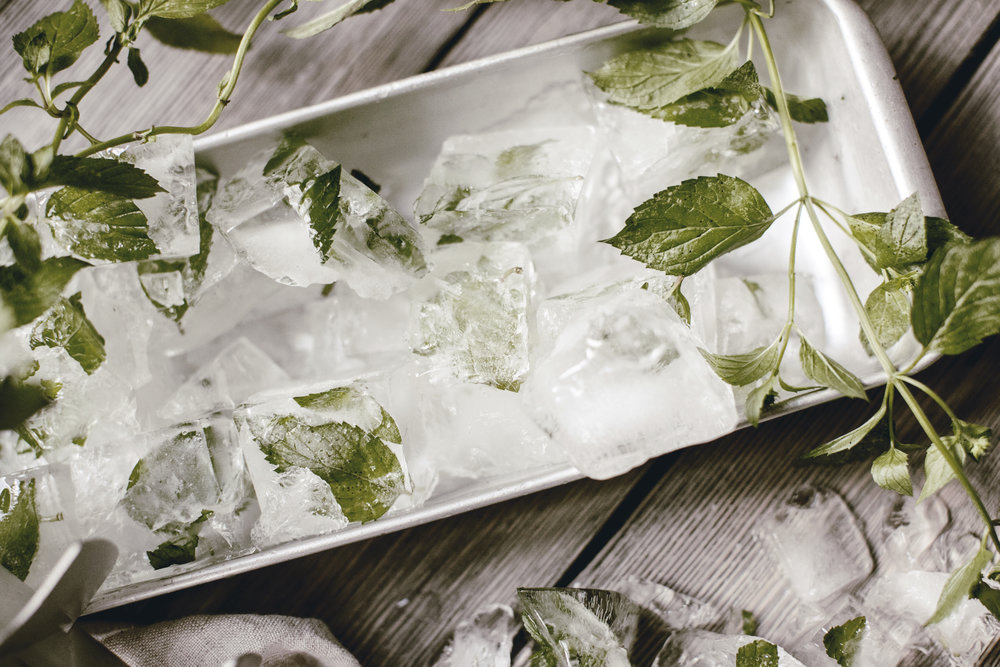
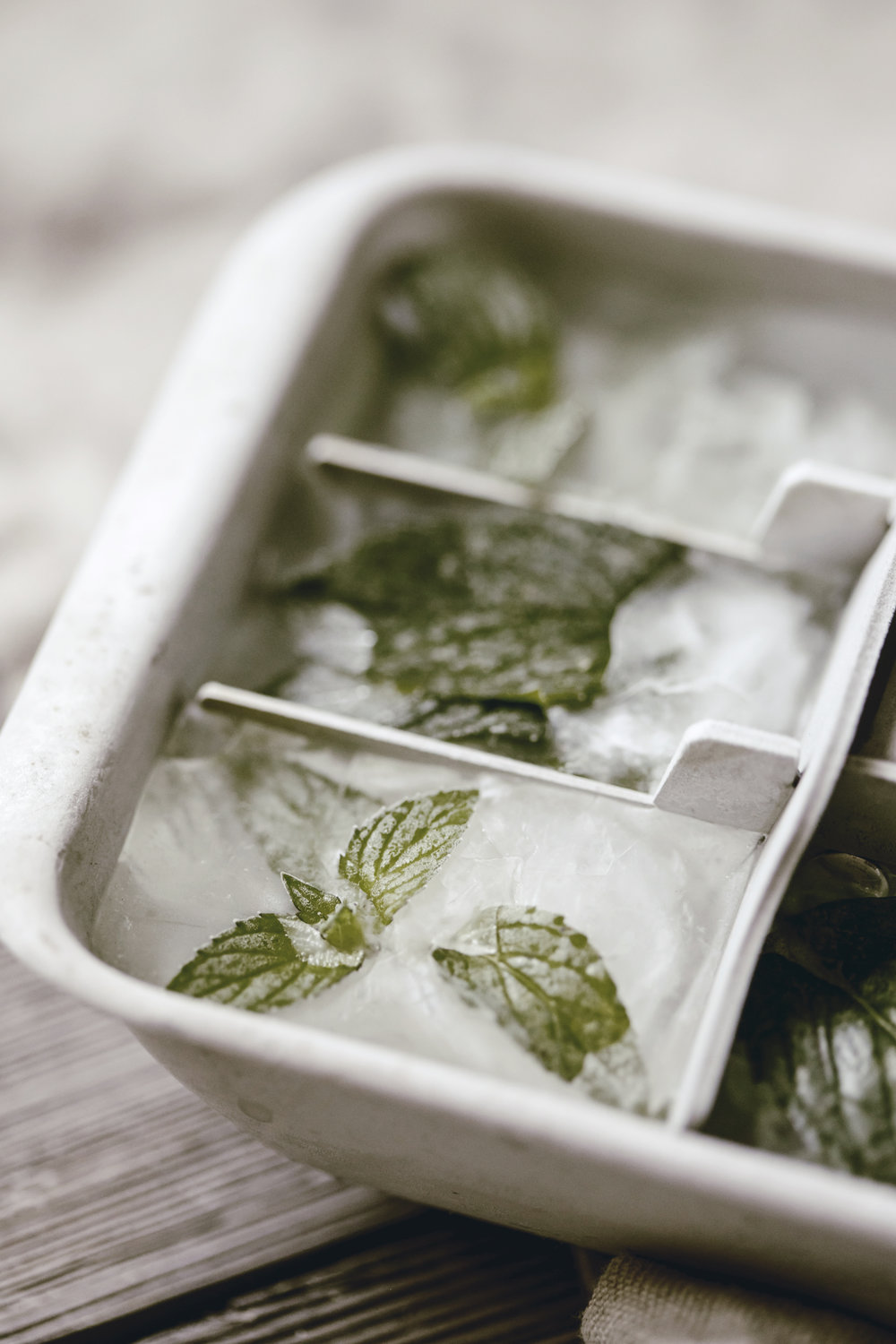
Wash and chop the mint leaves to your desired size. Place a small amount into each compartment of an ice cube tray. Fill the tray with water or olive oil to cover the mint. Freeze until solid. Once frozen, pop the cubes out and store in a freezer bag. This method works well for soups and sauces.
Credit: heirloomedblog.com
Storing Frozen Mint
Storing frozen mint properly makes all the difference in keeping its fresh flavor and aroma intact. If you’re like me, you want to enjoy that bright burst of mint long after the growing season ends. The key lies in choosing the right containers and organizing your frozen stash well.
Best Containers
Pick containers that prevent freezer burn and keep air out. Airtight plastic bags or freezer-safe glass jars work wonders. I prefer using small, resealable bags because they save space and you can take out just what you need without thawing the whole batch.
Another tip: flatten the bags before freezing to speed up freezing and save space. Avoid containers that are too large, as excess air can dull the mint’s flavor over time. You can also freeze mint in ice cube trays with a little water or olive oil, then transfer the cubes to bags—perfect for dropping into drinks or sauces.
Labeling And Dating
Labeling your frozen mint containers helps you keep track of freshness. Write the date clearly on each bag or jar with a permanent marker. This simple step stops you from guessing how old your mint is.
Have you ever found a forgotten bag of mint that had turned brown and lost its scent? I have, and it’s disappointing. Set a reminder to use your frozen mint within 3 to 6 months to enjoy the best flavor. Keeping your freezer organized with labeled herbs can save you money and reduce waste.
Using Frozen Mint
Frozen mint leaves keep their fresh flavor well. They stay ready to use anytime. You save time and avoid waste by freezing mint. Using frozen mint is simple and effective. It fits many recipes and drinks. Here is how to use frozen mint best.
In Cooking And Drinks
Frozen mint works great in cooked dishes. Add it directly to soups, stews, or sauces. The heat releases the mint aroma nicely. Use frozen mint in marinades for a fresh taste.
In drinks, frozen mint is perfect for cold recipes. Toss frozen leaves into smoothies or iced tea. They chill the drink and add flavor. Frozen mint also works in cocktails like mojitos.
Thawing Tips
No need for long thawing times. Let frozen mint sit at room temperature for a few minutes. Or rinse quickly under cool water to soften leaves.
For cooking, you can add mint frozen. For salads or fresh uses, thaw gently to keep texture. Avoid microwaving to prevent bitterness.
Credit: heirloomedblog.com
Common Mistakes To Avoid
Freezing mint leaves is a great way to preserve their freshness. Many people try this but make simple mistakes. These errors can reduce flavor and texture. Avoiding them keeps your mint tasty and vibrant.
Freezing Mint Leaves Without Washing
Not washing mint leaves before freezing causes dirt and bacteria to stay. This reduces quality and can spoil the leaves faster. Always rinse leaves gently under cold water. Dry them completely before freezing to prevent ice crystals.
Freezing Whole Mint Sprigs
Freezing whole sprigs takes more space and freezes unevenly. Leaves may stick together and lose shape. Remove leaves from stems and spread them on a tray. Freeze flat, then store in airtight bags for easy use.
Using Non-airtight Containers
Air causes freezer burn and dries out mint leaves. This lowers flavor and color. Use airtight containers or freezer bags to keep leaves fresh. Remove as much air as possible before sealing.
Skipping Blanching Before Freezing
Blanching stops enzymes that spoil herbs. Skipping this step can make mint bitter and dull. Quickly dip leaves in boiling water for a few seconds, then cool in ice water. Pat dry before freezing.
Freezing Mint Leaves For Too Long
Mint leaves lose flavor and texture after many months in the freezer. Use frozen mint within 3 to 6 months. Label bags with the date to track freshness. Discard old leaves to avoid bad taste.
Alternatives To Freezing Mint
If you’re wondering about ways to keep your mint fresh without freezing, you’re not alone. Freezing can sometimes alter the texture and flavor of mint leaves. Luckily, there are other effective methods that preserve both the taste and aroma, helping you enjoy mint long after harvest or purchase.
Drying Mint Leaves
Drying mint is a simple way to store it for months. You can hang small bunches upside down in a warm, dry place with good air circulation. This method keeps the essential oils intact, giving your dried leaves a strong flavor perfect for teas and seasoning.
If you want quicker results, try using a dehydrator or your oven on low heat. Spread the leaves evenly and check frequently to avoid burning. Once dry, crumble the leaves and store them in airtight containers to maintain freshness.
Have you ever noticed how dried mint changes the flavor profile of your dishes? It’s less sharp but still aromatic, which can add a different twist to your recipes.
Refrigeration Tips
Refrigerating mint can keep it fresh for about a week if done right. Wrap the mint leaves loosely in a damp paper towel and place them inside a plastic bag or container. The moisture from the towel prevents wilting while the bag maintains humidity.
Alternatively, you can store mint stems upright in a glass of water, covering the leaves with a plastic bag to create a mini greenhouse effect. Remember to change the water every couple of days to avoid bacteria buildup.
Have you tried these refrigeration methods before? You might find that simple changes in storage can extend your mint’s shelf life significantly without freezing it.
Frequently Asked Questions
Can Mint Leaves Be Frozen Without Losing Flavor?
Yes, mint leaves can be frozen while retaining most of their flavor. Freezing preserves freshness and aroma, especially when stored properly in airtight containers or freezer bags.
How To Freeze Mint Leaves For Best Results?
Wash and dry mint leaves thoroughly. Spread them on a tray, freeze, then transfer to airtight bags. This method prevents clumping and preserves quality.
How Long Do Frozen Mint Leaves Last?
Frozen mint leaves typically last 3 to 6 months. Proper storage in sealed containers helps maintain their flavor and texture during this period.
Can Frozen Mint Leaves Be Used In Cooking?
Yes, frozen mint leaves can be used directly in cooking. They work well in sauces, soups, and drinks but are best for cooked dishes rather than fresh garnishes.
Conclusion
Freezing mint leaves keeps them fresh for longer. It saves time and reduces waste. You can use frozen mint in drinks and recipes easily. Just wash and dry leaves before freezing. Store them in airtight bags or containers. Frozen mint may lose some texture but keeps flavor well.
This method suits anyone who loves fresh herbs. Try freezing mint to enjoy its taste anytime. Simple, smart, and effective for your kitchen needs.

I’m Abby Lu, a passionate home cook who loves simplifying everyday meals. At PlugChef.com, I share product reviews and cooking guides to help you find the best tools for your kitchen.
Related posts:
 Easy Mac N Cheese Microwave: Quick, Creamy, and Delicious Recipe
 Chicken With Fennel And Lemon: Easy, Flavorful Dinner Recipe
 Breakfast Sausage in a Blanket: Irresistible Morning Treats Made Easy
 Cooking Frozen Salmon in Oven: Easy, Quick & Delicious Tips
 Glaze Recipe for Smoked Ham: Irresistible Sweet & Spicy Twist
 Vegetarian Recipes in Crock Pot: Easy, Healthy & Delicious Meals

