
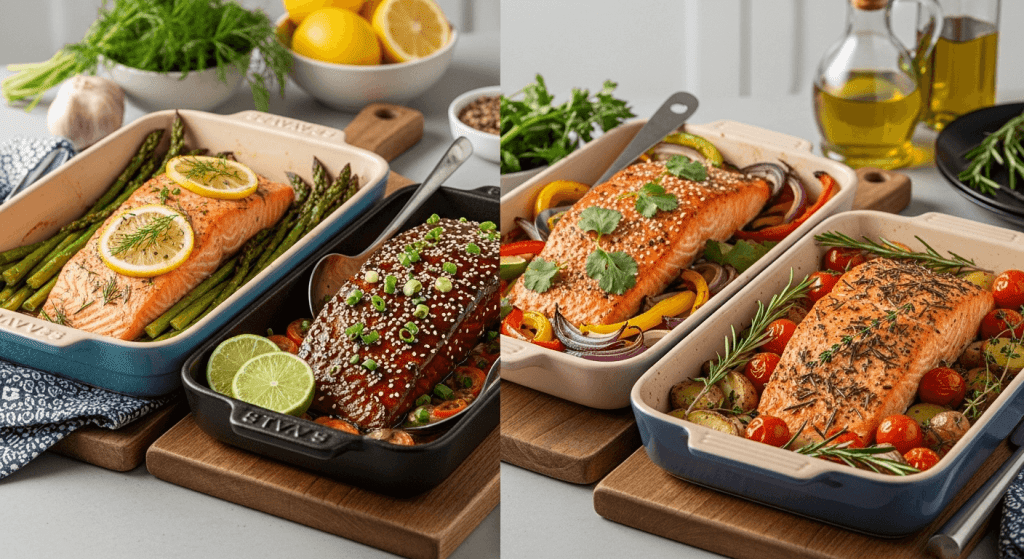
Are you looking for a quick and delicious way to cook salmon without the hassle of thawing? Frozen salmon recipes in the oven are your perfect solution.
You can turn frozen fish into a tasty, healthy meal with just a few simple steps. Imagine enjoying flaky, flavorful salmon straight from your freezer to your plate in no time. Keep reading to discover easy oven recipes that will save you time and impress your taste buds every single time.

Benefits Of Cooking Frozen Salmon
Cooking frozen salmon in the oven offers many benefits that suit busy lifestyles and healthy eating. It saves time, keeps nutrients intact, and helps reduce food waste. These advantages make frozen salmon a practical and nutritious choice for quick meals.
Time-saving Convenience
Frozen salmon cooks directly from the freezer without thawing. This cuts down meal prep time. No need to plan ahead or wait hours for fish to defrost. Simply season and bake. Perfect for quick dinners on busy days.
Nutrient Retention
Freezing salmon locks in essential vitamins and omega-3 fatty acids. Cooking from frozen preserves these nutrients better than thawing first. Oven baking seals in moisture and flavor. This method keeps salmon healthy and delicious.
Reduced Food Waste
Using frozen salmon helps avoid spoilage. You only cook the amount you need. Leftover portions stay fresh in the freezer for later use. This reduces waste and saves money on groceries.
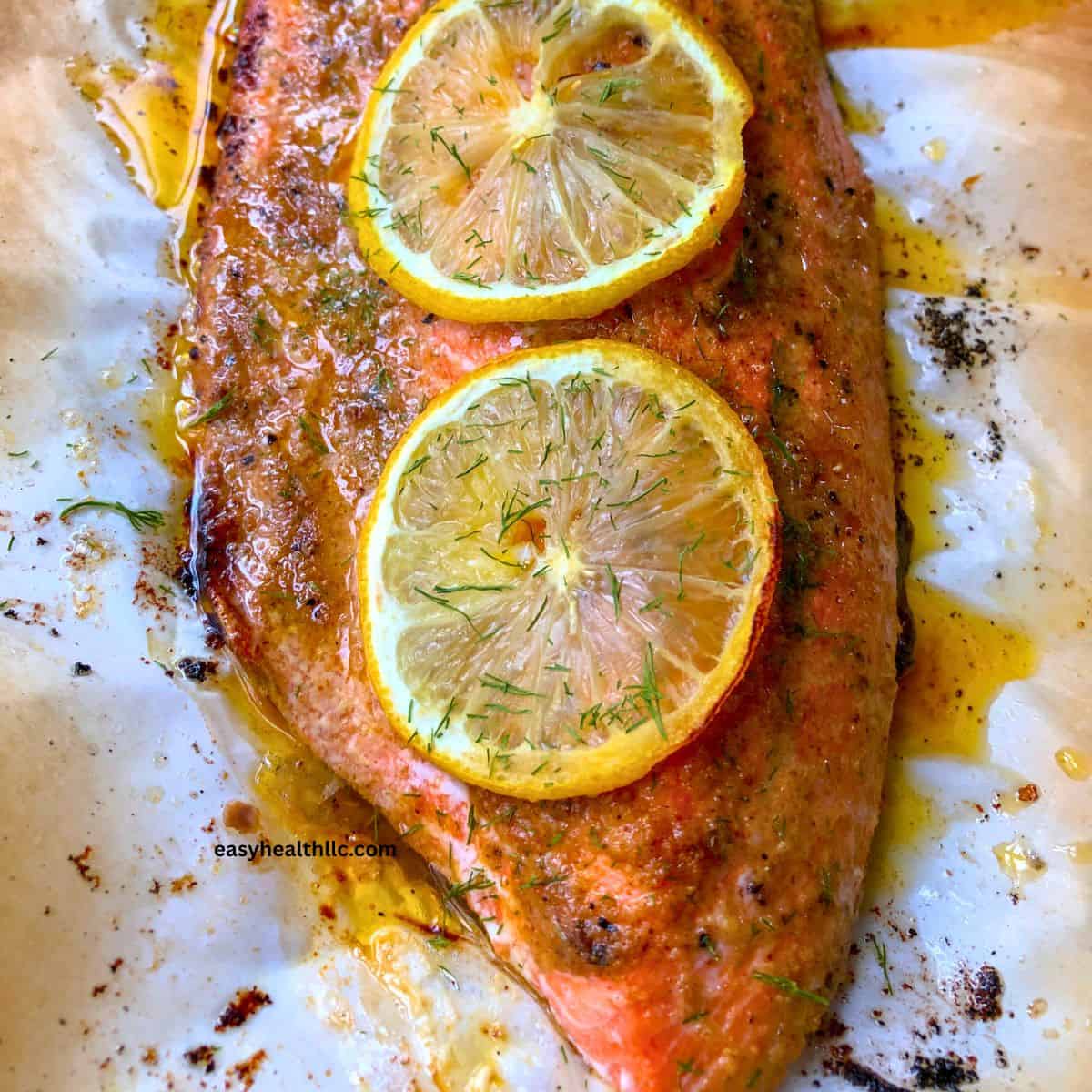
Credit: easyhealthllc.com
Choosing The Right Salmon For Baking
Choosing the right salmon for baking can make all the difference in your oven-cooked meal. The type of salmon you pick affects flavor, texture, and cooking time. Understanding your options helps you create a delicious dish that suits your taste and cooking style.
Wild Vs. Farmed Salmon
Wild salmon usually has a richer flavor and firmer texture compared to farmed salmon. It spends its life swimming freely, which develops stronger muscles and a more complex taste. However, farmed salmon tends to be more affordable and widely available year-round.
Consider your priorities: Do you want a more robust taste or a budget-friendly option? Some people prefer wild salmon for special dishes, while farmed salmon works well for everyday meals. You can also check labels to ensure sustainability if that matters to you.
Types Of Salmon Cuts
Salmon is available in various cuts, each suited for different recipes. Fillets are the most common and cook evenly, while steaks offer a thicker, meatier bite. Whole sides or portions with skin can lock in moisture during baking.
Think about how you plan to serve your salmon. Are you aiming for quick cooking or a dish that stays juicy? Skin-on fillets often bake better in the oven, keeping the flesh tender and flavorful.
Quality Indicators
Freshness is key when selecting salmon, even if frozen. Look for firm flesh that springs back when touched and a bright, vibrant color. Avoid salmon with any brown spots or a strong fishy odor.
Check packaging dates and opt for vacuum-sealed portions to prevent freezer burn. Remember, quality salmon will give your oven-baked dish a clean, fresh taste that stands out.
Preparing Frozen Salmon For The Oven
Frozen salmon cooks well in the oven with simple seasoning and proper temperature. Place the fish on a baking sheet and bake until flaky and tender. This easy method saves time and keeps the salmon juicy.
Preparing frozen salmon for the oven might seem like a daunting task, but it can be a straightforward process with the right approach. Whether you’re cooking for a weeknight dinner or a special occasion, mastering the preparation of frozen salmon ensures a delicious outcome. Let’s break down the essential steps to get that perfect, flaky salmon straight from your oven.
Thawing Methods
Thawing your salmon properly is the first step. The safest method is to transfer the salmon from the freezer to the refrigerator the night before you plan to cook it. This slow defrosting process helps maintain the fish’s texture and flavor. In a pinch, you can also thaw salmon in a sealed plastic bag submerged in cold water. Change the water every 30 minutes to ensure even thawing. If you’re really short on time, you can cook the salmon directly from frozen. Simply adjust your cooking time and temperature accordingly to ensure it’s cooked thoroughly.
Seasoning Tips
Once thawed, seasoning your salmon can elevate its natural flavors. A simple combination of salt, pepper, and lemon zest can work wonders. You might consider adding a sprinkle of dill or parsley for a fresh, herbaceous touch. Experiment with spices like paprika or garlic powder to create a more robust flavor profile. What flavors resonate with you when you think of salmon?
Using Marinades And Rubs
Marinades are a fantastic way to infuse your salmon with flavor. A soy sauce and honey marinade can give your fish a sweet and savory balance. Alternatively, rubs can add a bold crust to your salmon. Mix brown sugar, chili powder, and a hint of cumin for a smoky-sweet finish. Let your marinated or rubbed salmon rest for at least 15 minutes before baking to allow the flavors to absorb fully. By preparing your salmon with these methods, you’re setting the stage for a delicious and satisfying meal that’s sure to impress.
Simple Oven-baked Frozen Salmon Recipes
Oven-baked frozen salmon makes a quick and healthy meal option. It saves time by skipping the thawing process. Simple recipes bring out the natural flavor of salmon. Each recipe uses easy ingredients found in most kitchens. The oven cooks the fish evenly and keeps it moist. These recipes are perfect for busy weeknights or last-minute dinners.
Lemon Garlic Salmon
This recipe blends fresh lemon and garlic for a bright taste. The lemon adds a zesty flavor. Garlic gives a savory kick. Use olive oil to keep the fish tender. Sprinkle salt and pepper for balance.
- Place frozen salmon on a baking sheet.
- Mix lemon juice, minced garlic, and olive oil.
- Brush the mixture over the salmon.
- Bake at 400°F (200°C) for 20-25 minutes.
Honey Mustard Glazed Salmon
This glaze is sweet and tangy, perfect for salmon. Honey softens the mustard’s sharpness. The mustard adds a nice bite. A little soy sauce adds depth to the flavor.
- Combine honey, Dijon mustard, and soy sauce.
- Spread the glaze on frozen salmon fillets.
- Place salmon in a baking dish.
- Bake at 375°F (190°C) for 25-30 minutes.
Herb-crusted Salmon
Herbs add freshness and a crunchy crust. Parsley, dill, and thyme work well together. The herbs mix with breadcrumbs for texture. Lemon zest brightens the flavor.
- Mix chopped herbs, lemon zest, breadcrumbs, and olive oil.
- Pat the mixture onto frozen salmon fillets.
- Arrange salmon on a baking tray.
- Bake at 400°F (200°C) for 20-25 minutes.
Quick One-pan Salmon Meals
Quick one-pan salmon meals save time and reduce cleanup. They combine healthy ingredients on a single baking sheet. Perfect for busy days or simple dinners. These recipes use frozen salmon straight from the freezer. No need to thaw, just season and bake. Enjoy flavorful meals without extra effort.
Salmon With Roasted Vegetables
Toss chopped vegetables like bell peppers, zucchini, and carrots with olive oil. Spread them evenly on a baking sheet. Place salmon fillets in the center. Season with salt, pepper, and lemon slices. Roast everything together for 20-25 minutes at 400°F (200°C). The vegetables get tender while the salmon cooks perfectly.
Sheet Pan Salmon And Potatoes
Slice baby potatoes thinly and spread on a baking sheet. Drizzle with olive oil and sprinkle with garlic powder. Add frozen salmon fillets on top. Season with paprika, salt, and pepper. Bake at 425°F (220°C) for 25 minutes. The potatoes become crispy and the salmon stays juicy.
Mediterranean Style Bake
Arrange cherry tomatoes, olives, and red onion around salmon fillets. Drizzle with olive oil and lemon juice. Sprinkle with oregano and garlic powder. Bake at 400°F (200°C) for 20 minutes. This dish offers fresh, tangy flavors with tender salmon in one pan.

Credit: mowisalmon.us
Tips For Perfect Oven Cooking
Cooking frozen salmon in the oven can be easy and delicious. Follow simple tips to get moist and flavorful fish every time. Proper heat, timing, and checking are key for the best results. Avoid common mistakes that dry out the salmon or leave it undercooked. These tips help you enjoy oven-baked salmon without thawing.
Optimal Temperature And Timing
Set the oven to 400°F (200°C) for even cooking. This temperature cooks the salmon quickly and keeps it juicy. Cooking time depends on thickness, usually 20 to 25 minutes. Thicker pieces may need a few extra minutes. Use a baking dish or foil to keep moisture in.
Checking Doneness
Salmon is done when it flakes easily with a fork. The flesh should look opaque and light pink inside. Avoid cutting too early to keep juices locked in. Use a food thermometer to check the internal temperature. Aim for 145°F (63°C) for safe, tender salmon.
Avoiding Overcooking
- Watch cooking time closely to prevent dryness.
- Remove salmon from oven as soon as it’s done.
- Let it rest for a few minutes before serving.
- Cover with foil during resting to keep heat in.
- Use marinade or brush with oil to retain moisture.
Serving Suggestions And Side Dishes
Serving frozen salmon baked in the oven is just the start of a delicious meal. Pair it with the right sides to enhance its flavor and texture. Balanced dishes create a complete experience that pleases the palate and nourishes the body.
Think about fresh, vibrant salads to add crunch and color. Grains and rice offer heartiness and help fill the plate. Sauces and condiments bring moisture and extra zest, lifting the salmon to new heights.
Fresh Salads
- Mixed greens with lemon vinaigrette brighten the plate
- Cucumber and tomato salad adds crispness and juiciness
- Avocado slices provide creamy texture and healthy fats
- Simple coleslaw offers a tangy contrast to the salmon
Grains And Rice
- Steamed jasmine or basmati rice soaks up salmon juices well
- Quinoa with herbs adds a nutty flavor and protein boost
- Wild rice mix contributes a chewy, earthy element
- Couscous with chopped vegetables keeps the meal light
Sauces And Condiments
- Dill yogurt sauce pairs perfectly with salmon’s natural taste
- Garlic butter melt adds richness and depth
- Tartar sauce gives a creamy, tangy touch
- Spicy sriracha mayo delivers a kick without overpowering

Credit: downshiftology.com
Storing And Reheating Leftover Salmon
Storing and reheating leftover salmon properly keeps it fresh and tasty. Salmon is delicate, so careful handling matters. Good storage prevents spoilage and preserves flavor.
Reheating salmon without drying it out keeps the texture soft and moist. Using the right reheating methods avoids overcooking. Enjoy your salmon like it’s freshly made.
Proper Storage Techniques
- Cool salmon quickly after cooking, within two hours.
- Wrap tightly with plastic wrap or aluminum foil.
- Place in an airtight container to keep air out.
- Store in the refrigerator at 40°F (4°C) or below.
- Use leftovers within 2 to 3 days for best taste.
- For longer storage, freeze salmon in a freezer-safe bag.
- Label with date to track freshness.
Reheating Without Drying Out
- Preheat oven to 275°F (135°C) for gentle warming.
- Place salmon on a baking dish and cover with foil.
- Add a splash of water or broth to keep moisture.
- Heat for about 15 minutes or until warm throughout.
- Avoid microwaving, as it can dry out salmon quickly.
- Use low heat and short times to protect texture.
- Check frequently to prevent overcooking.
Frequently Asked Questions
Can I Cook Frozen Salmon Directly In The Oven?
Yes, you can bake frozen salmon in the oven. Simply preheat to 425°F, season, and bake for 20-25 minutes. This method saves time and keeps the fish moist and flavorful without thawing.
How Long To Bake Frozen Salmon In Oven?
Bake frozen salmon at 425°F for 20 to 25 minutes. Cooking time depends on thickness but usually stays within this range. Ensure the internal temperature reaches 145°F for safe consumption.
Should I Season Frozen Salmon Before Baking?
Yes, seasoning frozen salmon before baking enhances flavor. Use salt, pepper, lemon, and herbs directly on the fish. Seasoning helps create a tasty crust and elevates the overall dish.
Is Frozen Salmon As Healthy As Fresh Salmon?
Frozen salmon retains most nutrients and is just as healthy. Freezing preserves omega-3 fatty acids and protein. It offers a convenient, nutritious option when fresh salmon isn’t available.
Conclusion
Frozen salmon cooks well in the oven with simple steps. You save time and still get tasty results. Season it your way for great flavor. Serve it with vegetables or rice for a full meal. Oven cooking keeps the fish moist and soft.
Try different spices to find what you like best. Cooking frozen salmon this way fits busy days. Enjoy healthy, easy dishes without much effort. Keep these tips in mind next time you cook. Fresh or frozen, salmon makes a great dinner choice.

I’m Abby Lu, a passionate home cook who loves simplifying everyday meals. At PlugChef.com, I share product reviews and cooking guides to help you find the best tools for your kitchen.
Related posts:
 What Type of Cooking Utensils are Safe: Expert Picks
 What Innovations Could Blenders Make: Unleashing Future Tech
 Smart Strategies to Organize a Small Kitchen: Maximize Space
 How to Organize a Kitchen Cabinet: Expert Tips & Tricks
 How to Organize Kitchen Drawers: Expert Tips and Tricks
 How to Organize a Corner Kitchen Cupboard: Expert Tips

