
Have you ever wondered how to make soft, fluffy bread that stays fresh longer? Potato bread with potato flakes might be the secret you’re looking for.
It’s simple to make, full of flavor, and gives your bread a unique texture that you’ll love. You’ll discover easy steps to bake this delicious bread at home, even if you’re new to baking. Ready to transform your baking game and impress your family with homemade potato bread?
Keep reading—you won’t want to miss these tips!

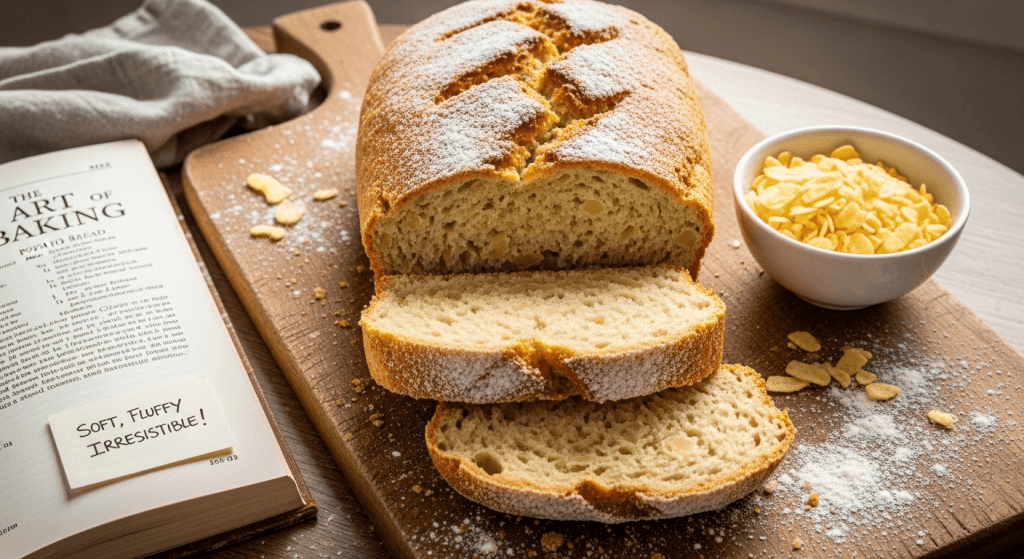
Image: Potato Bread With Potato Flakes Soft, Fluffy, and Irresistible Recipe
Benefits Of Potato Bread
Potato bread made with potato flakes stays soft longer and has a moist texture. It offers added nutrients and a mild, pleasant flavor. This bread also tends to stay fresh, making it a great choice for sandwiches or toast.
Potato bread, enriched with potato flakes, offers more than just a delightful taste. This unique bread brings several benefits that make it a favorite in many households. From its incredible texture to its nutritional advantages, potato bread is worth considering for your next baking adventure.
Moisture And Softness
Potato bread stands out for its remarkable moisture and softness. The addition of potato flakes helps retain moisture, giving the bread a tender crumb. This means every slice is a joy to bite into, providing a comforting and satisfying experience. Ever baked bread that turned out dry? Potato bread is your solution. The natural moisture from potatoes prevents this common baking woe, ensuring soft and fluffy results every time.
Extended Freshness
One of the standout features of potato bread is its extended shelf life. While most homemade breads dry out quickly, the starches in potato flakes keep this bread fresher for longer. Imagine having fresh-tasting bread for days without the need for preservatives. This not only reduces waste but also ensures you always have delicious bread on hand for sandwiches or toast.
Nutritional Boost
Potato bread isn’t just about taste and texture—it’s also a nutritional powerhouse. Potatoes bring essential vitamins and minerals, such as vitamin C and potassium, to your bread. Adding potato flakes can enhance the nutritional profile of your bread without compromising on flavor. This makes potato bread a smart choice for those seeking a balanced diet without sacrificing taste. Have you ever considered how a simple ingredient like potato flakes could transform your baking? It’s time to give potato bread a try and enjoy its numerous benefits.

Credit: amygannett.com
Choosing The Right Potato Flakes
Choosing the right potato flakes can make a big difference in your potato bread. Not all flakes are created equal. Picking the best type affects the bread’s texture, flavor, and even how it rises.
Types Of Potato Flakes
Potato flakes come in several varieties, each suited for different baking needs. You’ll find regular flakes, instant flakes, and sweet potato flakes. Regular flakes offer a neutral taste and good texture, while instant flakes dissolve faster, speeding up your bread-making process.
Sweet potato flakes add a unique flavor and a bit of natural sweetness. Think about what flavor and texture you want in your bread before choosing. Have you noticed how different flakes change the softness of your bread?
How To Measure Potato Flakes
Measuring potato flakes accurately is crucial. Too much can make your dough too sticky or dense. Use a dry measuring cup and level it off with a flat edge to get precise amounts.
If a recipe calls for mashed potatoes, replace them with potato flakes by mixing flakes with warm water. This ensures consistency and prevents dry spots in the dough. Have you tried adjusting the water-to-flake ratio to get softer bread?
Where To Buy
Potato flakes are widely available both online and in stores. Grocery stores often carry them in the baking aisle or near dehydrated foods. For specialty flakes, like organic or sweet potato flakes, check health food stores or online marketplaces.
Ordering online gives you access to customer reviews and detailed product descriptions. This helps you pick flakes that match your exact needs. Do you prefer shopping in-store to see the product or online for convenience?
Essential Ingredients For Potato Bread
Potato bread with potato flakes offers a soft, moist texture and a unique flavor. The right ingredients make all the difference in this bread. Each component plays a key role in the bread’s taste and structure. Understanding these essentials helps create perfect potato bread every time.
Flour Selection
Use all-purpose flour for a balanced texture and flavor. Bread flour works well for a chewier crumb. The flour’s protein content affects gluten development. Gluten gives bread its structure and elasticity. A mix of flours can enhance the bread’s softness.
Yeast And Leavening Agents
Active dry yeast is common for potato bread. It helps the dough rise by producing carbon dioxide. Instant yeast can speed up the process. Yeast freshness matters for good rise and texture. Some recipes add baking powder for extra lift.
Liquids And Fats
Water or milk hydrates the flour and activates yeast. Milk adds richness and a softer crumb. Potato flakes absorb moisture and add body. Butter or oil gives tenderness and flavor. Fats also keep the bread moist longer.
Step-by-step Recipe Process
Making potato bread with potato flakes is a rewarding experience that brings soft, flavorful bread right to your table. The process is straightforward but requires attention to detail to get that perfect texture and rise. Let’s walk through each part of the recipe so you can bake with confidence and enjoy every step.
Preparing The Dough
Start by mixing warm water with yeast and a bit of sugar to activate the yeast. Wait until the mixture becomes frothy—this shows your yeast is alive and ready to work. Next, combine your flour, potato flakes, salt, and any other dry ingredients in a large bowl.
Slowly add the yeast mixture and some oil or melted butter to the dry ingredients. Stir everything until a rough dough forms. You’ll notice the potato flakes add a subtle softness to the dough that’s different from regular bread.
Kneading Techniques
Kneading is crucial for developing gluten, which gives bread its structure. Use the heel of your hand to push the dough away from you, then fold it back. Repeat this motion for about 8-10 minutes until the dough feels smooth and elastic.
If your dough feels sticky, sprinkle a little flour, but don’t add too much—potato flakes already help keep it moist. How does your dough feel? The right texture should be soft yet springy.
First Rise And Shaping
Place your dough in a lightly oiled bowl and cover it with a clean towel or plastic wrap. Let it rise in a warm spot until it doubles in size, usually about 1 to 1.5 hours. This is when the yeast works its magic, creating those air pockets for a fluffy loaf.
Once risen, punch the dough down gently to release excess gas. Shape it into a loaf or rolls, depending on your preference. Shaping helps the bread bake evenly and look inviting.
Second Rise
After shaping, allow the dough to rise again on your baking tray or in the pan. This second rise usually takes 30 to 45 minutes. It’s easy to underestimate this step, but skipping it can lead to denser bread.
Watch the dough carefully—when it’s puffed up and slightly springy to the touch, it’s ready for the oven. Have you noticed how much the dough changes during these rises?
Baking Tips
- Preheat your oven to 375°F (190°C) for even baking.
- Place a small pan of water in the oven to create steam; this helps develop a nice crust.
- Bake the bread for 30-35 minutes until golden brown and sounds hollow when tapped.
- Cool the bread on a wire rack to prevent sogginess.
Baking bread is part science, part art. Have you tried tapping your bread to check if it’s done? It’s a simple trick that can save your loaf from being underbaked.
Troubleshooting Common Issues
Potato bread made with potato flakes can be wonderfully soft and flavorful, but sometimes things don’t turn out as expected. Troubleshooting common issues helps you get the best results without wasting ingredients or time. Let’s look at some practical fixes for dense bread, crust troubles, and flavor tweaks.
Dense Or Heavy Bread
If your potato bread feels too dense, it might be due to too much flour or not enough yeast activity. Measure your flour carefully; too many dry ingredients weigh the dough down.
Also, check if your yeast is fresh and active. Try proofing it in warm water with a pinch of sugar before mixing to ensure it bubbles up.
Are you kneading the dough enough? Under-kneading can prevent gluten from developing, resulting in a heavy texture. Aim for a smooth, elastic dough that springs back when pressed.
Crust Problems
Is your crust too hard or too soft? For a hard crust, you might be baking at too high a temperature or for too long. Lower the oven temperature slightly and reduce baking time to get a softer crust.
If the crust is too soft or pale, try increasing the oven temperature or adding a steam source. Placing a pan of water in the oven during baking helps create steam, giving your bread a nice crust color and texture.
Another tip: brushing the crust with melted butter right after baking adds flavor and softness. Have you tried this simple step yet?
Flavor Adjustments
Potato flakes add subtle sweetness and moisture, but you can enhance the flavor further. Adding a teaspoon of honey or sugar balances the savory notes.
Don’t forget salt—it’s essential for flavor development. Adjust the salt to your taste but keep it balanced to avoid overpowering the bread.
Experiment with herbs like rosemary or garlic powder for a savory twist. What flavor combinations excite your taste buds?

Credit: amygannett.com
Creative Variations
Potato bread with potato flakes offers a soft, moist texture that’s already a delight. But the real fun begins when you start experimenting with creative variations. These tweaks can turn a simple loaf into something truly special, tailored to your taste and occasion.
Adding Herbs And Spices
Fresh or dried herbs can bring a burst of flavor to your potato bread. Try adding rosemary, thyme, or chives for an earthy, aromatic touch that complements the subtle potato taste.
Spices like garlic powder, smoked paprika, or even a pinch of cinnamon can add unexpected depth. Have you thought about how a little heat from crushed red pepper flakes could make your bread stand out at your next dinner?
Incorporating Seeds And Nuts
Seeds add crunch and nutrition to potato bread. Sunflower seeds, pumpkin seeds, or flaxseeds work well sprinkled on top or mixed into the dough.
Nuts like chopped walnuts or pecans introduce a rich, toasty flavor. Adding these can change the bread’s texture and make it a perfect partner for cheese or a hearty stew.
Sweet Potato Flake Alternatives
If you want to switch things up, sweet potato flakes can replace regular potato flakes for a slightly sweeter and more vibrant loaf. This swap adds a unique color and taste without changing the basic recipe.
Other alternatives include using mashed yams or even pumpkin puree to maintain moisture and add a twist. What flavors would you like to explore by adjusting the type of flakes in your bread?
Serving And Storage Tips
Serving and storing potato bread with potato flakes properly keeps it fresh and tasty. Knowing the best ways to enjoy and preserve this bread helps reduce waste. It also enhances your eating experience every time.
Best Serving Ideas
- Toast slices lightly for a warm, crunchy texture.
- Use as sandwich bread with cheese, ham, or veggies.
- Serve with soups or stews to soak up flavors.
- Spread butter and honey for a simple, sweet treat.
- Make French toast for a soft, eggy breakfast option.
Freezing And Reheating
Wrap potato bread tightly in plastic wrap or foil before freezing. Place it in an airtight freezer bag to prevent freezer burn. Freeze bread for up to 3 months without losing quality.
To reheat, thaw bread at room temperature. Warm slices in a toaster or oven for a fresh-baked taste. Avoid microwaving, as it can make bread chewy or tough.
Shelf Life Expectations
| Storage Method | Approximate Shelf Life |
|---|---|
| Room Temperature (wrapped) | 2 to 3 days |
| Refrigerator (sealed) | 1 week |
| Freezer (airtight) | Up to 3 months |
Keep bread in a cool, dry place for best freshness at room temperature. Check for mold or off smells before eating. Proper storage helps keep potato bread soft and flavorful longer.

Credit: amygannett.com
Frequently Asked Questions
What Are The Benefits Of Using Potato Flakes In Bread?
Potato flakes add moisture and softness to bread. They enhance shelf life and create a tender crumb. Potato flakes also improve the bread’s texture and flavor naturally.
Can I Replace Fresh Potatoes With Potato Flakes?
Yes, potato flakes can replace fresh potatoes. Use about 1/3 cup of flakes for one medium potato. They save time and maintain the bread’s moistness.
How Do Potato Flakes Affect Bread Texture?
Potato flakes make bread softer and fluffier. They help retain moisture longer, preventing dryness. This results in a tender, light crumb ideal for sandwiches.
Is Potato Bread With Flakes Gluten-free?
No, potato bread with flakes is not gluten-free. It usually contains wheat flour, which has gluten. Use gluten-free flour if a gluten-free bread is needed.
Conclusion
Potato bread with potato flakes is soft and tasty. It bakes quickly and stays fresh longer. This bread is great for sandwiches and toast. You can make it at home with simple ingredients. It adds a nice twist to regular bread recipes.
Try it once to enjoy a new flavor. Baking this bread can be fun and easy. Perfect for anyone who loves fresh, homemade bread. Give potato flakes a chance in your baking today.

I’m Abby Lu, a passionate home cook who loves simplifying everyday meals. At PlugChef.com, I share product reviews and cooking guides to help you find the best tools for your kitchen.
Related posts:
 What Type of Cooking Utensils are Safe: Expert Picks
 What Innovations Could Blenders Make: Unleashing Future Tech
 Smart Strategies to Organize a Small Kitchen: Maximize Space
 How to Organize a Kitchen Cabinet: Expert Tips & Tricks
 How to Organize Kitchen Drawers: Expert Tips and Tricks
 How to Organize a Corner Kitchen Cupboard: Expert Tips

