
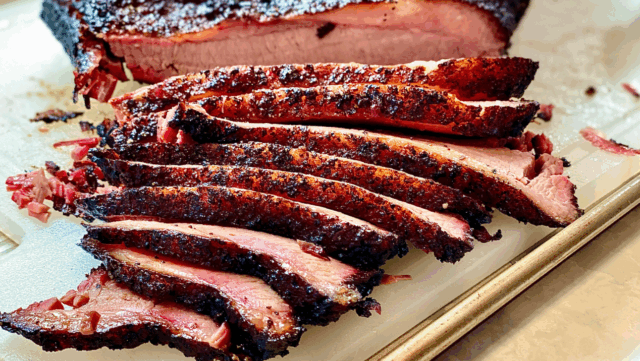
Reheating brisket might seem simple, but doing it the right way can make all the difference. You want your brisket juicy, tender, and full of flavor—not dry or tough.
If you’ve ever been disappointed by reheated meat that lost its magic, this guide is for you. Keep reading, and you’ll discover easy, proven methods to bring your brisket back to life, just like it was freshly cooked. Your next meal deserves nothing less.
Choosing The Right Brisket
Choosing the right brisket is essential before you heat it up. The way you reheat brisket depends heavily on whether it’s fresh or leftover. Your goal is to keep it juicy and flavorful, so understanding what you have on hand makes all the difference.
Fresh Vs. Leftover Brisket
Fresh brisket is great because it still has its original texture and moisture. Heating it up is about preserving that quality without drying it out. Leftover brisket, on the other hand, has already been cooked and cooled, which means it’s more prone to drying when reheated.
Think about your brisket’s current state. Is it just been cooked or has it been sitting in the fridge for a couple of days? This will guide your heating method. For fresh brisket, slower, gentler heating works best. Leftovers may need a bit more care—like adding moisture or wrapping it tightly—to bring back that tender feel.
Quality Indicators To Look For
Before heating, check your brisket’s quality carefully. Look for these key indicators:
- Color:Fresh brisket should have a rich, deep red or brown color. Leftovers might look paler but should not be gray or greenish.
- Smell:It should smell smoky and meaty, not sour or off.
- Texture:The meat should feel firm but not slimy or sticky.
If any of these signs seem off, it’s better to avoid reheating it. Your safety and the taste experience depend on choosing brisket that still holds up well. Have you ever reheated meat that turned out dry or rubbery? Picking the right brisket can help you avoid that disappointment.

Credit: argentineasado.com
Preparing Brisket For Reheating
Preparing brisket for reheating is key to preserving its rich flavor and tender texture. Before you warm it up, take a moment to get your brisket ready. Simple steps can make a big difference in how juicy and delicious your leftovers turn out.
Trimming Excess Fat
Look closely at your brisket for any thick layers of fat. While some fat adds flavor, too much can cause flare-ups or leave your meat greasy after reheating.
Trim off large chunks of fat gently with a sharp knife, but keep a thin layer to protect the meat during reheating. This balance helps the brisket stay moist without becoming heavy.
Have you noticed how leftover brisket sometimes feels too oily? Trimming fat before reheating can solve that problem and improve your eating experience.
Adding Moisture For Tenderness
Brisket tends to dry out when reheated, so adding moisture is essential. You can brush the meat with a bit of beef broth, apple juice, or even a splash of water.
Another effective trick is wrapping the brisket tightly in foil or placing it in a covered dish. This traps steam and keeps the meat tender.
Think about the last time you reheated brisket without adding moisture—was it dry or tough? A little liquid can make your leftovers taste like they just came off the smoker.
Reheating Methods
Gently warm brisket in the oven with foil to keep it moist and tender. Using a slow cooker helps maintain flavor without drying out the meat. Reheating on the stove with a little broth or water can revive juicy slices quickly.
Reheating Methods The art of perfectly reheating brisket is almost as important as cooking it right the first time. You want to preserve that smoky flavor and tender texture. Choosing the right reheating method can make all the difference in enjoying that mouthwatering brisket once more. Let’s dive into some practical and effective ways to bring your brisket back to life.Oven Reheating
Reheating brisket in the oven is a reliable way to ensure even warming. Preheat your oven to 325°F (165°C) and place the brisket in a baking dish. Cover it with foil to retain moisture and heat for about 20-30 minutes, depending on the size of your brisket. Keep an eye on it—no one wants dry meat! This method is great for preserving the brisket’s original flavors.Slow Cooker Technique
A slow cooker can be your best friend for reheating brisket while keeping it moist. Place the brisket in the slow cooker and add a bit of beef broth or leftover juices. Set it on low for a few hours. This gentle reheating can make the meat even more tender. It’s an excellent method if you have a few hours to spare before dinner.Sous Vide Approach
Sous vide is a fantastic option for those who want precision. Seal your brisket in a vacuum bag and immerse it in a water bath set to 150°F (65°C). Reheat for about an hour, and you’ll have perfectly warm brisket without overcooking. This method keeps the meat juicy and tender, much like it was when freshly cooked.Microwave Tips
While the microwave isn’t the first choice for many, it can be handy in a pinch. Slice your brisket into even pieces and place them on a microwave-safe plate. Cover with a damp paper towel to lock in moisture and heat in short intervals—about 30 seconds each. Check frequently to avoid overcooking. It’s a quick fix when you’re short on time, but be cautious to preserve texture and flavor.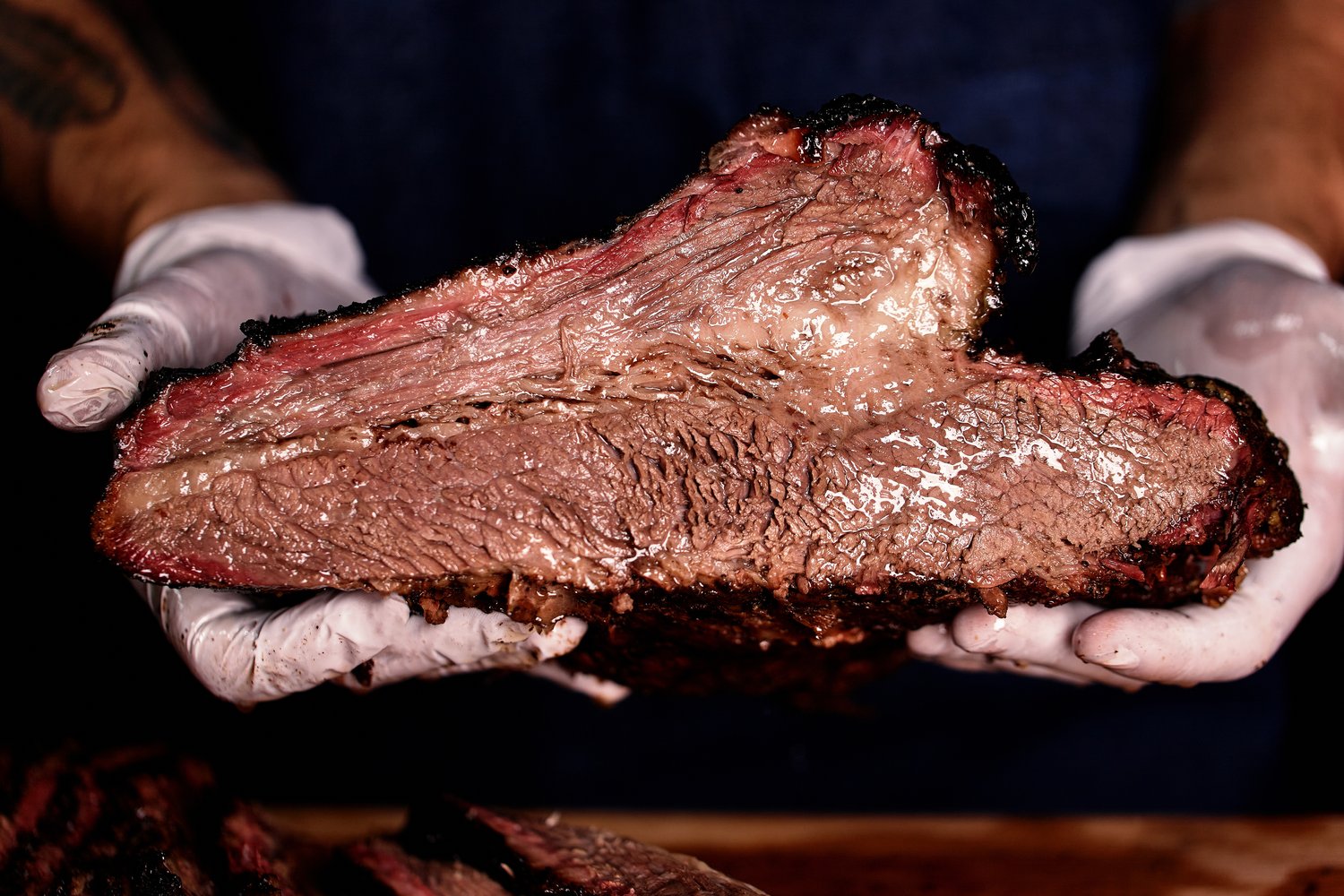
Credit: www.thegrillcoach.com
Maintaining Juiciness
Keeping your brisket juicy while reheating can be a challenge. Dry meat ruins the whole experience, and nobody wants a tough bite. The key is to preserve moisture without overcooking, so your brisket stays tender and flavorful.
Using Broth Or Sauce
Adding liquid like broth or sauce helps keep brisket moist during reheating. Pour a small amount over the meat before warming it up. This creates steam that prevents drying out.
Choose a broth that matches the brisket’s flavor—beef broth works well, or try a tangy barbecue sauce for extra taste. Avoid using too much liquid, or the brisket might become soggy. Just enough to coat and moisten the meat is perfect.
Have you ever reheated meat and found it dry and tough? Adding broth or sauce is a simple trick that can change everything.
Wrapping Techniques
Wrapping brisket tightly in foil or butcher paper locks in moisture while reheating. This method traps steam and heat close to the meat, keeping it juicy.
For best results, wrap the brisket securely without squeezing out the natural juices. You can also add a splash of broth or sauce inside the wrap for extra moisture.
Consider reheating brisket in the oven at a low temperature while wrapped. This slow warming helps the meat stay tender and juicy, avoiding dryness.
Do you usually wrap your brisket when reheating? If not, try it next time and notice the difference in juiciness.
Serving Suggestions
Serving reheated brisket properly enhances its flavor and texture. The right steps after heating make your meal more enjoyable. Small details matter to bring out the best taste and tenderness. Follow simple tips to serve brisket that tastes fresh and juicy.
Resting Time Before Serving
Let brisket rest for 10 to 15 minutes after heating. This helps juices spread evenly inside the meat. Cutting too soon can cause juices to run out. Resting keeps the brisket moist and tender. Use foil to cover it lightly while resting. This keeps the warmth without drying the meat.
Complementary Sides And Sauces
Brisket pairs well with many sides and sauces. Choose simple, tasty options to balance the rich meat flavor.
- Mashed potatoes or roasted vegetables add softness and earthiness
- Coleslaw offers a crunchy, fresh contrast
- Baked beans bring sweetness and a smoky touch
- Pickles or pickled onions add tang and cut richness
- Classic barbecue sauce enhances the smoky, savory notes
- Horseradish sauce gives a spicy kick for variety
Try mixing a few sides and sauces for a full meal experience. Keep flavors simple to highlight the brisket’s taste.

Credit: argentineasado.com
Common Mistakes To Avoid
Heating up brisket might sound simple, but many people make avoidable mistakes that ruin the texture and flavor. Knowing what to watch out for can save your leftovers from turning dry or tough. Let’s dive into some common errors you should steer clear of to keep your brisket juicy and delicious.
Overheating Risks
One of the biggest mistakes is overheating your brisket. When you heat it too fast or at too high a temperature, the meat fibers tighten up and squeeze out moisture. This leaves you with a dry, chewy piece instead of the tender brisket you enjoyed originally.
Slow and gentle warming works best. Think of it like waking up your brisket slowly rather than shocking it awake. Have you ever reheated meat only to find it tough and stringy? That’s the result of overheating.
Skipping Moisture Steps
Another common error is skipping the steps that add moisture back into the brisket. Brisket dries out quickly when reheated without any liquid. Adding a bit of broth, water, or even wrapping the meat in a damp towel can make a huge difference.
Moisture helps the brisket stay tender and keeps the flavors alive. Without it, the reheated brisket can feel like eating cardboard. Have you tried reheating brisket wrapped in foil with some juices? It’s a simple trick that keeps your meat juicy and flavorful.
Frequently Asked Questions
How Do You Reheat Brisket Without Drying It Out?
To reheat brisket without drying, wrap it in foil with some broth. Heat slowly at 250°F for 30-40 minutes. This method keeps the meat moist and tender.
Can You Microwave Leftover Brisket Safely?
Yes, microwave brisket on medium heat. Cover with a damp paper towel to retain moisture. Heat in short intervals, checking frequently to avoid overcooking.
What’s The Best Oven Temperature To Reheat Brisket?
The best oven temperature is 250°F. This low heat gently warms brisket while preserving its juiciness. Wrap in foil and heat for 30-40 minutes.
Should You Add Liquid When Reheating Brisket?
Yes, adding a little beef broth or water helps maintain moisture. Pour it over brisket before reheating to prevent dryness and enhance flavor.
Conclusion
Reheating brisket does not have to be hard. Keep the meat moist and warm it slowly. This keeps the brisket juicy and tender. Use a low oven or a slow cooker for best results. Avoid high heat to stop it from drying out.
Rest the meat a little before serving. Enjoy your brisket just like fresh-cooked. Simple steps make your meal taste great again. Try these tips next time you heat brisket. You will love the flavor and texture.

I’m Abby Lu, a passionate home cook who loves simplifying everyday meals. At PlugChef.com, I share product reviews and cooking guides to help you find the best tools for your kitchen.
Related posts:
 What Type of Cooking Utensils are Safe: Expert Picks
 What Innovations Could Blenders Make: Unleashing Future Tech
 Smart Strategies to Organize a Small Kitchen: Maximize Space
 How to Organize a Kitchen Cabinet: Expert Tips & Tricks
 How to Organize Kitchen Drawers: Expert Tips and Tricks
 How to Organize a Corner Kitchen Cupboard: Expert Tips

