
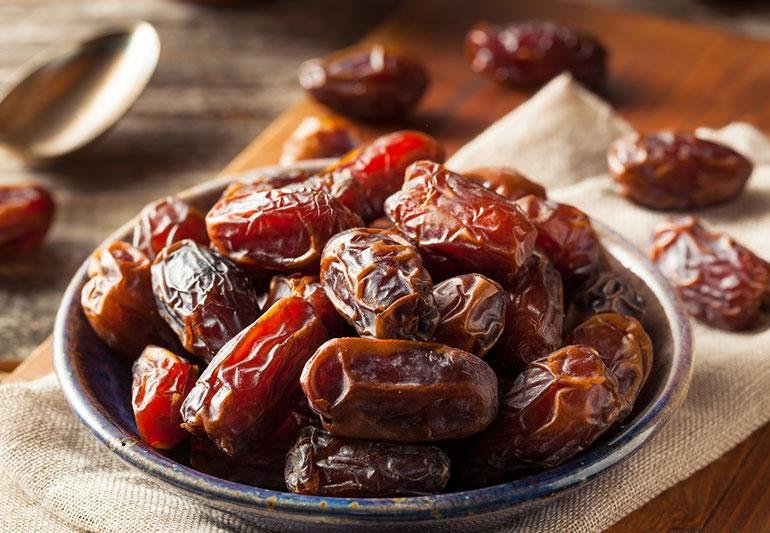
Have you ever opened a pack of dates only to wonder, “Are these still good?” Dates are delicious and packed with nutrients, but like all foods, they don’t last forever. Knowing when dates go bad can save you from unpleasant surprises and keep your snacks safe and tasty.
You’ll learn the signs to watch for, how to store your dates properly, and simple tips to extend their freshness. Keep reading to make sure your dates stay as sweet as they should be!

Credit: bateel.com
Shelf Life Of Dates
Understanding the shelf life of dates is essential if you want to enjoy their sweet flavor without worrying about spoilage. Dates can last a long time when stored properly, but their freshness and texture depend heavily on how you keep them. Let’s look closely at how fresh and dried dates differ and how storage conditions affect their longevity.
Fresh Vs Dried Dates
Fresh dates have a higher moisture content, which makes them soft and juicy but also more prone to spoilage. Typically, fresh dates last about 1 to 2 weeks when stored in the refrigerator. If left at room temperature, they might only stay good for a few days before fermenting or drying out.
Dried dates, on the other hand, have had most of their moisture removed, making them much more shelf-stable. You can expect dried dates to last several months at room temperature and up to a year or more when refrigerated. The drying process acts like nature’s preservative, but dried dates can still harden or crystallize if left too long.
Storage Conditions Impact
How you store your dates makes a big difference in how long they last. Storing dates in an airtight container helps keep moisture and contaminants out, preserving their texture and flavor. Avoiding exposure to heat and sunlight is crucial because warmth can speed up spoilage.
Refrigeration slows down the aging process, especially for fresh dates. If you want to keep dried dates for a longer time, storing them in the fridge or freezer is a smart move. Have you ever found your dates turning too hard or sticky? That’s usually a sign of poor storage or age catching up.
- Room Temperature:Fresh dates – 2-3 days; dried dates – up to 6 months
- Refrigerated:Fresh dates – up to 2 weeks; dried dates – up to 1 year
- Frozen:Both types can last 1+ years if properly sealed

Credit: bateel.com
Visual Signs Of Spoilage
Dates are a delicious, sweet treat that many enjoy. Knowing the visual signs of spoilage helps keep them safe to eat. This section highlights key changes to watch for on dates before eating.
Color Changes
Fresh dates usually have a rich brown or dark amber color. When dates start to spoil, their color may fade or darken unevenly. Look for unusual black spots or dull areas. These color shifts often mean the dates are past their best.
Mold Growth
Mold on dates appears as fuzzy patches in white, green, or gray. Mold can grow on the surface or inside the fruit. Do not eat dates with any visible mold. It indicates harmful bacteria that can cause illness.
Texture Alterations
Healthy dates feel soft but firm and slightly sticky. Spoiled dates become excessively dry or mushy. Wrinkled or shriveled skin is a sign of drying out. Slimy or sticky surfaces point to fermentation or rot.
Smell And Taste Indicators
A sour or off smell signals that dates may have spoiled. Taste a small piece; bitterness or unusual flavors indicate they are bad. Trust your senses to spot when dates are no longer fresh.
When you’re savoring the sweetness of dates, it’s essential to be aware of their smell and taste as indicators of freshness. Dates, when stored improperly or kept for too long, can develop off-putting odors and flavors that detract from their natural allure. Recognizing these signs can save you from an unpleasant culinary experience and ensure that you’re always enjoying dates at their finest.Off Odors
One of the first signs that dates have gone bad is an unpleasant smell. Fresh dates have a mild, sweet aroma, reminiscent of caramel. If you notice a sour, fermented, or sharp smell, it’s a clear indicator that the dates are no longer fresh. A personal experience comes to mind when I opened a box of dates that had been sitting in my pantry for too long. The sour scent hit me immediately, and I knew they were past their prime. It’s a simple check that can save you from an unfortunate surprise later on. Consider this: would you drink milk that smells sour? Just like milk, dates should smell inviting and sweet.Unusual Flavors
Taste is another critical factor in determining the freshness of dates. They should taste sweet, with a hint of caramel or honey. If the dates taste bitter, sour, or off, they might have spoiled. I once bit into a date that tasted oddly tangy, and I instantly knew something was amiss. It’s a reminder that our taste buds can be our best guide in food safety. Ask yourself, does the flavor match your expectation of a sweet, luscious date? If not, it’s time to toss them out. Keep these indicators in mind, and you’ll ensure that your dates are always a delightful treat rather than a disappointment. Remember, your senses are powerful tools in maintaining the quality of your food.Health Risks Of Eating Bad Dates
Eating spoiled dates might seem harmless since they look like just dried fruit, but the health risks are real and can catch you off guard. When dates go bad, harmful bacteria and molds can develop, posing a threat to your well-being. Understanding these risks helps you protect yourself and enjoy dates safely.
Food Poisoning Symptoms
Consuming bad dates can lead to food poisoning. You may experience symptoms like nausea, vomiting, stomach cramps, and diarrhea within hours of eating them. These symptoms occur because bacteria such as Salmonella or E. coli can multiply on spoiled dates, especially if they’ve been stored improperly.
Have you ever felt uneasy after eating something that seemed fine? That discomfort might have been mild food poisoning. If you notice these symptoms after enjoying dates, it’s wise to stay hydrated and seek medical advice if symptoms worsen or persist.
Allergic Reactions
Sometimes, eating bad dates triggers allergic reactions that go beyond typical food intolerance. Mold growth on spoiled dates can release allergens that cause itching, swelling, or even breathing difficulties in sensitive individuals. These reactions might surprise you if you have no prior allergies to fresh dates.
Pay attention to unusual reactions after eating dates, like hives or difficulty swallowing. If you experience these signs, stop eating the dates immediately and consult a healthcare provider. Protecting your health means recognizing when your body signals that something’s wrong.
Tips To Extend Date Freshness
Dates are naturally sweet and soft, but they can spoil if not stored well. Keeping dates fresh longer saves money and reduces waste. Simple habits help maintain their taste, texture, and nutrition. Follow these tips to make your dates last as long as possible.
Proper Storage Methods
Store dates in an airtight container to keep moisture out. Keep them in a cool, dry place away from sunlight. Room temperature works for short-term storage, up to a few weeks. For longer storage, use the refrigerator. Cold slows down the spoilage process and keeps dates fresh for months.
Freezing Dates
Freeze dates to extend their shelf life for up to a year. Place dates in a sealed freezer bag or container. Remove excess air to prevent freezer burn. Thaw dates at room temperature before use. Freezing does not affect the taste or texture much, making it a great option for bulk storage.
Avoiding Contamination
Always use clean hands or utensils when handling dates. Avoid mixing fresh dates with spoiled ones. Check dates regularly for signs of mold or off smells. Remove any damaged or spoiled dates immediately. Keeping dates clean and dry reduces the chance of contamination and spoilage.
Credit: bateel.com
When To Discard Dates
Knowing when to discard dates is crucial to avoid eating spoiled fruit that could upset your stomach or ruin your recipes. Dates may seem durable, but they do have a shelf life, especially once opened or exposed to moisture. Paying attention to their condition helps you decide if they are still safe to enjoy or if it’s time to let them go.
Key Warning Signs
Check your dates carefully before eating. Look for any signs of mold, which usually appears as white or green fuzz on the surface. If you notice a sour or off smell, that’s a clear sign they have gone bad.
Sticky or overly soft texture can also indicate spoilage, especially if the dates feel mushy or have leaked syrup. If you see any discoloration or strange spots, it’s safer to discard them. Your senses are the best guide—if something feels or smells wrong, don’t risk it.
Safe Disposal Practices
When it’s time to discard dates, avoid just tossing them in the trash where they can attract pests. Instead, consider composting them if you have a compost bin; dates break down easily and add organic matter to your soil.
If composting isn’t an option, seal them in a biodegradable bag before disposal to minimize waste spread. This small step helps keep your kitchen and environment clean while handling spoiled food responsibly.
Frequently Asked Questions
How Long Do Dates Last Before Going Bad?
Dates typically last 1 to 3 months at room temperature. Refrigerated dates can stay fresh for up to 6 months. Proper storage in an airtight container helps extend their shelf life.
What Are Signs That Dates Have Gone Bad?
Spoiled dates often develop mold, an off smell, or a sour taste. They may also become excessively hard or dry. Discoloration and sticky texture are other common signs.
Can Expired Dates Cause Food Poisoning?
Eating expired dates can lead to mild food poisoning if mold or bacteria are present. Always check for spoilage signs to avoid health risks. When in doubt, it’s safer to discard old dates.
How Should I Store Dates To Prevent Spoilage?
Store dates in an airtight container away from direct sunlight. Refrigeration slows spoilage, especially in warm climates. Freezing is also an option for long-term storage without quality loss.
Conclusion
Dates last a long time but do spoil eventually. Watch for changes in color, smell, or texture. Soft, sticky spots or sour smells mean they are bad. Store dates in a cool, dry place to keep them fresh. Freezing dates can also extend their life.
Eat dates before they show signs of spoilage. This way, you enjoy their sweet taste safely. Remember, fresh dates add natural sweetness to your meals. Keep an eye on them to avoid waste and enjoy every bite.

I’m Abby Lu, a passionate home cook who loves simplifying everyday meals. At PlugChef.com, I share product reviews and cooking guides to help you find the best tools for your kitchen.
Related posts:
 What Type of Cooking Utensils are Safe: Expert Picks
 What Innovations Could Blenders Make: Unleashing Future Tech
 Smart Strategies to Organize a Small Kitchen: Maximize Space
 How to Organize a Kitchen Cabinet: Expert Tips & Tricks
 How to Organize Kitchen Drawers: Expert Tips and Tricks
 How to Organize a Corner Kitchen Cupboard: Expert Tips

