
If you’ve ever stood in the produce section of an Asian grocery store staring at two bundles of leafy green Brassica vegetables, wondering which one to grab for your stir-fry, you’re not alone. Choy sum and gai lan (also called Chinese broccoli) look deceptively similar at first glance, but they have distinct flavors, textures, cooking requirements, and nutritional profiles that can make or break your dish.
Both are staples of Cantonese, Sichuan, and other regional Asian cuisines, prized for their quick cook times and versatility, but swapping one for the other without adjusting your recipe can lead to mushy stems, bitter bites, or unbalanced flavors. This guide breaks down every key difference between the two greens, from how to grow them at home to how to cook them perfectly, so you can confidently pick the right option for your next meal.
Core Differences At A Glance
Use this quick reference table to compare the two greens at a glance, then dive deeper into each category below for detailed guidance.
| Feature | Choy Sum | Gai Lan |
|---|---|---|
| Botanical Name | Brassica rapa var. parachinensis | Brassica oleracea var. alboglabra |
| Appearance | Slender stems, small yellow flowers, smooth tender leaves | Thick, glossy dark green leaves, long stems, small white edible flowers |
| Raw Stem Texture | Crisp, tender | Firm, crunchy |
| Flavor Profile | Mild, slightly sweet, no bitterness | Slightly bitter, earthy, sweet undertones |
| Average Stir-Fry Cook Time | 2-3 minutes | 4-5 minutes |
| Best Culinary Uses | Quick stir-fries, soups, salads, cold dishes | Stir-fries with bold sauces, steamed sides, noodle dishes, hot pots |
| Calcium (1 cup cooked) | ~90mg (9% DV) | ~150mg (15% DV) |
| Vitamin K (1 cup cooked) | ~250mcg (210% DV) | ~170mcg (140% DV) |
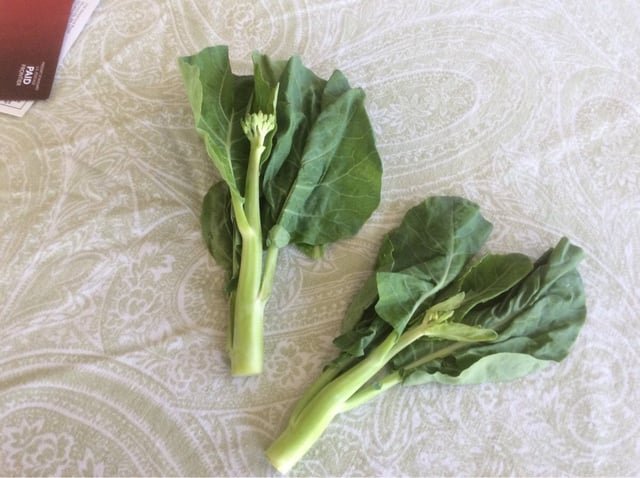
 Fresh choy sum (left, with small yellow flowers) and gai lan (right, with thick stems and white blooms) at a local Asian grocery market.
What Is Choy Sum?
Choy sum, sometimes called Chinese flowering cabbage, is a fast-growing Brassica vegetable that has been a staple in Chinese cooking for thousands of years. Its name translates literally to “vegetable heart” in Cantonese, referencing its tender, edible stems and young leaves. It’s a popular pick for home gardeners and busy home cooks alike, thanks to its short growing cycle and fast cook time.
Appearance & Texture
Fresh choy sum has slender, 4-6 inch long bright green stems, topped with small, vibrant yellow flower buds and smooth, oval-shaped leaves. The stems are crisp and tender when raw, with a thin, edible skin that does not require peeling for young stalks. When cooked quickly over high heat, the stems stay slightly crunchy, while the leaves turn soft and silky. Overcooking will cause the leaves to turn mushy and the stems to lose their crisp bite entirely.
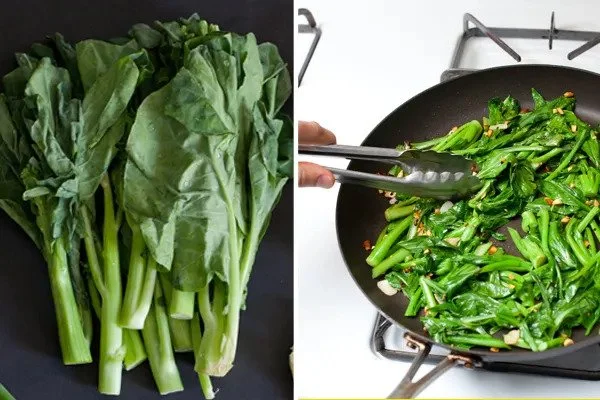 Young choy sum harvested at peak tenderness, before stems become woody.
Flavor Profile
Choy sum has a mild, fresh, slightly sweet flavor with no bitterness, and a subtle grassy note that pairs well with light, aromatic seasonings. The sweetness is most pronounced in young, freshly harvested stalks, while older choy sum can develop a faint peppery bite as the stems mature. Its delicate flavor means it won’t overpower other ingredients in soups, stir-fries, or cold salads, making it a versatile addition to a wide range of dishes.
Nutritional Benefits
A 1-cup serving of cooked choy sum (about 90g) is extremely low in calories, with just 20 calories per serving, and packed with essential micronutrients:
- Over 200% of the daily recommended intake (DV) of vitamin K, which supports bone health and blood clotting
- 70% of the DV of vitamin C, an antioxidant that supports immune function and skin health
- 30% of the DV of vitamin A, critical for vision and immune response
- 4g of dietary fiber, which supports healthy digestion
- Small amounts of calcium, iron, and folate, making it a great pick for plant-based diets
Both greens rank among the most nutrient-dense leafy vegetables available, per USDA Agricultural Research Service nutrient data. Choy sum is also a good source of glucosinolates, compounds linked to reduced inflammation and improved cellular health in preliminary research.
Common Culinary Uses
Choy sum’s quick cook time and mild flavor make it ideal for dishes where you want a tender, fresh green without a strong bitter note. Classic preparations include:
- Quick 2-3 minute stir-fries with garlic, ginger, and oyster sauce
- Added to hot and sour soup or wonton soup in the last 30 seconds of cooking to stay crisp-tender
- Blanched and served cold with a sesame-soy dressing as a side dish
- Tossed into noodle dishes or fried rice right before serving to warm through
A common mistake home cooks make is overcooking choy sum, which causes it to turn soggy and lose its bright green color — stick to a maximum of 3 minutes of cook time over high heat for best results.
What Is Gai Lan?
Gai lan, also known as Chinese broccoli or Chinese kale, is a robust Brassica vegetable that has been cultivated in southern China for over 2,000 years. It is a staple in Cantonese cuisine, often served steamed with oyster sauce as a simple, flavorful side dish. A close relative of common broccoli and kale, gai lan has a longer growing cycle and thicker, more durable stems than choy sum.
Appearance & Texture
Gai lan has thick, 6-8 inch long, glossy dark green stems, large, flat blue-green leaves, and small, edible white flower buds that appear when the plant is mature. The stems are firm and crunchy when raw, with a tough outer layer that many cooks peel off for older stalks to avoid a fibrous texture. When cooked properly, the stems are tender-crisp, while the leaves turn silky and soft. Undercooked stems will be tough and chewy, so they require slightly longer cooking than choy sum.
Flavor Profile
Gai lan has a distinct, slightly bitter, earthy flavor with subtle sweet undertones, and a mild, fresh aroma when cooked. The bitterness is most pronounced in the stems and mature leaves, while young, tender stalks have a much milder taste. Its bold flavor holds up well to rich, savory sauces like hoisin, oyster sauce, and garlic chili, making it a popular choice for heartier dishes.
Nutritional Benefits
Per standard serving sizes, 1 cup of cooked gai lan (about 100g) contains:
- 15% of the DV of calcium, important for bone and muscle health
- 10% of the DV of iron, critical for oxygen transport in the blood
- 120% of the DV of vitamin C, an antioxidant that supports immune function
- 8% of the DV of vitamin A, for vision and skin health
- 5g of dietary fiber, which supports healthy digestion and gut health
Gai lan also contains higher levels of glucosinolates than choy sum, compounds that preliminary research links to reduced cancer risk, though more human studies are needed to confirm this effect.
Common Culinary Uses
Gai lan’s robust texture and bold flavor make it ideal for dishes that can stand up to its distinct taste:
- Steamed whole and drizzled with oyster sauce or soy sauce as a simple side dish
- Stir-fried with garlic, ginger, and beef or pork for a hearty main course
- Added to hot pot or noodle soups, where its stems retain a pleasant crunch even after 5+ minutes of simmering
- Tossed with sesame oil and chili flakes as a cold salad side
A common mistake is cutting the stems and leaves at the same time when cooking: add the chopped stems to the pan first, cook for 2 minutes, then add the leaves to avoid overcooked, mushy greens and undercooked, tough stems.
Growing Choy Sum vs Gai Lan At Home
Both greens are easy to grow for home gardeners, even in small container plots, as long as you meet their basic growing requirements.
Climate & Soil Needs
Both greens thrive in cool to moderate climates, but have slightly different temperature tolerances:
- Choy sum grows best in temperatures between 55°F and 70°F, and will bolt (go to seed) quickly if exposed to sustained temperatures above 75°F. It’s ideal for spring and fall planting in most regions, and can even tolerate light frost, which can actually sweeten the stems slightly.
- Gai lan is slightly more heat-tolerant, thriving in temperatures between 60°F and 80°F, but will bolt in prolonged heat above 85°F. It’s a great pick for summer planting in cooler climates, or spring/fall planting in warmer regions.
For both varieties, choose a spot in your garden with full sun (6+ hours of direct light per day) and well-draining, fertile soil rich in organic matter. A soil pH between 6.0 and 7.5 is ideal for nutrient uptake. Amend poor soil with 2-3 inches of compost before planting to boost fertility and drainage. Avoid planting either green in soil that recently grew other Brassica crops (like broccoli, cabbage, or kale) to reduce risk of soil-borne disease and pest pressure.
For home growers, the University of Minnesota Extension recommends well-draining, fertile soil for both varieties to avoid common growing issues University of Minnesota Extension.
Planting & Harvest Timeline
Choy sum has a fast growing cycle: seeds germinate in 3-5 days, and plants are ready to harvest 30-45 days after planting, depending on the variety. Sow seeds 1/4 inch deep, spaced 2 inches apart in rows 12 inches apart. Thin seedlings to 6 inches apart once they reach 2 inches tall to allow room for stem growth. For a continuous harvest, sow new seeds every 2-3 weeks during the growing season.
Gai lan has a longer growing cycle: seeds germinate in 4-7 days, and plants are ready to harvest 50-70 days after planting. Sow seeds 1/2 inch deep, spaced 4 inches apart in rows 18 inches apart. Thin seedlings to 12 inches apart once they reach 3 inches tall, as gai lan grows larger and bushier than choy sum.
For both greens, harvest when stems are firm and leaves are bright green, before flower buds fully open for the best flavor and texture. Cut the entire plant 1-2 inches above the soil line, or snip off just the top 3-4 inches of the stem to encourage a second, smaller harvest a few weeks later.
Common Growing Pests & Fixes
Both greens are susceptible to common Brassica pests, including aphids, flea beetles, and cabbage worms. To reduce pest pressure without harsh chemicals:
- Use row covers on young plants to keep pests away
- Spray aphid infestations with a mild mix of water and dish soap
- Handpick cabbage worms and flea beetles early in the morning when they are most active
- Rotate crops each year, avoiding planting Brassicas in the same spot for 3+ years to reduce soil-borne disease risk
A common mistake new growers make is overwatering, which leads to root rot and bolting: stick to 1 inch of water per week, either from rain or irrigation, and water at the base of the plant to keep leaves dry and reduce disease risk.
Best Cooking Methods For Each Green
Proper cooking is the key to avoiding mushy, bitter greens and bringing out the best flavor and texture of each variety.
Prep Basics
No matter which green you choose, start by washing the greens thoroughly in cold water to remove dirt and debris, then trim off the tough, fibrous bottom 1-2 inches of the stems (this part is inedible for both varieties, but especially tough for mature gai lan). For gai lan, peel the outer layer of thick, mature stems with a vegetable peeler to remove fibrous skin, if desired. Always start by prepping your greens on a properly sanitized cutting board to avoid cross-contamination with other ingredients. Pat greens dry with a clean towel before cooking to avoid sogginess, especially for stir-fries.
Choy Sum Cooking Tips
Choy sum’s delicate texture means it cooks very quickly, and overcooking will make it mushy and dull in color. Follow these tips for perfect results every time:
- For stir-fries: Heat 1 tablespoon of high-smoke-point oil (like avocado or peanut oil) in a wok or heavy-bottomed pan over medium-high heat. Add minced garlic and ginger, cook for 10 seconds until fragrant, then add choy sum and stir-fry for 2-3 minutes until crisp-tender and bright green. Season with 1 tablespoon of soy sauce, 1 teaspoon of oyster sauce, and a pinch of sugar, then toss to coat and serve immediately.
- For steaming: Place choy sum in a steamer basket over boiling water, cover, and steam for 3-4 minutes until tender-crisp. Drizzle with sesame oil and a sprinkle of salt before serving.
- For cold dishes: Blanch in boiling water for 30 seconds, then shock in ice water to lock in bright color. Toss with a dressing of soy sauce, rice vinegar, sesame oil, and minced garlic for a fresh, crisp side.
Gai Lan Cooking Tips
Gai lan’s thicker stems require slightly longer cooking to tenderize, but overcooking will make the leaves mushy and the stems soggy. Follow these steps for perfect texture:
- For stir-fries: Heat oil in a wok over medium-high heat, add minced garlic and a pinch of salt, then add chopped gai lan stems first. Cook for 2 minutes, stirring frequently, then add the leaves and cook for another 2-3 minutes until the stems are tender-crisp and leaves are bright green. Season with 1 tablespoon of soy sauce, 1 teaspoon of hoisin sauce, and a drizzle of sesame oil.
- For steaming: Place whole gai lan stalks in a steamer basket over boiling water, cover, and steam for 5-7 minutes until stems are tender when pierced with a fork. Drizzle with oyster sauce and a sprinkle of fried garlic for a classic Cantonese side dish.
- For soups and noodle dishes: Add chopped gai lan to boiling broth 3-4 minutes before serving, so the stems have time to tenderize without turning mushy.
Flavor Pairing Ideas
Both greens pair well with a range of flavors, but their distinct profiles work best with different ingredients:
- Choy sum pairs best with light, fresh flavors: garlic, ginger, oyster sauce, soy sauce, shrimp, chicken, tofu, and citrus. It works well in delicate soups, cold salads, and quick weeknight stir-fries where you don’t want the green to overpower other ingredients.
- Gai lan pairs best with bold, savory flavors: garlic, chili, hoisin sauce, beef, pork, mushrooms, and fermented bean paste. It stands up well to rich sauces, hot pot broths, and hearty noodle dishes, and its slight bitterness cuts through rich, fatty proteins.
For an easy weeknight meal, pair your cooked greens with a side of roasted shishito peppers for a smoky, mildly spicy contrast.
How To Choose Between Choy Sum and Gai Lan
There’s no universal “better” option between the two greens — the right pick depends on your cooking needs, nutritional goals, and what’s available at your local market.
Match To Your Dish
The easiest way to choose is to think about what you’re cooking:
- Pick choy sum if you’re making a quick stir-fry, light soup, cold salad, or dish with delicate flavors like seafood or tofu. Its mild sweetness and fast cook time make it a no-fuss addition to weeknight meals.
- Pick gai lan if you’re making a hearty stir-fry with beef or pork, a steamed side dish, hot pot, or noodle soup. Its robust texture and slightly bitter flavor hold up well to bold sauces and longer cooking times, and it adds a satisfying crunch to dishes. You can use them interchangeably in most recipes, but adjust cook time: add choy sum 2-3 minutes later than gai lan to avoid overcooking it.
Align With Nutritional Goals
Both greens are extremely nutritious, low-calorie options, but they have slightly different micronutrient profiles:
- Choose choy sum if you’re looking to boost your vitamin K intake: it has nearly double the vitamin K of gai lan per serving, which supports bone health and blood clotting, especially for people on blood thinners who need to monitor their vitamin K intake.
- Choose gai lan if you’re looking to boost your calcium and iron intake: it has 60% more calcium per serving than choy sum, making it a great pick for people following plant-based diets who need non-dairy sources of calcium, and it also has higher iron content to support healthy blood cells. Both greens are low in calories, high in fiber, and suitable for keto, vegan, gluten-free, and low-FODMAP diets (in 1-cup servings), so either is a healthy addition to your meal plan.
Factor In Availability & Budget
In most regions with large Asian populations, both greens are available year-round at Asian grocery stores, and are increasingly found in the international produce section of mainstream supermarkets. However, availability and price can vary:
- Choy sum is more widely available in North America and Europe, as it grows faster and is easier to transport without wilting. It typically costs $2-$3 per bunch, and has a shorter shelf life: store it in the crisper drawer of your fridge wrapped in a damp paper towel, and use within 2 days of purchase for best flavor.
- Gai lan is slightly more expensive, typically $3-$4 per bunch, and is more seasonal, with peak availability in cooler months (fall to early spring) when it grows best. It has a longer shelf life than choy sum, and will stay fresh for 3-4 days when stored properly in the crisper drawer. If you’re on a tight budget, choy sum is usually the more affordable pick, and its fast cook time makes it a great option for quick, cheap weeknight meals.
 Pre-cut bunches of both greens, ready for immediate use in home cooking.
Storage & Prep Tips To Reduce Waste
To get the most out of your greens and reduce food waste, follow these simple guidelines:
- Store unwashed greens in a perforated plastic bag or wrapped in a damp paper towel in the crisper drawer of your fridge. Do not wash them until you’re ready to use them, as excess moisture will cause them to wilt faster.
- Store leftover cooked greens in an airtight container in the refrigerator for up to 3 days, and keep your fridge organized with under-sink storage hacks to free up space for fresh produce. Reheat them gently in a pan over low heat or in the microwave for 30 seconds to avoid sogginess.
- If you have extra fresh greens you won’t use in time, blanch them in boiling water for 1 minute, shock them in ice water, drain thoroughly, and store in a freezer-safe bag for up to 3 months. They’re perfect for adding to soups and stir-fries later.
- After prepping and cooking, wipe down your counters and follow kitchen sink care best practices to remove any lingering vegetable residue or odors.
Frequently Asked Questions
What are the main differences between choy sum and gai lan?
The core differences come down to texture, flavor, and cook time: choy sum has slender, tender stems, small yellow flowers, and a mild, sweet flavor with no bitterness, and cooks in 2-3 minutes. Gai lan has thick, crunchy stems, small white flowers, and a slightly bitter, earthy flavor, and requires 4-5 minutes of cook time to tenderize its stems. Botanically, they belong to different Brassica species, which drives their distinct structural and flavor differences.
Which is healthier: choy sum or gai lan?
Both are extremely nutritious, low-calorie options, but they have different strengths: choy sum has significantly more vitamin K per serving, which supports bone health, while gai lan has more calcium and iron, making it a better pick for people looking to boost their mineral intake. Either is a great addition to a balanced diet, and eating a variety of leafy greens is the best way to get a wide range of nutrients.
Can you eat the flowers of choy sum and gai lan?
Yes, the small yellow (choy sum) or white (gai lan) flower buds are fully edible and have a mild, slightly sweet flavor. They’re often left on the plant when harvesting for peak tenderness, and add a pop of color and subtle flavor to stir-fries and side dishes.
Can you eat choy sum and gai lan raw?
Yes, both can be eaten raw, though their textures are better suited to cooking for most people. Young, tender choy sum works well in cold salads, while gai lan’s thicker, firmer stems are better cooked to avoid a tough, fibrous texture. If eating raw, make sure to wash the greens thoroughly to remove any dirt or debris.
How do you store fresh choy sum and gai lan to make them last longer?
Store unwashed greens in a perforated plastic bag or wrapped in a damp paper towel in the crisper drawer of your fridge. Choy sum will stay fresh for 2-3 days, while gai lan will last 3-4 days. Do not wash them until you’re ready to use them, as excess moisture will cause wilting and spoilage faster.
Can you substitute choy sum for gai lan in recipes?
Yes, you can substitute them in most recipes, but you’ll need to adjust cook time: if a recipe calls for gai lan and you’re using choy sum, add the choy sum 2-3 minutes later in the cooking process to avoid overcooking. The flavor will also be slightly different: choy sum is milder and sweeter, so it will lack the subtle bitterness that gai lan adds to dishes.
Final Verdict: Which Green Should You Buy?
There’s no universal “better” option between choy sum and gai lan — the right pick depends entirely on what you’re cooking, your nutritional needs, and what’s available at your local market.
If you’re looking for a quick-cooking, mild, sweet green for weeknight stir-fries, soups, or salads, choy sum is your best bet. If you want a robust, slightly bitter green that holds up to bold sauces, longer cooking times, and hearty dishes, gai lan is the way to go. For the best flavor, buy greens that are bright green, with firm, unbruised stems and no yellowing or wilting leaves. If you’re feeling adventurous, buy a bunch of each and do a side-by-side taste test: stir-fry both with garlic and soy sauce, and see which flavor and texture you prefer.
Ready to test out your new knowledge? Pick up a bunch of each at your local Asian market this week, and try a simple garlic stir-fry with both to taste the difference for yourself. For more easy, veggie-forward weeknight recipes, browse our full library of home cooking guides.

I’m Abby Lu, a passionate home cook who loves simplifying everyday meals. At PlugChef.com, I share product reviews and cooking guides to help you find the best tools for your kitchen.
Related posts:
 First Aid Kit Empty Bag: Essential Tips to Restock Quickly
 Food Posters for Kitchen: Stunning Designs to Elevate Your Space
 First Aid Kit for Motorcycle: Essential Gear for Safe Riding
 Vintage Johnson And Johnson First Aid Kit: Timeless Health Essential
 First Aid Kit Fsa Eligible: Essential Items You Can Buy Today
 How to Use Lemon Pesto: Easy Recipes to Boost Flavor Quickly

