
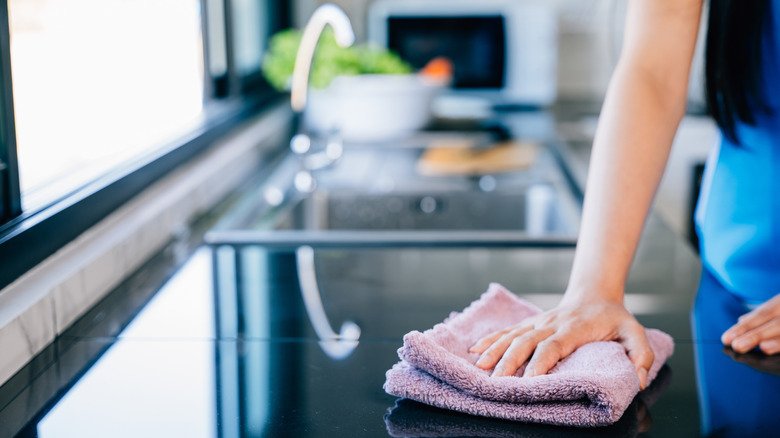
Your kitchen towels work hard every day, soaking up spills, drying dishes, and keeping your hands clean. But when was the last time you gave them a proper wash?
Dirty towels can harbor germs and odors, making your kitchen less hygienic than you think. If you want fresh, clean towels that smell great and last longer, you need to know the right way to clean them. Keep reading, and you’ll discover simple, effective tips to keep your kitchen towels spotless and ready for any mess.
Credit: en.brilio.net
Choosing The Right Towels
Choosing the right kitchen towels can make a big difference in how effectively you clean and dry your kitchen surfaces. The material and texture of your towels affect absorbency, durability, and how easy they are to maintain. Think about what you need most from your towels—whether it’s quick drying, heavy-duty scrubbing, or gentle wiping.
Material Matters
Not all kitchen towels are created equal. Cotton towels are popular because they absorb water well and are easy to wash. However, linen towels dry faster and resist odors, which can be a game-changer if you use your towels multiple times a day.
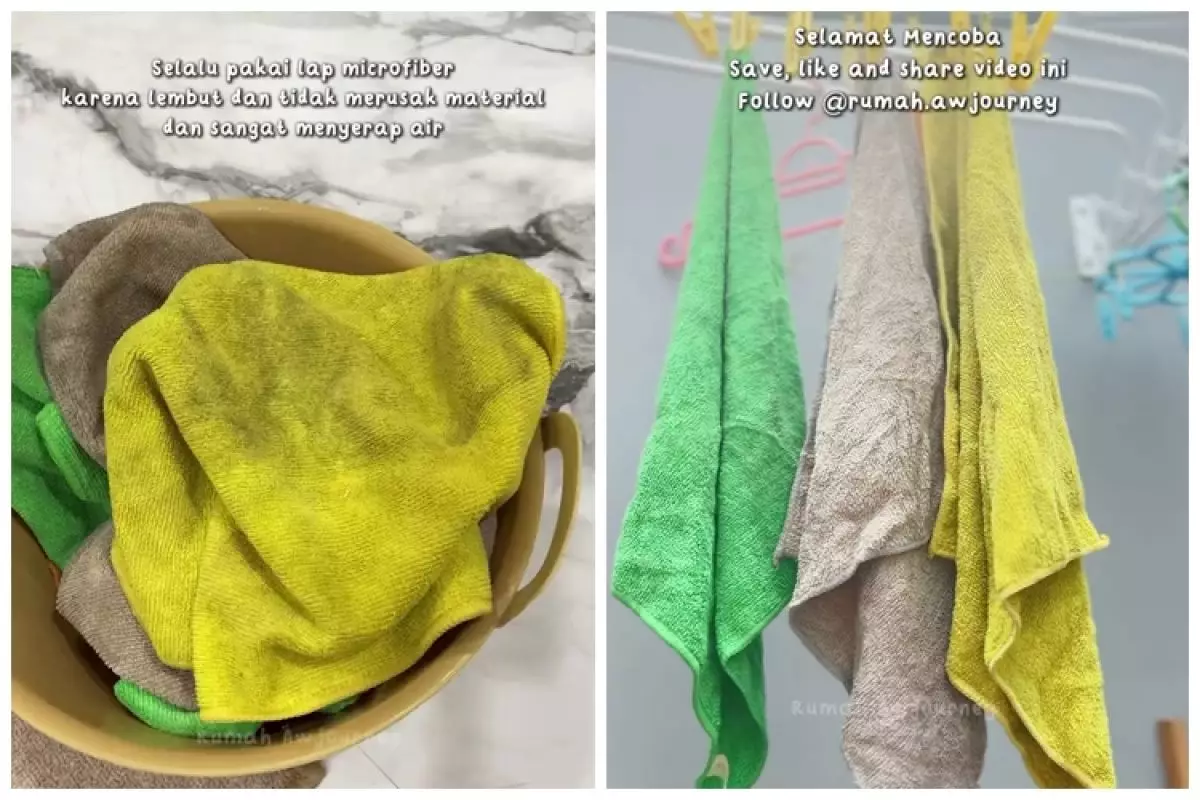
Microfiber towels are another option, especially if you want to avoid lint. They are great for wiping surfaces without leaving streaks. But be careful—some microfiber towels can trap grease, so they may need special washing.
Ask yourself: do you prefer natural fibers or synthetic ones? Your choice affects how your towels feel and perform daily. It also impacts how you clean them to keep them fresh.
Towel Thickness And Weave
The thickness of your kitchen towel influences its absorbency and drying time. Thicker towels soak up more spills but take longer to dry, which might lead to mildew if not dried properly. Thin towels dry quickly but might require more frequent use.
The weave of the towel also matters. Waffle weaves trap water in their pockets, making them very absorbent and quick to dry. Terry cloth towels have loops that hold more water but can take longer to air out.
Consider how often you use your towels and your kitchen environment. If your kitchen is humid, a thinner, waffle-weave towel might be better. Do you need a towel that can handle heavy spills or just light drying? Your answer guides you to the perfect towel.
Washing Frequency Tips
Keeping kitchen towels fresh and clean requires the right washing routine. Towels absorb spills, grease, and germs daily. Washing them often helps avoid bad smells and bacteria buildup. Understanding how often to wash towels improves kitchen hygiene and keeps fabrics soft.
Daily Use Guidelines
Change kitchen towels every two to three days. Towels used for drying hands or dishes need frequent washing. For heavy use, wash them after one day. Use hot water to kill germs effectively. Avoid letting towels sit damp for long times. Hang them in a well-ventilated area to dry fast.
Handling Stains Quickly
Act fast on stains to prevent permanent marks. Rinse stains under cold water immediately. Apply a small amount of detergent directly to the stain. Let it soak for 10 to 15 minutes before washing. For tough stains, use natural stain removers like lemon juice or baking soda. Wash the towel soon after treating the stain to keep it clean.
Effective Washing Techniques
Cleaning kitchen towels effectively goes beyond just tossing them in the wash. The right washing techniques can remove stubborn stains, kill bacteria, and keep your towels soft and absorbent. Let’s look at practical ways you can boost your towel-cleaning routine for the best results.
Using Hot Water Safely
Hot water is great for killing germs and breaking down oils on kitchen towels. However, not all fabrics can handle high temperatures without shrinking or fading.
Check the care label on your towels before washing them in hot water. If they are cotton or a cotton blend, hot water usually works well. For delicate fabrics, use warm or cold water to avoid damage.
Have you noticed your towels losing their fluffiness after hot washes? Try using hot water only for heavily soiled towels and cooler water for regular cleaning to preserve their texture.
Choosing The Best Detergents
Picking the right detergent can make a huge difference in how clean your kitchen towels get.
Look for detergents that are designed to cut through grease and food stains without leaving residue. Liquid detergents often dissolve better in water, especially in colder washes.
Consider using a detergent with enzymes if your towels are covered with protein-based stains like egg or dairy. This helps break down the stains more effectively.
Adding Natural Cleaning Boosters
Natural boosters can enhance your detergent’s power and keep your towels fresh without harsh chemicals.
- Baking soda:Add half a cup to the wash to neutralize odors and soften fabrics.
- White vinegar:Use half a cup in the rinse cycle to break down detergent residue and brighten colors.
- Lemon juice:Mix with water to pre-treat tough stains before washing.
I once added vinegar to my towel rinse, and the difference was immediate—no more stiff towels or leftover soap smell. Have you tried any natural boosters in your laundry? They might just surprise you.

Credit: us.amazon.com
Removing Tough Odors And Stains
Removing tough odors and stains from kitchen towels can be challenging. Regular washing might not fully clear strong smells or stubborn marks. Using natural ingredients helps refresh and clean towels deeply. These methods are safe, easy, and effective for any kitchen towel.
Baking Soda Solutions
Baking soda is great for neutralizing odors and lifting stains. Add half a cup of baking soda to your washing machine along with detergent. It softens water and breaks down grease and food stains. For extra stain removal, make a paste with baking soda and water. Apply it on the stain and let it sit for 15 minutes before washing.
Vinegar Rinses
White vinegar helps remove odors and kills bacteria. Add one cup of white vinegar to the rinse cycle of your washing machine. Vinegar dissolves soap residue and brightens towels. Avoid mixing vinegar with bleach or baking soda in the same cycle. Vinegar also helps keep towels soft without fabric softeners.
Sun Drying Benefits
Drying kitchen towels in direct sunlight offers natural freshening power. Sunlight kills bacteria and reduces odors. It also helps fade stubborn stains naturally. Hang towels outside on a sunny day for a few hours. This method refreshes towels and saves energy compared to machine drying.
Drying And Storing Towels
Drying and storing kitchen towels properly keeps them fresh and clean. Wet towels can develop bad smells and germs quickly. Choosing the right drying method and storing towels well extends their life. It also keeps your kitchen more hygienic.
Optimal Drying Methods
Dry towels fully before storing to avoid dampness. Use natural sunlight when possible. Sunlight helps kill bacteria and dries towels quickly. If drying indoors, spread towels out on a rack. Avoid folding damp towels as it traps moisture. Use a dryer on a low heat setting for fast drying. Remove towels as soon as they are dry to prevent wrinkles.
Preventing Mildew
Keep towels dry to stop mildew growth. Hang towels separately after use to air out. Avoid leaving wet towels in a pile or a laundry basket. Wash towels often to remove bacteria and smells. Use vinegar or baking soda in the wash to kill mildew spores. Check towels for any musty smell before reuse. Replace old towels that smell bad even after washing.
Proper Storage Practices
Store towels in a clean, dry place. Use open shelves or baskets for good air flow. Avoid storing towels in plastic bags or sealed containers. Fold towels neatly to save space and keep order. Rotate towels so all get used evenly. Label storage areas to keep towels organized. Keep towels away from kitchen heat sources to avoid dampness.
Maintaining Towel Hygiene Between Washes
Keeping your kitchen towels fresh and hygienic between washes can seem challenging, but a few smart habits make a big difference. Towels often harbor bacteria and odors if left damp or misused, which impacts your kitchen’s cleanliness. Maintaining towel hygiene regularly helps you avoid unwanted smells and potential cross-contamination risks.
Quick Refresh Techniques
If you notice your towel smells a bit off or feels damp, don’t wait for the next wash cycle to fix it. Hang your towel in a well-ventilated spot after each use to dry thoroughly. Damp towels breed bacteria quickly, so air circulation is your first defense.
Another handy trick is to spritz your towel with a mixture of water and a few drops of white vinegar or lemon juice. This natural deodorizer kills germs and freshens the fabric without needing a full wash. Have you tried placing your towels in the sun for a quick refresh? Sunlight acts as a natural sanitizer and can reduce odor effectively.
Avoiding Cross-contamination
One of the biggest mistakes is using the same towel for multiple kitchen tasks. You might be wiping your hands and then drying dishes with the same towel—this spreads bacteria around rather than containing it. Assign specific towels for different purposes to keep germs in check.
For example:
- Use one towel exclusively for drying hands.
- Reserve another towel for drying dishes or countertops.
- Keep a separate towel handy for cleaning spills or wiping raw food messes.
Do you ever pause to think about what your towel last touched? Keeping this in mind helps you avoid accidental contamination. If a towel touches raw meat juices or dirty surfaces, toss it into the laundry immediately. This habit helps protect your family from foodborne illnesses.
When To Replace Kitchen Towels
Kitchen towels need regular washing to stay clean and fresh. Replace them when stains and smells don’t go away after washing. Proper cleaning removes germs and keeps towels safe for daily use.
Knowing when to replace your kitchen towels is crucial for maintaining hygiene and efficiency in your kitchen. While it might be tempting to hold onto them until they’re threadbare, old towels can harbor bacteria and lose their absorbency. As you assess your kitchen towels, consider both the visible signs of wear and tear and the less obvious safety considerations.Signs Of Wear And Tear
Kitchen towels work hard every day, and over time, they show it. Look for frayed edges, thinning fabric, or holes that suggest it’s time to let go. Colors fading and persistent stains can also be indicators that your towels have outlived their usefulness. A towel that’s lost its absorbency won’t be as effective and can lead to more mess than it cleans.Safety Considerations
Towels that have been around for a while can become breeding grounds for bacteria, especially if they’re constantly damp. This poses a risk not just to cleanliness, but to your health. Consider the unpleasant smell that sometimes lingers even after washing—it’s a sign that your towels aren’t as clean as they appear. Ask yourself, is it worth the risk of spreading bacteria and germs in your kitchen? Regularly evaluate your kitchen towels, and don’t hesitate to replace them when necessary. It’s an easy step to ensure your kitchen remains a safe and efficient space. Remember, fresh towels not only enhance hygiene but also add a touch of freshness to your kitchen.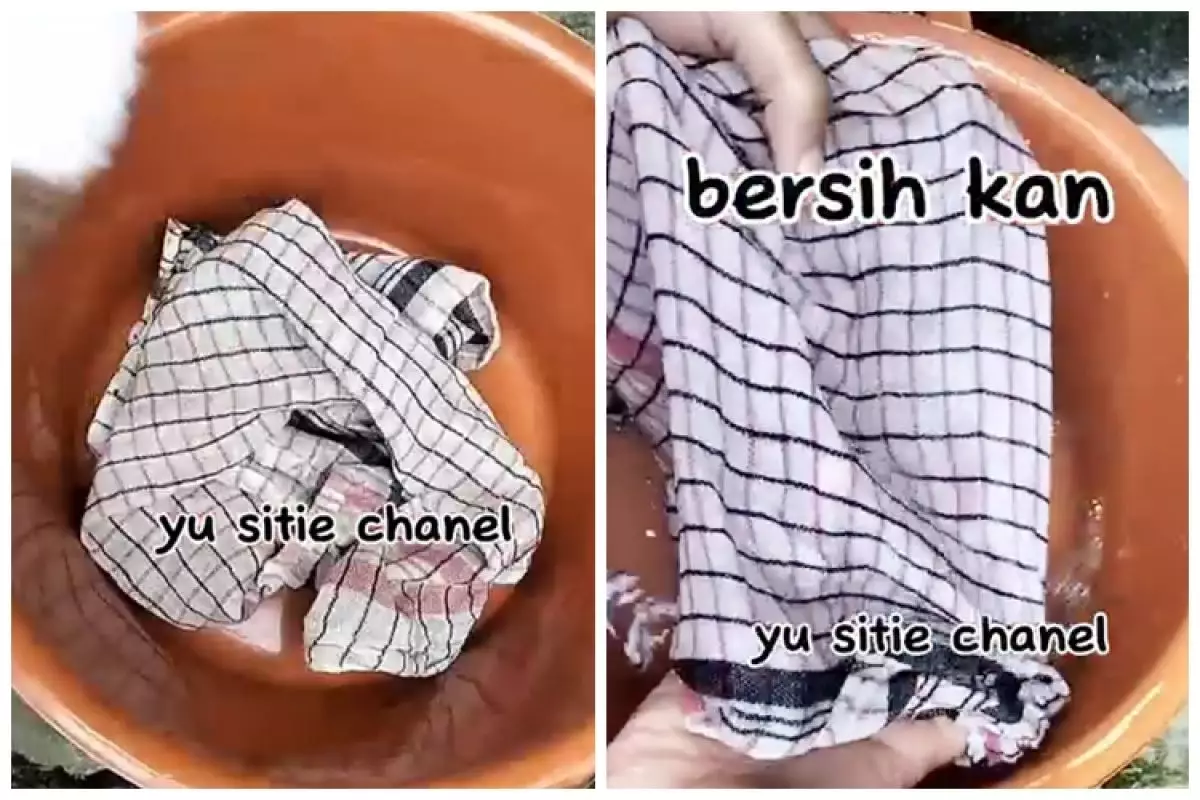
Credit: en.brilio.net
Frequently Asked Questions
How Often Should I Wash Kitchen Towels?
Wash kitchen towels after every 2-3 uses to prevent bacteria buildup. Frequent washing keeps them fresh and hygienic. Use hot water for effective cleaning and odor removal.
What Is The Best Detergent For Cleaning Kitchen Towels?
Use a strong detergent designed for heavy-duty cleaning. Choose one with stain-fighting enzymes to remove grease and food stains effectively. Avoid fabric softeners as they reduce absorbency.
Can I Use Bleach To Clean Kitchen Towels?
Yes, bleach can disinfect and whiten white towels. Use it sparingly and avoid on colored towels to prevent fading. Always dilute bleach properly and rinse towels thoroughly.
How Do I Remove Stubborn Stains From Kitchen Towels?
Pre-treat stains with a mixture of baking soda and water or use a stain remover. Let it sit for 15 minutes before washing. Hot water helps break down tough stains effectively.
Conclusion
Clean kitchen towels keep your cooking space fresh and safe. Regular washing removes germs and stains easily. Use hot water and a good detergent for best results. Avoid fabric softeners to keep towels absorbent. Dry towels completely to prevent odors and mildew.
Clean towels help maintain hygiene and brighten your kitchen. Small efforts lead to big improvements in kitchen care. Keep your towels fresh, and your kitchen will thank you. Simple steps make cleaning kitchen towels quick and easy.

Hi, I’m Daniel Brooks—a food lover and kitchen gear enthusiast. I enjoy testing cookware, utensils, and gadgets to see what really works in everyday cooking. At PlugChef.com, I share honest reviews, comparisons, and simple guides to help you choose the best tools for a safer, smarter, and more enjoyable kitchen.
Related posts:
 What Type of Cooking Utensils are Safe: Expert Picks
 What Innovations Could Blenders Make: Unleashing Future Tech
 Smart Strategies to Organize a Small Kitchen: Maximize Space
 How to Organize a Kitchen Cabinet: Expert Tips & Tricks
 How to Organize Kitchen Drawers: Expert Tips and Tricks
 How to Organize a Corner Kitchen Cupboard: Expert Tips

