
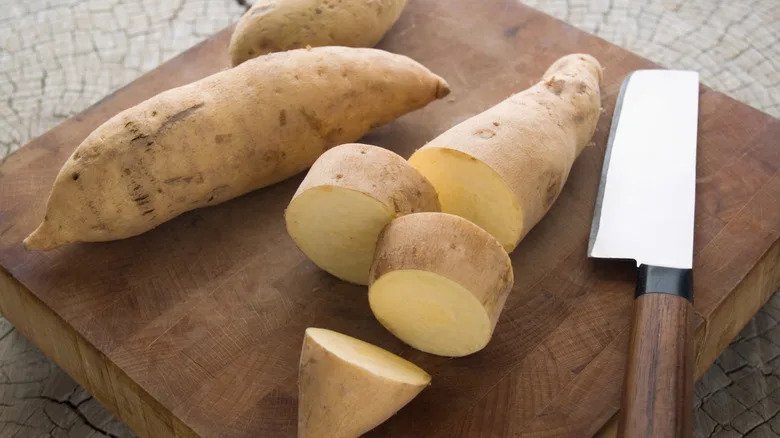
Have you ever wondered if sweet potatoes can be white? You’re probably used to seeing those bright orange ones at the store, but what if there’s more to sweet potatoes than just that color?
Knowing about different types of sweet potatoes can change the way you cook, eat, and enjoy them. Keep reading, and you’ll discover surprising facts that might just make you look at this humble vegetable in a whole new light. Your next meal could get a tasty twist you didn’t expect!

Credit: blog.blueapron.com
Sweet Potato Varieties
Sweet potatoes come in various colors and types, each offering unique flavors and textures. Understanding these varieties helps you choose the right sweet potato for your meals. Let’s dive into the colorful world of sweet potatoes and see if white sweet potatoes fit into the mix.
Common Colors Of Sweet Potatoes
Most people recognize sweet potatoes by their vibrant orange flesh, but they actually come in several colors. The most common are:
- Orange
- White or cream
- Purple
- Yellow
Each color has a different taste and nutritional profile. Orange varieties are rich in beta-carotene, while purple ones have antioxidants called anthocyanins. Have you ever noticed how different sweet potatoes taste depending on their color?
White Sweet Potato Types
White sweet potatoes are less common but still widely available. They have a pale, creamy flesh and a thinner skin compared to orange varieties. Popular types include:
- Hannah sweet potato – light skin and sweet, dry flesh
- Japanese sweet potato – reddish skin with white interior, slightly nutty flavor
- Garnet sweet potato – sometimes lighter varieties with white flesh
White sweet potatoes are often starchier and less sweet. You might enjoy their subtle flavor if you prefer a milder taste in your dishes.
Differences Between White And Orange Varieties
Orange and white sweet potatoes differ in more than just color. Orange varieties usually have a sweeter, moist texture, making them ideal for mashed dishes and desserts. White varieties tend to be drier and starchier, which holds up better in frying or roasting.
Nutrition also varies: orange sweet potatoes offer more vitamin A due to beta-carotene, while white ones have fewer sugars and slightly different fiber content. Knowing these differences can help you pick the best sweet potato for your recipe or health goals.
Credit: sowtrueseed.com
Appearance And Taste
Sweet potatoes come in many colors, including the less common white variety. These white sweet potatoes differ in both looks and taste from the orange ones. Understanding their appearance and flavor helps in choosing the right type for meals. Let’s explore how white sweet potatoes stand out.
Skin And Flesh Color Variations
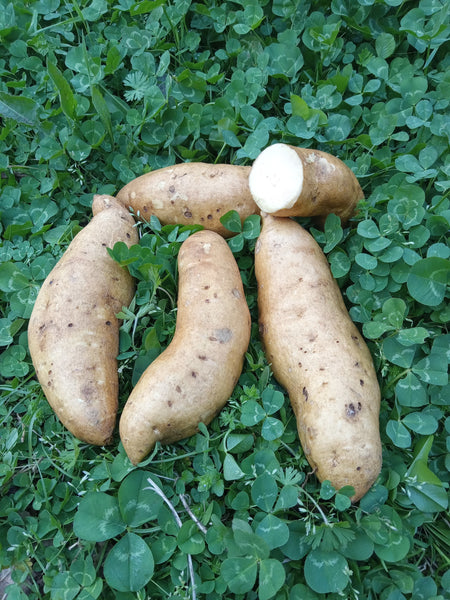
White sweet potatoes usually have pale skin, ranging from cream to light tan. Their flesh is often white or slightly yellowish, unlike the bright orange of traditional sweet potatoes. Some types may have a smooth skin, while others show a rough texture. These color differences help identify white sweet potatoes easily in stores or markets.
Flavor Profiles Of White Sweet Potatoes
White sweet potatoes taste milder and less sweet than orange ones. They have a subtle nutty flavor that some find more earthy. This gentle sweetness makes them ideal for savory dishes. Their flavor pairs well with herbs, spices, and strong sauces, making them versatile in cooking.
Texture Comparisons
The texture of white sweet potatoes is often drier and firmer than orange varieties. They hold their shape well after cooking, suitable for roasting or frying. Orange sweet potatoes tend to be softer and moister, perfect for mashing or baking. Choosing white sweet potatoes can add variety to your recipes with their unique texture.
Nutritional Value
Sweet potatoes come in various colors, including white. White sweet potatoes offer a unique nutritional profile. They are packed with essential nutrients beneficial for health. Let’s explore their nutritional value.
Key Nutrients In White Sweet Potatoes
White sweet potatoes contain important vitamins and minerals. They are rich in Vitamin C, which boosts immunity. Vitamin A supports vision and skin health. These potatoes also provide potassium, aiding heart function. Fiber content promotes digestion and helps maintain weight. They offer a moderate amount of carbohydrates for energy.
Comparison With Other Varieties
White sweet potatoes differ slightly from other varieties. Orange sweet potatoes have more beta-carotene. Beta-carotene converts to Vitamin A. White ones have less but still offer benefits. Both types contain similar amounts of fiber. Purple sweet potatoes have more antioxidants. Each variety offers unique health contributions.
Health Benefits
White sweet potatoes support overall well-being. Their fiber aids in digestion and prevents constipation. The potassium helps regulate blood pressure. Vitamin C strengthens the immune system. Vitamin A promotes healthy skin and vision. These potatoes provide a balanced energy source. They are a nutritious choice for a balanced diet.
Growing White Sweet Potatoes
Growing white sweet potatoes can be a rewarding experience, especially if you’re interested in diversifying your garden with unique varieties. These tubers have a mild, slightly nutty flavor and a firm texture that makes them stand out from the more common orange types. Understanding the specific needs of white sweet potatoes will help you achieve a healthy, bountiful harvest.
Ideal Growing Conditions
White sweet potatoes thrive in warm climates with plenty of sunlight. Make sure your soil is loose, well-drained, and rich in organic matter. Aim for a soil pH between 5.5 and 6.5 to keep your plants happy.
Plant slips after the last frost when the soil temperature reaches at least 65°F (18°C). Space the plants about 12 to 18 inches apart to give the tubers room to grow. Water consistently but avoid waterlogging, as soggy soil can cause root rot.
Common Challenges
One challenge you might face is pest damage, especially from sweet potato weevils and wireworms. Regularly check your plants for signs of chewing or holes in the leaves and use natural pest deterrents when possible.
Another issue is soil that stays too wet, which can stunt growth or lead to diseases. If you notice yellowing leaves or soft roots, it might be time to improve drainage or reduce watering.
Harvesting Tips
Knowing when to harvest is crucial. White sweet potatoes typically mature in 90 to 120 days after planting. Look for yellowing leaves as a sign that your tubers are ready.
Handle the roots gently during harvest to avoid bruising. Cure them by keeping them in a warm, humid place for about 10 days to enhance sweetness and improve storage life.
Have you tried growing white sweet potatoes before? Paying attention to these details can make a big difference in your garden’s success.
Cooking With White Sweet Potatoes
Cooking with white sweet potatoes opens up a world of subtle sweetness and creamy texture that you might not expect. Unlike their orange counterparts, white sweet potatoes have a milder flavor and a slightly firmer flesh, making them versatile in many dishes. If you’re curious about how to best prepare and enjoy them, here’s a guide to help you get started.
Popular Recipes
White sweet potatoes work beautifully in a variety of recipes. You can mash them with a touch of butter and garlic for a smooth, comforting side dish. Roasting them brings out their natural sweetness—try tossing cubes with olive oil, rosemary, and sea salt.
Another great option is to use them in soups or stews where their texture holds up well. Have you ever tried white sweet potato fries? They’re crisp on the outside and soft inside, a perfect alternative to regular fries.
Cooking Techniques
Boiling white sweet potatoes is quick and simple, perfect when you want to mash or puree them. Baking or roasting enhances their sweetness and creates a nice caramelized exterior. Keep an eye on them while roasting to avoid drying out the flesh.
Steaming preserves more nutrients and keeps the texture moist, ideal for salads or side dishes. You can also grill slices for a smoky flavor that contrasts nicely with their mild taste. What cooking method fits your style?
Flavor Pairings
White sweet potatoes pair well with herbs like thyme, sage, and rosemary. Spices such as cinnamon, nutmeg, and cumin add warmth without overpowering their delicate flavor. They balance well with tangy ingredients like lemon juice or yogurt, adding brightness to your dish.
For a richer taste, try combining them with cheeses like feta or goat cheese. Sweet potatoes also complement nuts such as pecans or walnuts, adding a satisfying crunch. Which flavors do you think will surprise your palate when paired with white sweet potatoes?

Credit: bivihome.com.au
Myths And Facts
Sweet potatoes come in a variety of colors, but the idea that they can be white often causes confusion. Separating myths from facts helps you understand what to expect when choosing and cooking these nutritious tubers. Let’s clear up common misunderstandings and uncover the truth behind white sweet potatoes.
Common Misconceptions
Many people assume that all sweet potatoes have orange flesh, leading to surprise when they encounter white varieties. The confusion often stems from mixing up sweet potatoes with yams, which are different despite frequent labeling errors in stores. Some believe white sweet potatoes lack the same sweetness or nutritional value as orange ones, but that’s not true.
White sweet potatoes tend to be less sweet and have a drier, firmer texture compared to their orange counterparts. This makes them ideal for certain recipes where a milder flavor or a more potato-like consistency is preferred. Have you ever wondered if the color influences cooking methods or taste? It certainly can.
Scientific Insights
Sweet potato colors come from pigments called carotenoids and anthocyanins. Orange sweet potatoes are rich in beta-carotene, which your body converts to vitamin A. White sweet potatoes contain fewer carotenoids but still offer fiber, vitamins, and minerals.
Scientific studies show white sweet potatoes may have higher levels of certain antioxidants, offering unique health benefits. This variation means you can tailor your diet depending on your nutritional goals. Understanding these differences helps you choose the right sweet potato for your meals.
Cultural Significance
White sweet potatoes hold important cultural value in various regions around the world. In Japan, for example, white-fleshed sweet potatoes are prized for their delicate flavor and are often used in traditional sweets. Meanwhile, in parts of Africa and the Caribbean, white varieties are staples in everyday cooking.
Knowing the cultural background of white sweet potatoes can enrich your cooking experience and appreciation. Have you tried dishes featuring white sweet potatoes from different cultures? It might inspire you to experiment beyond the familiar orange variety.
Frequently Asked Questions
Can Sweet Potatoes Be White In Color?
Yes, sweet potatoes can be white. There are varieties with creamy white flesh. These white sweet potatoes have a milder flavor and firmer texture compared to orange ones. They are nutritious and versatile in cooking.
What Causes Sweet Potatoes To Have White Flesh?
The color difference is due to varying pigment levels. White sweet potatoes lack beta-carotene, which gives orange varieties their color. Their starch and sugar content also differ, influencing taste and texture.
Are White Sweet Potatoes Healthier Than Orange Ones?
Both are healthy but differ nutritionally. Orange sweet potatoes have more beta-carotene, a vitamin A precursor. White ones contain slightly fewer antioxidants but provide fiber and essential nutrients too.
How Do White Sweet Potatoes Taste Compared To Orange Ones?
White sweet potatoes taste milder and less sweet. They have a drier, firmer texture. Orange varieties tend to be sweeter and softer when cooked.
Conclusion
Sweet potatoes can come in white, orange, and other colors. Each type has its own taste and texture. White sweet potatoes are less sweet but still nutritious. They work well in many recipes. Knowing about these varieties helps you choose the best for your meals.
Try different kinds to find your favorite. Sweet potatoes, no matter the color, make a healthy and tasty choice.

Hi, I’m Daniel Brooks—a food lover and kitchen gear enthusiast. I enjoy testing cookware, utensils, and gadgets to see what really works in everyday cooking. At PlugChef.com, I share honest reviews, comparisons, and simple guides to help you choose the best tools for a safer, smarter, and more enjoyable kitchen.
Related posts:
 What Type of Cooking Utensils are Safe: Expert Picks
 What Innovations Could Blenders Make: Unleashing Future Tech
 Smart Strategies to Organize a Small Kitchen: Maximize Space
 How to Organize a Kitchen Cabinet: Expert Tips & Tricks
 How to Organize Kitchen Drawers: Expert Tips and Tricks
 How to Organize a Corner Kitchen Cupboard: Expert Tips

