
Have you ever wondered what makes flat leaf parsley a favorite in kitchens around the world? If you’re someone who loves cooking or wants to add a fresh twist to your meals, understanding flat leaf parsley can change the way you use herbs forever.
This simple green leaf holds the power to brighten flavors and boost your dishes like nothing else. Keep reading, and you’ll discover why flat leaf parsley deserves a spot in your kitchen and how it can transform your cooking in the easiest way possible.
Flat Leaf Parsley Basics
Flat leaf parsley is a staple herb in many kitchens, prized for its fresh flavor and versatility. Understanding its basics helps you make better choices whether you’re cooking or gardening. Let’s break down what makes flat leaf parsley unique and how it stands out from other types.
Characteristics And Appearance
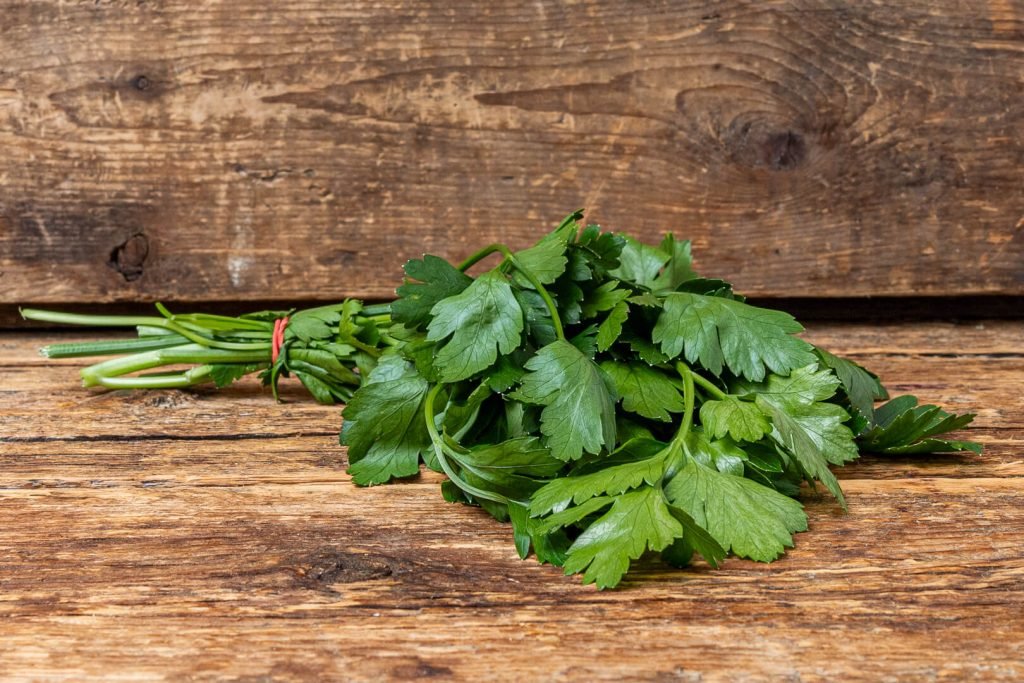
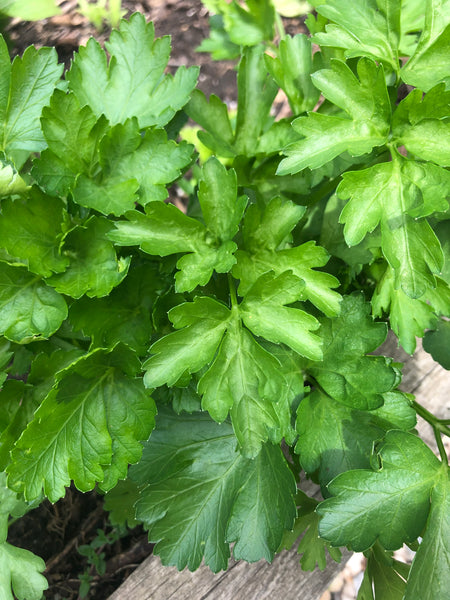
Flat leaf parsley has broad, flat leaves that look a bit like tiny, delicate feathers. The leaves are deep green and have a smooth texture, unlike some other parsley types that are curly or ruffled.
This parsley variety offers a bold, fresh flavor with a slight peppery note that brightens many dishes. Its aroma is clean and vibrant, making it easy to recognize.
Difference From Curly Parsley
Though both are called parsley, flat leaf and curly parsley differ in taste and look. Curly parsley has tightly curled, ruffled leaves and a milder, less intense flavor.
If you want a stronger herb taste that stands out in cooked meals, flat leaf parsley is usually the better choice. Curly parsley often works well as a garnish due to its decorative look but adds less flavor.
Common Varieties
- Italian Flat Leaf Parsley:The most common type used in cooking, known for its rich flavor and bright green leaves.
- Hamburg Parsley:Grown more for its edible root than its leaves, but the foliage is still flat and flavorful.
- Giant of Italy:A larger variety with broader leaves, ideal if you want more herb per stem.
Have you noticed how the right kind of parsley can change the whole vibe of a recipe? Try swapping curly parsley for flat leaf next time and see how the flavor lifts your dish.
Credit: prairiegardenseeds.ca
Nutritional Profile
Understanding the nutritional profile of flat leaf parsley can change how you view this humble herb. It’s more than just a garnish; it packs a surprising amount of nutrients that can benefit your health daily. Let’s look deeper into what makes flat leaf parsley a smart addition to your meals.
Key Vitamins And Minerals
Flat leaf parsley is loaded with essential vitamins and minerals that support your body’s functions. It is an excellent source of Vitamin K, crucial for blood clotting and bone health.
You’ll also find good amounts of Vitamin C and Vitamin A, which help boost your immune system and improve vision. Minerals like iron, calcium, and potassium are present too, aiding in everything from oxygen transport to muscle function.
Antioxidant Properties
One of flat leaf parsley’s standout features is its antioxidant content. It contains compounds like flavonoids and vitamin C that fight harmful free radicals in your body.
This can reduce inflammation and lower the risk of chronic diseases. Have you ever noticed how a sprinkle of parsley adds a fresh, vibrant taste? That freshness is partly due to these powerful antioxidants.
Calorie And Fiber Content
Despite its rich nutrition, flat leaf parsley is very low in calories, making it perfect for weight-conscious diets. Just a handful adds flavor without adding much energy.
Additionally, parsley contains dietary fiber that aids digestion and helps keep you feeling full longer. Next time you want to enhance a dish, ask yourself how adding parsley might boost both taste and nutrition.
Health Benefits
Flat leaf parsley is not just a flavorful herb. It also offers numerous health benefits. This leafy green is packed with essential nutrients that support well-being.
Supports Digestion
Flat leaf parsley aids in digestion. It contains enzymes that help break down food. This process ensures smoother digestion and reduces bloating. The herb also acts as a mild diuretic. This helps eliminate excess water and toxins from the body.
Boosts Immune System
Rich in vitamin C, flat leaf parsley strengthens the immune system. This vitamin is vital for fighting infections. It also helps the body repair tissues and absorb iron better. Thus, consuming parsley regularly keeps common illnesses at bay.
Anti-inflammatory Effects
Flat leaf parsley contains antioxidants like flavonoids. These compounds reduce inflammation in the body. Regular intake can help ease symptoms of inflammatory conditions. This includes arthritis and joint pain.
Promotes Heart Health
Parsley is beneficial for heart health. It contains folic acid, which reduces homocysteine levels. High homocysteine can harm blood vessels and increase heart disease risk. By lowering it, parsley supports a healthy heart.
Credit: www.gardenersbasics.com
Culinary Uses
Flat leaf parsley is a kitchen staple that adds a fresh, bright flavor to many dishes. Its clean, slightly peppery taste makes it versatile enough for a range of culinary uses. Whether fresh or dried, it can elevate the simplest meals or be the finishing touch on complex recipes.
Fresh And Dried Applications
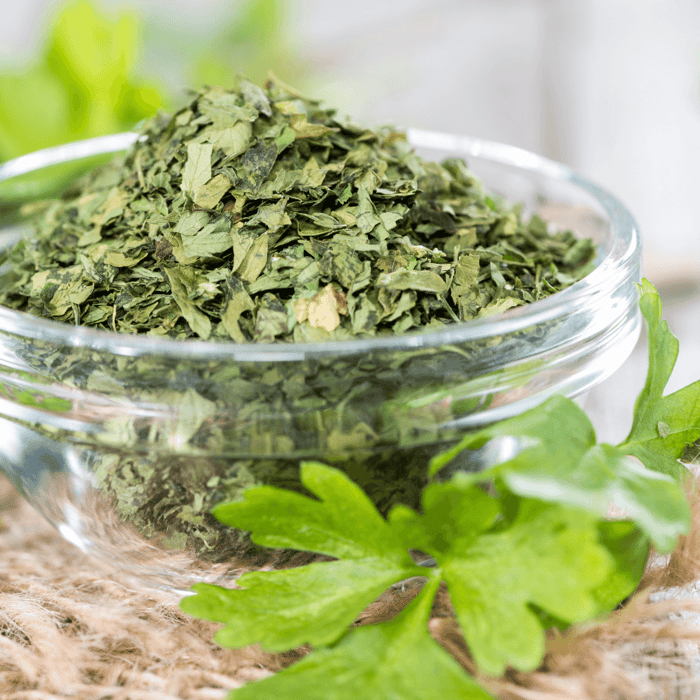
Fresh flat leaf parsley is often used as a garnish or mixed into salads for a burst of color and flavor. It holds up well when added at the end of cooking, preserving its vibrant taste and texture.
Dried parsley, while less intense, works well in soups, stews, and sauces where it can slowly release flavor. Have you noticed how a sprinkle of fresh parsley can brighten a dish immediately, while dried parsley quietly enhances depth over time?
Popular Recipes Featuring Parsley
- Tabbouleh:This Middle Eastern salad relies heavily on fresh parsley for its zesty, refreshing character.
- Chimichurri Sauce:Parsley is a key ingredient, blending with garlic and vinegar to create a bold, herbaceous sauce perfect for grilled meats.
- Garnishing Roasted Vegetables:A handful of chopped parsley adds a fresh contrast to roasted flavors.
Trying parsley in these dishes can give you a new appreciation for its ability to balance and brighten flavors.
Pairing With Other Ingredients
Parsley pairs wonderfully with garlic, lemon, and olive oil, making it a natural fit for Mediterranean dishes. It also complements tomatoes and onions, enhancing salads and salsas.
Think about how parsley works with rich ingredients like butter or cream to cut through heaviness and add freshness. Have you experimented with parsley alongside spices like cumin or coriander? It creates a layered taste that is both earthy and vibrant.
Growing Flat Leaf Parsley
Growing flat leaf parsley in your garden can be a rewarding experience. This herb not only adds fresh flavor to your dishes but also thrives well with the right care. Understanding how to provide the best environment and care will help you enjoy a healthy, vibrant parsley plant all season long.
Ideal Growing Conditions
Flat leaf parsley prefers a spot with partial to full sunlight. Aim for at least 4 to 6 hours of sunlight daily to keep it lush. The soil should be rich, well-draining, and slightly moist but not waterlogged.
Parsley grows best in soil with a pH between 6.0 and 7.0. Adding organic compost can improve soil fertility and texture. Avoid planting in areas where water tends to pool, as this can cause root rot.
Planting And Care Tips
Start parsley seeds indoors 6 to 8 weeks before the last frost date if you want an early harvest. Sow seeds about 1/4 inch deep and keep the soil consistently moist until they sprout. Thin seedlings to about 6 inches apart to give each plant room to grow.
Water parsley regularly, especially during dry spells, but do not let the soil become soggy. Mulching around the plants helps retain moisture and suppress weeds. Fertilize lightly every few weeks with a balanced, water-soluble fertilizer to encourage healthy growth.
Harvesting And Storage
You can start harvesting flat leaf parsley once the leaves are big enough to use, usually about 70 to 90 days after planting. Cut the outer stems at the base, allowing the inner stems to continue growing. This method keeps your plant productive for a longer time.
To store fresh parsley, wrap it loosely in a damp paper towel and place it in a plastic bag inside the refrigerator. Alternatively, you can freeze chopped parsley in ice cube trays with a bit of water or olive oil. Have you noticed how much fresher your dishes taste when using parsley picked just hours before cooking?

Credit: ctfo.ca
Potential Side Effects
Flat leaf parsley is a popular herb in many kitchens, valued for its fresh flavor and nutritional benefits. However, like any food, it comes with potential side effects that you should be aware of. Understanding these risks can help you enjoy parsley safely and avoid unwanted reactions.
Allergy Risks
Some people may experience allergic reactions to flat leaf parsley. Symptoms can include skin rashes, itching, or swelling around the mouth and throat.
If you notice any unusual reactions after eating parsley, stop using it immediately and consult a healthcare professional. Have you ever felt discomfort after trying a new herb? This could be an allergy, so it’s important to stay alert.
Interactions With Medications
Flat leaf parsley contains compounds that might interact with certain medications. For example, it can affect blood thinning drugs like warfarin, increasing the risk of bleeding.
It’s wise to talk to your doctor if you are on medication before adding large amounts of parsley to your diet. This simple step can prevent serious health problems.
Recommended Consumption Limits
Eating parsley in typical food amounts is generally safe for most people. However, consuming large quantities, especially in supplement form, can cause issues like stomach upset or kidney problems.
Try to keep your intake moderate—using parsley as a garnish or in small portions is enough to get its benefits without side effects. How much parsley do you usually add to your meals? Thinking about portion size can make a big difference.
Frequently Asked Questions
What Is Flat Leaf Parsley Used For In Cooking?
Flat leaf parsley adds fresh, vibrant flavor to many dishes. It’s commonly used in salads, soups, sauces, and garnishes. Its slightly peppery taste enhances Mediterranean and Middle Eastern recipes. Unlike curly parsley, it has a stronger aroma and better texture for cooking.
How Does Flat Leaf Parsley Differ From Curly Parsley?
Flat leaf parsley has broad, flat leaves and a stronger flavor. Curly parsley has tightly curled leaves and a milder taste. Flat leaf parsley is preferred for cooking due to its robust aroma. Curly parsley is often used as a decorative garnish.
Is Flat Leaf Parsley Healthy To Eat Daily?
Yes, flat leaf parsley is rich in vitamins A, C, and K. It also contains antioxidants and supports digestion. Eating it daily in small amounts can boost immunity and improve bone health. However, consume in moderation to avoid any adverse effects.
Can Flat Leaf Parsley Be Grown Indoors Easily?
Flat leaf parsley grows well indoors with sufficient light and water. Use a sunny windowsill or grow light for best results. Keep soil moist but not soggy. Regular trimming encourages fresh growth and prevents the plant from becoming leggy.
Conclusion
Flat leaf parsley adds fresh flavor to many dishes. It grows easily in gardens or pots. Chefs and home cooks use it often. This herb brings color and a mild taste. You can eat it raw or cooked. Keep it fresh by storing in water.
Try adding it to salads, soups, or sauces. Parsley also offers some vitamins and antioxidants. A simple herb that lifts your meals. Give flat leaf parsley a try today!

Hi, I’m Daniel Brooks—a food lover and kitchen gear enthusiast. I enjoy testing cookware, utensils, and gadgets to see what really works in everyday cooking. At PlugChef.com, I share honest reviews, comparisons, and simple guides to help you choose the best tools for a safer, smarter, and more enjoyable kitchen.
Related posts:
 What Type of Cooking Utensils are Safe: Expert Picks
 What Innovations Could Blenders Make: Unleashing Future Tech
 Smart Strategies to Organize a Small Kitchen: Maximize Space
 How to Organize a Kitchen Cabinet: Expert Tips & Tricks
 How to Organize Kitchen Drawers: Expert Tips and Tricks
 How to Organize a Corner Kitchen Cupboard: Expert Tips

