
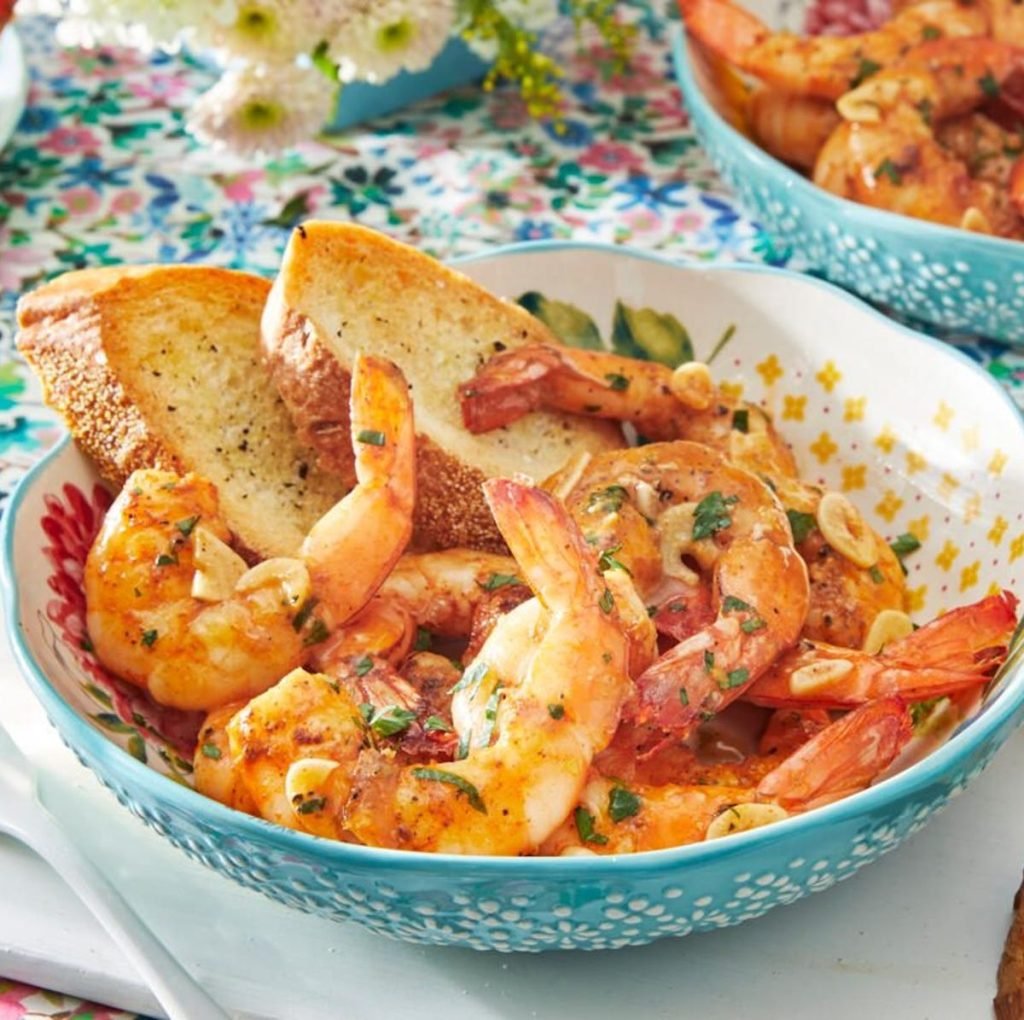
Are you staring at a bag of frozen shrimp and wondering how to turn it into a delicious meal fast? Cooking shrimp from frozen might seem tricky, but it’s easier than you think.
With the right steps, you can enjoy juicy, flavorful shrimp without the wait or hassle. Keep reading, and you’ll discover simple tips that make cooking frozen shrimp quick, safe, and tasty every time. Your next seafood dinner is about to get a whole lot better.

Image: How to Cook Shrimp Frozen: Easy Steps for Perfect Flavor
Choosing the right shrimp is key to cooking a delicious meal. Frozen shrimp comes in many types and sizes. Picking the best one affects taste and texture. This guide helps you select shrimp that fits your recipe and budget.
Types Of Frozen Shrimp
Frozen shrimp vary by species and preparation style. Common types include:
- White Shrimp:Sweet flavor and firm texture.
- Pink Shrimp:Tender with a mild taste.
- Tiger Shrimp:Large size and striped shell.
- Rock Shrimp:Hard shell, similar to lobster.
Frozen shrimp also come peeled or unpeeled. Some are deveined, which saves time during cooking.
Size And Quality Tips
Shrimp size affects cooking time and dish style. Sizes range from tiny (count per pound high) to jumbo (count per pound low).
| Size | Count Per Pound | Best Use |
|---|---|---|
| Small | 51-60 | Salads and soups |
| Medium | 41-50 | Stir-fries and pasta |
| Large | 31-40 | Grilling and skewers |
| Jumbo | 21-30 | Main dishes and appetizers |
Check for clear, firm shrimp with no discoloration. Avoid shrimp with a strong fishy smell. Proper packaging and storage keep quality high.
Choosing The Right Shrimp

Credit: www.acouplecooks.com
Thawing Techniques
Thawing frozen shrimp properly is key for great taste and texture. It helps the shrimp cook evenly and prevents bacteria growth. Choose a thawing method that fits your time and safety needs.
Quick Thawing Methods
Place frozen shrimp in a colander. Run cold water over them for 5 to 10 minutes. Stir shrimp occasionally to speed thawing. Drain water well before cooking. Avoid warm or hot water to keep shrimp safe. This method is fast and works well for last-minute meals.
Safe Overnight Thawing
Put frozen shrimp in a bowl or container. Cover and place in the refrigerator. Let shrimp thaw slowly for 8 to 12 hours. Keep shrimp cold to prevent bacteria growth. This method keeps shrimp fresh and ready for cooking the next day. It is ideal for meal planning ahead.
Preparing Shrimp For Cooking
Thaw frozen shrimp quickly by placing them in cold water for about 15 minutes. Remove shells and veins before cooking to ensure better flavor and texture. Proper prep helps shrimp cook evenly and taste fresh.
Preparing shrimp for cooking is a crucial step in creating a delicious dish. Whether you’re making a quick stir-fry or a savory pasta, preparation is key. Starting with frozen shrimp can be convenient and time-saving. Let’s dive into the essential steps to get your shrimp ready for the stove.
Cleaning And Deveining
Cleaning shrimp is a simple process. Begin by rinsing the frozen shrimp under cold water. This helps to remove ice crystals and any surface debris. Once thawed, peel the shrimp. Hold the shrimp firmly and pull off the shell starting at the head. Some prefer to leave the tail on for presentation. Deveining is the next step. Place the shrimp on a cutting board. Use a small, sharp knife to make a shallow cut along the back. This exposes the dark vein. Gently lift it out with the tip of the knife. Rinse the shrimp again to ensure cleanliness.
Seasoning Basics
Seasoning shrimp enhances its natural flavors. Start with salt and pepper as your base. A pinch of each goes a long way. For a simple yet flavorful touch, add a bit of garlic powder. Paprika can add a mild kick and color. For a zestier flavor, consider lemon juice. Squeeze a fresh lemon over the shrimp. Toss the shrimp in olive oil for a rich taste. This also helps the seasoning adhere better. Remember, shrimp cooks quickly, so light seasoning is key. Adjust the flavors to your liking, keeping it simple and delicious.

Credit: www.aol.com
Cooking Methods For Frozen Shrimp
Cooking frozen shrimp can be quick and delicious if you choose the right method. Each cooking style brings out different flavors and textures, making your meal exciting every time. Understanding these methods helps you decide how to prepare shrimp based on your time, equipment, and taste preferences.
Sautéing
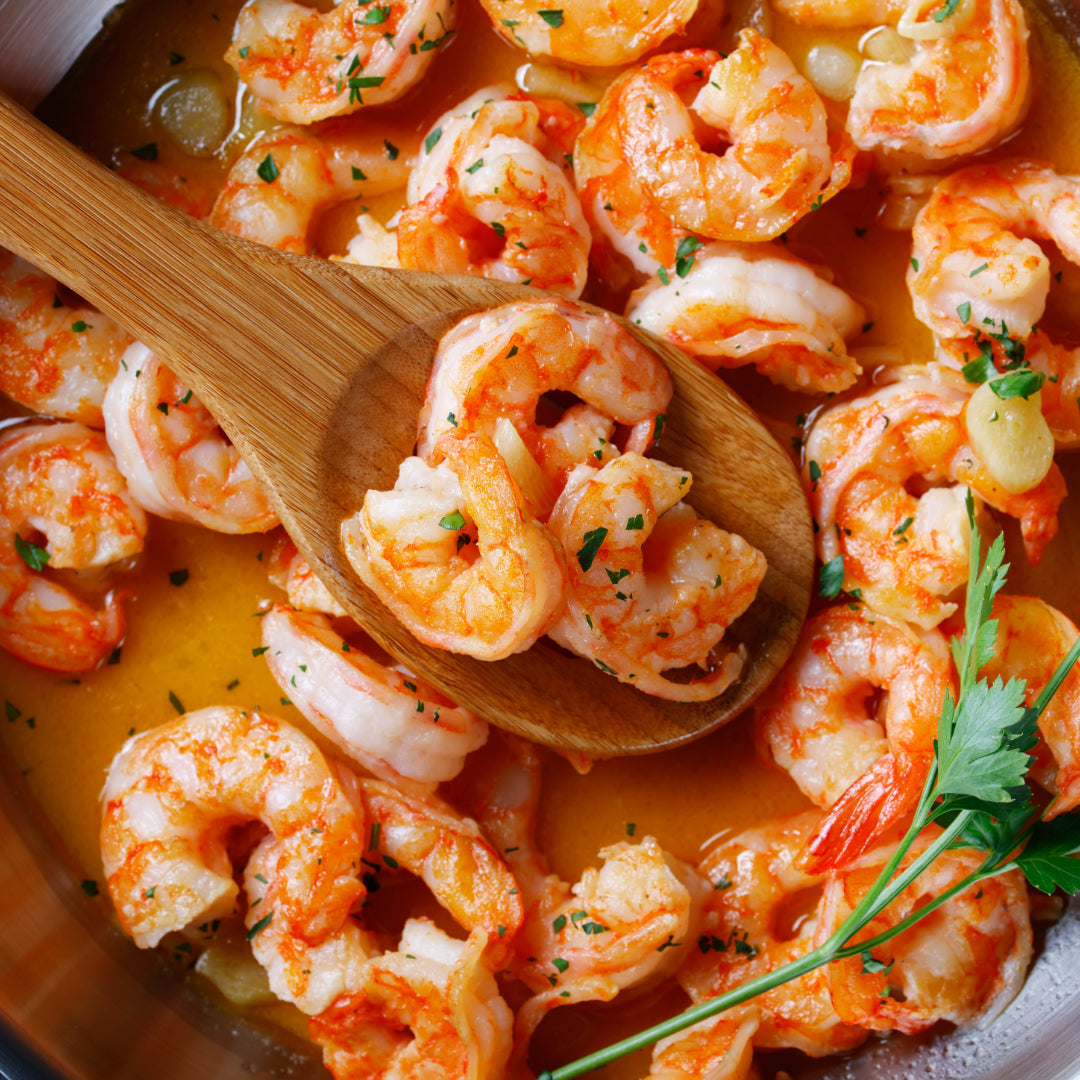
Sautéing frozen shrimp is fast and keeps them juicy. Start by heating a little oil or butter in a pan over medium-high heat. Add the shrimp directly from the freezer, stirring occasionally until they turn pink and opaque, usually about 4-6 minutes.
Season with garlic, lemon juice, or your favorite herbs while cooking to boost flavor. Have you tried tossing shrimp with chili flakes for a quick spicy kick? It’s a simple trick that transforms the dish instantly.
Boiling
Boiling shrimp is a straightforward way to cook them evenly without added fat. Bring a pot of water to a rolling boil and add salt or seasoning like bay leaves or peppercorns for extra taste. Drop the frozen shrimp in and cook for 2-3 minutes until they turn pink and float to the surface.
Drain immediately and consider shocking them in ice water to stop cooking and keep the texture firm. Have you noticed how boiling locks in the natural sweetness of shrimp better than other methods?
Grilling
Grilling frozen shrimp gives a smoky flavor and appealing char marks. Preheat your grill to medium-high and brush the shrimp with oil to prevent sticking. Place them on skewers or directly on the grill, cooking for about 2-3 minutes per side until opaque and slightly crispy.
Marinating shrimp beforehand can enhance the taste, but even plain shrimp grill beautifully. Curious how grilling can add a whole new dimension to frozen shrimp’s flavor with minimal effort?
Baking
Baking frozen shrimp is an easy hands-off method perfect for busy days. Preheat your oven to 400°F (200°C), spread shrimp in a single layer on a baking sheet, and drizzle with olive oil and seasonings. Bake for 8-10 minutes or until the shrimp are pink and cooked through.
This method works well if you want to prepare shrimp along with vegetables or other dishes. Have you tried adding garlic butter before baking for a rich, savory twist?
Tips For Perfect Flavor
Cooking shrimp from frozen requires some care to keep the flavor just right. Simple tips help keep shrimp juicy and tasty. Avoiding common mistakes improves the taste and texture. Using marinades adds depth and richness. Pairing shrimp with the right sides completes the meal perfectly.
Avoiding Overcooking
Shrimp cooks very fast, especially from frozen. Overcooking makes it tough and rubbery. Watch the shrimp closely as it turns pink and opaque. Remove it from heat as soon as it changes color. Use medium heat to cook evenly without burning. Stir or flip shrimp often for uniform cooking.
Enhancing Taste With Marinades
Marinating frozen shrimp adds extra flavor quickly. Use simple ingredients like lemon juice, garlic, and olive oil. Keep the marinade light to not overpower shrimp’s natural taste. Marinate for 15-30 minutes to absorb flavors. Avoid salty marinades before cooking to prevent drying out. Fresh herbs like parsley or cilantro work well.
Pairing With Side Dishes
Choose sides that complement shrimp’s mild flavor. Rice, pasta, or fresh salads balance the dish well. Lightly seasoned vegetables bring freshness and color. Avoid heavy sauces that mask shrimp’s taste. A squeeze of lemon or a sprinkle of chili flakes adds zest. Keep sides simple to highlight the shrimp.
Credit: wildforsalmon.com
Common Mistakes To Avoid
Cooking shrimp from frozen can save you time, but it’s easy to make mistakes that ruin the texture or flavor. Avoiding these common errors will help you get perfectly cooked shrimp every time. Let’s look at some pitfalls you should watch out for.
Thawing Shrimp Incorrectly
Thawing shrimp too quickly, like using hot water or leaving them out at room temperature, can cause uneven cooking and a mushy texture. Instead, thaw shrimp gently by placing them in the fridge overnight or running cold water over them in a sealed bag. Have you noticed how much better shrimp taste when thawed slowly?
Overcooking Shrimp
Shrimp cook very fast. Overcooking makes them tough and rubbery. It’s easy to get distracted, but keep a close eye on them once they turn pink and opaque. Do you often find your shrimp turning chewy? Cutting down cooking time might be the fix.
Skipping The Drying Step
Many skip drying shrimp before cooking. Wet shrimp won’t sear properly and can steam instead, leaving them soggy. Pat them dry with paper towels before adding to the pan. Have you ever wondered why your shrimp don’t get that nice golden crust?
Using Too Much Or Too Little Heat
Cooking frozen shrimp on very high heat can burn the outside while leaving the inside undercooked. Too low heat and they’ll become rubbery. Medium to medium-high heat works best to cook shrimp evenly without sacrificing texture. What heat setting do you usually use?
Adding Seasoning Too Late
Waiting until shrimp are fully cooked to add seasoning means the flavors don’t penetrate well. Season shrimp early, either while thawing or right before cooking, to allow the spices to soak in. Have you tried marinating shrimp before cooking for a flavor boost?
Frequently Asked Questions
How Do I Cook Frozen Shrimp Without Thawing?
You can cook frozen shrimp directly by boiling, steaming, or sautéing. Increase cooking time by 2-3 minutes. This method preserves texture and flavor. Avoid overcooking to keep shrimp tender and juicy.
What Is The Best Way To Thaw Frozen Shrimp?
Thaw frozen shrimp in the refrigerator overnight for best results. For quick thawing, place shrimp in a sealed bag and submerge in cold water for 15-20 minutes. Avoid using warm water to prevent uneven thawing.
Can I Cook Frozen Shrimp In A Skillet?
Yes, cook frozen shrimp in a skillet by sautéing with oil or butter. Heat the pan, add shrimp, and cook until pink and opaque. Stir frequently for even cooking and avoid overcooking.
How Long Does It Take To Boil Frozen Shrimp?
Boiling frozen shrimp takes about 3-5 minutes once the water is boiling. Shrimp turn pink and float when done. Avoid boiling too long to prevent rubbery texture.
Conclusion
Cooking shrimp from frozen is simple and quick. You only need a few basic steps. Remember to thaw the shrimp properly or cook them directly. Use the right heat to avoid overcooking. Season well to bring out the flavor. Frozen shrimp can taste fresh and delicious.
Try different methods like boiling, sautéing, or grilling. Enjoy a tasty meal anytime with frozen shrimp. Practice makes perfect, so keep cooking and experimenting. Cooking shrimp frozen saves time and effort in the kitchen.

Hi, I’m Daniel Brooks—a food lover and kitchen gear enthusiast. I enjoy testing cookware, utensils, and gadgets to see what really works in everyday cooking. At PlugChef.com, I share honest reviews, comparisons, and simple guides to help you choose the best tools for a safer, smarter, and more enjoyable kitchen.
Related posts:
 What Type of Cooking Utensils are Safe: Expert Picks
 What Innovations Could Blenders Make: Unleashing Future Tech
 Smart Strategies to Organize a Small Kitchen: Maximize Space
 How to Organize a Kitchen Cabinet: Expert Tips & Tricks
 How to Organize Kitchen Drawers: Expert Tips and Tricks
 How to Organize a Corner Kitchen Cupboard: Expert Tips

