
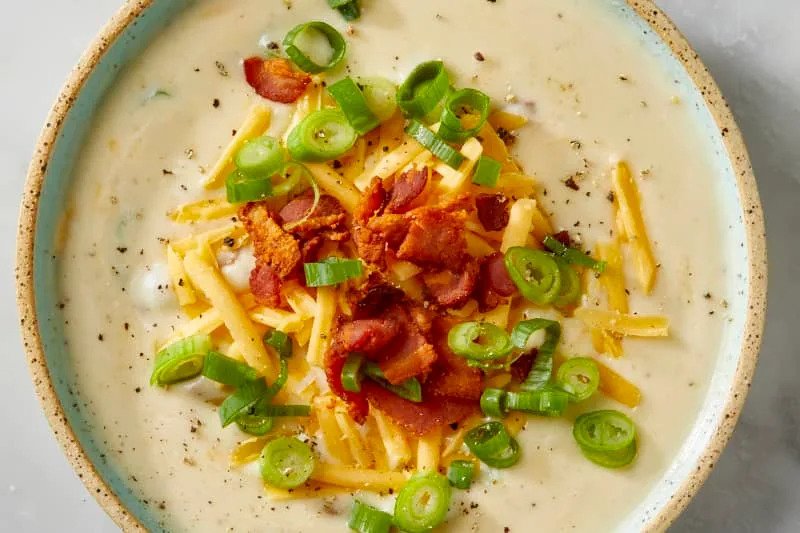
Have you ever made a big pot of potato soup and wondered if you could save some for later? Freezing your soup might seem like a simple solution, but you probably have questions.
Will it keep the same creamy taste? Will the texture change? You’re not alone—many people worry about whether freezing potato soup ruins their favorite comfort food. You’ll discover the best tips to freeze your potato soup without losing flavor or quality.
Keep reading to make sure your next batch tastes just as good, even after it’s been frozen!
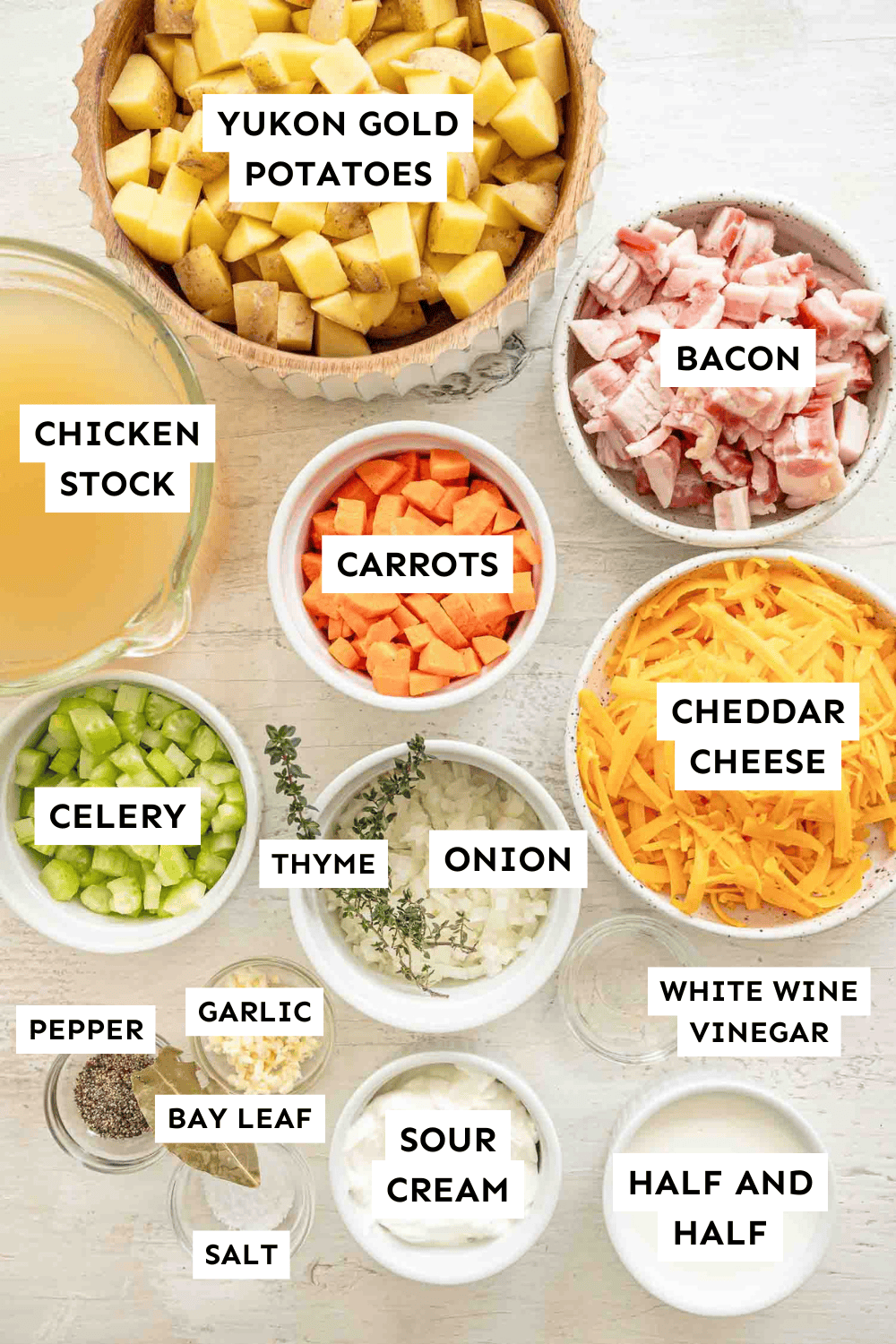
Credit: thrivinghomeblog.com
Freezing Potato Soup Basics
Freezing potato soup can be a great way to save time and reduce food waste. However, not all potato soups freeze equally well. Understanding the basics of freezing potato soup helps you keep its creamy texture and fresh flavor intact when you reheat it later.
Think about the ingredients you use and how they react to freezing. Some soups hold up better in the freezer, while others might separate or become grainy. Have you ever opened your freezer only to find a soup that didn’t thaw quite right? Knowing what works can prevent that disappointment.
Best Potato Soups To Freeze
Soups with a smooth, creamy base usually freeze well. Potato soups made with simple ingredients like potatoes, broth, cream, and mild seasonings tend to maintain their texture after freezing.
- Classic creamy potato soup without added dairy or egg yolks freezes nicely.
- Potato and leek soups also handle freezing well due to their mild flavors.
- Soups that use broth instead of milk as the base often reheat better without curdling.
If your soup is thicker before freezing, it often freezes better and reheats more smoothly. Have you tried chilling your soup before freezing? This step can help avoid texture issues.
Ingredients That Freeze Well
Some ingredients keep their taste and texture after freezing and reheating. Potatoes themselves freeze well if cooked properly before freezing.
- Root vegetables like carrots and celery maintain firmness.
- Herbs such as thyme and parsley hold flavor if added after reheating.
- Broth and stock-based liquids freeze and thaw without issues.
Adding cream or cheese after thawing can improve texture since these dairy ingredients may change during freezing. Do you prefer adding fresh herbs post-freeze to brighten up the flavor?
Ingredients To Avoid Freezing
Some components don’t react well to freezing and can spoil your soup’s texture or taste. Dairy ingredients like milk, cream, or sour cream often separate and become grainy.
- Raw potatoes can become grainy or watery if frozen uncooked.
- Leafy greens wilt and turn mushy after freezing.
- Cooked eggs or bacon lose texture and can become rubbery.
If your recipe includes these, consider adding them fresh after reheating. Have you noticed a change in soup texture after freezing certain ingredients? Adjusting what goes in before freezing makes all the difference.

Credit: www.soupercubes.com
Preparing Soup For Freezing
Preparing your potato soup for freezing takes a bit of care, but it’s worth the effort to enjoy your favorite comfort food later. How you cool, portion, and store the soup impacts its taste and texture when reheated. Let’s look at practical steps to get your soup freezer-ready without losing that homemade flavor.
Cooling Soup Safely
Hot soup can raise the temperature inside your freezer and affect other foods. To avoid this, cool your potato soup quickly and safely before freezing.
- Transfer the soup into shallow containers to increase surface area and speed up cooling.
- Place the containers in an ice bath or spread the soup in a wide pan to cool faster.
- Stir occasionally to release heat evenly.
Have you ever put hot soup directly into the freezer and noticed it took forever to freeze? Cooling first prevents this and keeps your freezer running efficiently.
Portioning Tips
Think about how you want to enjoy your soup later. Portioning before freezing saves time and reduces waste.
- Freeze in single or family-sized portions depending on your needs.
- Use measuring cups or ladles to keep portions consistent.
- Leave space at the top of containers for the soup to expand as it freezes.
Freezing in smaller portions means you only thaw what you need. This simple habit helps avoid reheating more than necessary and preserves the soup’s fresh taste.
Choosing Containers
Picking the right container can make a big difference in how well your soup freezes and defrosts.
- Opt for airtight, freezer-safe containers or heavy-duty freezer bags to prevent freezer burn.
- Glass containers with lids work well but avoid overfilling to prevent cracking.
- Label each container with the date and contents to keep track of freshness.
Have you ever opened a mystery container in your freezer? Clear labeling and good containers save you from that guessing game and keep your kitchen organized.
Freezing Techniques
Potato soup can be frozen, but its texture may change after thawing. To keep it creamy, cool the soup first and store it in airtight containers before freezing. Reheat slowly on the stove, stirring well to restore smoothness.
Freezing Techniques Freezing potato soup can be a game-changer for meal prep. But do you know the best way to freeze it to maintain its flavor and texture? The secret lies in the right techniques that ensure your soup stays fresh and delicious until you’re ready to enjoy it.Using Freezer Bags Vs. Containers
Choosing between freezer bags and containers can impact the quality of your frozen soup. Freezer bags are flexible and allow you to squeeze out excess air, reducing the risk of freezer burn. Plus, they stack flat, saving precious freezer space. On the other hand, containers offer sturdiness and are less prone to leaks. If you opt for containers, ensure they are airtight and leave some space for the soup to expand as it freezes. Consider what works best for your storage needs.Removing Air For Freshness
Air is the enemy of freshness when freezing soup. Ensuring minimal air exposure helps preserve the soup’s taste and texture. If using bags, gently press out the air before sealing. For containers, fill them almost to the top, leaving a small gap for expansion. This simple step can make a big difference in keeping your soup tasting like it was freshly made.Labeling And Dating
Ever wonder how long that soup has been in your freezer? Labeling and dating are crucial steps that are often overlooked. Use a permanent marker to note the contents and date on each package. This practice ensures you use the oldest soups first, preventing waste. It’s a small habit that saves time and keeps your freezer organized. Are you ready to try these techniques and enjoy homemade potato soup any day of the week?Thawing And Reheating
Thawing and reheating potato soup properly keeps its taste and texture fresh. Doing this right helps avoid a watery or grainy feel. It also preserves the rich flavors that make potato soup so comforting.
Using the best thawing and reheating methods makes your soup enjoyable again. Small steps help keep the soup creamy and delicious, even after freezing.
Best Thawing Methods
- Move the soup from the freezer to the fridge the night before.
- Allow it to thaw slowly for 8 to 12 hours.
- Use the microwave’s defrost setting for quick thawing.
- Stir occasionally to distribute heat evenly.
- Avoid thawing at room temperature to prevent bacteria growth.
Reheating Without Losing Flavor
- Heat the soup gently on low to medium heat on the stove.
- Stir often to stop sticking and to warm evenly.
- Add a splash of broth or milk to refresh the soup’s creaminess.
- Use a lid to keep moisture inside while reheating.
- Taste and adjust seasoning before serving.
Adjusting Texture After Thawing
Potato soup can become thick or grainy after freezing. Fix this by adding liquid bit by bit. Milk, broth, or cream work well.
Stir well to mix the added liquid smoothly. Use a whisk for better blending if needed.
For extra creaminess, blend the soup slightly with a hand blender. This removes lumps and smooths the texture.
Tips To Preserve Flavor
Preserving the flavor of potato soup after freezing can be challenging but definitely doable. The key lies in how you handle the soup before freezing and how you bring it back to life after thawing. Simple tricks can help maintain that rich, comforting taste you expect from a freshly made bowl.
Adding Fresh Ingredients After Thawing
Frozen potato soup often loses some of its fresh flavors and texture. Adding fresh ingredients after thawing can brighten the soup instantly. Try stirring in fresh herbs like chopped chives or parsley right before serving to revive the taste.
Another great tip is to add a splash of cream or a dollop of sour cream after reheating. This adds richness without overwhelming the soup’s original flavor. Have you tried sprinkling freshly grated cheese on top? It melts perfectly and adds a fresh finish.
Avoiding Overcooking
Reheating potato soup too long can make it taste dull and the potatoes mushy. Warm your soup gently on low heat, stirring often to prevent sticking or burning. Quick heating preserves the texture and flavor better than a long simmer.
Using a microwave? Heat in short intervals and stir between each session. This approach prevents hot spots that can alter the taste and texture. Think about how you treat leftovers—gentle reheating keeps the soup tasting fresh.
Using Herbs And Spices
Herbs and spices are your best friends in maintaining and enhancing flavor after freezing. Add dried herbs like thyme or rosemary before freezing, as they release flavor slowly during storage. Then finish with fresh herbs after thawing for a vibrant punch.
Don’t forget a pinch of black pepper or smoked paprika to add depth. These spices can bring back the warmth and complexity lost during freezing. What’s your go-to spice to lift the flavor of simple dishes?

Credit: heidishomecooking.com
Common Mistakes To Avoid
Freezing potato soup can save time and reduce waste. But several common mistakes can spoil your efforts. Avoid these errors to keep your soup tasty and safe to eat.
Freezing Hot Soup
Putting hot soup directly into the freezer is a bad idea. It can raise the freezer’s temperature, risking other food. Also, hot soup freezes unevenly, causing texture problems. Let your soup cool to room temperature first. Then transfer it to airtight containers before freezing.
Ignoring Ingredient Changes
Some ingredients do not freeze well. Potatoes may become grainy or watery after freezing. Dairy, like cream or milk, can separate and curdle. Avoid adding cream before freezing. Instead, add it fresh after reheating. Remove or reduce ingredients that spoil texture or taste during freezing.
Refreezing Thawed Soup
Never refreeze soup once it has thawed. Refreezing increases the risk of bacteria growth. It also harms the soup’s flavor and texture. Thaw only what you plan to eat. Store leftovers in the fridge and consume within 2 days.
Frequently Asked Questions
Can You Freeze Homemade Potato Soup Safely?
Yes, you can freeze homemade potato soup safely. Cool the soup completely, then store it in airtight containers. Label with the date and freeze for up to 2 months for best quality.
Does Freezing Affect Potato Soup Texture?
Freezing potato soup may slightly change its texture. Potatoes can become grainy or watery after thawing. Stir well and reheat gently to restore consistency and flavor.
How To Reheat Frozen Potato Soup?
Thaw frozen potato soup overnight in the refrigerator. Reheat slowly on low heat, stirring frequently to prevent burning. Add cream or broth if the soup is too thick.
Can You Freeze Potato Soup With Dairy?
Yes, but freezing potato soup with dairy can cause separation. Use full-fat dairy for better results and stir well when reheating to blend the ingredients smoothly.
Conclusion
Freezing potato soup is a smart way to save time and reduce waste. It keeps well if stored in an airtight container. Just leave space for the soup to expand as it freezes. Thaw it slowly in the fridge for best taste and texture.
Stir well before reheating to mix any separated ingredients. Enjoy a warm, comforting meal anytime with little effort. Freezing helps you have homemade soup ready for busy days. Simple, convenient, and tasty.

Hi, I’m Daniel Brooks—a food lover and kitchen gear enthusiast. I enjoy testing cookware, utensils, and gadgets to see what really works in everyday cooking. At PlugChef.com, I share honest reviews, comparisons, and simple guides to help you choose the best tools for a safer, smarter, and more enjoyable kitchen.
Related posts:
 What Type of Cooking Utensils are Safe: Expert Picks
 What Innovations Could Blenders Make: Unleashing Future Tech
 Smart Strategies to Organize a Small Kitchen: Maximize Space
 How to Organize a Kitchen Cabinet: Expert Tips & Tricks
 How to Organize Kitchen Drawers: Expert Tips and Tricks
 How to Organize a Corner Kitchen Cupboard: Expert Tips

