
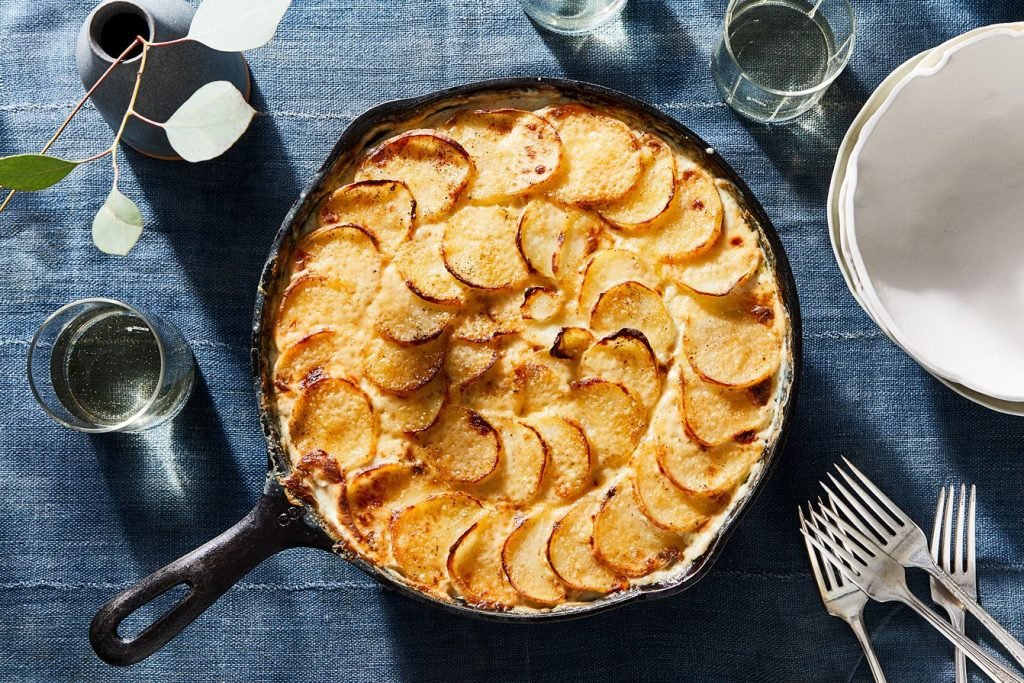
If you love crispy, golden potatoes with a perfect balance of soft inside and crunchy outside, cooking them in a cast iron skillet is your secret weapon. You might think making the perfect skillet potatoes is tricky, but with the right tips, you can create a dish that feels like it came from your favorite restaurant.
Imagine the smell of sizzling potatoes filling your kitchen and the satisfaction of serving up a simple yet delicious side that everyone will ask for again. Keep reading, and you’ll discover how to make potatoes in a cast iron skillet that will elevate your cooking and impress your family and friends every time.
Choosing The Right Potatoes
Choosing the right potatoes is key to making your cast iron skillet dish a success. The type of potato you pick affects texture, flavor, and cooking time. Knowing which variety works best helps you get those crispy edges and fluffy insides you crave.
Best Potato Varieties
Not all potatoes perform equally in a cast iron skillet. Some hold their shape better, while others turn creamy and soft.
- Russet Potatoes:Perfect if you want a crispy exterior and fluffy inside. Their high starch content makes them ideal for frying or roasting.
- Yukon Gold:These have a buttery flavor and medium starch level. They brown beautifully and keep a nice balance between crisp and creamy.
- Red Potatoes:These waxy potatoes hold their shape well. They’re great if you prefer a firmer texture in your skillet potatoes.
Think about what texture you want before choosing. Do you want crispiness or a creamy bite?
Freshness And Storage Tips
Fresh potatoes make all the difference. Avoid those with green spots or sprouting eyes, as they can taste bitter and affect your dish’s flavor.
Store your potatoes in a cool, dark, and well-ventilated place. Avoid refrigeration, which can turn starch into sugar and alter the taste.
- Keep them away from onions to prevent early spoilage.
- Check your potatoes regularly and remove any that show signs of sprouting or softness.
Have you ever noticed how stale potatoes ruin your skillet dish? Keeping them fresh ensures every bite is just right.
Preparing Potatoes For Skillet
Preparing potatoes for cooking in a cast iron skillet is the foundation of a delicious dish. The way you wash, peel, and cut your potatoes directly impacts the final texture and flavor. Taking a little extra care here can turn ordinary potatoes into a crispy, golden masterpiece.
Washing And Peeling Techniques
Start by rinsing your potatoes under cold water to remove dirt and debris. Use a vegetable brush if your potatoes have a lot of soil clinging to the skin. This simple step ensures your potatoes are clean without wasting any edible parts.
Decide if you want to peel or leave the skin on. Leaving the skin adds a rustic texture and extra nutrients, while peeling creates a smoother bite. If you peel, use a sharp peeler and work in long strokes to avoid gouging the potato.
Have you noticed how peeling potatoes quickly can feel tedious? Try soaking peeled potatoes in cold water to prevent browning while you prepare the rest. This little trick keeps them looking fresh and ready for the skillet.
Cutting Styles For Texture
The way you cut potatoes changes how they cook and taste in the skillet. Thin slices crisp up fast and are perfect for a delicate crunch. Cubes create a soft interior with crispy edges, ideal if you want a hearty bite.
- Thin slices:Use a mandoline or sharp knife for even slices about 1/8 inch thick.
- Cubes:Cut into uniform 1/2 to 3/4 inch pieces for balanced cooking.
- Wedges:Cut potatoes into quarters or eighths for chunky, tender bites.
Try mixing different cuts in your skillet to combine textures. Have you ever enjoyed a dish where crisp edges meet fluffy centers? That contrast makes each bite exciting and keeps you coming back for more.
Seasoning For Maximum Flavor
Sprinkle salt, pepper, and garlic powder on potatoes for bold taste in a cast iron skillet. Fresh herbs like rosemary add a fragrant touch. Seasoning early lets flavors soak in deeply.
Seasoning for Maximum Flavor Potatoes cooked in a cast iron skillet are a delight. The right seasoning makes them extraordinary. Choosing fresh ingredients enhances the taste. Each spice and herb can elevate your dish.Essential Spices And Herbs
Aromatic herbs like rosemary add depth. Thyme provides an earthy flavor. Paprika gives a hint of spice. Garlic powder enhances the savory notes. Fresh parsley adds brightness.- Rosemary
- Thyme
- Paprika
- Garlic Powder
- Parsley
Balancing Salt And Pepper
Salt brings out the natural flavors. Use it sparingly for health. Black pepper adds a subtle kick. Adjust the amounts to taste. A balance of salt and pepper is key. Taste as you go. Aim for harmony in every bite.Heating The Cast Iron Skillet
Heating your cast iron skillet correctly is key to cooking perfect potatoes. The right temperature ensures a crispy outside and tender inside without sticking or burning. Understanding how to manage the heat will change the way your potatoes turn out every time.
Preheating Tips
Always start with a cold skillet and heat it gradually over medium heat. This prevents hot spots and helps the pan heat evenly. You’ll know it’s ready when a few drops of water sizzle and dance on the surface.
A good trick is to hold your hand a few inches above the skillet—if you can feel steady heat but not too intense, it’s just right. Avoid overheating; a too-hot pan can burn the potatoes before they cook through.
Choosing The Right Fat
The fat you choose affects flavor and cooking performance. Oils with high smoke points like avocado oil or grapeseed oil work best for crispy, golden potatoes. Butter adds rich flavor but burns faster, so combine it with oil for balance.
Think about the taste you want. Want a classic buttery flavor? Add butter near the end of cooking instead of at the start. This way, your potatoes get the best of both worlds: crispiness from the oil and richness from the butter.
Cooking Methods For Crispiness
Cooking potatoes in a cast iron skillet brings out a wonderful crispy texture. Different cooking methods can change how crispy and golden the potatoes turn out. Choosing the right technique helps create a perfect crust while keeping the inside soft and tender.
Sautéing Vs. Frying
Sautéing potatoes means cooking them quickly over medium-high heat with a small amount of oil. This method uses constant stirring, which prevents burning and allows even cooking. It produces a light crispness and tender centers.
Frying, on the other hand, uses more oil and higher heat. Potatoes cook longer without stirring much, developing a deep, crunchy crust. This method creates a stronger crisp outside but requires careful temperature control to avoid burning.
Achieving Even Browning
Heat the cast iron skillet thoroughly before adding potatoes. A hot pan helps form a crisp crust. Cut potatoes into uniform pieces so they cook evenly. Spread them in a single layer without crowding the pan.
Use medium to medium-high heat and avoid moving the potatoes too often. Let them sit to brown properly. Flip the potatoes gently to brown all sides equally. Proper seasoning during cooking enhances flavor and crispiness.

Credit: food52.com
Troubleshooting Common Issues
Cooking potatoes in a cast iron skillet can be incredibly rewarding, but it often comes with a few challenges. Two of the most common issues are potatoes sticking to the pan and ending up soggy instead of crispy. Tackling these problems will improve your cooking experience and the final dish’s texture.
Preventing Sticking
Sticking is one of the biggest frustrations when using a cast iron skillet. Make sure your skillet is well-seasoned; this natural non-stick layer builds up over time and is essential for preventing potatoes from clinging to the surface.
Heat the skillet properly before adding oil. The oil should shimmer but not smoke. Adding potatoes to a hot, oiled pan creates a barrier that keeps them from sticking.
Try not to move the potatoes too soon. Let them develop a crust, and they will release more easily. Patience here pays off.
Avoiding Soggy Potatoes
Soggy potatoes can ruin your meal, but the fix is simple: avoid overcrowding the skillet. Give each piece enough space so steam can escape, allowing them to crisp up.
Using the right potato matters. Starchy varieties like Russets crisp better than waxy ones. Rinsing and drying the potatoes before cooking removes excess starch and moisture, which helps prevent sogginess.
Consider cooking on medium to medium-high heat. Too low, and the potatoes will steam rather than fry. Too high, and they burn before cooking through.
Serving Suggestions
Serving potatoes cooked in a cast iron skillet opens up a world of delicious possibilities. How you choose to present and pair them can elevate your meal and delight your guests. Let’s look at some tasty ways to serve these crispy, golden bites that will make your dish stand out.
Complementary Dips And Sauces
Potatoes from a cast iron skillet have a crispy exterior and fluffy inside, making them perfect for dipping. You can keep it simple with classic options like ketchup or mayonnaise.
Want to impress your guests? Try a garlic aioli or a tangy chipotle sauce. The creamy texture and bold flavors create a great contrast to the potatoes’ crunch.
Another favorite is a fresh herb yogurt dip. It adds a cool, refreshing element that balances the warm, hearty potatoes perfectly. Have you ever tried a spicy sriracha mayo? It adds a nice kick without overpowering the potato’s flavor.
Pairing With Main Dishes
Potatoes in a cast iron skillet are versatile enough to complement many main dishes. They pair beautifully with roasted chicken, adding a satisfying side that everyone loves.
If you’re cooking steak or pork chops, these potatoes soak up the meat’s juices, enhancing every bite. You might also want to serve them alongside grilled vegetables for a lighter, plant-focused meal.
Thinking about a brunch? Add these potatoes next to eggs cooked your way, and you’ve got a hearty, crowd-pleasing spread. What main dish would you pair these potatoes with to make your meal unforgettable?

Credit: food52.com
Maintaining Your Cast Iron Skillet
Maintaining your cast iron skillet keeps it cooking well and lasting long. Proper care prevents rust and builds a natural non-stick surface. Small daily habits make a big difference in performance.
Cleaning Techniques
Clean your skillet right after use. Use warm water and a soft brush or sponge. Avoid soap or harsh detergents that remove seasoning. For stuck food, scrub with coarse salt and a little water. Dry the skillet completely with a towel or on low heat. Never leave it wet to avoid rust.
Seasoning And Storage
Seasoning protects the skillet and improves cooking. Apply a thin layer of vegetable oil all over the skillet. Heat it in the oven at 350°F for one hour. Let it cool inside the oven. Store the skillet in a dry place. Keep a paper towel inside to absorb moisture. Avoid stacking heavy items on top to protect the surface.
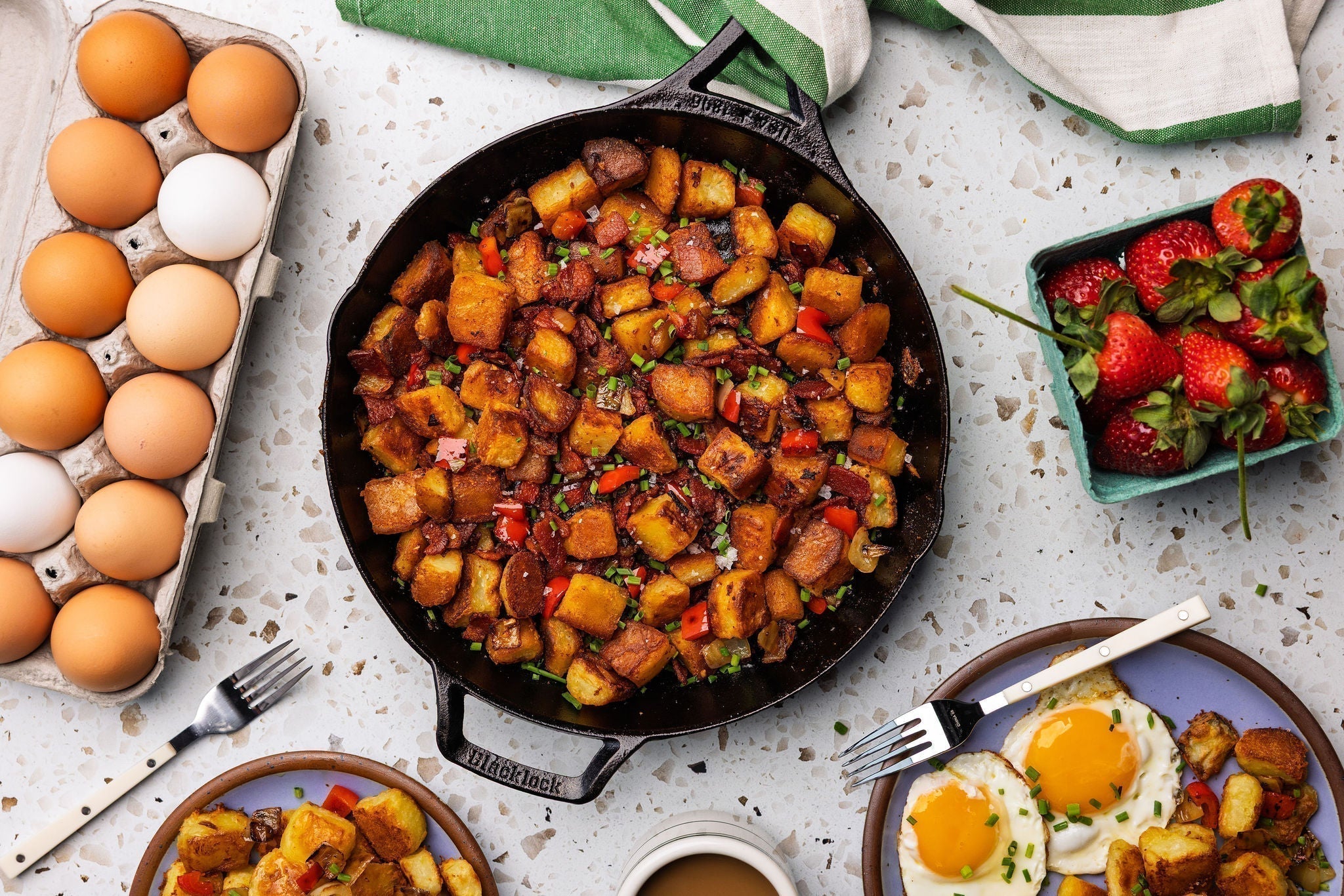
Credit: www.lodgecastiron.com
Frequently Asked Questions
How Do You Cook Potatoes In A Cast Iron Skillet?
Heat the skillet, add oil, then diced potatoes. Cook on medium heat. Stir occasionally until golden and tender.
What Seasoning Works Best For Cast Iron Skillet Potatoes?
Salt, pepper, garlic powder, and paprika enhance flavor. Fresh herbs like rosemary or thyme add aroma and freshness.
Can You Cook Frozen Potatoes In A Cast Iron Skillet?
Yes, but thawing first is better. Frozen potatoes cook unevenly and may become soggy if not thawed.
How Do You Prevent Potatoes From Sticking To Cast Iron?
Preheat the skillet well and use enough oil. Avoid overcrowding the pan for even cooking without sticking.
Conclusion
Potatoes cooked in a cast iron skillet taste crispy and delicious. This method keeps them soft inside and crunchy outside. It’s simple and quick to prepare. You only need a few ingredients and a good skillet. This recipe fits many meals, from breakfast to dinner.
Try it often for a tasty, easy side dish. Enjoy cooking and sharing with family or friends. Cast iron skillets make potatoes better every time. Give it a try and see the difference yourself.

Hi, I’m Daniel Brooks—a food lover and kitchen gear enthusiast. I enjoy testing cookware, utensils, and gadgets to see what really works in everyday cooking. At PlugChef.com, I share honest reviews, comparisons, and simple guides to help you choose the best tools for a safer, smarter, and more enjoyable kitchen.
Related posts:
 What Type of Cooking Utensils are Safe: Expert Picks
 What Innovations Could Blenders Make: Unleashing Future Tech
 Smart Strategies to Organize a Small Kitchen: Maximize Space
 How to Organize a Kitchen Cabinet: Expert Tips & Tricks
 How to Organize Kitchen Drawers: Expert Tips and Tricks
 How to Organize a Corner Kitchen Cupboard: Expert Tips

