
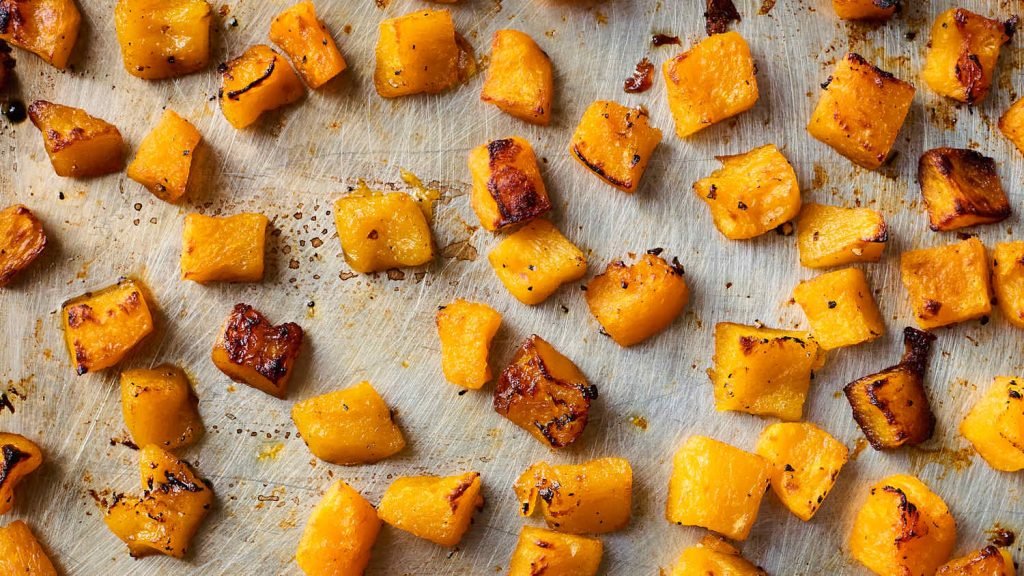
Are you wondering how to turn frozen squash into a delicious, healthy meal without any hassle? You’re in the right place.
Cooking frozen squash might sound tricky, but it’s actually simple and quick. Imagine having a tasty side dish ready in minutes, even on your busiest days. In this guide, you’ll discover easy steps to cook frozen squash perfectly every time.
Keep reading, and you’ll never have to worry about soggy or bland squash again. Your next favorite meal is just a few clicks away!
Choosing The Right Frozen Squash
Choosing the right frozen squash can make a huge difference in your cooking experience and the final taste of your dish. Not all frozen squash is created equal, and knowing what to look for helps you avoid soggy or bland results. Let’s break down the essential factors to consider before you buy or cook frozen squash.
Types Of Squash Available
Frozen squash comes in several varieties, each with unique textures and flavors. Common types include:
- Zucchini:Mild and slightly sweet, great for sautés and casseroles.
- Yellow Squash:Similar to zucchini but with a slightly firmer texture.
- Butternut Squash:Sweet and nutty, perfect for soups and purees.
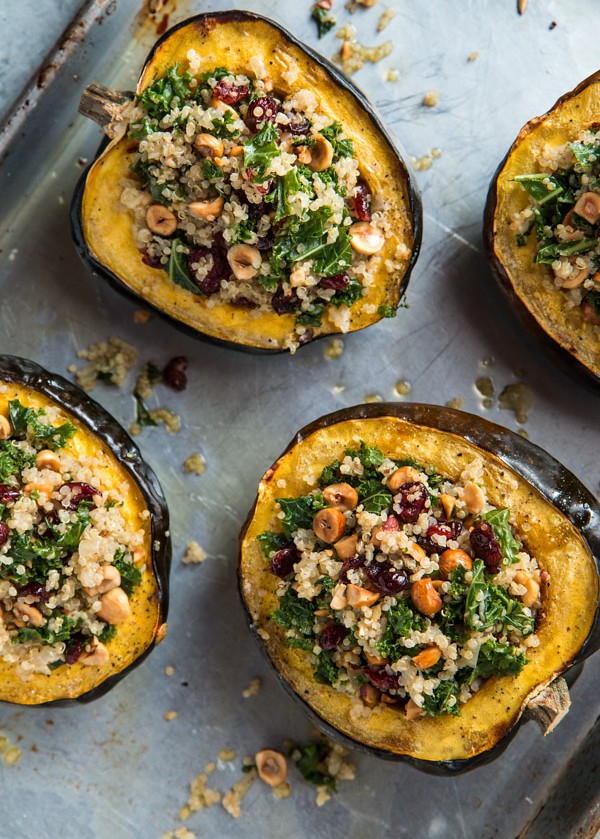
- Acorn Squash:Earthier flavor, often used in baked dishes.
Think about the dish you want to prepare and pick a squash that complements those flavors.
Quality Indicators
Frozen squash quality varies, and spotting the best options saves you cooking headaches. Look for these signs:
- Color:Bright and consistent color means freshness before freezing.
- Texture:Avoid squash that appears mushy or icy; it may have thawed and refrozen.
- Packaging:Intact, vacuum-sealed bags keep the squash fresher longer.
Have you ever opened a frozen bag only to find clumps of ice? That’s a clear sign the squash might be past its prime.
Storage Tips
Proper storage keeps your frozen squash tasty and safe. Here’s how to manage it at home:
- Keep the squash in the coldest part of your freezer, usually the back.
- Seal any opened bags tightly or transfer squash to an airtight container.
- Use frozen squash within 8–12 months for best flavor and texture.
Have you noticed how freezer burn changes the taste of frozen veggies? Avoid it by minimizing exposure to air and temperature fluctuations.
Credit: www.wellplated.com
Preparing Frozen Squash For Cooking
Preparing frozen squash for cooking is a simple process that sets the stage for a delicious meal. Handling it correctly ensures you maintain the best texture and flavor. Let’s look at how to get your frozen squash ready, step by step.
Thawing Techniques
Thawing frozen squash properly can make a big difference in your dish’s outcome. You can thaw it in the refrigerator overnight for gentle, even thawing.
If you’re short on time, place the squash in a sealed bag and submerge it in cold water for about 30 minutes. Avoid thawing at room temperature to reduce the risk of uneven texture or bacterial growth.
Have you noticed how quickly some squash becomes mushy after thawing? That’s often due to improper thawing, so take this step seriously for the best results.
Trimming And Cutting
Once thawed, check the squash for any tough or fibrous parts. These can affect the texture, especially in softer varieties like zucchini.
Use a sharp knife to trim off any blemishes or hard ends. Cutting the squash into even pieces ensures they cook uniformly.
Think about your cooking method here—small cubes work well for sautés, while slices are better for roasting or grilling.
Seasoning Basics
Seasoning frozen squash before cooking can elevate its natural flavor. Start with simple ingredients like salt, pepper, and a drizzle of olive oil.
Feel free to add garlic powder, paprika, or fresh herbs like thyme to give your squash a flavor boost. Remember, seasoning early helps the spices penetrate better during cooking.
Have you experimented with seasoning before cooking or after? Try seasoning first next time and notice the difference in taste.
Quick Cooking Methods
Frozen squash cooks quickly by steaming or sautéing without thawing first. These methods keep it tender and preserve flavor in minutes. Using a hot pan or steamer speeds up cooking and saves time.
Cooking frozen squash doesn’t have to be a daunting task. With some quick cooking methods, you can enjoy this nutritious vegetable in no time. Whether you’re short on time or just want to try something new, these methods will have you serving up delicious squash in minutes.Microwaving Frozen Squash
Microwaving is a fast and convenient way to cook frozen squash. Place the squash in a microwave-safe dish and cover it with a microwave-safe lid or plastic wrap. This will trap steam and ensure even cooking. Cook the squash on high for about 5-7 minutes. Check for tenderness with a fork. If it’s not done, continue microwaving in 1-minute intervals until it’s just right. Once cooked, season with your favorite herbs and spices for a quick flavor boost.Sautéing On The Stove
Sautéing frozen squash can bring out a delightful texture and flavor. Heat a tablespoon of olive oil in a pan over medium-high heat. Add the squash and stir occasionally to ensure even cooking. After about 8-10 minutes, the squash should be tender and slightly browned. Try adding garlic or onions to the pan for an extra layer of taste. Remember, a little salt and pepper can go a long way in enhancing the squash’s natural flavors.Steaming Options
Steaming is a gentle way to cook squash while preserving its nutrients. Use a steamer basket placed over a pot of boiling water. Add the frozen squash to the basket, cover, and let steam for about 10-12 minutes. Check the squash with a fork for tenderness. Steaming is a great option if you prefer a softer texture. To add flavor, consider tossing the steamed squash with a splash of lemon juice and a sprinkle of fresh herbs. Which method will you try first to enjoy a quick and delicious squash meal?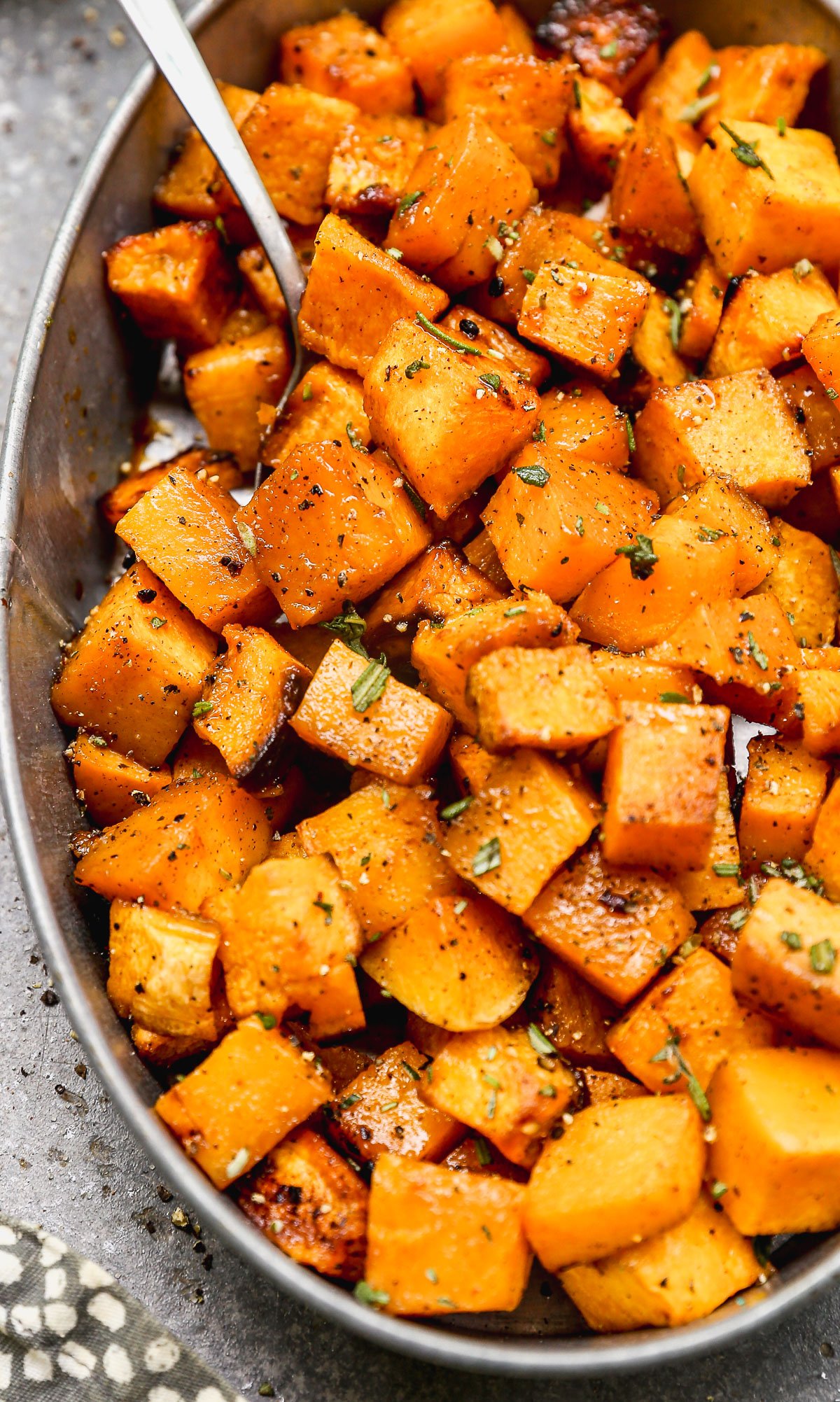
Credit: www.wellplated.com
Easy Oven Recipes
Cooking frozen squash in the oven is simple and tasty. It saves time and keeps the squash flavorful. You can create quick meals with few ingredients. The oven brings out a natural sweetness in the squash. This section shares easy recipes that anyone can try.
Roasting Frozen Squash
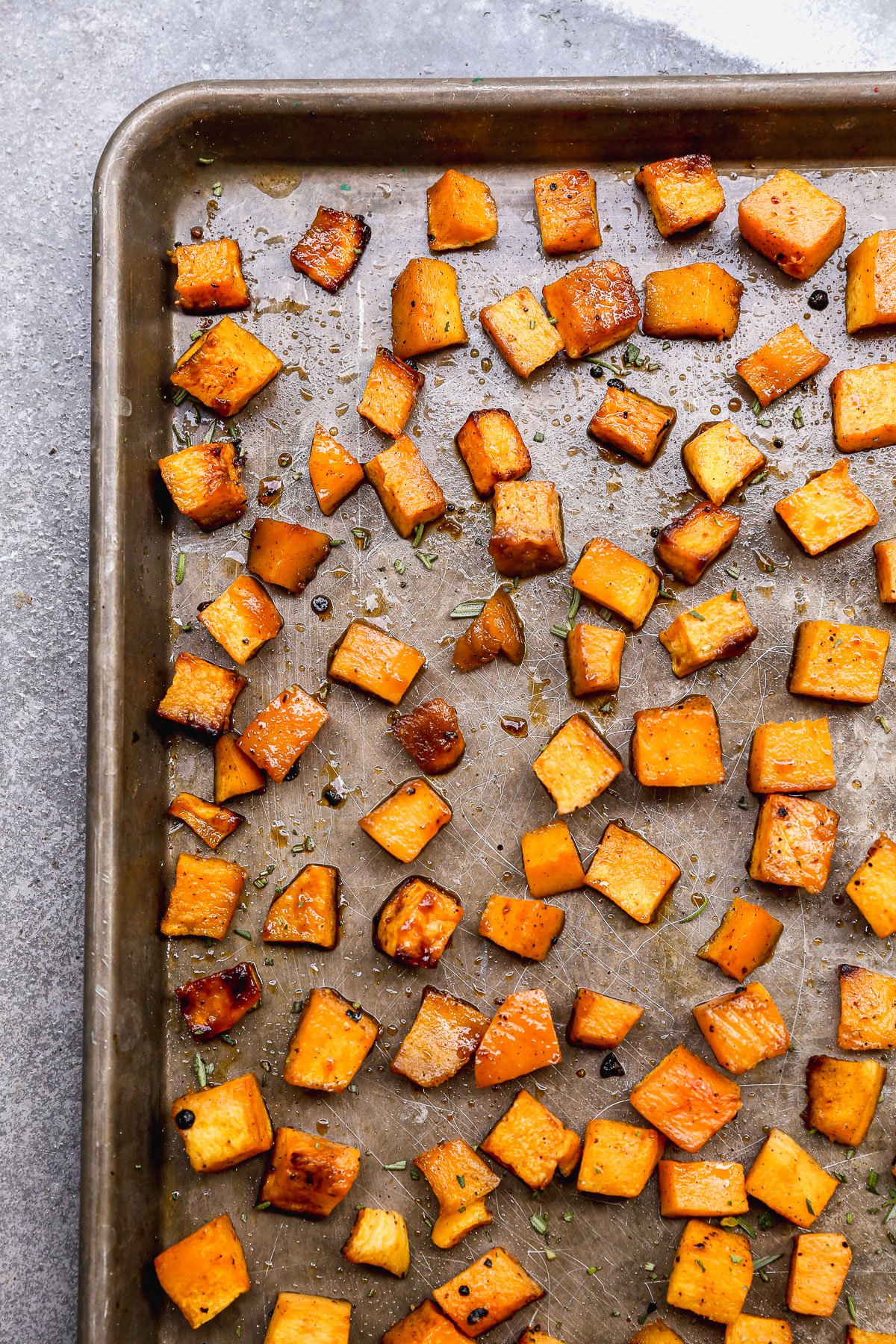
Roasting frozen squash is a fast way to enjoy it. Preheat the oven to 400°F (200°C). Spread the frozen squash on a baking sheet. Drizzle with olive oil and sprinkle salt and pepper. Roast for 20 to 25 minutes. Turn halfway to cook evenly. The edges become crispy, and the inside softens perfectly.
Baking With Herbs And Spices
Enhance frozen squash with simple herbs and spices. Use thyme, rosemary, or oregano for fresh flavor. Sprinkle garlic powder or paprika for a little kick. Toss the squash with oil and seasonings before baking. Bake at 375°F (190°C) for 25 minutes. This method adds aroma and depth without extra effort.
Casserole Ideas
Frozen squash works well in casseroles. Mix it with cheese, breadcrumbs, and cream for a creamy dish. Add cooked chicken or beans for protein. Layer the ingredients in a baking dish. Bake at 350°F (175°C) for 30 to 40 minutes. The casserole becomes golden and bubbly, perfect for family meals.
Creative Squash Dishes
Frozen squash offers a world of tasty possibilities beyond simple side dishes. Its soft texture and mild flavor absorb spices and herbs well. This makes frozen squash an excellent ingredient for creative cooking. Try these ideas to bring variety and warmth to your meals using frozen squash.
Soups And Stews
Frozen squash makes soups creamy and rich without heavy cream. Add it to vegetable soups for extra nutrition and color. It blends smoothly, creating a velvety texture that comforts on cold days.
Combine frozen squash with onions, garlic, and broth. Simmer until soft, then puree for a smooth soup. Spice it with cumin or nutmeg for a warm flavor twist. Squash stews with beans and tomatoes also taste hearty and filling.
Squash Stir-fries
Frozen squash cooks quickly in stir-fries, keeping a nice bite. Toss it with bell peppers, snap peas, and your favorite sauce. Use soy sauce, ginger, and garlic for an Asian touch.
Add protein like tofu, chicken, or shrimp for a full meal. Stir-frying keeps squash tender and colorful. It pairs well with sesame seeds and green onions as garnish.
Pasta And Grain Bowls
Frozen squash adds softness and sweetness to pasta dishes. Mix it with roasted garlic, olive oil, and Parmesan cheese. It works well with spaghetti, penne, or any pasta shape.
Grain bowls benefit too. Combine cooked quinoa, rice, or barley with squash and fresh herbs. Drizzle with lemon juice or a simple vinaigrette for brightness. Add nuts or seeds for crunch and extra flavor.
Credit: www.willcookforfriends.com
Tips For Enhancing Flavor
Frozen squash can sometimes taste bland if you just heat it up and serve. But with a few simple flavor boosts, you can turn it into a dish that feels fresh and exciting. These tips help you bring out the best in frozen squash, making every bite more delicious and satisfying.
Using Fresh Herbs
Fresh herbs add brightness and depth to frozen squash. Try tossing in chopped basil, thyme, or parsley after cooking to keep their flavors vibrant. You can also sauté the squash with rosemary or sage at the start for a warm, aromatic touch.
Have you noticed how a sprinkle of fresh dill can completely change the taste? Experiment with different herbs to find your favorite combo that makes the squash pop.
Adding Acidity And Sweetness
A little acidity balances the natural mildness of squash. Splash some lemon juice or a dash of vinegar right before serving to lift the flavors. Sweetness works well too—consider drizzling honey or adding caramelized onions to create a lovely contrast.
Think about how a squeeze of lime transforms guacamole. Why not give your squash that same zing with a touch of acid and sweetness? It’s an easy trick that keeps the dish interesting.
Incorporating Texture
Texture adds another dimension to your dish and keeps it from feeling one-note. Toasted nuts, like walnuts or pine nuts, provide a satisfying crunch. You could also sprinkle crispy breadcrumbs or add roasted chickpeas for a fun bite.
Have you ever wondered why texture matters so much in cooking? It’s because your mouth craves variety. Adding crunchy or chewy elements to soft squash creates a more enjoyable eating experience.
Frequently Asked Questions
How Do I Cook Frozen Squash Without Thawing?
You can cook frozen squash directly by steaming, sautéing, or roasting. No need to thaw it first. Cooking times might be slightly longer to ensure even heat.
Can I Roast Frozen Squash In The Oven?
Yes, roasting frozen squash is easy. Preheat oven to 400°F, spread squash on a baking sheet, and roast for 25-30 minutes, stirring halfway through.
What’s The Best Way To Sauté Frozen Squash?
Heat oil in a pan over medium heat. Add frozen squash, season, and cook for 8-10 minutes. Stir occasionally until tender and lightly browned.
Is Frozen Squash Nutritious Compared To Fresh?
Frozen squash retains most nutrients since it’s flash-frozen soon after harvest. It’s a convenient, healthy option that preserves vitamins and minerals well.
Conclusion
Cooking frozen squash is simple and quick with the right steps. You can steam, roast, or sauté it easily at home. Each method brings out a tasty, tender texture. Frozen squash keeps its flavor and nutrients well. Try different seasonings to find what you enjoy most.
Enjoy healthy meals without extra effort or waste. Keep these tips in mind for your next cooking session. Frozen squash makes a great side or main dish addition. Cooking it right saves time and brings good results every time.

Hi, I’m Daniel Brooks—a food lover and kitchen gear enthusiast. I enjoy testing cookware, utensils, and gadgets to see what really works in everyday cooking. At PlugChef.com, I share honest reviews, comparisons, and simple guides to help you choose the best tools for a safer, smarter, and more enjoyable kitchen.
Related posts:
 What Type of Cooking Utensils are Safe: Expert Picks
 What Innovations Could Blenders Make: Unleashing Future Tech
 Smart Strategies to Organize a Small Kitchen: Maximize Space
 How to Organize a Kitchen Cabinet: Expert Tips & Tricks
 How to Organize Kitchen Drawers: Expert Tips and Tricks
 How to Organize a Corner Kitchen Cupboard: Expert Tips

