
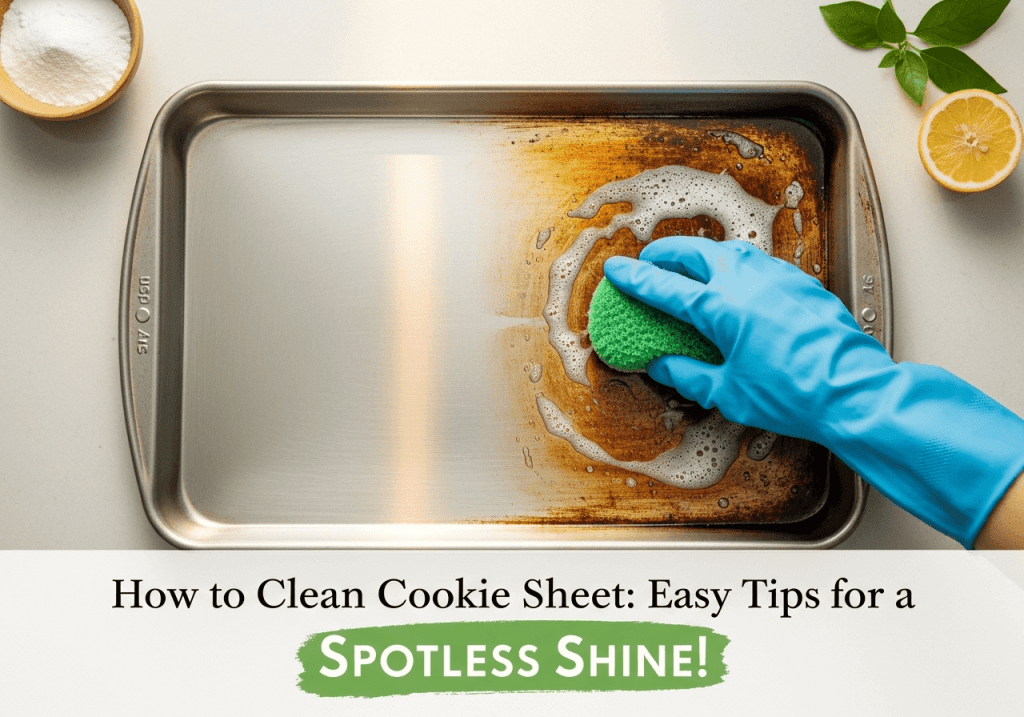
Your cookie sheet works hard, baking batch after batch of delicious treats. Over time, it can get sticky, stained, and difficult to maintain—but knowing how to clean a cookie sheet properly will restore its shine and make baking easier than ever.
If you’ve ever struggled with scrubbing off burnt-on crumbs or stubborn grease, you’re not alone. The good news? You don’t have to toss it out or spend hours trying to make it shine again. You’ll discover simple, effective ways to clean your cookie sheet so it looks and works like new.
Ready to make your baking cleanup easier and faster? Keep reading!

Image: How to Clean Cookie Sheet: Easy Tips for a Spotless Shine
Choosing The Right Cleaning Tools
Choosing the right cleaning tools for your cookie sheet can make a huge difference in how easy and effective the cleaning process is. The right tools not only save you time but also protect your cookie sheet from scratches and damage. Think about the last time you struggled to clean a stubborn stain—having the right sponge or cleaning solution could have made that task much smoother.
Best Sponges And Scrubbers
Not all sponges and scrubbers are created equal, especially when it comes to cleaning cookie sheets. You want something that can tackle baked-on grease without scratching the surface.
- Non-abrasive sponges:These are perfect for everyday cleaning. They remove food particles gently without damaging the metal.
- Silicone scrubbers:These are durable and easy to clean themselves. They’re great if you want something long-lasting and hygienic.
- Steel wool or heavy-duty scrubbers:Use these only if your cookie sheet is very tough and doesn’t have a non-stick coating. They can remove stubborn stains but might scratch delicate surfaces.
Have you ever tried cleaning a cookie sheet with a regular kitchen sponge only to find the stains won’t budge? Switching to a silicone scrubber can change that experience entirely. The flexibility and texture make a big difference.
Effective Cleaning Solutions
Choosing the right cleaning solution is just as important as picking the right scrubber. Some solutions can break down grease and baked-on residue quickly, saving you effort and elbow grease.
- Baking soda and vinegar:A natural and effective combo. Sprinkle baking soda, spray vinegar, let it fizz, then scrub—it works wonders without harsh chemicals.
- Dish soap with warm water:Simple but effective for regular cleaning. Use a good quality dish soap that cuts through grease easily.
- Commercial oven cleaners:Use these sparingly and follow instructions carefully. They’re strong and can be harsh on your cookie sheet’s surface.
Have you ever wondered why some cleaning solutions work better on certain stains? Experimenting with a few options could help you discover the perfect match for your cookie sheet’s condition. It’s all about finding what works best for your situation.
Credit: www.chowhound.com
Basic Cleaning Steps
Cleaning a cookie sheet properly keeps it ready for your next baking session. Basic cleaning removes leftover crumbs and grease. It helps maintain the sheet’s surface and prevents flavors from mixing. Follow simple steps for a clean and fresh cookie sheet every time.
Removing Loose Debris
Start by brushing off any loose crumbs or burnt bits. Use a soft brush or cloth. Avoid metal scrubbers as they can scratch the surface. Gently shake the sheet to remove particles. This makes washing easier and more effective.
Soaking Techniques
Fill the sink with warm water and mild dish soap. Submerge the cookie sheet completely. Let it soak for 15 to 30 minutes to soften stuck-on food. For tough spots, add a little baking soda. This helps break down grease without harsh chemicals.
Tackling Stubborn Stains
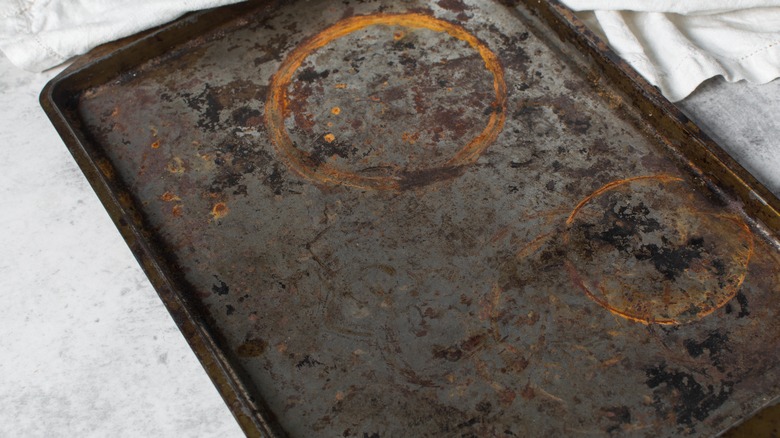
Stubborn stains on cookie sheets often resist simple scrubbing. Soaking the sheet in warm, soapy water softens the grime. Using baking soda and a gentle scrub can lift tough spots without damage.
Tackling stubborn stains on your cookie sheets can feel like trying to solve a mystery. Just when you think you’ve cracked the code, those pesky marks remain. But with the right techniques, you can conquer them and bring your cookie sheets back to their shiny glory.
Using Baking Soda And Vinegar
Baking soda and vinegar are your dynamic duo in the kitchen. Start by sprinkling a generous amount of baking soda over the stained areas. Then, pour vinegar over the baking soda and watch it fizz up. This fizzy reaction is more than just a fun science experiment. It breaks down tough stains, making them easier to scrub away. After letting the mixture sit for about 15 minutes, use a sponge or scrubber to gently remove the stains. If you’ve ever had a kitchen stain that just wouldn’t budge, you know how frustrating it can be. This method is not only effective but also uses items you probably already have at home. Why spend on expensive cleaners when you have this simple solution?
Applying Commercial Cleaners
Sometimes, homemade solutions aren’t enough, and that’s where commercial cleaners come in. Choose a cleaner specifically designed for tough kitchen stains. These products are formulated to tackle the hardest of grime with minimal effort. Before applying, ensure your cookie sheet is dry. Spray or apply the cleaner onto the stained areas and let it sit for the recommended time. This allows the chemicals to penetrate and loosen the stains. Remember to follow the instructions on the cleaner’s label. Some require rinsing, while others might need a bit of scrubbing. Always wear gloves to protect your skin. Have you ever wondered if commercial cleaners are worth the investment? They can save you time and effort, especially on stubborn stains. But always test a small area first to ensure the cleaner doesn’t damage your cookie sheet.
Cleaning Non-stick Cookie Sheets
Cleaning non-stick cookie sheets requires extra care to maintain their coating and extend their lifespan. Unlike regular metal sheets, non-stick surfaces can easily get damaged by harsh scrubbing or improper cleaning tools. Protecting the coating not only keeps your cookie sheets looking new but also ensures your baked goods won’t stick or taste off.
Avoiding Scratches
Scratches can ruin the non-stick surface and make cleaning harder over time. Use only soft sponges or cloths when washing your cookie sheets. Avoid steel wool, abrasive pads, or stiff brushes that can scrape the coating.
Even metal utensils can cause damage if you’re not careful. Try using silicone or wooden tools when handling dough or removing baked cookies.
Safe Cleaning Practices
Always let your cookie sheet cool down before washing. Plunging a hot non-stick sheet into cold water can warp the metal and damage the coating.
Use warm, soapy water and a gentle dish soap to clean. If stubborn residue sticks, soak the sheet for 10-15 minutes to loosen it up rather than scrubbing hard.
Dry your cookie sheet thoroughly with a soft towel to prevent water spots and rust on edges. Storing it properly, such as placing a paper towel between stacked sheets, helps avoid accidental scratches.
Maintaining Your Cookie Sheet
Maintaining your cookie sheet ensures it stays in great shape and lasts for many baking sessions. Proper care not only keeps it clean but also prevents damage that can affect your baking results. Paying attention to how you clean and store your cookie sheet can save you time and money in the long run.
Regular Cleaning Tips
After each use, clean your cookie sheet promptly to avoid baked-on residue. Use warm, soapy water and a soft sponge to remove crumbs and grease gently.
If you notice stubborn spots, try soaking the sheet in warm water for 15-20 minutes before scrubbing. Avoid harsh abrasives or metal scrubbers that can scratch the surface and cause rust or uneven baking.
Have you ever tried using a paste of baking soda and water for tough stains? It’s a gentle but effective way to lift residue without damaging your cookie sheet.
Proper Storage Methods
Where you store your cookie sheet matters as much as how you clean it. Keep it in a dry place to prevent moisture buildup, which can lead to rust.
Stacking cookie sheets directly on top of each other can cause scratches. Use a soft cloth or paper towel between sheets to protect their surfaces.
Consider hanging your cookie sheets if space allows. This keeps them accessible and reduces the risk of damage from stacking or overcrowding your kitchen cabinets.
Quick Fixes For Spotless Shine
Getting your cookie sheet to a spotless shine doesn’t have to mean scrubbing for hours. Sometimes, quick and natural fixes can bring back that gleam without harsh chemicals or extra effort. These simple tricks use ingredients you likely have in your kitchen, making them perfect for those last-minute cleanups.
Using Lemon Juice
Lemon juice is a powerful natural cleaner because of its acidity. It cuts through grease and leaves a fresh scent behind, making your cookie sheet look almost new.
To use it, squeeze fresh lemon juice directly onto any stubborn spots. Let it sit for about 10 minutes, then scrub gently with a soft sponge or cloth.
If you want to boost the effect, sprinkle a little baking soda over the lemon juice before scrubbing. The fizzing action helps lift grime without scratching the surface.
Polishing With Oil
After cleaning, your cookie sheet might look dull. Rubbing it with a bit of cooking oil can restore its shine and create a protective layer.
Use a clean cloth or paper towel to spread a thin layer of vegetable or olive oil evenly over the surface. Wipe off any excess oil to avoid sticky residue.
This simple step not only makes your cookie sheet gleam but can also help prevent future sticking and stains. Have you tried oil polishing on your bakeware before?

Credit: katieskottage.com
Frequently Asked Questions
How Do I Remove Burnt Residue From A Cookie Sheet?
Soak the cookie sheet in warm, soapy water for 30 minutes. Then scrub gently with a non-abrasive sponge. For tough spots, use baking soda paste. Avoid harsh chemicals to prevent damage and maintain the sheet’s coating.
Can I Clean A Cookie Sheet With Vinegar?
Yes, vinegar is effective for cleaning cookie sheets. Mix equal parts vinegar and water, then soak or spray the sheet. Wipe with a sponge and rinse thoroughly. Vinegar helps break down grease and removes odors naturally.
Is It Safe To Use Baking Soda On Cookie Sheets?
Absolutely. Baking soda is a safe and natural cleaner. Sprinkle it on the sheet, add water to make a paste, and scrub gently. It removes stains and grease without scratching or damaging the surface.
How Often Should I Clean My Cookie Sheet?
Clean your cookie sheet after every use. This prevents buildup of grease and burnt food. Regular cleaning extends the sheet’s lifespan and ensures better cooking results each time.
Conclusion
Cleaning your cookie sheet is simple with the right steps. Use warm water, soap, and gentle scrubbing for best results. Avoid harsh tools that can damage the surface. Regular cleaning keeps your cookie sheet ready for baking. A clean sheet helps your cookies cook evenly and taste better.
Try these tips after every use to save time later. Keep your baking tools in good shape and enjoy fresh, tasty cookies every time. Easy care makes baking more fun and less messy.

Hi, I’m Daniel Brooks—a food lover and kitchen gear enthusiast. I enjoy testing cookware, utensils, and gadgets to see what really works in everyday cooking. At PlugChef.com, I share honest reviews, comparisons, and simple guides to help you choose the best tools for a safer, smarter, and more enjoyable kitchen.
Related posts:
 What Type of Cooking Utensils are Safe: Expert Picks
 What Innovations Could Blenders Make: Unleashing Future Tech
 Smart Strategies to Organize a Small Kitchen: Maximize Space
 How to Organize a Kitchen Cabinet: Expert Tips & Tricks
 How to Organize Kitchen Drawers: Expert Tips and Tricks
 How to Organize a Corner Kitchen Cupboard: Expert Tips

