
Are you looking for a simple yet delicious way to enjoy acorn squash? This easy stuffed acorn squash recipe is perfect for you.
It’s quick to make, full of flavor, and makes a beautiful meal on its own. Imagine cutting into a warm, tender squash filled with savory goodness that satisfies your hunger and delights your taste buds. Keep reading, and you’ll discover how to turn ordinary ingredients into a dish that feels special every time you serve it.
Your next favorite meal is just a few steps away!
Choosing Acorn Squash
Choosing the right acorn squash is key for a delicious stuffed dish. Fresh squash has a firm texture and rich color. Picking the best squash ensures better taste and easier cooking. Knowing how to store acorn squash keeps it fresh longer. This section helps you select and store acorn squash with ease.
Picking The Best Squash
- Choose squash with smooth, dark green skin and orange spots.
- Avoid squash with soft spots or cracks on the surface.
- Look for a heavy squash for its size; this means it is fresh.
- Check the stem; it should be dry and intact.
- Pick squash with a dull surface, not shiny or wet.
Storage Tips
- Store acorn squash in a cool, dry place away from direct sunlight.
- Keep the squash at room temperature for up to two weeks.
- For longer storage, place squash in the refrigerator’s crisper drawer.
- Do not wash squash before storing; moisture speeds up spoilage.
- Once cut, wrap squash tightly and refrigerate; use within a few days.

Credit: food52.com
Preparing The Squash
Preparing the acorn squash properly is key for a delicious stuffed dish. It starts with cleaning and cutting the squash safely. Then, removing the seeds makes room for your tasty filling. These simple steps set the stage for a perfect meal.
Cleaning And Cutting
Rinse the acorn squash under cold water. Use a soft brush to scrub off any dirt. Dry the squash with a clean towel.
Place the squash on a stable cutting board. Use a sharp knife to cut it in half from stem to tip. Be careful—acorn squash has a tough skin. Cutting carefully helps avoid accidents.
Removing Seeds
Use a spoon to scoop out the seeds and stringy parts. Remove all the fibrous bits to make space for stuffing. You can save the seeds to roast later or discard them.
Make sure the cavity is clean and smooth. This helps the filling stay inside while baking. Your squash halves are now ready for the next step in the recipe.
Stuffing Options
Stuffed acorn squash can be filled with grains, vegetables, or meats for a tasty meal. Choose simple ingredients like rice, beans, or cheese to keep it easy and delicious. Experiment with flavors to suit your taste and enjoy a warm, healthy dish.
Stuffed acorn squash is a hearty, delicious dish. The stuffing options are versatile. You can create a meal that fits any diet or taste preference. Below are some exciting stuffing ideas.Vegetarian Fillings
Vegetarian fillings are full of flavor and nutrients. Consider a mix of mushrooms, onions, and bell peppers. Add spices like thyme and rosemary for aroma. Cheese lovers can add feta or goat cheese. Beans are another great option. They add protein and texture. Try black beans or chickpeas for a hearty bite.Meat-based Fillings
Meat lovers will enjoy stuffing with sausage or ground beef. Cook with garlic and onions for added taste. Adding bacon bits provides a smoky flavor. Shredded chicken is a lighter option. Season it with cumin and paprika. This gives a spicy kick. Don’t forget to add some cheese. It melts and binds everything together.Grain And Nut Combinations
Grains and nuts offer a crunchy texture. Quinoa or rice are great bases. Mix with cranberries for sweetness. Nuts like walnuts or almonds add a nice crunch. Season with cinnamon or nutmeg for warmth. This combination is both filling and nutritious. Perfect for a balanced meal.
Credit: www.gettystewart.com
Cooking Techniques
Cooking acorn squash for stuffing requires simple and effective techniques. These methods help the squash become tender and flavorful. The right technique enhances the texture and taste of your dish.
Understanding different ways to cook acorn squash makes your recipe easier. Choose a method that fits your time and equipment. Each technique offers a unique way to prepare the squash perfectly.
Baking Methods
Baking acorn squash softens it evenly. Preheat the oven to 375°F (190°C). Cut the squash in half and scoop out seeds. Place halves cut-side down on a baking sheet. Bake for 30 to 40 minutes until tender. Baking allows the squash to hold stuffing well. It also brings out a natural sweetness.
Roasting Tips
Roasting adds a caramelized flavor to acorn squash. Cut the squash into wedges or halves. Brush with olive oil and sprinkle salt. Roast at 400°F (205°C) for 25 to 35 minutes. Turn pieces halfway through cooking. Roasting creates a slightly crisp skin. It enhances the nutty flavor inside.
Microwave Shortcuts
Microwaving is the fastest way to cook acorn squash. Cut the squash in half and remove seeds. Place cut-side down in a microwave-safe dish. Add a few tablespoons of water. Cover with microwave-safe wrap or plate. Cook on high for 8 to 12 minutes. Check softness with a fork. Microwaving saves time without losing taste.
Flavor Enhancers
Flavor enhancers bring life to your stuffed acorn squash. They lift simple ingredients into a delicious meal. Using the right herbs, spices, sauces, and toppings makes every bite memorable. Small touches create big taste changes.
Herbs And Spices
Fresh or dried herbs add aroma and depth. Try thyme, rosemary, or sage for warm, earthy notes. Cinnamon and nutmeg give a sweet, spicy hint. Black pepper and smoked paprika bring mild heat and smokiness. Mix and match to suit your taste.
- Thyme – bright and slightly minty
- Rosemary – pine-like and strong
- Sage – soft and slightly peppery
- Cinnamon – sweet and warm
- Nutmeg – nutty and sweet
- Black pepper – sharp and spicy
- Smoked paprika – smoky and rich
Sauces And Toppings
Sauces add moisture and extra flavor. A drizzle of balsamic glaze or maple syrup pairs well with acorn squash. Creamy toppings like sour cream or Greek yogurt balance the sweetness. Toasted nuts add crunch and a nutty taste. Sprinkle fresh parsley or chives for a fresh finish.
- Balsamic glaze – tangy and sweet
- Maple syrup – rich and sweet
- Sour cream – cool and creamy
- Greek yogurt – thick and tangy
- Toasted pecans or walnuts – crunchy and nutty
- Fresh parsley or chives – light and fresh
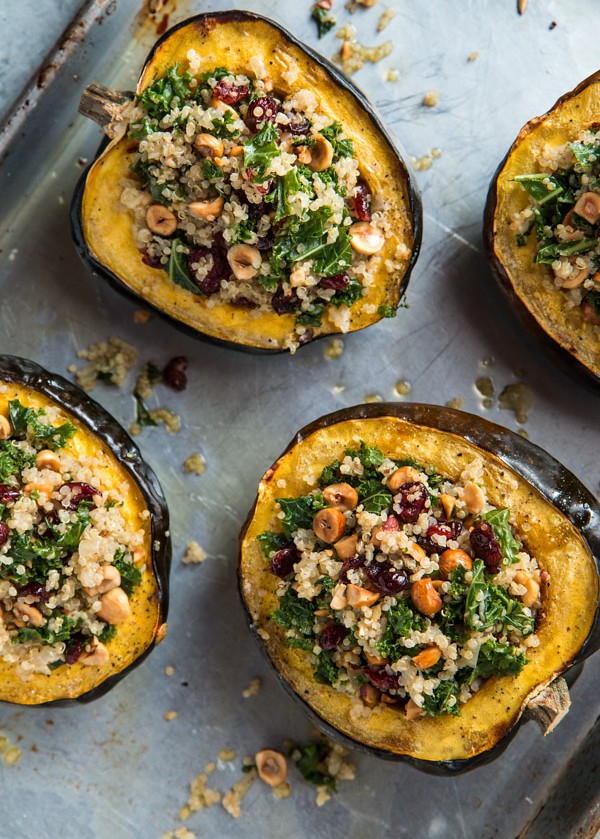
Credit: www.willcookforfriends.com
Serving Suggestions
Serving stuffed acorn squash can be simple and delightful. The right sides and presentation make your meal inviting. These tips help create a balanced and attractive plate. They suit family dinners or special occasions alike.
Side Dishes Pairings
- Light green salads with lemon vinaigrette complement the sweetness.
- Roasted Brussels sprouts add a crispy, earthy flavor contrast.
- Quinoa or wild rice serve as hearty, healthy grains.
- Steamed green beans offer a fresh, crunchy texture.
- Warm crusty bread helps soak up any extra juices.
Presentation Ideas
- Serve the squash halves on rustic wooden boards for charm.
- Sprinkle fresh herbs like parsley or thyme on top.
- Drizzle a bit of olive oil or balsamic glaze for shine.
- Place colorful side dishes around the squash for variety.
- Use contrasting plates, such as white or dark ceramic, to highlight colors.
Health Benefits
Stuffed acorn squash is not only a delicious meal but also a powerhouse of health benefits. This dish offers a great way to enjoy seasonal produce while fueling your body with essential nutrients. Understanding what makes acorn squash so good for you can inspire you to make it a regular part of your meals.
Nutritional Highlights
Acorn squash is rich in vitamins and minerals that support your overall health. It provides a good dose of vitamin C, which helps boost your immune system and supports skin health.
It’s also packed with fiber, aiding digestion and helping you feel full longer. The natural sweetness of the squash comes with low calories, making it a smart choice for weight management.
Plus, it contains potassium, which helps regulate blood pressure and supports heart health. Adding protein-rich fillings like quinoa or beans can balance the meal and provide sustained energy.
Diet-friendly Variations
Depending on your diet, you can easily adjust the stuffing to fit your needs. For a low-carb option, try using cauliflower rice and sautéed vegetables instead of grains.
If you follow a vegan or vegetarian diet, nuts, seeds, and legumes make excellent protein-packed fillings. Those who prefer a paleo or keto approach can add ground meat or cheese for extra flavor and nutrition.
Have you considered how swapping ingredients can keep this recipe fresh and aligned with your health goals? Experimenting with different fillings can keep your meals exciting and nutrient-dense without extra effort.
Troubleshooting Tips
Cooking stuffed acorn squash can be a delightful experience, but sometimes things don’t turn out exactly as you hoped. Whether it’s a texture issue or a flavor imbalance, a few tweaks can make all the difference. Let’s dive into some troubleshooting tips that can help you perfect your recipe and impress anyone at your table.
Avoiding Soggy Squash
Soggy squash is a common problem that can ruin the texture of your dish. To prevent this, try roasting the squash halves separately before stuffing. This allows the flesh to cook and dry out a bit, giving you a firmer base.
Avoid overfilling your squash with wet ingredients. If your stuffing contains vegetables or grains that release moisture, drain or cook them beforehand. This small step keeps the squash from becoming waterlogged during baking.
Have you noticed your squash sitting in a pool of liquid after baking? Try placing the stuffed squash on a wire rack set over a baking sheet. This lets excess moisture drip away and keeps the bottom from turning mushy.
Balancing Flavors
Stuffed acorn squash offers a great opportunity to mix sweet, savory, and spicy elements. However, it’s easy to let one flavor overpower the others. Taste your stuffing as you prepare it and adjust seasoning gradually.
Think about contrast. If your stuffing is rich or salty, add a touch of sweetness like dried cranberries or a drizzle of maple syrup. If it’s too sweet, balance it with a pinch of salt or a squeeze of lemon juice.
Consider the texture of ingredients too. Crunchy nuts or fresh herbs can brighten up the dish and add layers of flavor. What unexpected ingredient could you add to surprise your taste buds?
Frequently Asked Questions
What Ingredients Are Needed For Stuffed Acorn Squash?
Stuffed acorn squash requires acorn squash, cooked grains, vegetables, cheese, and seasonings. Common fillings include quinoa, rice, mushrooms, spinach, and herbs. This combination creates a flavorful, nutritious meal that is easy to prepare and perfect for fall or winter dinners.
How Long Does It Take To Bake Acorn Squash?
Baking acorn squash typically takes 40 to 50 minutes at 400°F (200°C). The squash is done when it is tender and easily pierced with a fork. Baking times may vary based on the squash size and oven accuracy.
Can I Prepare Stuffed Acorn Squash In Advance?
Yes, you can prepare stuffed acorn squash ahead of time. Assemble the squash and filling, then refrigerate for up to 24 hours. Bake it fresh when ready to serve for optimal taste and texture.
Is Stuffed Acorn Squash Healthy And Nutritious?
Yes, stuffed acorn squash is healthy and nutrient-rich. It provides fiber, vitamins A and C, antioxidants, and complex carbohydrates. Using fresh vegetables and whole grains adds to its health benefits, making it a balanced meal option.
Conclusion
This easy stuffed acorn squash recipe makes a tasty meal. It uses simple ingredients you can find anywhere. You can enjoy it for lunch or dinner. The flavors mix well and bring warmth to your plate. Try it once, and you may want it again.
Cooking this dish does not take much time. It fits perfectly into busy weeknights or relaxed weekends. Give yourself a chance to enjoy this healthy, delicious dish soon.

Hi, I’m Daniel Brooks—a food lover and kitchen gear enthusiast. I enjoy testing cookware, utensils, and gadgets to see what really works in everyday cooking. At PlugChef.com, I share honest reviews, comparisons, and simple guides to help you choose the best tools for a safer, smarter, and more enjoyable kitchen.
Related posts:
 What Type of Cooking Utensils are Safe: Expert Picks
 What Innovations Could Blenders Make: Unleashing Future Tech
 Smart Strategies to Organize a Small Kitchen: Maximize Space
 How to Organize a Kitchen Cabinet: Expert Tips & Tricks
 How to Organize Kitchen Drawers: Expert Tips and Tricks
 How to Organize a Corner Kitchen Cupboard: Expert Tips

