
A good soak can turn a grimy, sticky grill grate into a near-new cooking surface with far less elbow grease. This guide walks you through safe, material-specific soaking methods, the exact solutions and times to use, how to scrub and finish the job, and how to avoid mistakes that lead to rust or damaged finishes. Follow the step‑by‑step process below and your next cookout will start with a clean, evenly heating grate.
Grab your gloves and pick a method that matches your grate material — then follow the step-by-step section to get started.

Seasoning grates helps protect after cleaning.
Credit: www.smokedbbqsource.com
Why soak grill grates?
Soaking softens and lifts baked-on grease, carbon, and food particles so they come off with minimal scraping. Compared with scraping alone, soaking:
- Reduces time and effort during scrubbing.
- Protects finishes (porcelain/enameled coating) by avoiding aggressive scraping.
- Allows for gentler, material-appropriate cleaning of cast iron and stainless steel.
- Lowers the risk of flare-ups from residual grease.
For food-handling and safety basics that apply to grilling and cleanup, consult the USDA food‑safety guidance. Properly cleaned grates reduce off‑flavors and food-safety risks.

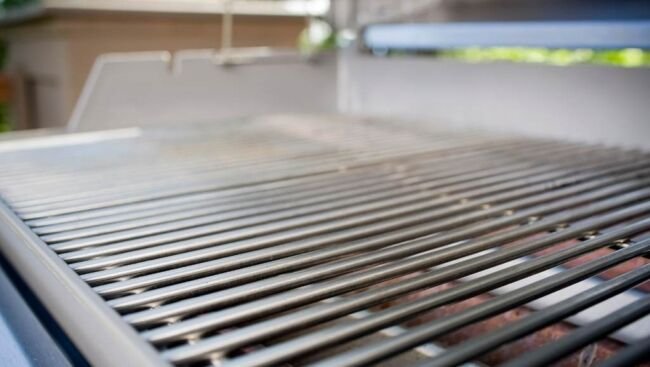
Typical buildup before soaking.
Credit: www.smokedbbqsource.com
Identify your grate material (and why it matters)
Different materials respond differently to soaking and scrubbing. Choose the method and soak time below that matches your grates.
- Stainless steel: Durable and rust‑resistant. Can tolerate longer soaks and stronger cleaners; still rinse thoroughly.
- Porcelain‑coated (enameled) steel: The porcelain layer chips if scrubbed with steel wool or dropped. Use gentler chemical solutions and soft brushes.
- Cast iron (bare or seasoned): Highly reactive to water — avoid long soaks. Risk of flash rust if not dried and oiled immediately.
- Chrome‑plated steel: Thin chrome can flake; use mild solutions and gentle tools.
In practice, a one-size-fits-all soak is the quickest way to damage a grate. Match method to material before soaking.
Best soaking solutions — quick comparison
| Solution | Best for | Typical soak time | Notes / precautions |
|---|---|---|---|
| Warm water + dish soap | Light–moderate grease; all materials | 30–60 minutes | Safe, cheap, non-corrosive |
| Hot water + degreasing dish soap | Heavy grease | 30–60 minutes | Use heat-safe container; speeds grease break‑down |
| White vinegar (1:1) + baking soda paste | Carbon spots, rust spots | 20–60 minutes | Vinegar is acidic — rinse well; avoid long soak on cast iron |
| Commercial grill cleaner (label‑approved) | Stubborn carbon (stainless/porcelain) | As label directs | Follow PPE and rinsing instructions; choose food‑safe formulas |
| Grill stone / mechanical methods | Enamel, porcelain, light carbon | No soak needed | Use stone on warm (not hot) grates; avoid on cast iron seasoning |
If you use chemical cleaners, handle and dispose of them responsibly — for guidance on household chemical disposal see the EPA’s disposal guidance.
Universal step‑by‑step: soak and clean (one method that works reliably)
This sequence works for most grill owners. Adjust soak times by material (see earlier).
- Cool and remove grates. Let the grill cool completely. Wear heavy gloves and lift grates straight up to avoid bending.
- Pre-scrape. With a stiff (material-appropriate) brush or scraper, remove loose chunks of food and ash. This makes soaking faster.
- Choose a container. Use a tub, large sink, plastic storage tote, or a sturdy trash bag inside a tub. The grates should be fully submerged without bending.
- Prepare solution. For everyday cleaning: fill container with the hottest tap water available and add a few tablespoons of grease-cutting dish soap per gallon of water. For heavy carbon add 1:1 white vinegar:water or a tablespoon of bicarbonate of soda as a paste for target spots.
- Submerge and cover. Let grates soak: stainless 30–60 minutes, porcelain 30–120 minutes, cast iron 10–20 minutes (shorter is safer).
- Scrub while wet. After soaking, use a brass‑bristle or nylon brush (avoid steel wool on porcelain) and scrub with the grain of the grate bars. For cast iron, use a stiff nylon brush, not a wire brush that strips seasoning.
- Rinse thoroughly. Rinse under a hose or in fresh water until all soap or cleaner is gone. Residual cleaner can affect flavor and food safety.
- Dry immediately. Towel dry and then place grates on the grill and heat to medium (10–15 minutes) to drive off remaining moisture.
- Oil (if applicable). For cast iron and stainless, apply a thin coat of high‑smoke‑point oil (canola, grapeseed) after drying to protect and reduce sticking.
In practice, the soaking step rarely solves everything — stubborn carbon often needs a combination of soak + mechanical removal.
Material‑specific notes and timing
- Stainless steel: Soak up to 60 minutes; safe with mild commercial cleaners. Scrub with stainless or brass brush; avoid harsh abrasives that scratch the surface.
- Porcelain/enamel: Avoid steel wool or harsh alkaline oven cleaners — these can dull or chip enamel. Soak 30–120 minutes in warm soapy water or 1:1 vinegar/water for stubborn spots; scrub with a nylon brush or grill stone.
- Cast iron (seasoned): Do not soak more than 10–20 minutes. Prolonged soaking strips seasoning and causes flash rust. After cleaning, dry immediately and re-season while warm: rub a thin coat of oil and heat.
- Chrome plated: Treat like porcelain — gentle cleaning, short soaks, mild soaps.
Removing rust and heavy carbon
Rust on cast iron:
- Light rust: scrub with a nylon scrub pad or fine steel wool until bare metal, then wash, dry, and re-season immediately.
- Heavy rust: use a baking soda or vinegar paste, scrub, then reseason.
Carbon buildup:
- Make a paste of baking soda and water, apply to spots, let sit 15–30 minutes, then scrub.
- For very stubborn carbon on stainless or enamel, a purpose-made grill cleaner often works but read the label and rinse thoroughly.
Avoid oven cleaner on porcelain grates — many oven cleaners contain caustics that can damage the enamel and leave residues. If you choose a heavy chemical, follow the product’s safety directions and rinse repeatedly.
Tools and supplies that make soaking easier
- Large plastic tub or utility sink (heat-tolerant)
- Heavy gloves and eye protection
- Long-handled brass or nylon grill brush
- Grill stone (non-scratching for porcelain)
- Plastic scraper or spatula for large chunks
- Garden hose and towels for drying
- High smoke‑point oil (canola, grapeseed)
A tub big enough to fully submerge grates makes the job much faster and neater.
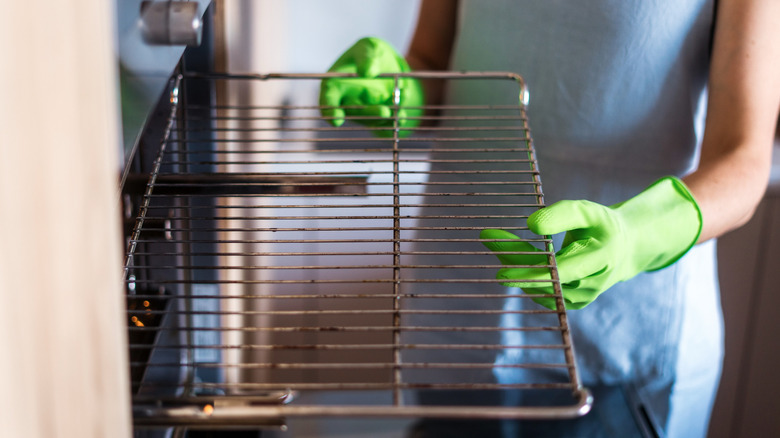
Using a grill stone to remove residue.
Credit: www.tastingtable.com
Safety and disposal tips
- Work outdoors or in a well‑ventilated area when using commercial cleaners.
- Wear gloves and eye protection around acidic or caustic solutions.
- Never mix commercial cleaners (e.g., bleach + ammonia) — dangerous gases can form.
- Dispose of wash water according to local regulations; do not pour strong chemical solutions into storm drains. For general household chemical disposal guidance see the EPA’s disposal information.
Common mistakes to avoid
- Leaving cast iron to soak overnight — it will rust and lose seasoning.
- Using a wire brush on porcelain/enameled grates — this chips the finish.
- Failing to dry and oil grates after cleaning — moisture equals rust.
- Relying on one method only — sometimes a short soak, then heat burn-off, then a scrub is the fastest effective route.
- Not rinsing commercial cleaners fully — residue impacts flavor and food safety.
Frequently Asked Questions
Q: How long should I soak grill grates? A: It depends on material and grime level. Typical ranges: cast iron 10–20 minutes, stainless 30–60 minutes, porcelain 30–120 minutes. For heavy carbon a longer soak plus targeted scrubbing will be necessary. If in doubt, start short and repeat.
Q: Can I soak cast iron grates in water? A: You can, but keep it brief. In practice, a quick warm soapy soak (10–20 minutes), immediate towel drying, then heating and re‑oiling avoids flash rust and seasoning loss. If a grate gets rusty, scrub to bare metal and reseason.
Q: Is vinegar safe for porcelain enamel? A: Short vinegar soaks (1:1 with water) help loosen grime and can be used, but avoid prolonged exposure and always rinse well. For enamel, mechanical scraping should be gentle (nylon brush or stone).
Q: Are commercial grill cleaners safe to use? A: Many are effective; choose one labeled for food-contact surfaces and follow instructions, including PPE and rinsing. Never use household oven cleaners on enamel grates without verifying compatibility.
Q: How often should I deep‑soak my grates? A: Light scraping after each use and a hot burn-off every few cooks will reduce the need to soak. Deep soaks are useful every few months or after heavy use, or sooner if grime accumulates.
Conclusion
Soaking grill grates is one of the most efficient ways to remove baked-on grease and food without damaging grate surfaces — when you match the solution and time to the grate material, pre-scrape, rinse, dry, and re-oil. For routine upkeep combine short post‑cook scrapes with periodic soaks to keep grates heating evenly and food tasting great.
Grab your tub, pick the right solution for your grate type, and follow the step‑by‑step method above to get sparkling grates before your next cookout.

I’m Abby Lu, a passionate home cook who loves simplifying everyday meals. At PlugChef.com, I share product reviews and cooking guides to help you find the best tools for your kitchen.
Related posts:
 What Oil to Use on Cutting Board: Best Options Revealed
 Is Teak Wood Good for Cooking Utensils: Discover Benefits
 How to Build End Grain Cutting Board: Step-by-Step Guide
 Scuba Diving First Aid Kit: Essential Gear for Safe Adventures
 Bulk Mini First Aid Kits: Essential Safety Solutions for Everyone
 First Aid Kits for Workplace: Essential Safety Gear You Need Now

