
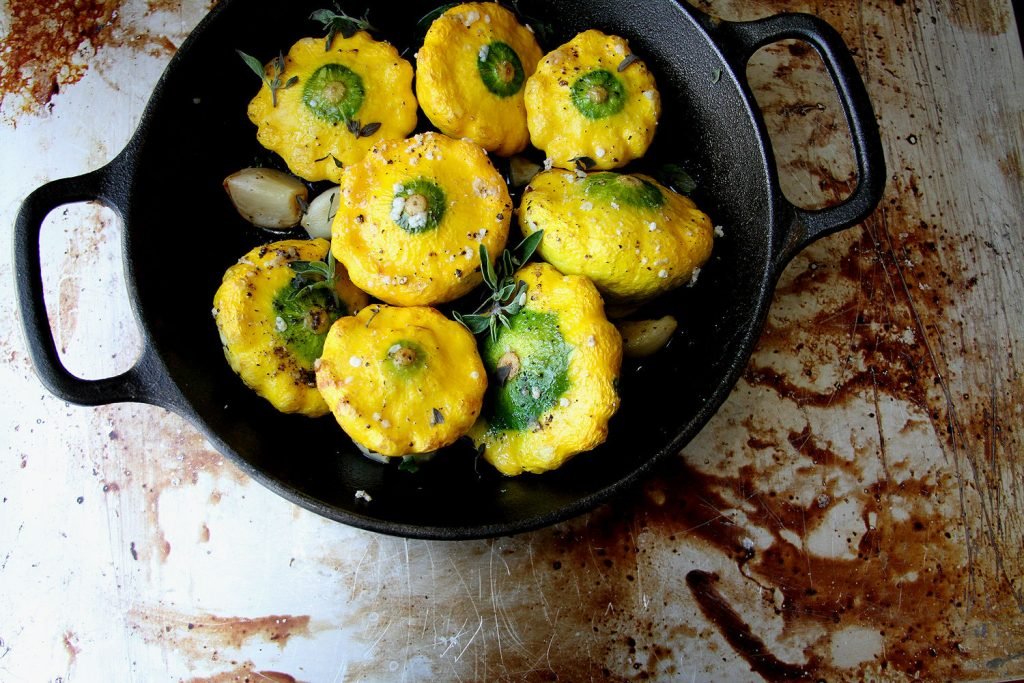
Pan squash (also called pattypan or scallop squash) is one of summer’s most underrated vegetables: mild, slightly sweet, and ready to cook in 10 minutes or less, it’s the perfect quick side dish for weeknights, summer cookouts, and light meals alike. If you’ve ever wondered how to cook pan squash without turning it mushy or bland, this guide has you covered. We’ll walk you through selecting the best specimens, prepping them correctly, three foolproof cooking methods, three easy recipes to try tonight, creative serving ideas, and pro tips for storing leftovers so nothing goes to waste.
What Is Pan Squash?
A member of the Cucurbita pepo species (the same family as zucchini, yellow squash, and pumpkins), pan squash is recognizable by its small, fluted, disc-like shape, typically ranging from 2 to 6 inches in diameter. It comes in pale green, golden yellow, and even white varieties, all with a tender, mild flavor and soft edible skin when young. Unlike larger winter squash, pan squash is harvested when immature, so it doesn’t require long cooking times and has a crisp, refreshing texture when raw. Overripe squash, by contrast, develops thick, woody flesh and a bitter taste, so selecting young, small specimens is key to the best results.
Selecting the Freshest Pan Squash
Fresh, high-quality pan squash will have the best texture and flavor, cooking up tender and sweet rather than soggy or bitter. A few quick checks at the grocery store or farmers market will ensure you pick the perfect squash every time.
How to Pick Perfect Specimens
Look for squash that feels firm and heavy for its size — this indicates high moisture content and tender flesh. Avoid any with soft, sunken spots, cracks, or wrinkled skin, as these are signs of age or damage. The stem should be green, plump, and firmly attached; a dry, brittle stem means the squash was harvested weeks ago and will likely be tough and bitter. For the best texture, opt for smaller squash (2-3 inches in diameter), as larger specimens often develop tough, woody seeds and thicker skin.
Peak Season & Sourcing
Pan squash reaches its peak flavor and lowest cost during peak seasonal produce windows from mid-July to early September in most U.S. growing regions, per the USDA. Farmers markets are an excellent source for ultra-fresh, young squash, often harvested just 1-2 days before sale. Grocery store squash may last longer in storage, but it is often larger and slightly older, so it may have a denser, less tender texture. For the best taste, cook pan squash within 2-3 days of purchase.
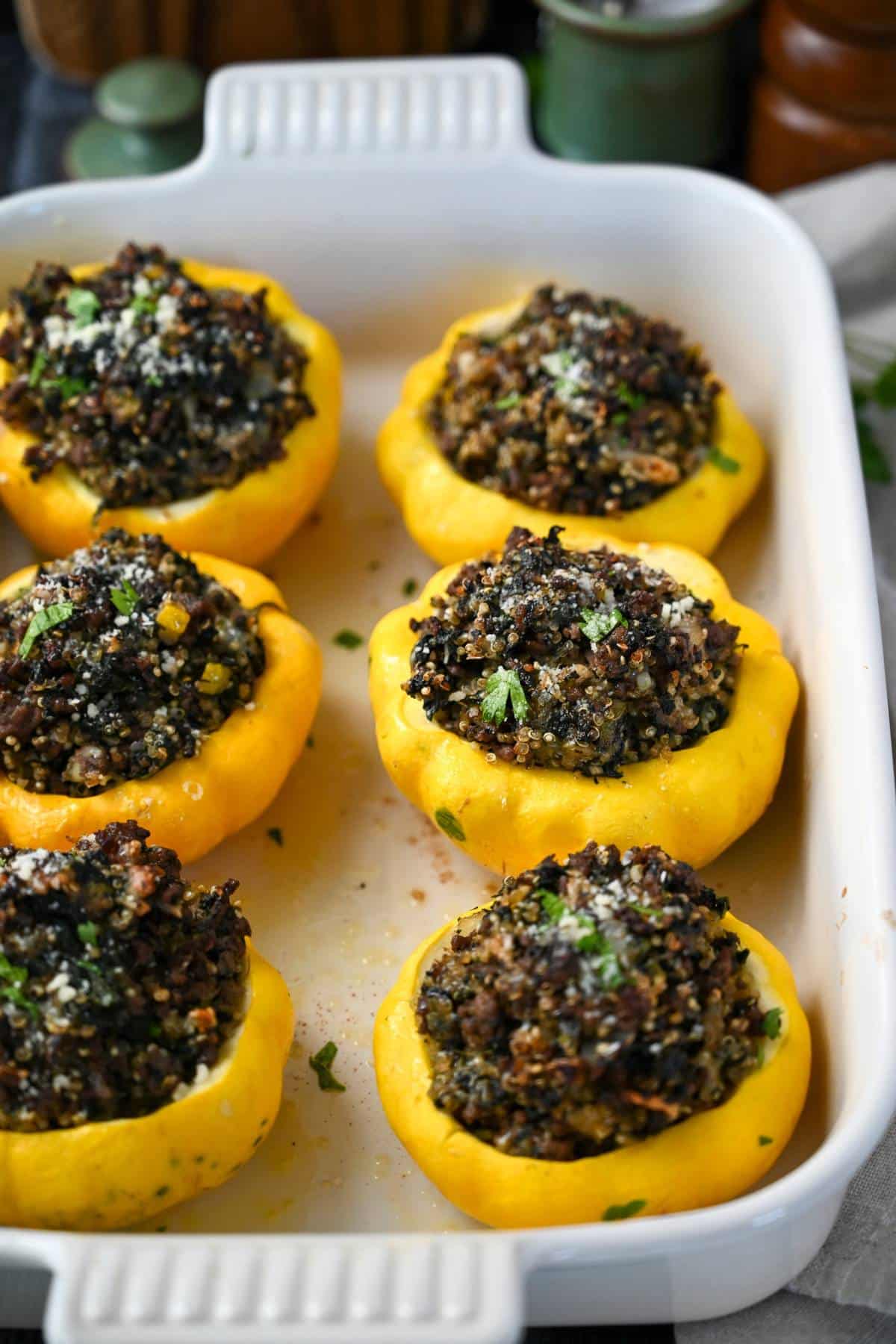 Stuffed pan squash is a hearty, crowd-pleasing option for summer meals.
Credit: ameessavorydish.com
Stuffed pan squash is a hearty, crowd-pleasing option for summer meals.
Credit: ameessavorydish.com
Prepping Pan Squash for Cooking
Prepping pan squash is fast and straightforward, and proper preparation ensures even cooking and maximum flavor. Follow these simple steps to get your squash ready for any cooking method.
Cleaning & Trimming
The fluted ridges of pan squash can trap dirt and debris, so scrub the skin thoroughly with a sturdy produce brush under cool running water before drying with a clean towel. Trim the tough stem and blossom ends off with a sharp knife; if you’re planning to stuff the squash, you can leave a small ½-inch stem attached for a nicer presentation. If you’re not stuffing the squash, you don’t need to remove the seedy pulp — it’s fully edible and cooks along with the flesh, though you can scoop it out if you prefer a smoother texture for dishes like soups or fritters. Pro tip: save the seeds! Rinse them, toss with a little oil and salt, and roast at 350°F for 10-12 minutes for a crunchy, nutritious snack.
Cutting Techniques for Different Cooking Methods
Your cutting style will depend on how you plan to cook the squash:
- For sautéing or stir-frying: Slice into ¼-inch uniform rounds or matchsticks for even, fast cooking.
- For roasting: Cut into 1-inch cubes to maximize caramelization on the edges.
- For stuffing: Cut in half lengthwise, leaving a ¼-inch border around the edges to hold filling without collapsing.
- For soups or purees: Cut into 1-inch chunks for quick, even cooking.
Always use a clean, sharp knife and stable cutting board for prepping; for a personalized upgrade, check out our guide to engraved cutting boards for a durable, custom kitchen staple.
3 Simple, Foolproof Cooking Methods
Pan squash cooks quickly with minimal effort, and these three methods work for every skill level. Each brings out a slightly different flavor and texture, so you can pick the one that fits your meal plan.
Sautéed Pan Squash (Quick & Flavorful)
Sautéing is the fastest way to cook pan squash, perfect for busy weeknights. Heat 1 tablespoon of olive oil or butter in a 10-inch skillet over medium-high heat. Add the squash slices in a single layer — a common error when sautéing pan squash is overcrowding the pan, which traps steam and leads to soggy, un-browned squash instead of the crispy, caramelized edges most people prefer. Cook in batches if you’re making a large quantity. Cook for 4-5 minutes per side, stirring occasionally, until golden brown and tender-crisp. Add 2 cloves of minced garlic in the last 30 seconds of cooking to avoid burning, then season with salt, pepper, and fresh parsley. The end result is a quick, flavorful side that pairs with everything from grilled chicken to pasta.
 A simple garlic butter sauté is one of the fastest ways to enjoy pan squash.
Credit: www.savingdessert.com
A simple garlic butter sauté is one of the fastest ways to enjoy pan squash.
Credit: www.savingdessert.com
Roasted Pan Squash (Rich & Caramelized)
Roasting brings out pan squash’s natural sweetness and adds a rich, nutty depth. Preheat your oven to 400°F (200°C), and line a baking sheet with parchment paper for easy cleanup. Toss 1 inch cubes of squash with 1 tablespoon of olive oil, 1 teaspoon of dried thyme, ½ teaspoon of garlic powder, ¼ teaspoon of salt, and ¼ teaspoon of black pepper until evenly coated. Spread in a single layer on the baking sheet, and roast for 18-22 minutes, flipping halfway through, until caramelized at the edges and tender when pierced with a fork. The high heat caramelizes the natural sugars in the flesh, creating a crispy exterior and tender, almost creamy interior. Leftover roasted squash stores perfectly for meal prep, and works equally well served hot as a side or cold in salads and grain bowls.
Steamed Pan Squash (Light & Nutrient-Dense)
Steaming is the ideal choice if you want to preserve pan squash’s bright color and maximum nutrient content, as it doesn’t require any added fat and avoids the nutrient loss that can come with high-heat cooking. Fill a pot with 1 inch of water, bring to a boil, then place sliced or cubed squash in a steamer basket. Cover and steam for 5-7 minutes for slices, 8-10 minutes for cubes, until tender when pierced with a fork. It’s also a great method for cooking squash that will be blended into soups or purees, as it keeps the flesh moist and easy to blend. Finish with a squeeze of lemon juice and a sprinkle of fresh dill for a bright, light side dish.
Easy, Delicious Pan Squash Recipes
These three beginner-friendly recipes come together in 30 minutes or less, and use minimal ingredients to let pan squash’s natural flavor shine. Each serves 4 as a side dish.
Garlic Butter Sautéed Pan Squash
- 1 lb pan squash, sliced into ¼-inch rounds
- 2 tbsp unsalted butter
- 2 cloves garlic, minced
- ¼ tsp salt
- ¼ tsp black pepper
- 1 tbsp fresh parsley, chopped (optional)
- Melt butter in a 10-inch skillet over medium heat. Add garlic and sauté for 30 seconds until fragrant, taking care not to burn it.
- Add squash slices in a single layer, and cook for 4-5 minutes per side until golden and tender.
- Season with salt and pepper, garnish with parsley if desired, and serve warm. Pro tip: Add a pinch of red pepper flakes with the garlic for a subtle kick.
Herb-Roasted Pan Squash
- 1 lb pan squash, cut into 1-inch cubes
- 1 tbsp olive oil
- 1 tsp dried thyme
- 1 tsp dried rosemary
- ½ tsp garlic powder
- ¼ tsp salt
- ¼ tsp black pepper
- ¼ cup crumbled feta (optional)
- Preheat oven to 400°F (200°C) and line a baking sheet with parchment paper.
- Toss squash cubes with all ingredients (except feta) until evenly coated.
- Spread in a single layer on the baking sheet and roast for 20 minutes, flipping halfway through, until crispy at the edges.
- Top with crumbled feta before serving, if desired. Pro tip: Toss roasted squash with a drizzle of balsamic glaze for a sweet-savory side.
Pan Squash & Corn Stir-Fry
- 1 lb pan squash, cut into matchsticks
- 1 cup fresh corn kernels
- 1 red bell pepper, sliced thin
- 2 cloves garlic, minced
- 1 tsp grated fresh ginger
- 1 tbsp low-sodium soy sauce
- 1 tsp sesame oil
- 1 tbsp vegetable oil
- Heat vegetable oil in a wok or large skillet over high heat. Add garlic and ginger, and sauté for 10 seconds until fragrant.
- Add bell pepper and corn, and stir-fry for 2 minutes until slightly softened.
- Add squash matchsticks, and stir-fry for 3-4 minutes until crisp-tender.
- Add soy sauce and sesame oil, toss to coat, and serve immediately over rice or noodles. Pro tip: Add cubed tofu or shrimp for a protein-packed complete meal.
Creative Ways to Use Pan Squash in Meals
Pan squash’s mild flavor and tender texture make it a versatile addition to almost any meal, far beyond just a basic side dish.
Salads & Cold Dishes
Raw, thinly shaved pan squash (use a mandoline for even slices) adds a crisp, refreshing crunch to green salads, pairing perfectly with tangy vinaigrettes and creamy cheeses like goat cheese or feta. Roasted, cooled pan squash cubes also work well in grain bowls, adding a subtle sweetness to quinoa, farro, or rice salads. For a summer charcuterie board, pair roasted cubes with perfect charcuterie pairings like aged cheddar, cured prosciutto, and honey for a sweet-savory contrast.
Protein Pairings
Pan squash complements almost every protein, from chicken and pork to fish and tofu. Sautéed squash with garlic and herbs pairs perfectly with pan-seared salmon, as its mild sweetness balances the fish’s rich, fatty flavor. Roasted squash works alongside grilled chicken breast or pork chops, and steamed squash is a light, low-calorie side for baked tofu or turkey meatloaf. For a quick vegetarian meal, top a bed of sautéed squash with a fried egg and a sprinkle of chili flakes for a protein-packed breakfast or lunch.
Soups, Stews & More
Add diced pan squash to soups, stews, and curries for a subtle sweetness and extra texture. It works particularly well in minestrone, chicken and vegetable stew, and coconut curry. For a silky summer soup, blend steamed pan squash with vegetable broth, a splash of heavy cream, and a pinch of nutmeg for a light, velvety dish that’s perfect served cold or hot. You can also grate raw pan squash and add it to pancake or fritter batter for a subtle sweetness and extra moisture, or mix it with egg and breadcrumbs to make crispy, vegetarian fritters.
 Pan squash fritters make a delicious vegetarian appetizer or light lunch.
Credit: uglyducklingbakery.com
Pan squash fritters make a delicious vegetarian appetizer or light lunch.
Credit: uglyducklingbakery.com
Pro Tips for Maximum Flavor
While pan squash is delicious with minimal seasoning, a few small tweaks can take it from good to great. Start with a base of flaky sea salt and freshly cracked black pepper to amplify its natural sweetness, then add depth with spices like smoked paprika, garlic powder, or a pinch of cayenne for heat. For bright, fresh flavor, finish dishes with a squeeze of lemon juice, a sprinkle of zest, or a handful of chopped fresh herbs like basil, thyme, or dill. Avoid adding delicate herbs like basil or parsley at the start of cooking, as high heat will make them wilt and lose their flavor — stir them in during the last 30 seconds of cooking instead.
A common mistake many home cooks make is overcooking pan squash, which turns it mushy and dulls its sweet flavor. Check for doneness early: it’s ready when it can be pierced easily with a fork but still has a slight crunch, not soft all the way through. After cooking, scrub any baked-on oil or herb residue off pans with a heavy-duty cleanup tool to avoid scrubbing scratches on non-stick surfaces. If you’re cooking with young children in the kitchen, install lower cabinet locks on base cabinets to keep cleaning supplies, sharp knives, and hot pan handles out of reach.
Storing & Reheating Leftover Pan Squash
Proper storage and reheating will keep leftover pan squash tasting fresh for days, reducing food waste and cutting down on future meal prep time.
Fridge Storage
Cooked pan squash leftovers will stay fresh in an airtight glass container in the refrigerator for 3 to 4 days. Per FDA safe food handling guidelines, never store hot leftovers directly in the fridge, as the rapid temperature change can promote bacterial growth and make other fridge items spoil faster. Let cooked squash cool to room temperature (no more than 2 hours) before sealing and refrigerating.
Freezing for Long-Term Use
For longer storage, freeze cooked squash for up to 3 months: spread cooled, cooked squash in a single layer on a parchment-lined baking sheet, freeze for 1 hour until solid, then transfer to a freezer bag, squeezing out as much air as possible to prevent freezer burn. Thaw frozen squash in the fridge overnight before using, or add it directly to soups and stews while frozen.
Reheating Without Losing Texture
The best way to reheat pan squash is in a skillet over medium-low heat with 1 teaspoon of olive oil or butter, stirring occasionally for 2-3 minutes until warmed through. This preserves its crisp-tender texture and caramelized flavor better than the microwave. If you’re short on time, you can microwave leftovers in 30-second bursts, stirring between each burst, to avoid hot spots and sogginess. Finish reheated squash with a squeeze of lemon juice or a sprinkle of fresh herbs to revive its bright flavor. Note that leftover roasted squash is also delicious cold, added directly to salads or grain bowls with no reheating needed.
Frequently Asked Questions
Can I eat pan squash raw?
Yes! Young, tender pan squash has a mild, crisp texture that works well raw. Shave it into thin ribbons with a mandoline for salads, or slice it into thin rounds to use as a low-carb cracker substitute for dips. Avoid raw squash that feels tough or has thick skin, as it will be bitter and hard to digest.
What’s the best way to prep pan squash for cooking?
Start by scrubbing the fluted skin with a brush to remove dirt, then trim the stem and blossom ends. Cut into uniform pieces based on your cooking method: ¼-inch rounds for sautéing, 1-inch cubes for roasting, or halves for stuffing. Scoop out the seedy pulp if stuffing, but you can save the seeds to roast as a snack.
How long does pan squash take to cook?
Cooking time varies by method and size: sautéed slices cook in 4-6 minutes, roasted cubes take 18-22 minutes at 400°F, and steamed slices are done in 5-7 minutes. Always check for doneness by piercing with a fork: it should slide in easily with no resistance, but the squash should still have a slight crunch, not be mushy.
Can I bake pan squash instead of pan-frying it?
Absolutely! Roasting is a hands-off, low-mess alternative to sautéing. Toss cubes or halves with a little oil and seasoning, then bake at 400°F until tender and caramelized at the edges. It’s perfect for meal prep, as roasted squash holds up well in the fridge for several days.
What seasonings work best with pan squash?
Pan squash’s mild, slightly sweet flavor pairs well with almost any seasoning. For simple dishes, stick to salt, black pepper, and a drizzle of olive oil. For more depth, add garlic, smoked paprika, thyme, or rosemary. For brightness, finish with a squeeze of lemon juice or a sprinkle of fresh basil or dill.
How do I know if pan squash is overripe?
Overripe pan squash will feel heavy for its size, have thick, hard skin, dull or wrinkled spots, and a dry, brittle stem. The flesh may also taste bitter or have a tough, spongy texture. If your squash is only slightly overripe, you can halve it, scoop out the seedy pulp, and use the firmer outer flesh for roasting or blending into soups.
Conclusion
Cooking pan squash doesn’t have to be complicated: with just a few simple steps, you can turn this underrated summer vegetable into a flavorful, healthy side dish, appetizer, or meal component in 30 minutes or less. Whether you prefer the quick crisp-tender texture of sautéed squash, the rich caramelized flavor of roasted squash, or the light, nutrient-dense profile of steamed squash, there’s a cooking method to fit every schedule and taste. The three easy recipes in this guide are a great starting point, but don’t be afraid to experiment with different seasonings, herbs, and serving ideas to find your favorite way to enjoy it. Ready to try your hand at pan squash? Grab a fresh bunch from your local farmers market or grocery store this week, and for easier kitchen prep and cleanup, explore our range of durable, easy-to-clean cleaning tools designed for home cooks.

I’m Abby Lu, a passionate home cook who loves simplifying everyday meals. At PlugChef.com, I share product reviews and cooking guides to help you find the best tools for your kitchen.
Related posts:
 Seville Expandable Cabinet And Pantry Organizer: Space Savior
 Glideware Pull Out Cabinet Organizer for Pots & Pans: Space Saver
 Small 3-Tier Shelf Organizer: Maximize Space Effortlessly
 Trader Joe’S Spicy Lentil Wrap: Delicious, Healthy, and Quick Meal!
 Easy Way to Peel Pumpkin: Quick Tips for Effortless Prep
 How Long Do Grapes Last: Ultimate Freshness Guide Revealed

