
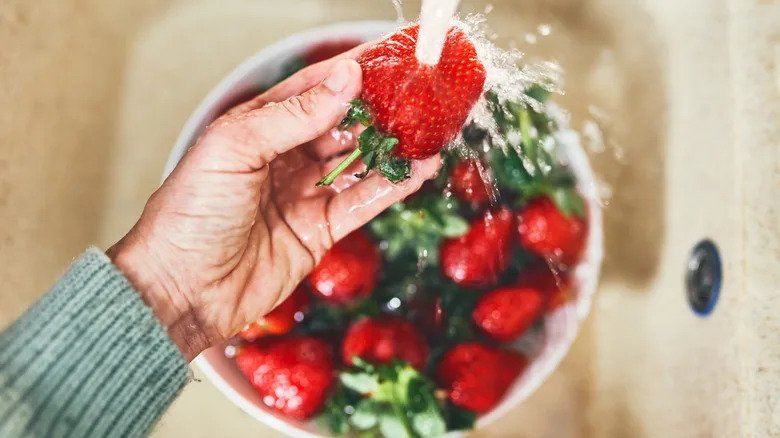
Strawberries are one of summer’s most beloved fruits, but their textured, crevice-filled surface makes them uniquely prone to trapping dirt, small insects, pesticide residue, and surface bacteria from harvest and transport. While a quick rinse under tap water removes loose debris, it misses the gunk hiding in the fruit’s tiny seed pockets. Soaking strawberries in salt water is a low-effort, food-safe, budget-friendly method that outperforms plain rinsing, leaving berries crisp, clean, and sweeter-tasting. This 2026 updated guide walks you through the science-backed method, common mistakes to avoid, and pro tips to keep your berries fresh longer.
 Freshly cleaned strawberries are perfect for sandwiches, salads, and fresh eating.
Credit: food52.com
Freshly cleaned strawberries are perfect for sandwiches, salads, and fresh eating.
Credit: food52.com
Why the Salt Water Soak Works for Strawberries
Strawberries are aggregate fruits with a bumpy, porous surface full of tiny crevices that trap debris even after a quick rinse. The salt water soak leverages simple chemistry to lift this hidden grime without damaging the fruit’s delicate structure.
What Salt Water Removes That Tap Rinsing Misses
Per USDA produce handling guidelines, running water removes roughly 90% of surface residues from produce, but porous fruits like strawberries need an extra boost to clean hidden gaps. A mild salt solution effectively targets:
- Surface dirt and soil particles from field harvesting
- Small soft-bodied insects (aphids, thrips, fruit fly eggs) hiding in crevices
- Non-waxed surface pesticide residues
- Surface bacteria like E. coli and Salmonella that can contaminate berries during packing and transport Unlike harsh chemical produce washes, salt is food-safe, leaves no harmful residues, and won’t alter the fruit’s natural flavor when used correctly and rinsed thoroughly.
The Science Behind the Method
Salt water creates a slightly hypertonic environment that draws small insects and loose debris out of the berry’s crevices without breaking down the fruit’s cell walls. This is key: hot water or acidic solutions (like undiluted vinegar) can break down cell walls, leading to mushy texture and faster spoilage, while salt water cleans gently. In practice, many people report seeing tiny specks or bugs float to the top of the soak water after 5 minutes—this is a sign the method is working as intended.
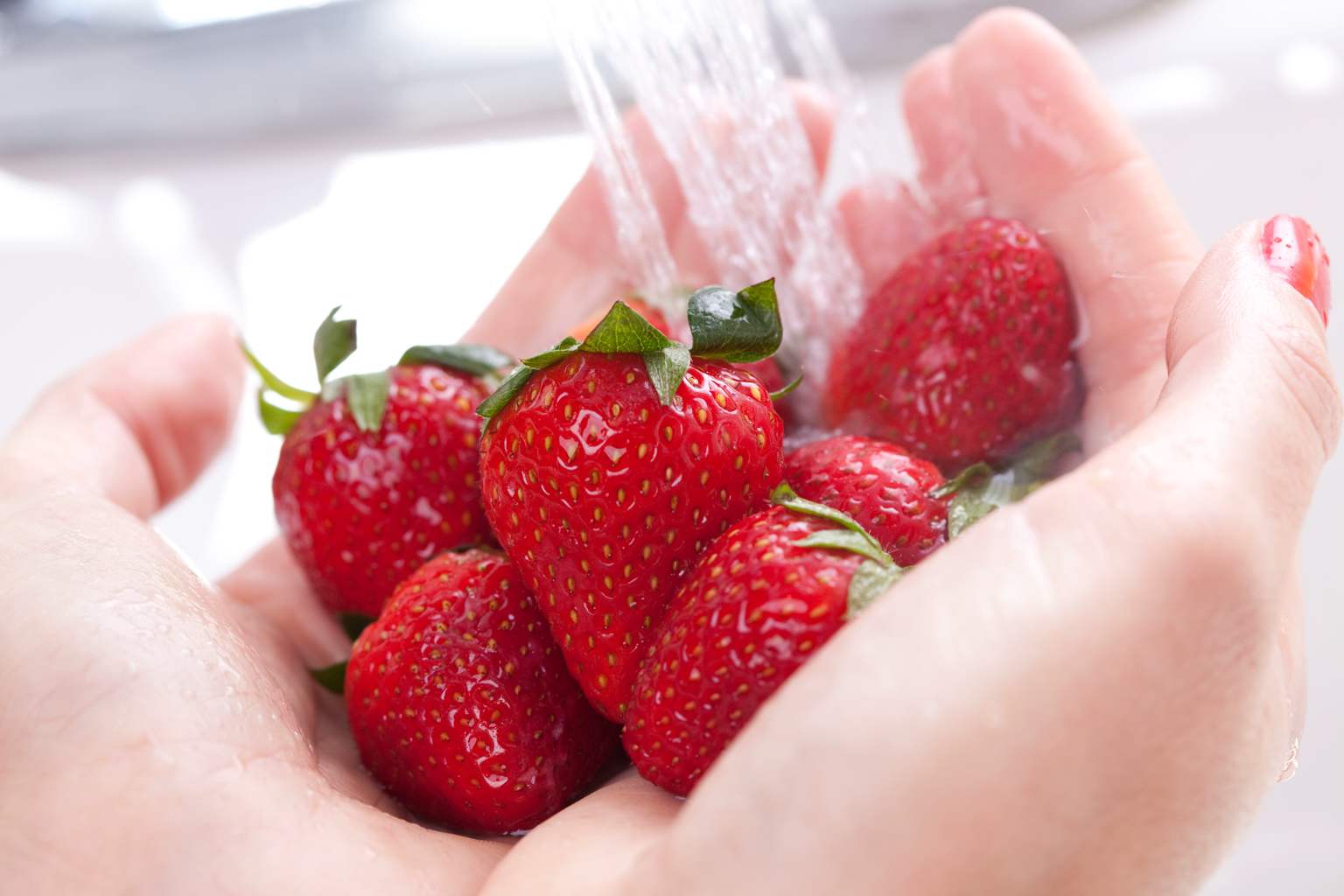 Salt water solution lifts dirt and insects from strawberry crevices effectively.
Credit: www.cmu.fr
Salt water solution lifts dirt and insects from strawberry crevices effectively.
Credit: www.cmu.fr
How to Mix the Perfect Salt Water Solution
Getting the ratio and temperature right is critical to avoiding salty berries or mushy texture. Follow these guidelines for consistent results every time.
Choosing the Best Salt for Soaking
Not all salts work equally well for this method. Fine-grained salts (kosher salt, fine sea salt, pickling salt, or plain table salt without added iodine or anti-caking agents) dissolve fully in the short soak time, leaving no gritty residue on your berries. Iodized salt can leave a faint metallic aftertaste, while coarse salts (like coarse sea salt or Himalayan pink salt) may not dissolve completely, leaving gritty particles stuck to the fruit. If you have pickling salt on hand, it’s the ideal choice, as it’s pure salt with no additives.
Ideal Water Temperature and Salt Ratio
Lukewarm water (around 70°F / 21°C) is the perfect temperature for this soak: it speeds up salt dissolution without breaking down the berry’s cell walls. Hot water will soften strawberries and shorten their shelf life, while ice-cold water slows salt dissolution, making the solution less effective. Stick to this tested ratio for consistent results:
- 1 teaspoon of fine salt per 1 cup of lukewarm water
- For a full 1-pound punnet of strawberries, scale to 1 tablespoon of salt in 4 cups of lukewarm water Stir the solution until the salt is fully dissolved, with no visible grains remaining at the bottom of the bowl. Small variations in salt amount won’t ruin the soak, but drastically exceeding the ratio will leave a salty taste even after rinsing.
Step-by-Step Salt Water Soak Guide (No Mushy Berries)
Follow these steps for perfectly cleaned, crisp strawberries every time. A common mistake many home cooks make is soaking berries for too long, which leads to waterlogged, mushy fruit that spoils faster—5 minutes is the absolute maximum soak time for best results.
- Prep first: Discard any visibly moldy or damaged berries before soaking to avoid cross-contaminating the rest of the batch. Use a sturdy scrub brush to wash your mixing bowl first to remove leftover food residue that could transfer to your berries.
- Submerge fully: Place berries in a large colander or clean bowl, avoiding packing them too tight so the solution can reach all surfaces. Weigh down floating berries with a clean plate to ensure full coverage.
- Soak for 5 minutes exactly: Set a timer to avoid over-soaking. This duration is long enough to lift debris and dislodge insects without damaging the fruit’s texture.
- Rinse thoroughly: Drain the salt water, then rinse berries under cool running water for 30 seconds to remove all salt residue and dislodged debris.
- Dry completely: Excess moisture is the #1 cause of mold on washed strawberries. Spread berries in a single layer on a clean kitchen towel or salad spinner lined with paper towels, patting dry gently. If you use reusable cloths for drying, wash them regularly with a heavy-duty surface brush to eliminate bacteria and food particles that could transfer to your fruit. Use a sanitizing countertop brush to wipe down your sink and countertops after rinsing to remove any stray debris.
 Rinsing thoroughly after soaking removes salt residue and dislodged debris.
Credit: www.freepik.com
Rinsing thoroughly after soaking removes salt residue and dislodged debris.
Credit: www.freepik.com
Salt Water Soak: Safety and Flavor Notes
Does Salt Change the Taste of Strawberries?
When done correctly, the method does not leave a detectable salty taste. The tiny trace of salt left after rinsing actually balances the berry’s natural acidity, enhancing its sweetness for a brighter, more vibrant flavor. You will only notice a salty aftertaste if you use excess salt or skip the rinsing step entirely.
Who Should Skip the Salt Soak?
People on strict low-sodium diets may prefer to avoid even trace amounts of salt, opting for a plain water rinse or vinegar wash instead. People with iodine sensitivity should use non-iodized salt to avoid adverse reactions.
Other Effective Strawberry Cleaning Methods
Salt water is ideal for most everyday use, but there are other trusted methods for specific needs:
Vinegar Wash (Best for High Pesticide Residue)
A 1:3 mix of white vinegar and water is more effective at breaking through the waxy coating on conventionally grown strawberries that traps pesticide residue, per University of Minnesota Extension research. Soak berries for 5 minutes, then rinse thoroughly to remove any vinegar aftertaste. Note that vinegar can slightly soften berry texture if soaked longer than 5 minutes, so this method is best for berries you’ll use within 24 hours.
Baking Soda Wash (Best for Stubborn Grime)
A solution of 1 teaspoon of baking soda per 2 cups of lukewarm water is alkaline, which breaks down acidic pesticide residues and lifts stuck-on dirt and soil from homegrown berries. Soak for 10–15 minutes, then rinse extra thoroughly to avoid a faint soapy aftertaste. This method is ideal for berries with heavy visible soil or debris.
How to Store Salt-Soaked Strawberries for Maximum Freshness
Proper storage is the difference between berries that stay fresh for a week and ones that go moldy in two days.
Short-Term Storage (Up to 5 Days)
After drying berries completely, store them in a single layer in an airtight container lined with paper towels in your fridge’s crisper drawer, which maintains higher humidity than the rest of the fridge. Avoid stacking berries, as this traps moisture and causes bruising. Check daily and remove any soft or moldy berries immediately to prevent spread to the rest of the batch. If you have young kids in the home, store all food and cleaning supplies out of reach using tamper-proof cabinet locks to avoid accidental ingestion.
Long-Term Storage (Up to 6 Months)
If you want to save berries for later use, freeze them: spread dried berries in a single layer on a parchment-lined baking sheet, freeze for 2 hours, then transfer to a sealed freezer bag. This prevents clumping, and frozen berries are perfect for smoothies, baking, and sauces. These cleaned strawberries are also perfect for fresh eating, salads, desserts, or serving on a charcuterie board—our guide to cheese cutting tips has pro advice for pairing them with cheese and cured meats.
Frequently Asked Questions
Does soaking strawberries in salt water really remove bugs?
Yes. The slightly hypertonic salt solution draws small soft-bodied insects (like aphids, thrips, and fruit fly eggs) out of the berry’s crevices, where they float to the surface or sink, making them easy to rinse away. Seeing tiny specks or bugs in the soak water is normal and a sign the method is working.
Can I use salt water to wash organic strawberries?
Absolutely. Even organic strawberries can have dirt, insect debris, and surface bacteria from harvesting and transport, so the salt water soak is just as beneficial for organic berries as conventionally grown ones.
Will salt water get rid of all pesticide residue?
Salt water will remove a significant amount of surface pesticide residue, especially non-waxed formulations. For waxed pesticides, a vinegar wash is more effective at breaking down the waxy coating that traps residue. No home washing method removes 100% of pesticides, but soaking reduces exposure significantly compared to eating unwashed berries.
Can I add other ingredients to the salt water soak?
You can add a splash of white vinegar to the salt water solution for a combined clean that targets both bugs and pesticide residue, but be sure to rinse the berries extra thoroughly to avoid any vinegar aftertaste.
Is it safe to eat the salt water after soaking?
No. The salt water will contain dislodged dirt, bugs, bacteria, and pesticide residue, so discard it after use and do not reuse it for another batch of berries.
Conclusion
Soaking strawberries in salt water is a simple, low-cost, food-safe trick that removes hidden dirt, insects, and residue while enhancing the fruit’s natural sweetness. The key to success is using the correct 1 teaspoon per cup lukewarm water ratio, sticking to a 5-minute soak time, and rinsing and drying berries thoroughly before eating or storing. This method works for both store-bought and homegrown berries, and takes less than 10 minutes of active time. For more easy, tested kitchen tips to simplify your cooking and food prep routine, check out our full collection of kitchen guides and hacks.

I’m Abby Lu, a passionate home cook who loves simplifying everyday meals. At PlugChef.com, I share product reviews and cooking guides to help you find the best tools for your kitchen.
Related posts:
 How to Make a Fruit Basket for a Gift: Easy DIY Guide
 Do You Need a Basket? Essential Guide for Air Fryers
 What Blenders Do Tropical Smoothie Use: Expert Insights
Stainless Steel Vs White Kitchen Appliances: Ultimate Showdown
What Blenders Do Tropical Smoothie Use: Expert Insights
Stainless Steel Vs White Kitchen Appliances: Ultimate Showdown
 Kitchen Appliances for Wedding Registry: Must-Have Essentials
 Top 10 Best Non-Toxic Cooking Utensils – Safe & Durable Choices for Healthy Homes

