
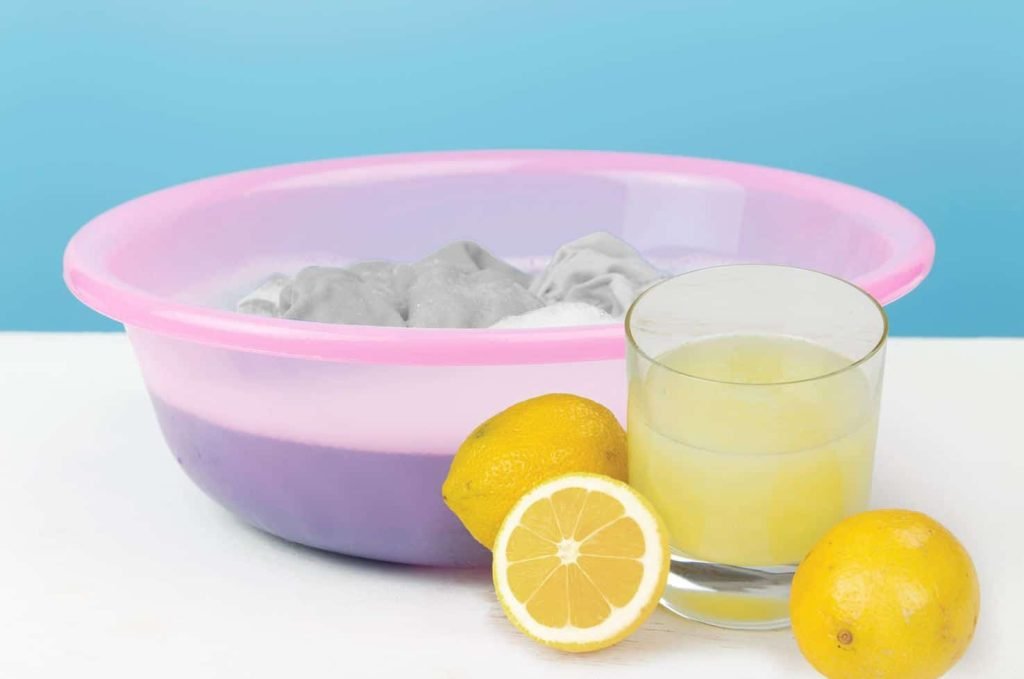
Dull, yellowed white clothes are one of the most common laundry frustrations, and harsh chlorine bleach often does more harm than good: it weakens fabric fibers, irritates sensitive skin, and leaves behind strong chemical fumes. The good news is that a cheap, accessible ingredient already in your kitchen can restore brightness to your whites safely and effectively. Lemon juice’s high citric acid content acts as a gentle natural bleach, lifting stains, breaking down dinginess, and leaving your clothes smelling fresh without toxic residues. Whether you’re tackling underarm yellowing, general dullness, or mildew stains, these 2026-approved tips will help you get crisp, bright whites without breaking the bank or damaging your favorite garments. Pairing natural laundry hacks with other low-waste home cleaning practices cuts down on harsh chemical use across your household practical cleaning guides.
Why Lemon Juice Works As A Natural Whitener
Lemon juice has been used as a laundry brightener for generations, and modern chemistry confirms its effectiveness for most common whitening needs. Its gentle action makes it suitable for regular use, even for households with sensitive skin or young children.
Citric Acid’s Stain-Lifting Power
Lemon juice contains 5-6% citric acid, a weak organic acid that works in two key ways to brighten fabrics. First, it chelates (binds to) metal ions in hard water, like calcium and magnesium, that cause whites to look gray and dingy over time. Second, it breaks down organic stain molecules from sweat, food, mildew, and body oils that cause yellowing, without damaging the cellulose or protein fibers in cotton, linen, or wool. As noted in University of Illinois Extension’s non-toxic cleaning guidance, mild acid treatments like diluted lemon juice are effective for lifting mineral-based dinginess without the harshness of chlorine bleach.
The Sunlight Synergy Effect
Lemon juice’s whitening power is amplified dramatically when paired with direct sunlight. UV rays catalyze the breakdown of stain molecules when they come into contact with citric acid, creating a natural bleaching effect that is far gentler than commercial products. In real-world use, this combination reliably reduces yellowing on lightly soiled white cotton after a single 1-hour treatment, with no risk of the fiber damage common with chlorine bleach.
A Gentle, Low-Irritation Alternative To Chemical Bleach
Unlike chlorine bleach, which can cause skin irritation, respiratory issues, and fabric degradation with repeated use, lemon juice is hypoallergenic and safe for most household members when used as directed. It’s also fully biodegradable, making it an eco-friendly choice for households looking to reduce their chemical footprint. For families with sensitive skin or allergies, the EPA’s Safer Choice program recommends mild acid-based treatments like diluted lemon juice as a low-irritation alternative to scented or chlorine-based bleaches.
How To Prepare Lemon Juice For Laundry
Getting your lemon solution mixed correctly is the first step to avoiding fabric damage and getting maximum whitening power. Follow these guidelines for consistent, safe results every time.
Fresh Vs. Bottled Lemon Juice: Which Is Better?
Freshly squeezed lemon juice is always the best choice for whitening, as it contains the highest concentration of active citric acid (5-6%, compared to 2-3% in most bottled varieties). Bottled lemon juice often includes preservatives like potassium metabisulfite that can leave yellow residues on fabrics, reducing its whitening effectiveness. To get the most juice from each lemon, roll it firmly on a countertop for 10 seconds before cutting it in half, then squeeze it over a fine-mesh sieve to remove seeds and pulp that could stain fabric.
Exact Dilution Ratios For Every Fabric Type
Undiluted lemon juice is too acidic for most fabrics and can cause brittleness or fading over time. Use these tested ratios for safe, effective results:
- For general whitening of cotton, linen, or wool: Mix 1/4 cup fresh lemon juice with 1 gallon of warm (not hot) water. Hot water can set protein-based stains like sweat, making them harder to remove.
- For tough yellowing or set-in stains: Mix 1/2 cup fresh lemon juice with 1 gallon of warm water.
- For delicate fabrics or colored garments you want to brighten slightly: Mix 2 tablespoons fresh lemon juice with 1 gallon of cool water.
Always spot test the solution on an inconspicuous area (like the inside seam of a shirt) first to check for discoloration or fabric reaction.
Storing Pre-Mixed Lemon Solution
If you want to make a larger batch to use over time, store pre-mixed lemon solution in an airtight glass container in the refrigerator for up to 7 days. Label the container clearly to avoid accidental ingestion, and keep it out of reach of children and pets. For households with young kids, use childproof storage locks on under-sink cabinets where you store cleaning supplies to prevent accidental access.
Step-By-Step Methods To Brighten Whites With Lemon Juice
Choose the method below based on the type of fabric and the severity of the discoloration you’re tackling.
Soak Method For General Dinginess
This is the best option for overall dullness or light yellowing across an entire load of whites.
- Fill a clean bucket, sink, or washing machine basin with your pre-mixed lemon solution, using enough liquid to fully submerge the clothes.
- Submerge the whites and let them soak for 30 minutes to 1 hour. For extremely dingy fabrics, extend the soak time to 2 hours.
- Rinse the clothes thoroughly with cool water, then wash them as you normally would in your washing machine.
- For extra brightness, add 1/2 cup of white vinegar to the rinse cycle.
Spot Treatment For Set-In Stains
For targeted stains like underarm yellowing, collar discoloration, or food splatters, spot treatment works best:
- Apply undiluted fresh lemon juice directly to the stain using a cotton ball or clean cloth.
- Let it sit for 10-15 minutes to break down the stain molecules.
- Use a soft-bristled kitchen cleaning brush to gently work the juice into the fabric fibers, taking care not to rub so hard that you damage the material.
- Rinse the spot with cool water, then wash the garment as normal.
 Credit: www.angi.com
Pre-treating stained fabric with lemon juice before soaking is a key first step for tough discoloration.
Credit: www.angi.com
Pre-treating stained fabric with lemon juice before soaking is a key first step for tough discoloration.
Washing Machine Booster Method
For a no-fuss option that fits into your regular laundry routine, add lemon juice directly to your washing machine:
- Add 1/4 cup fresh lemon juice to the detergent dispenser of your washing machine during the wash cycle.
- For extra whitening, add 1/2 cup of baking soda to the drum with your whites.
- Wash as normal, then line dry in direct sunlight for maximum brightness. This method is ideal for maintenance whitening of regularly washed whites like t-shirts, sheets, and towels.
Sun-Enhanced Whitening For Maximum Brightness
The combination of lemon juice and sunlight is the most powerful natural whitening method available:
- After soaking or spot-treating your whites with lemon solution, wring out excess liquid so the fabric is damp, not dripping.
- Hang the clothes outside in direct, unobstructed sunlight for 1-2 hours. Check every 30 minutes to avoid over-drying, which can cause fabric brittleness.
- Bring the clothes inside and finish drying in your dryer or on an indoor rack, then wash as normal if there is any remaining residue.
 Credit: www.express.co.uk
Direct sunlight amplifies lemon juice’s natural bleaching power for crisp, white linens.
Credit: www.express.co.uk
Direct sunlight amplifies lemon juice’s natural bleaching power for crisp, white linens.
Pro Tips For Best Results
Small adjustments to your lemon whitening routine can make a big difference in the final result, and help you avoid common mishaps.
Choose The Right Fabrics For Treatment
Lemon juice works best on natural fibers like cotton, linen, and wool, which absorb citric acid easily and respond well to the sun’s UV rays. Synthetic fabrics like polyester, nylon, and spandex are less responsive to citric acid, as they are petroleum-based and do not absorb the solution the same way. Repeated treatment on synthetics can also cause stiffness and fading. For synthetic whites, limit lemon treatments to once a month, and always spot test first. For tough stains on synthetics, use a dedicated synthetic-safe stain remover instead.
Protect Colored Garments From Fading
While lemon juice is safe for colorfast colored fabrics when highly diluted, it can still cause unintended lightening if left on too long or used in high concentrations. To brighten colored whites (like off-white or cream) without ruining vibrant hues, use a 1:4 ratio of lemon juice to water, and rinse the garment within 5 minutes of application. Never leave lemon solution on colored fabrics in direct sunlight, as UV rays will accelerate fading.
How Often To Use Lemon Juice For Long-Term Fabric Care
Over-treating whites with lemon juice can break down fibers over time, leading to thin, hole-prone fabric. For most households, treating whites once every 2-3 weeks is enough to maintain brightness without damage. If you notice your clothes feeling stiff or thin after treatment, extend the time between sessions to once a month. Keep a simple log of your treatments to track how your fabrics respond over time, and adjust your frequency accordingly.
Boost Lemon’s Power With Other Natural Ingredients
Pairing lemon juice with other common household ingredients can tackle even the toughest discoloration, without adding harsh chemicals.
Baking Soda And Lemon Paste For Tough Yellowing
Baking soda is a mild abrasive and pH neutralizer that lifts dirt and deodorizes fabric, making it the perfect pairing for lemon juice on set-in yellow stains:
- Mix 2 tablespoons of baking soda with enough fresh lemon juice to form a thick paste.
- Apply the paste directly to the stained area (cuffs, collars, underarm stains work best).
- Let it sit for 15-30 minutes, then gently scrub with a soft sturdy scrubbing brush to work the paste into the fibers.
- Rinse with cool water and wash as normal. This combination works especially well for yellowing caused by sweat and body oils, and also helps neutralize odors.
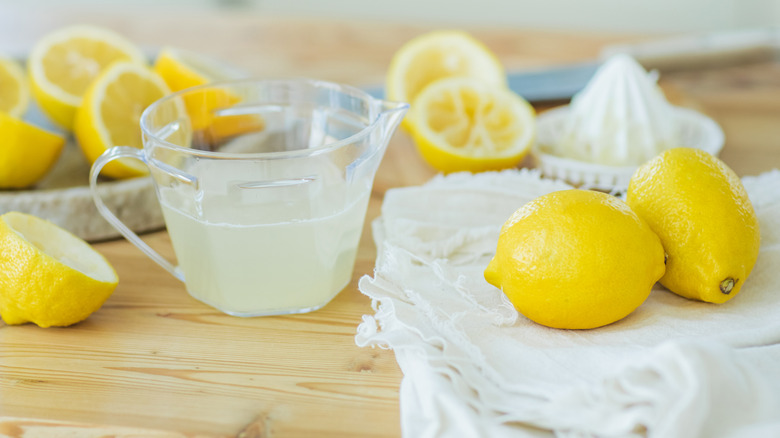 Credit: www.hunker.com
A lemon juice and baking soda paste works especially well for yellowed cuffs, collars, and underarm stains.
Credit: www.hunker.com
A lemon juice and baking soda paste works especially well for yellowed cuffs, collars, and underarm stains.
White Vinegar Rinse For Extra Brightness
White vinegar balances the pH of your laundry water, breaking down detergent and fabric softener residues that cause whites to look gray or dingy over time. To use it with lemon juice:
- Add 1 cup of white vinegar to the rinse cycle of your washing machine, along with 1/4 cup of fresh lemon juice to the detergent dispenser.
- Skip fabric softener, as it leaves a coating on fibers that traps dinginess.
- For extra tough dinginess, soak whites in a solution of 1 cup vinegar, 1/4 cup lemon juice, and 1 gallon of warm water for 30 minutes before washing. Vinegar also helps soften fabrics naturally, eliminating the need for commercial softeners.
Common Mistakes To Avoid
Even small errors can lead to faded fabrics or reduced whitening power. Avoid these common pitfalls to get the best results:
- Using undiluted lemon juice: Pure lemon juice has a pH of ~2.3, which is low enough to break down cotton and wool fibers with repeated exposure. Always dilute according to the ratios above.
- Over-treating or leaving solution on too long: Leaving lemon juice on fabric for more than 2 hours, especially in direct sun, can cause brittleness and fading. Set a timer to avoid overexposure.
- Skipping the spot test: Even colorfast fabrics can react unexpectedly to acid treatments. Always test on a hidden seam first, especially for new or expensive garments.
- Using hot water: Hot water sets protein-based stains like sweat and eggs, making them impossible to remove with lemon juice. Always use warm or cool water for treatment.
- Skipping the rinse: Failing to rinse lemon solution thoroughly after treatment can leave sticky residues that attract dirt, making whites look dingy faster.
Precautions And When To Skip Lemon Juice
While lemon juice is safe for most fabrics, there are some cases where it’s not the right choice.
Fabrics That Should Never Be Treated With Lemon
Delicate fabrics like silk, acetate, and dry-clean-only garments are easily damaged by citric acid. The acid can dissolve silk fibers and weaken the adhesives used in printed designs, leading to permanent discoloration or texture changes. If your garment has a “dry clean only” tag, skip the lemon treatment entirely and consult a professional cleaner for whitening advice. For silk or wool whites, use a gentle, pH-neutral detergent designed for delicate fabrics instead.
Hard Water Considerations
If you have very hard water (high mineral content), citric acid will work even better to chelate mineral deposits that cause dinginess. However, you may need to repeat the treatment 2-3 times to see full results, as mineral buildup can be stubborn. For extremely hard water areas, pair lemon juice with a water softener for your washing machine to improve results.
When To Use A Professional Cleaner Instead
If lemon juice and sunlight fail to remove set-in stains or severe yellowing, the discoloration may be from permanent dye transfer or fabric degradation that cannot be reversed at home. For vintage, heirloom, or expensive garments, take them to a professional cleaner to avoid irreversible damage.
Frequently Asked Questions
Can lemon juice remove yellow underarm stains from white shirts?
Yes, lemon juice is highly effective for underarm yellowing caused by sweat and antiperspirant residue. For best results, make a thick paste of lemon juice and baking soda, apply it to the stain, let it sit for 30 minutes, then wash in warm water and line dry in the sun.
Will lemon juice lighten my white towels with printed designs?
If the printed design is made with colorfast dyes, diluted lemon juice will not lighten it. However, if the print is made with water-soluble or non-colorfast dyes, it may fade. Always spot test on the printed area first before treating the entire towel.
Is lemon juice safe for baby clothes?
Yes, diluted lemon juice is safe for baby clothes, as it is non-toxic and free of harsh chemicals. Use a 1:8 ratio of lemon juice to water for extra gentleness, and rinse thoroughly twice to remove all residue. Avoid using lemon juice on baby clothes with delicate lace or embroidery, as the acid can weaken fine fibers over time.
How long do the whitening effects of lemon juice last?
With regular washing and proper care, the whitening effects of lemon juice last 2-3 weeks. To extend the results, avoid overloading your washing machine (which traps dirt and residues), use a high-quality, low-residue detergent, and skip fabric softener, which can coat fibers and trap dinginess.
Conclusion
Lemon juice is a simple, cost-effective, and eco-friendly way to keep your white clothes looking bright and fresh without the downsides of chemical bleach. By following the correct dilution ratios, pairing it with sunlight, and avoiding common mistakes, you can tackle everything from light dinginess to tough underarm stains safely. Try the soak method on your dullest load of whites this weekend, and you’ll see why this natural laundry hack has remained a household staple for generations. For more low-waste home cleaning and laundry tips, check out our practical cleaning guides to simplify your routine.

I’m Abby Lu, a passionate home cook who loves simplifying everyday meals. At PlugChef.com, I share product reviews and cooking guides to help you find the best tools for your kitchen.
Related posts:
 How to Make a Fruit Basket for a Gift: Easy DIY Guide
 Do You Need a Basket? Essential Guide for Air Fryers
 What Blenders Do Tropical Smoothie Use: Expert Insights
Stainless Steel Vs White Kitchen Appliances: Ultimate Showdown
What Blenders Do Tropical Smoothie Use: Expert Insights
Stainless Steel Vs White Kitchen Appliances: Ultimate Showdown
 Kitchen Appliances for Wedding Registry: Must-Have Essentials
 Top 10 Best Non-Toxic Cooking Utensils – Safe & Durable Choices for Healthy Homes

