

Are you ready to dive into the delightful world of cheese-making? Imagine crafting your very own creamy mozzarella or tangy cheddar right at home.
But before you can savor that first bite, you’ll need to gather the right tools. With the right equipment, the art of cheese-making becomes not only possible but incredibly rewarding. Picture yourself in your kitchen, surrounded by the aroma of fresh ingredients and the excitement of transforming milk into something truly special.
As you explore the essential tools needed for this culinary adventure, you’ll discover that making cheese is not as complex as it seems. Your curiosity will lead you to uncover the secrets of each tool, sparking a passion that keeps you wanting more. So, let’s delve into the basics, and soon enough, you’ll be on your way to creating cheese that rivals even the finest artisanal varieties.

Credit: www.researchgate.net
Basic Cheese-making Equipment
Starting your cheese-making journey? You need the right tools. The right tools help you create delicious, homemade cheese. With basic equipment, you can make a variety of cheeses. Let’s explore the essential tools you need. These tools make the cheese-making process simple and enjoyable.
Pots And Pans
Sturdy pots and pans are vital for cheese-making. Use stainless steel or enamel pots. They distribute heat evenly. This prevents burning or sticking. Avoid aluminum as it reacts with milk. A 6 to 8-quart pot is perfect for small batches.
Thermometer
Accurate temperature is key in cheese-making. Use a good-quality thermometer. Choose one with a range of 0-220°F. This range covers all cheese recipes. Digital thermometers provide quick, accurate readings. Clip it to the pot for hands-free use.
Cheese Mold
Cheese molds shape and drain your cheese. They come in various shapes and sizes. Choose molds based on the cheese type. Hard cheeses need firm molds. Soft cheeses need delicate, perforated molds. Molds help form cheese and drain excess whey.
Essential Ingredients
Making cheese at home is an exciting culinary adventure. It requires understanding essential ingredients to ensure success. Each ingredient plays a crucial role in shaping the taste and texture of your cheese. Choosing the right milk, rennet, and cultures is key.
Milk Selection
Milk is the foundation of cheese making. Choose fresh milk for the best flavor. Cow, goat, and sheep milk each offer unique tastes. Raw milk adds depth, but pasteurized milk is safer. Ensure milk is free from antibiotics and preservatives.
Rennet
Rennet helps milk curdle, forming cheese curds. It comes in animal and vegetable forms. Liquid rennet is easy to measure. Tablets are convenient for small batches. Choose rennet based on dietary preferences.
Cultures And Starters
Cultures and starters give cheese its distinct taste. They introduce beneficial bacteria. Mesophilic cultures suit softer cheeses. Thermophilic cultures work for harder cheeses. Starters control acidity and texture. Read labels to match the right culture to your recipe.
Tools For Curd Handling
Making cheese at home can be a delightful and rewarding experience. However, handling curd effectively is crucial to crafting delicious cheese. The right tools can make this process easier and more efficient. When you’re ready to dive into curd handling, you’ll need a few essential items. Let’s explore the must-have tools for curd handling that will help you create cheese with confidence.
Curd Knife
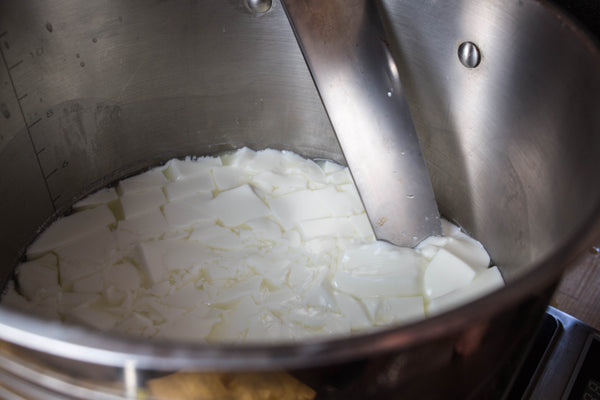
A curd knife is essential for cutting the curd into uniform pieces. The long blade helps reach the bottom of the pot, ensuring even cuts. This uniformity allows whey to drain properly, impacting the cheese’s texture. Have you ever wondered why some homemade cheese feels inconsistent? It might just be the knife!
If you’re using a regular kitchen knife, you may find it challenging to achieve the right consistency. Investing in a curd knife can make all the difference. It’s designed specifically for this task, providing precision and ease.
Slotted Spoon
A slotted spoon is your best friend when it comes to stirring curd gently. The slots allow whey to pass through while keeping the curd intact. This gentle stirring is key to maintaining the curd’s shape and preventing it from breaking.
Have you ever experienced curd breaking apart during stirring? A slotted spoon can prevent this common issue. Its design helps you handle curd delicately, ensuring a successful cheese-making process.
Ladle
A ladle is indispensable for transferring curd to molds or draining whey. Its deep bowl holds a good amount of curd, making the transfer process smooth and efficient. The ladle aids in minimizing curd loss, which can affect your cheese yield.
Have you ever struggled with messy curd transfers? A ladle simplifies this step, ensuring your curd stays intact and reaches the mold effectively. This tool helps you maintain the integrity of your cheese, setting you up for success.
Equipped with these tools, you’ll find curd handling becomes a much smoother process. Have you tried using these tools in your cheese-making journey? What difference did it make? Share your experiences and see how your cheese-making skills can grow with the right tools in hand!
Draining And Pressing Tools
Draining and pressing are crucial steps in cheese-making. These tools ensure that excess whey is removed, giving cheese its desired texture. Proper draining and pressing impact the flavor and consistency of cheese. Choosing the right tools can make all the difference. Let’s explore some essential tools needed for this process.
Cheesecloth
A cheesecloth is a must-have for cheese-making. It helps in draining whey from curds. It’s a lightweight, breathable fabric. This allows moisture to escape while holding the cheese together. Ensure you get a cheesecloth with a fine weave. This prevents curds from slipping through. Wash and reuse it for multiple batches.
Cheese Press
A cheese press applies pressure to the curds. This tool is vital for hard cheeses. It helps remove excess whey and firms up the cheese. Different types of presses are available. Some are manual, while others are automatic. Choose one based on your cheese-making needs. Ensure it is sturdy and easy to clean.
Draining Mat
A draining mat allows whey to escape from the cheese. It is placed under the curds during draining. The mat lifts the cheese off surfaces. This promotes even drainage. It is usually made of food-grade plastic. Ensure it is durable and easy to sanitize. A good draining mat prevents unwanted bacteria growth.
Aging And Storage
Making cheese at home can be a rewarding adventure. Once you’ve mastered the basics, you’ll find yourself moving into the fascinating world of aging and storage. This stage is essential for developing flavors and textures, creating that perfect cheese you can proudly share with friends. But what tools do you need to ensure your cheese matures beautifully? Let’s dive into the essentials.
Aging Containers
Choosing the right aging containers is vital for cheese development. They protect your cheese from external contaminants and maintain its environment. Think about using containers that provide adequate air circulation while ensuring protection.
Plastic bins with lids, wooden boxes, or even glass containers can work well. Always ensure they are food-safe and easy to clean. It’s crucial to match your container choice with the type of cheese you’re aging.
Have you ever noticed how some cheeses develop those unique flavors over time? That’s the magic of the aging container and its environment.
Humidity And Temperature Control
Humidity and temperature are your best friends in the cheese aging process. Maintaining the right balance can be challenging but rewarding. Cheese needs specific conditions to age gracefully.
Investing in a hygrometer and thermometer can help you monitor these conditions. Many home cheesemakers use wine fridges or dedicated cheese caves to maintain ideal temperatures and humidity levels.
Do you have a cool, dark spot in your home perfect for aging cheese? Perhaps a basement or pantry could be transformed into your personal cheese cave.
Waxing And Bandaging
Waxing and bandaging are techniques used to protect cheese during aging. They prevent moisture loss and protect against molds. It’s a skill worth learning to preserve and enhance your cheese.
Cheese wax is available in various colors and is easy to apply. Bandaging involves wrapping cheese in cloth and sometimes coating it with fat or oil. Each method offers unique benefits and aesthetics.
Have you tried experimenting with these techniques? They can add a personal touch to your cheese, making it truly yours.
So, as you embark on your cheese-making journey, consider how these tools can elevate your creations. What kind of cheese do you dream of making? With the right setup, the possibilities are endless.
Credit: cheesegrotto.com
Hygiene And Safety Gear
Creating cheese requires essential tools for hygiene and safety. Gloves, aprons, and hairnets keep everything clean. Cheese molds, thermometers, and curd cutters are crucial for the process.
Making cheese at home is a delightful journey, but maintaining hygiene and safety is crucial. When I first started, I underestimated the importance of cleanliness, which nearly ruined my first batch. You don’t want to make that mistake. Proper hygiene and safety gear not only protect your cheese but also ensure a safe and enjoyable cheesemaking process. Let’s dive into the essential gear you’ll need.Sanitizers
Sanitizers are your best friends in cheese making. They help eliminate harmful bacteria that can spoil your cheese or even make you sick. Use food-grade sanitizers to clean all your tools and surfaces. Regular household cleaners might leave residues that can affect your cheese’s taste. Opt for sanitizers specifically designed for food preparation. Always follow the instructions on the sanitizer label to ensure effectiveness.Gloves
Wearing gloves is a simple yet effective way to maintain hygiene. They prevent direct contact with the cheese, reducing the risk of contamination. Choose gloves that are food-safe and powder-free for the best results. Consider using disposable gloves. They are convenient and ensure that you’re not carrying over any bacteria from previous tasks. Change them frequently, especially if you touch something other than your cheese.Apron
An apron keeps your clothes clean and minimizes the risk of introducing contaminants into your cheese. It’s a small step that makes a big difference. Select an apron made from washable materials. This makes it easy to keep clean after each cheesemaking session. Your apron should fit comfortably, allowing you to move freely without dragging into your cheese. Every piece of gear you use plays a role in the success of your cheese. Why compromise on hygiene when you can ensure a safe, delicious outcome with just a few simple tools?Advanced Cheese-making Tools
Crafting cheese at home requires specific tools. Essential items include cheese molds, curd cutters, and thermometers. These tools help control temperature and texture for perfect cheese every time.
Crafting cheese at home can be a rewarding experience, but it requires more than just basic equipment to elevate your cheesemaking game. Advanced tools can significantly enhance the quality and consistency of your cheese. They help you understand and control the intricate processes involved. Let’s dive into some of these advanced tools and discover how they can transform your home cheese-making efforts.Ph Meter
A pH meter is a game-changer for serious cheese makers. It measures the acidity of your cheese, which is crucial for achieving the desired texture and flavor. Imagine making a Gouda and being able to ensure it matures with the perfect balance—this tool makes it possible. Using a pH meter, you can track changes in acidity during different stages. This lets you adjust your recipe and techniques to improve your results. It’s like having a secret weapon that gives you insights into the invisible changes happening in your cheese.Cheese Harp
The cheese harp is an essential tool for cutting curds uniformly. It allows for precise cuts, which leads to a consistent cheese texture. When you’re aiming for a creamy Brie or a smooth Cheddar, this uniformity is vital. Picture the difference between slicing curds with a knife versus a harp. The harp glides through the curd mass, ensuring each piece is evenly sized, which helps in even whey drainage. This simple yet effective tool can be the difference between a good cheese and a great one.Lactometer
A lactometer measures the density of milk, indicating its creaminess and quality. Knowing your milk’s density helps tailor your cheese-making process for better outcomes. It’s particularly useful if you source milk from different suppliers or use milk from different animals. Think of the lactometer as your milk quality detective. It helps you understand if your milk has the right richness for your desired cheese. This insight allows you to make necessary adjustments, ensuring your cheese turns out just right every time. By integrating these advanced tools into your cheese-making routine, you open the door to new possibilities and precision in your craft. Are you ready to take your cheese-making skills to the next level?
Credit: www.youtube.com
Frequently Asked Questions
What Tools Are Needed To Make Cheese?
To make cheese, you’ll need a cheese mold, thermometer, cheesecloth, curd knife, and a cheese press. Use high-quality milk and rennet for best results. Sterilize all tools before use to ensure safety and hygiene. A colander and pot are also essential for draining and heating the milk.
What Do You Need To Make Cheese?
To make cheese, you need milk, rennet, and starter cultures. Heat the milk, add rennet to coagulate it, then separate curds from whey. Press and age the curds to develop flavor. Salt enhances taste and acts as a preservative. Enjoy crafting your homemade cheese!
What Is Used To Make Cheese?
Cheese is made from milk, rennet, and cultures. Milk can be from cows, goats, or sheep. Rennet helps curdle the milk, while cultures add flavor and texture. Salt is also used to enhance taste and preserve the cheese.
What Machines Are Used To Make Cheese?
Cheese production uses pasteurizers, curdling vats, cheese presses, and brining tanks. These machines ensure efficient cheese making. Various molds and packaging machines are also involved. Modern facilities may use automated systems for consistency and quality control.
Conclusion
Creating cheese at home can be a rewarding experience. With the right tools, the process becomes easier. Basic equipment like pots, thermometers, and molds are essential. Each tool plays a role in shaping and flavoring the cheese. As you grow more confident, experiment with different types of cheese.
This journey from milk to cheese is exciting and delicious. Practice and patience will lead to tasty results. Start simple, and enjoy the process. Share your homemade cheese with family and friends. Celebrate each success, one wheel at a time.
Happy cheesemaking!

I’m Abby Lu, a passionate home cook who loves simplifying everyday meals. At PlugChef.com, I share product reviews and cooking guides to help you find the best tools for your kitchen.
Related posts:
 What Type of Cooking Utensils are Safe: Expert Picks
 What Innovations Could Blenders Make: Unleashing Future Tech
 Smart Strategies to Organize a Small Kitchen: Maximize Space
 How to Organize a Kitchen Cabinet: Expert Tips & Tricks
 How to Organize Kitchen Drawers: Expert Tips and Tricks
 How to Organize a Corner Kitchen Cupboard: Expert Tips

