
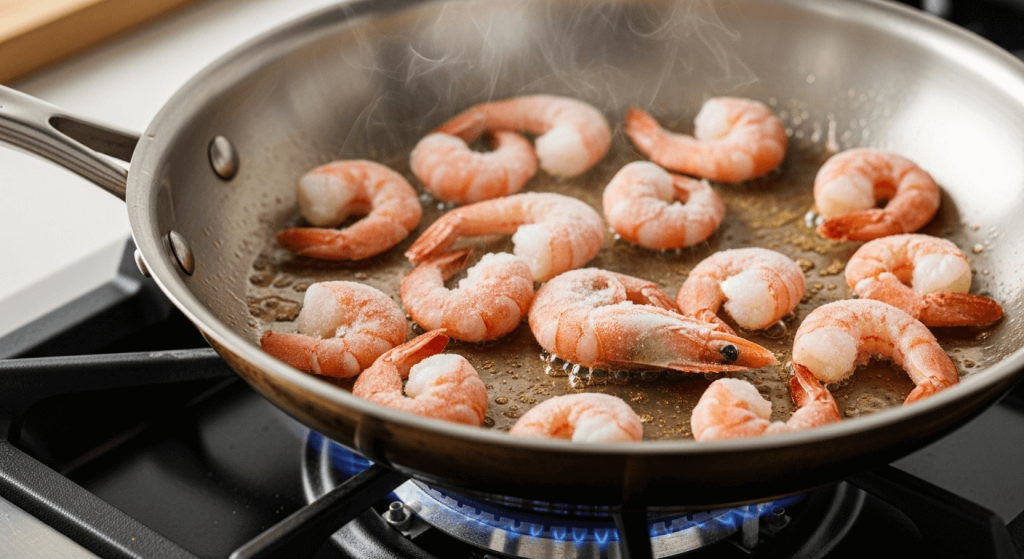
Are you craving a quick and delicious seafood meal but only have frozen shrimp on hand? Cooking frozen shrimp on the stove is easier than you think, and it can save you time without sacrificing flavor.
Whether you want to toss them into a pasta, salad, or enjoy them as a snack, mastering this simple technique will boost your cooking confidence. Keep reading, and you’ll discover the step-by-step way to turn frozen shrimp into a tasty, perfectly cooked dish every time.

Image: Cooking Frozen Shrimp on Stove Quick, Easy & Delicious Tips
Your next seafood dinner is just minutes away!
Choosing The Right Shrimp
Choosing the right shrimp is the first step to making a delicious meal on the stove. The shrimp you pick affects the texture, flavor, and cooking time. Knowing what to look for can save you time and prevent a disappointing dish.
Types Of Frozen Shrimp
Frozen shrimp come in several varieties, and each has unique qualities. You can find peeled, deveined shrimp, which are convenient and save prep time. Whole shrimp, with shells and heads, offer more flavor but require extra work.
Look for shrimp labeled as “wild-caught” or “farm-raised.” Wild-caught shrimp often have a firmer texture and a sweeter taste, while farm-raised options are usually more affordable. Decide what fits your budget and taste preference before buying.
Size And Quality Tips
Size matters when cooking shrimp on the stove. Larger shrimp cook slower but give a meatier bite. Smaller shrimp cook quickly but can become rubbery if overcooked.
Check the packaging for size indicators like “16-20 count” which means there are 16 to 20 shrimp per pound. This helps you plan portions accurately.
For quality, avoid shrimp with ice crystals or yellowish spots; these signs mean they’ve been thawed and refrozen. Choose shrimp with a firm texture and a fresh ocean smell. Have you ever been surprised by how much difference fresh-looking shrimp make in your dish?
Thawing Methods
Thawing frozen shrimp properly is key for tasty and safe cooking. Shrimp thaw unevenly, so choosing the right thawing method matters. Thawing affects texture and flavor of your shrimp dish. Below are some easy and safe ways to thaw shrimp before cooking on the stove.
Quick Thawing Techniques
Quick thawing is useful when you need shrimp fast. One common way is using cold water:
- Place shrimp in a sealed plastic bag.
- Submerge bag in cold tap water.
- Change water every 10 minutes to keep it cold.
- Shrimp usually thaw in 20-30 minutes.
This method avoids cooking shrimp by accident. Avoid using hot water, which can start cooking shrimp.
Safe Thawing Practices
Safety is vital to avoid foodborne illness. Thaw shrimp in the fridge for best results:
- Keep shrimp in original packaging or sealed bag.
- Place on a plate to catch drips.
- Allow 8-12 hours for full thawing.
This slow thaw keeps shrimp at safe temperatures. Never thaw shrimp at room temperature; bacteria can grow quickly.
Preparing Shrimp For Cooking
Getting your shrimp ready before cooking makes a big difference in taste and texture. Even if you buy frozen shrimp, taking a few minutes to clean and season them properly sets the stage for a delicious meal. Paying attention to these details can turn a simple dish into something special.
Cleaning And Deveining
Frozen shrimp often come pre-cleaned, but it’s a good idea to double-check. Run them under cold water to remove any ice crystals and loose shell bits.
If the shrimp still have shells or tails, peel them off carefully. Use a small knife or your fingers to remove the dark vein running along the back of the shrimp. This vein can have a gritty texture and a slightly bitter taste.
Have you ever bitten into a shrimp and noticed a sandy crunch? That’s usually the vein. Removing it not only improves flavor but also gives your dish a cleaner look.
Seasoning Ideas
Seasoning shrimp before cooking helps the flavors soak in quickly. Since shrimp cook fast, a simple mix of salt, pepper, and garlic powder works wonders.
Try adding a squeeze of fresh lemon juice or a pinch of chili flakes for a bit of zing. If you prefer herbs, sprinkle some chopped parsley or dill to brighten the taste.
Want to experiment? Marinate the shrimp in olive oil, minced garlic, and a touch of smoked paprika for 10 minutes before cooking. It’s a quick way to infuse bold flavors without much effort.

Credit: www.primaverakitchen.com
Stove Cooking Techniques
Cooking frozen shrimp on the stove is fast and simple. Different techniques bring out unique flavors and textures. Understanding these methods helps you cook shrimp perfectly every time.
Sautéing Shrimp
Sautéing is a quick way to cook shrimp with a bit of oil or butter. Heat the pan first over medium-high heat. Add shrimp in a single layer. Cook for 2-3 minutes on each side until pink and opaque. Avoid crowding the pan to get a nice sear. Season with salt, pepper, and your favorite spices for extra taste.
Pan-frying Tips
Pan-frying uses more oil for a crispy outside. Use a non-stick or cast-iron pan for best results. Preheat the pan well before adding shrimp. Cook shrimp in batches to keep heat even. Turn shrimp only once during cooking to avoid toughness. Drain on paper towels to remove excess oil before serving.
Simmering In Sauces
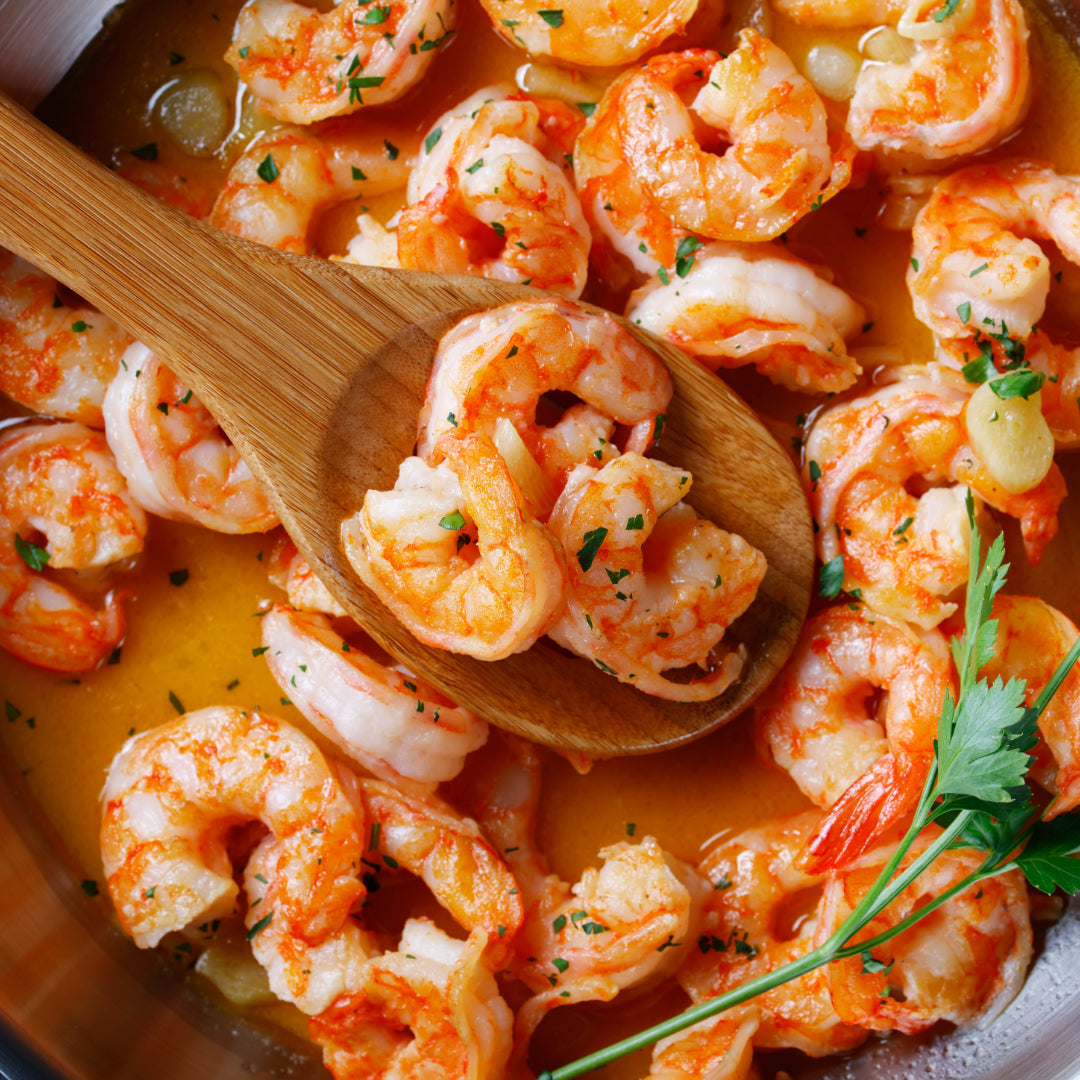
Simmering shrimp in sauces infuses flavor deeply. Start by heating your sauce gently on low heat. Add frozen shrimp directly to the sauce. Cover and cook for 5-7 minutes, stirring occasionally. Make sure shrimp turn pink and curl slightly. This method works great for dishes like pasta and stews.
Timing And Temperature
Getting the timing and temperature right is key to cooking frozen shrimp perfectly on the stove. Too high heat or too long cooking can make shrimp tough and rubbery. Too low heat or too short cooking leaves them underdone and unsafe to eat.
Ideal Heat Settings
Set your stove to medium-high heat for the best results. This setting cooks shrimp quickly without burning the outside. If your stove runs hot, consider medium heat to avoid overcooking.
Using a non-stick or cast iron skillet helps maintain even heat distribution. You want the shrimp to sizzle gently, not fry aggressively. This balance locks in moisture and flavor.
Cooking Duration
Frozen shrimp usually takes about 4 to 6 minutes to cook on the stove. Start by adding shrimp to the hot pan, then cook for 2 to 3 minutes on each side.
Watch for the shrimp to turn pink and opaque—this signals they are done. Overcooking shrinks shrimp and makes them rubbery, so keep a close eye on the color change.
Have you noticed how shrimp can go from perfectly tender to tough in seconds? Timing is everything here. Try a timer if you’re unsure—your taste buds will thank you.
Credit: wildforsalmon.com
Flavor Enhancers
Enhancing the flavor of frozen shrimp cooked on the stove is key to a delicious meal. Simple additions can turn plain shrimp into a tasty dish. Herbs, spices, sauces, and marinades bring out the natural sweetness of shrimp. These flavor enhancers make cooking quick and satisfying.
Herbs And Spices
Fresh and dried herbs add a burst of flavor. Parsley, cilantro, and basil work well with shrimp. They bring a fresh, green taste that complements seafood. Spices like paprika, garlic powder, and black pepper add warmth and depth. A pinch of red chili flakes gives a gentle heat. Use these herbs and spices to create a vibrant, tasty dish.
Sauces And Marinades
Sauces and marinades soak into shrimp quickly and boost flavor. Lemon juice and olive oil create a simple, bright marinade. Soy sauce with garlic adds a savory, umami taste. For a sweet touch, try honey or maple syrup mixed with mustard. Marinades also help keep shrimp moist and tender. Let shrimp sit in sauce for 10-15 minutes before cooking.
Common Mistakes To Avoid
Cooking frozen shrimp too long leads to rubbery texture. Avoid thawing shrimp in hot water to keep flavor fresh. Skipping seasoning can make shrimp taste bland and dull.
Cooking frozen shrimp on the stove can be a quick and delightful way to prepare a meal. However, there are several common mistakes that can ruin the taste and texture of your shrimp. By being aware of these pitfalls, you can ensure that your shrimp turns out perfectly every time. Let’s dive into what you should avoid when cooking frozen shrimp.
Overcooking
Shrimp cook incredibly fast, and overcooking is a common mistake. You might think that extra cooking time is necessary, but this can lead to rubbery and tough shrimp. Keep an eye on the shrimp’s color; they should turn from translucent to opaque. A slight curl in the shape of a ‘C’ indicates they are done. Cooking shrimp for too long can also cause them to lose their natural flavors. Aim for a cooking time of 3-5 minutes, depending on the size of your shrimp. Always remember, it’s better to slightly undercook than overcook, as shrimp will continue to cook even after you remove them from the heat.
Undercooking
While overcooking is a major concern, undercooking is equally undesirable. Eating undercooked shrimp can be a health risk. Check for a consistent pink color throughout, with no gray or translucent spots. A food thermometer can be a handy tool; shrimp should reach an internal temperature of 120°F (49°C). If you’re unsure, you can cut a shrimp in half to check for doneness. Make sure the texture is firm but not hard, ensuring a safe and enjoyable meal. By avoiding these common mistakes, you can transform frozen shrimp into a delicious and satisfying dish. Are you ready to impress your taste buds with perfectly cooked shrimp?
Serving Suggestions
Serving cooked frozen shrimp can be simple and delightful. Good choices make your meal tasty and appealing. Pairing shrimp with the right sides and arranging them well improves the whole experience. Here are some ideas to serve shrimp beautifully.
Side Dishes
- Steamed white rice or jasmine rice adds softness and mild flavor.
- Garlic butter noodles give a rich, buttery taste that matches shrimp.
- Fresh garden salad with lemon vinaigrette offers a crisp, tangy contrast.
- Grilled vegetables like zucchini and bell peppers bring smoky sweetness.
- Crusty bread or garlic bread helps soak up any sauce or juices.
- Mashed potatoes create a creamy, comforting base for shrimp dishes.
- Coleslaw adds crunch and a refreshing flavor to balance the meal.
Presentation Tips
- Arrange shrimp in a neat circle or line on the plate.
- Garnish with fresh herbs like parsley or cilantro for color.
- Use lemon wedges around shrimp to add brightness and appeal.
- Serve with a small bowl of dipping sauce on the side.
- Choose white or light-colored plates to highlight shrimp’s pink tone.
- Keep portions moderate to avoid overcrowding the plate.
- Use clean, simple plating to focus attention on the shrimp.

Credit: www.acouplecooks.com
Frequently Asked Questions
How Long To Cook Frozen Shrimp On Stove?
Cook frozen shrimp on medium heat for 5-7 minutes. Stir occasionally to ensure even cooking. Shrimp turns pink and opaque when done. Avoid overcooking to keep shrimp tender and juicy.
Should I Thaw Shrimp Before Cooking On Stove?
No, you can cook frozen shrimp directly on stove. Cooking frozen shrimp saves time and maintains texture. Just rinse briefly to remove ice crystals. Adjust cooking time slightly for even heat.
What Is The Best Stove Method For Frozen Shrimp?
Sautéing is best for cooking frozen shrimp on stove. Use a hot pan with oil or butter. Cook shrimp evenly until pink and firm. This method preserves flavor and texture perfectly.
Can I Season Frozen Shrimp Before Cooking?
Yes, season frozen shrimp with salt, pepper, and spices before cooking. Seasoning enhances shrimp flavor and aroma. Apply seasoning directly to shrimp or mix into cooking oil for best taste.
Conclusion
Cooking frozen shrimp on the stove is quick and simple. Just follow the steps carefully for the best taste. Avoid overcooking to keep shrimp tender and juicy. Use your favorite spices to add flavor. Fresh shrimp flavor comes through even when cooked from frozen.
This method saves time and still gives great results. Enjoy shrimp in many dishes after cooking this way. Try it soon and enjoy a tasty meal.

I’m Abby Lu, a passionate home cook who loves simplifying everyday meals. At PlugChef.com, I share product reviews and cooking guides to help you find the best tools for your kitchen.
Related posts:
 What Type of Cooking Utensils are Safe: Expert Picks
 What Innovations Could Blenders Make: Unleashing Future Tech
 Smart Strategies to Organize a Small Kitchen: Maximize Space
 How to Organize a Kitchen Cabinet: Expert Tips & Tricks
 How to Organize Kitchen Drawers: Expert Tips and Tricks
 How to Organize a Corner Kitchen Cupboard: Expert Tips

