
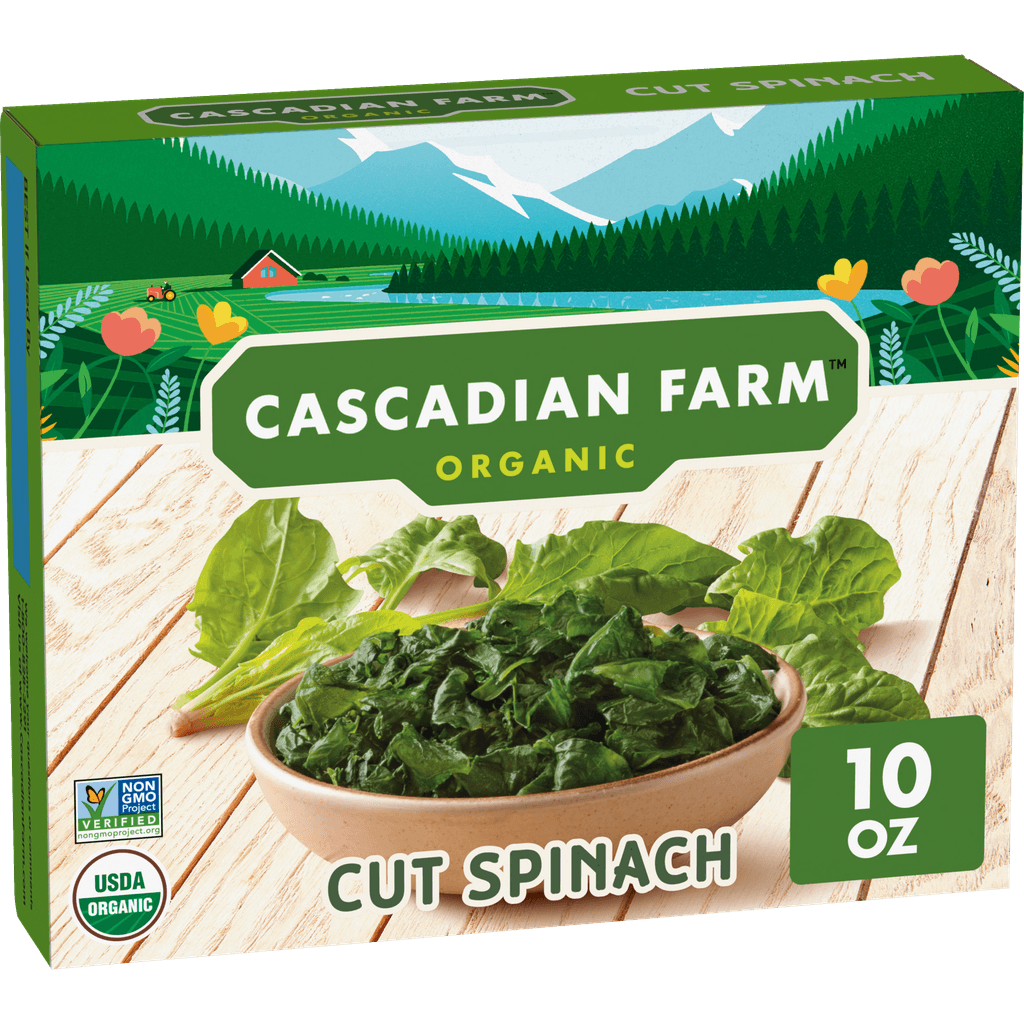
Are you confused about whether to use cut leaf or chopped spinach in your meals? You’re not alone.
Both types look similar but can change the taste, texture, and nutrition of your dishes. Choosing the right one can make your cooking easier and your meals more delicious. Keep reading to discover the key differences and find out which spinach suits your kitchen best.
Your next meal could be just a smart choice away!

Credit: www.super1foods.com
Cut Leaf Spinach Basics
Cut leaf spinach is a popular variety that stands out for its unique appearance and versatility. If you’re new to spinach types, understanding the basics of cut leaf spinach can help you decide when and how to use it in your meals. This variety offers distinct qualities that affect texture, flavor, and cooking methods.
Leaf Shape And Texture
Cut leaf spinach has narrow, deeply serrated leaves that look almost like oak leaves. The edges are jagged rather than smooth, giving it a more delicate feel. This shape makes the leaves tender and quick to cook, which is great if you want to keep your dishes light.
Compared to flat or savoy spinach, cut leaf spinach feels less dense. Its texture softens rapidly when heated, so it’s perfect for recipes where you want spinach to blend smoothly without much chew.
Nutritional Profile
Cut leaf spinach is a nutritional powerhouse. It’s rich in vitamins A, C, and K, plus minerals like iron and calcium. These nutrients support everything from skin health to bone strength.
One surprising fact? Despite its delicate appearance, cut leaf spinach packs a strong antioxidant punch. This makes it an excellent choice if you want to boost your diet with nutrient-dense greens without adding bulk.
Common Uses
- Raw in salads for a tender, fresh flavor
- Lightly sautéed as a side dish or in stir-fries
- Blended into smoothies for a nutrient boost without overwhelming texture
- Added to soups and sauces where it wilts quickly
Think about your favorite spinach recipes. Could cut leaf spinach make them easier or tastier? Its quick-cooking nature means less prep time and more flexibility. If you haven’t tried it yet, maybe it’s time to swap your usual spinach for this delicate variety and see how it changes the dish.
Chopped Spinach Essentials
Chopped spinach is a popular form of spinach used in many kitchens. It offers convenience and consistent quality. Understanding its essentials helps in choosing the right spinach for your recipes. Chopped spinach is often found fresh, frozen, or canned. Each type serves different cooking needs and preferences.
Processing And Packaging
Chopped spinach is cut into small pieces to save prep time. It is often washed and blanched to keep freshness. Packaging varies from vacuum-sealed bags to cans. Frozen chopped spinach retains nutrients longer than fresh. Canned spinach offers a shelf-stable option but may have added salt.
Texture And Flavor Impact
Chopping spinach changes its texture to softer and more uniform bits. It blends easily into dishes without large leafy pieces. The flavor becomes milder compared to whole leaves. Frozen chopped spinach may have a slightly cooked taste. Fresh chopped spinach keeps a brighter, green flavor.
Cooking Applications
- Soups and stews for quick blending and even cooking
- Omelettes and quiches for easy folding into eggs
- Pasta sauces where spinach melts smoothly into the sauce
- Spinach dips and spreads for a fine texture
- Baked dishes where moisture release is controlled by chopping
Freshness Factors
Spinach offers a burst of nutrients, but its freshness is key. Cut leaf and chopped spinach differ in how fresh they stay. Understanding these differences helps ensure you enjoy the best quality spinach.
Shelf Life Comparison
Cut leaf spinach typically lasts longer than chopped spinach. Whole leaves retain moisture better, extending freshness. Chopped spinach dries out faster, leading to a shorter shelf life. Always check the packaging for expiration dates. Freshness depends on proper storage and handling.
Storage Tips
- Store spinach in the coldest part of your fridge.
- Use airtight containers to prevent moisture loss.
- Keep spinach away from ethylene-producing fruits like bananas.
These practices help maintain spinach’s vibrant color and taste.
Signs Of Spoilage
Recognizing spoilage signs ensures you consume fresh spinach. Look for yellow or brown spots on the leaves. A slimy texture indicates spoilage. A strong, unpleasant odor means the spinach is no longer fresh. Discard any spinach showing these signs.
Credit: www.gianteagle.com
Flavor Profiles
Understanding the flavor profiles of cut leaf and chopped spinach can transform how you use them in your meals. Each type offers a unique taste experience that changes depending on whether you eat it raw or cooked. Knowing these differences helps you choose the right spinach form for your dish and bring out the best in your ingredients.
Raw Taste Differences
Cut leaf spinach has a tender, delicate texture with a mild, slightly sweet flavor. It feels fresh and light on the palate, making it ideal for salads and sandwiches.
Chopped spinach, often pre-washed and packed, tends to have a stronger, earthier taste. Its texture is more compact, which can feel a bit denser when eaten raw.
Have you noticed how the milder cut leaf spinach allows other salad ingredients to shine more? This can be useful if you want your dressing or toppings to stand out without competing with the spinach.
Effect Of Cooking Methods
Cooking changes the flavor of both types, but in different ways. Cut leaf spinach softens quickly and becomes sweeter as its natural sugars release.
Chopped spinach holds up better in longer cooking processes like soups and stews, where it adds a deep, rich green flavor. Its concentrated texture means it doesn’t lose as much volume or flavor.
Try sautéing cut leaf spinach briefly with garlic to keep its bright taste, while chopped spinach works well when simmered slowly to build depth.
Pairing With Ingredients
Cut leaf spinach pairs beautifully with light, fresh ingredients such as citrus, nuts, and soft cheeses. Its subtle flavor won’t overpower delicate tastes.
Chopped spinach matches well with bold flavors like garlic, onions, and spices. It holds its own in hearty dishes like casseroles or pasta sauces.
- Use cut leaf spinach in fresh wraps or as a bed for grilled chicken to keep things light.
- Add chopped spinach to tomato-based sauces for a nutrient boost and robust flavor.
Which spinach type do you think fits best with your favorite flavors? Experimenting with each can reveal surprising combinations you might love.
Health Benefits
Understanding the health benefits of cut leaf versus chopped spinach can help you choose the best option for your meals. Both forms offer impressive nutrition, but subtle differences may affect how your body absorbs and uses these nutrients.
Vitamin And Mineral Content
Both cut leaf and chopped spinach are rich in essential vitamins like A, C, and K, along with minerals such as iron and calcium. The difference lies mostly in texture and preparation rather than nutrient levels. You might find that cut leaf spinach retains slightly more vitamin C because it undergoes less processing.
Have you noticed how fresh spinach tastes different depending on how it’s prepared? That freshness often signals better nutrient preservation.
Antioxidant Levels
Spinach is known for its antioxidants, including lutein and beta-carotene, which support eye health and reduce inflammation. Cut leaf spinach often has higher antioxidant levels due to minimal handling and less exposure to air. Chopped spinach, especially when pre-packaged, may lose some antioxidants over time.
Consider how you store and prepare your spinach to maximize these benefits. Do you prefer fresh bunches or pre-chopped bags for your smoothies and salads?
Digestive Advantages
Both types of spinach are excellent sources of fiber, which aids digestion and promotes gut health. Chopped spinach may be easier to chew and digest, especially for people with sensitive stomachs. On the other hand, cut leaf spinach’s larger leaves can encourage more thorough chewing, which helps kickstart digestion.
Which form do you find gentler on your stomach? Paying attention to how your body reacts can guide your choice.
Choosing Between Cut Leaf And Chopped
Choosing between cut leaf and chopped spinach can shape your meal experience more than you might expect. Each type offers unique benefits that fit different cooking styles and dishes. Understanding these differences helps you pick the right spinach for your kitchen needs and taste preferences.
Meal Type Considerations
Cut leaf spinach usually has larger, intact leaves, making it ideal for salads and dishes where presentation matters. Its texture stays firmer, adding a fresh, leafy bite to your meals.
Chopped spinach, on the other hand, blends seamlessly into cooked dishes like soups, stews, and casseroles. It softens quickly, mixing well with other ingredients and distributing flavor evenly.
Ask yourself: Do you want spinach to stand out visually, or do you prefer it to melt into the background of your dish?
Convenience And Preparation Time
Chopped spinach saves you time because it’s usually pre-washed and ready to use. This convenience is perfect when you’re rushing to get dinner on the table.
Cut leaf spinach might need more washing and trimming, but it offers greater control over portion size and texture. Some cooks enjoy this hands-on approach, finding it part of the cooking experience.
Think about your daily routine—does quick prep matter more, or do you enjoy spending a little extra time preparing fresh ingredients?
Cost And Availability
Chopped spinach is often less expensive and more widely available in grocery stores, especially in frozen form. It’s a budget-friendly option for those who cook spinach regularly.
Cut leaf spinach can be pricier, particularly when purchased fresh and organic. However, its flavor and texture might justify the extra cost if you value quality and presentation.
Consider your budget and how often you use spinach—does paying a bit more for cut leaf spinach fit your cooking style and wallet?
Recipes Spotlight
Recipes spotlight shines on how to best use cut leaf and chopped spinach. Each form offers unique textures and flavors. Knowing which recipes suit each can elevate your meals. Cut leaf spinach holds shape well and adds a fresh crunch. Chopped spinach blends smoothly, ideal for creamy or mixed dishes.
Best Dishes For Cut Leaf Spinach
- Spinach and feta stuffed chicken breasts
- Fresh spinach salad with strawberries and nuts
- Sautéed spinach with garlic and olive oil
- Spinach and mushroom quiche
- Spinach and ricotta stuffed pasta shells
Top Recipes Using Chopped Spinach
- Spinach and cheese lasagna
- Spinach and artichoke dip
- Green smoothies with spinach and banana
- Spinach and potato curry
- Spinach and egg breakfast muffins

Credit: qdalliance.en.made-in-china.com
Frequently Asked Questions
What Is The Difference Between Cut Leaf And Chopped Spinach?
Cut leaf spinach has whole leaves separated from stems. Chopped spinach is finely cut into smaller pieces. Both forms differ in texture and cooking use.
Which Spinach Type Is Better For Cooking?
Chopped spinach cooks faster and blends easily into dishes. Cut leaf spinach retains more texture and is great for salads or sautés.
Can I Substitute Cut Leaf With Chopped Spinach?
Yes, you can substitute one for the other. Adjust cooking time as chopped spinach cooks quicker due to smaller pieces.
How Does Nutrition Compare Between Cut Leaf And Chopped Spinach?
Nutritionally, both forms are similar. The difference lies in texture and usage, not in vitamin or mineral content.
Conclusion
Cut leaf and chopped spinach each offer unique benefits. Cut leaf spinach has larger leaves, perfect for salads and fresh dishes. Chopped spinach works well in cooked meals and smoothies. Choosing depends on your recipe and taste preference. Both types provide essential nutrients and add green goodness to your diet.
Try both and enjoy the variety spinach brings to your meals. Simple, healthy, and tasty options for everyone.

I’m Abby Lu, a passionate home cook who loves simplifying everyday meals. At PlugChef.com, I share product reviews and cooking guides to help you find the best tools for your kitchen.
Related posts:
 What Type of Cooking Utensils are Safe: Expert Picks
 What Innovations Could Blenders Make: Unleashing Future Tech
 Smart Strategies to Organize a Small Kitchen: Maximize Space
 How to Organize a Kitchen Cabinet: Expert Tips & Tricks
 How to Organize Kitchen Drawers: Expert Tips and Tricks
 How to Organize a Corner Kitchen Cupboard: Expert Tips

