
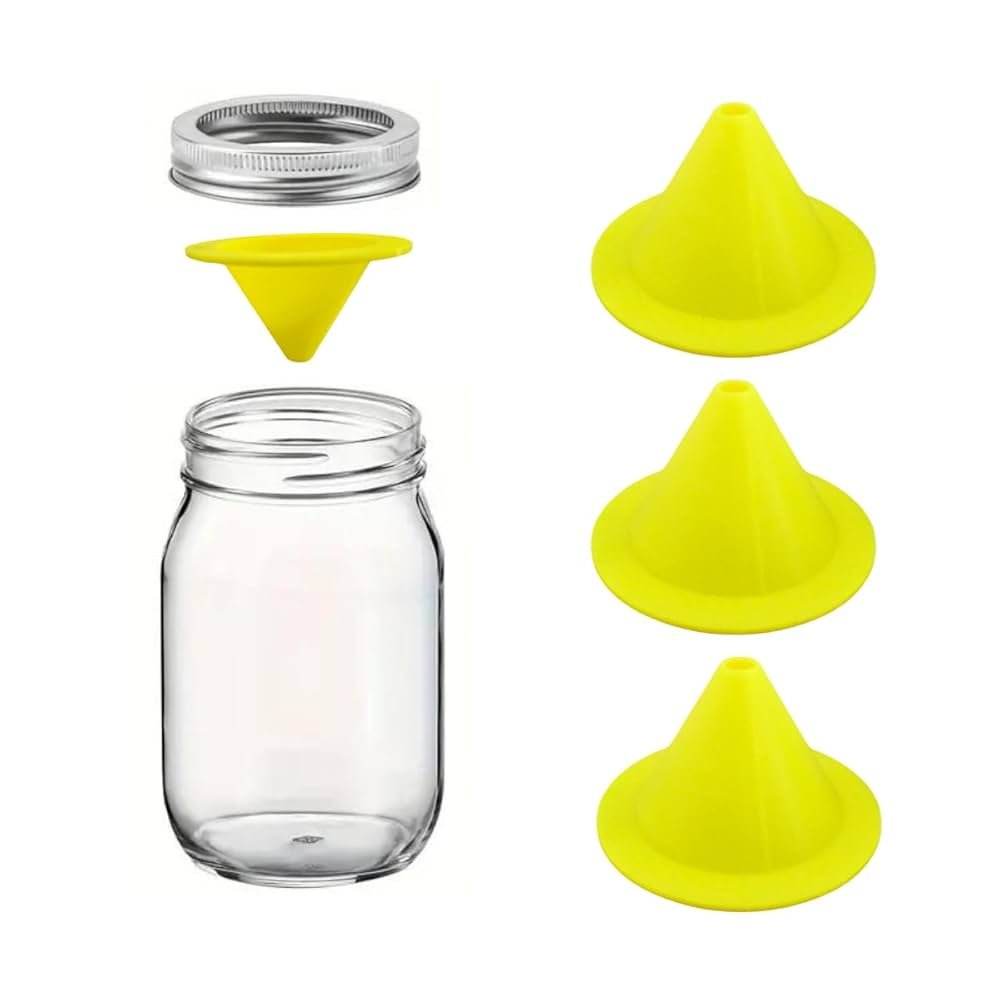
Fruit flies are the uninvited summer guests that show up after a grocery run, ruin a batch of ripe strawberries, and buzz around kitchen counters for days. Unlike seasonal pests that stay outdoors, these tiny insects breed rapidly indoors, with a single female capable of laying up to 500 eggs in her short lifespan. Chemical sprays pose risks to kids, pets, and food prep surfaces, making a non-toxic cone trap for fruit flies one of the most popular, low-cost DIY pest control solutions for home use.
This guide covers exactly how cone traps work, how to build one with common household items in 10 minutes or less, optimal placement to maximize catch rates, and complementary sanitation steps to keep infestations from returning. All guidance aligns with current pest management recommendations from public health and agricultural extension sources as of 2026.
Why Fruit Flies Are a Persistent Kitchen Nuisance
Fruit flies (primarily Drosophila melanogaster, the common species found in homes) are not just a minor annoyance. Their 7 to 10 day lifecycle at typical room temperatures (70–80°F / 21–27°C) means populations can explode from a single pair of flies to hundreds of adults in less than two weeks if left unaddressed. Unlike house flies, fruit flies are small enough to slip through window screens and are drawn indoors by the scent of fermenting produce, making kitchens their top habitat.
Common Fruit Fly Habits and Breeding Sites
Fruit flies rely on fermentation byproducts (ethanol and acetic acid) to find food and breeding grounds. Their preferred indoor spots include:
- Ripe or rotting fruits and vegetables left on countertops or in compost bins
- Damp organic buildup in sink drains, garbage disposals, and mop heads
- Residue in recycling bins, especially from juice, wine, or soda containers
- Open packages of dried fruit, chips, or other sweet snacks in pantries
- Standing water in vases, pet bowls, or plant saucers
Risks Beyond Household Annoyance
Beyond ruining fresh produce and creating an unpleasant environment, fruit flies pose tangible health risks. The CDC notes that fruit flies can carry harmful bacteria including E. coli and Salmonella from contaminated surfaces (like garbage cans or drains) directly to fresh food, increasing the risk of foodborne illness. They also accelerate food spoilage, leading to unnecessary waste and higher grocery costs for households.
 Homemade paper cone trap placed near a fruit bowl to target active fruit fly populations
How Cone Traps Work: Science-Backed Effectiveness
Cone traps are effective because they exploit two inherent fruit fly behaviors: their strong drive to move toward fermentation scents (positive chemotaxis) and their poor ability to navigate upward out of confined, tapered spaces. Unlike sticky traps that leave messy residue on countertops or chemical sprays that risk contaminating food, cone traps are non-toxic, reusable, and low-effort to maintain.
Design Principles That Prevent Escape
A standard cone trap consists of two simple parts: a wide-mouthed clear container to hold bait and a tapered paper or plastic cone that fits snugly into the container opening. The wide top of the cone lets fruit flies easily enter when following bait scents, while the narrow bottom opening is just large enough for a fly to squeeze through, but too small for them to reorient and fly back out. Most fruit flies will instinctively fly upward toward light after entering the container, causing them to bump into the cone walls repeatedly instead of locating the exit. The clear container also lets you monitor catch rates to gauge the size of your infestation.
Bait Options and How They Attract Flies
The bait you use determines how many flies your trap will catch. The most effective options, ordered by performance, are:
- Apple cider vinegar (5% acidity): The most reliable all-around bait, as its strong acetic acid scent mimics fermenting fruit. Add 1–2 drops of dish soap to break the surface tension, so flies sink and drown instead of landing on the liquid and escaping.
- Mashed overripe banana: Releases more volatile fermentation scents than whole fruit, making it ideal for large infestations. Place a small amount at the bottom of the jar on a cotton ball to avoid spills.
- Red wine or beer: High ethanol content attracts flies from farther away, making it a good choice for traps placed in larger rooms or outdoor patios.
- Yeast-sugar mixture: Mix 1 tsp active dry yeast with 1 tbsp sugar and 1 cup warm water. The fermentation process produces CO₂, which pulls fruit flies from up to 10 feet away, making it perfect for severe outbreaks.
A common mistake is using too little bait: fill the container no more than 1/3 full to ensure the scent is strong enough to attract flies from across the room.
 Finished mason jar cone trap with apple cider vinegar bait, ready for placement
Build Your Own DIY Cone Trap: Materials and Step-by-Step Guide
A functional cone trap costs less than $1 to build with household items, and takes 10 minutes or less to assemble. Follow these steps for a trap that catches 20–30 flies per day in moderate infestations.
What You'll Need
All materials are reusable or easy to find around the house:
- 1 clear wide-mouth glass or BPA-free plastic jar (16–32 oz, e.g., a mason jar, old pasta sauce jar, or jam jar)
- 1 sheet of sturdy paper or thin cardstock (standard 8.5×11" works perfectly)
- Scissors
- Masking tape or scotch tape
- Rubber band (optional, for a tighter seal)
- Bait of choice (see options above)
- 1–2 drops dish soap (if using liquid bait)
Step-by-Step Assembly Instructions
- Prep the container: Wash the jar thoroughly with warm soapy water, rinse well, and dry completely. Any leftover food residue will repel fruit flies instead of attracting them.
- Make the cone: Cut the paper into a 10-inch circle, then cut a small 1/8 wedge out of the edge to form a cone shape. The narrow tip of the cone should have an opening roughly 1/4 inch in diameter—large enough for a fruit fly to enter, but small enough that they cannot navigate back out easily. Tape the edge of the cone to hold its shape, and trim the tip if it's too blunt.
- Add bait: If using liquid bait, pour 1/2 to 1 cup into the jar (fill no more than 1/3 full to avoid spills). Add 1–2 drops of dish soap and stir gently to mix, avoiding excess bubbles. If using fruit bait, place 2–3 pieces of mashed overripe banana or a cotton ball soaked in red wine at the bottom of the jar.
- Assemble the trap: Place the cone narrow-end down into the jar opening, so the tip of the cone sits 1/2 inch above the bait (do not let the cone touch the bait, as this gives flies a landing spot to escape). Secure the cone to the jar with tape around the outer rim, or use a rubber band for a tighter, fly-proof seal.
- Test the trap: Place it in a high-activity area and check after 24 hours. If flies are entering but not escaping, the trap is working. If not, adjust the cone opening size or add fresh bait with a stronger scent.
Placement and Maintenance for Maximum Results
Even a well-built cone trap will underperform if placed incorrectly or left unmaintained. Follow these guidelines to catch the highest number of flies possible.
Ideal Locations in Your Home
Fruit flies are most active near food sources and breeding sites, so place traps within 2–3 feet of these high-risk spots:
- Next to fruit bowls or countertop produce storage
- Adjacent to garbage cans (especially if they are not sealed with a lid)
- Near sink drains and garbage disposals, the most common indoor breeding sites
- Next to recycling bins that hold empty juice, wine, or soda containers
- In pantries near open packages of sweet snacks
- Near standing water sources like vases or pet bowls
Avoid placing traps in direct sunlight, as heat will cause the bait to evaporate faster and can kill flies before they drown, reducing your visible catch count. Place traps at counter height or slightly lower, as fruit flies typically fly 1–3 feet above the ground. In practice, traps placed 1–2 feet away from fruit bowls catch more flies than those placed directly on top of produce, as flies are more likely to investigate a nearby trap rather than land directly on the food they are attracted to.
How Often to Move and Service Your Trap
Check traps daily to remove dead flies and add fresh bait if needed. Replace all bait every 3–5 days, as fermentation scents dissipate over time and old bait will no longer attract flies. Move traps to a new location every 3–4 days: fruit flies will learn to avoid a stationary trap over time, and moving it to new fly hotspots will target populations that have shifted to other areas of your home.
For severe infestations, use 2–3 traps at once in different rooms to reduce the adult population faster and break the breeding cycle.
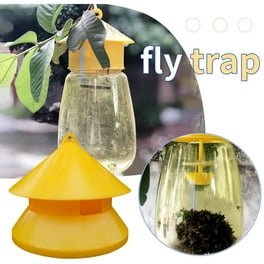 Commercial-style clear cone trap with a removable bait chamber for easy cleaning and bait replacement
Complementary Natural Fruit Fly Control Methods
Cone traps work best when paired with other low-toxicity control steps to eliminate breeding sites and prevent future infestations. Per University of Minnesota Extension, combining trapping with targeted sanitation reduces fruit fly populations significantly in most home settings.
Sanitation Practices to Eliminate Breeding Sites
The most effective long-term fruit fly control is removing the food and moisture sources that allow them to breed:
- Store all ripe produce in sealed produce storage in the fridge, rather than leaving it out on countertops.
- Wipe down clean food prep surfaces after every use to remove sticky fruit residue and crumbs that attract flies.
- Take out trash daily, and use sealed liners for garbage cans to prevent scents from escaping.
- Clean sink drains and garbage disposals weekly with a mixture of 1 cup baking soda, 1 cup white vinegar, and a pot of boiling water to dissolve organic buildup where eggs and larvae hide.
- Empty and scrub standing water sources like vases, pet bowls, and plant saucers weekly to remove hidden breeding grounds.
- Keep counters free of clutter with adjustable kitchen storage to eliminate hiding spots for adult flies and reduce areas where organic matter can collect.
Other Low-Toxicity Traps and Prevention Tips
If you want to supplement your cone traps, these additional methods work well for targeted control:
- Bowl and plastic wrap trap: Fill a small bowl with apple cider vinegar, cover tightly with plastic wrap, and poke 5–10 small holes in the top. Flies enter but cannot escape.
- Wine bottle trap: Leave a small amount of red wine in an empty bottle, and place a paper cone in the top. The wine scent lures flies in, and they cannot climb back out the narrow cone opening.
- Drain covers: Use mesh drain covers in sinks and showers to prevent fruit flies from entering drains to lay eggs.
For year-round prevention, leave a small cone trap out in high-risk spots like near the kitchen sink year-round to catch stray flies before they can breed.
Frequently Asked Questions About Cone Traps for Fruit Flies
How long does it take for a cone trap to catch fruit flies?
Most traps start catching flies within 24 to 48 hours of setup, depending on the size of the infestation and how attractive your bait is. For severe outbreaks with hundreds of adult flies, it may take 3 to 5 days to see a significant drop in the population, as you first need to break the active breeding cycle by eliminating larvae and eggs in drains and other hidden spots.
Can cone traps eliminate a fruit fly infestation completely?
Cone traps are highly effective at reducing adult fruit fly populations, but they cannot eliminate an infestation on their own if breeding sites are still present. Eggs and larvae hiding in drain gunk, garbage disposal crevices, or under fridge seals will continue to hatch into adults even if you catch all the flying insects. For full control, pair trap use with deep cleaning of all potential breeding sites.
Are cone traps safe to use around kids and pets?
Yes, DIY cone traps made with household materials are non-toxic, as long as you place them out of reach of small children and pets to avoid spills or ingestion of bait. Avoid using commercial pesticide-based lures if you have young kids or animals in the home, as these can be harmful if consumed.
How do I prevent fruit flies from coming back after using a cone trap?
Consistent sanitation is the most effective prevention strategy. Store ripe produce in the fridge, wipe down counters and food prep surfaces after every use, take out trash daily, clean drains weekly, and keep recycling bins sealed with tight-fitting lids. You can also leave a small cone trap out year-round in high-risk spots like near the kitchen sink to catch stray flies before they can breed.
Can I reuse a cone trap?
Yes, cone traps are fully reusable as long as you clean them thoroughly between uses. Wash the jar with warm soapy water, rinse well to remove any soap residue, and replace the paper cone if it is damaged or soiled. Reusing traps reduces waste and saves money long-term.
Final Thoughts
A cone trap for fruit flies is one of the most effective, low-cost, and non-toxic DIY pest control solutions available for home use. It requires minimal materials, takes minutes to build, and catches adult flies quickly without exposing your family to harsh chemicals. While traps alone will not eliminate a severe infestation, pairing them with consistent sanitation, proper produce storage, and drain cleaning will keep fruit fly populations at bay for the long term.
For more easy, budget-friendly kitchen pest control, food storage, and cleaning tips, browse our full library of home kitchen guides to keep your space functional and pest-free all year round.

Hi, I’m Daniel Brooks—a food lover and kitchen gear enthusiast. I enjoy testing cookware, utensils, and gadgets to see what really works in everyday cooking. At PlugChef.com, I share honest reviews, comparisons, and simple guides to help you choose the best tools for a safer, smarter, and more enjoyable kitchen.
Related posts:
 Everything Bagel Dip Trader Joe’s: Irresistible Snack Hack
 Recipes for Frozen Salmon Fillets: Easy, Delicious, and Quick Ideas
 Eggs in Cast Iron Skillet: Perfectly Crispy & Delicious Every Time
 How to Buy a Steak: Expert Tips for Perfect Cuts Every Time
 How to Start a Scoby: Easy Steps to Brew Your Own Kombucha
 Rolled Steel Vs Cast Iron: Ultimate Strength and Durability Showdown

