
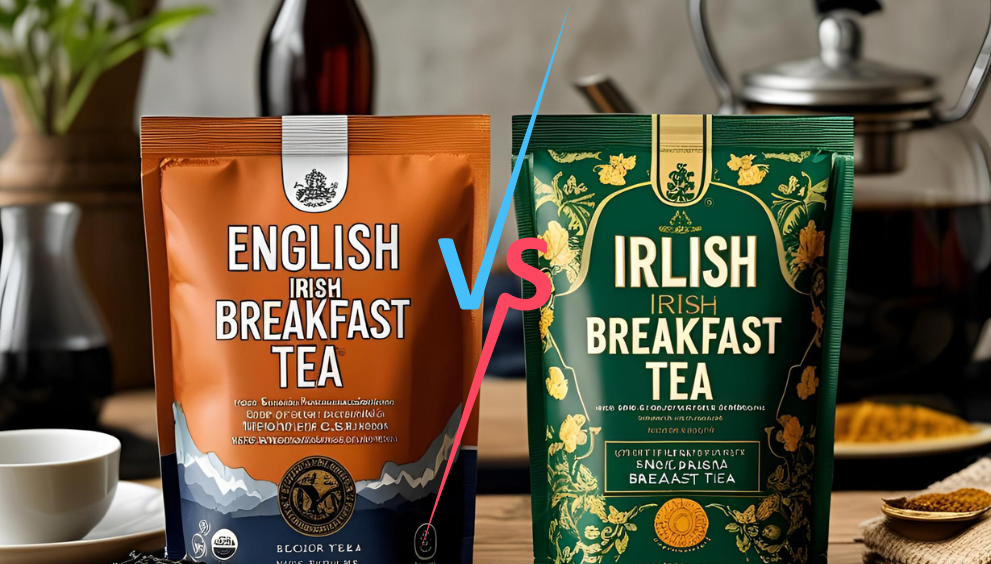
Are you a tea lover curious about the difference between Irish Breakfast Tea and English Breakfast Tea? You might think they’re just similar blends, but there’s more to each cup than meets the eye.
Your morning tea can set the tone for the entire day, so knowing which one suits your taste and lifestyle could make a big difference. Keep reading to discover what makes these two teas unique and how choosing the right one can elevate your daily ritual.
Credit: teauniverses.com
Origins And Traditions
The origins and traditions of Irish and English Breakfast Tea reveal rich histories and deep cultural roots. Each tea has a unique story that reflects its country’s lifestyle and preferences. Exploring these origins helps us appreciate the differences and similarities between these beloved morning brews.
History Of Irish Breakfast Tea
Irish Breakfast Tea traces back to the 18th century. It became popular as a strong, robust blend to match the hearty Irish breakfast. The tea often combines Assam and other black teas to create a rich flavor. Irish families embraced this tea for its bold taste and energizing qualities. It grew into a daily ritual, especially in rural homes.
History Of English Breakfast Tea
English Breakfast Tea also originated in the 18th century. It was designed to pair well with the traditional English breakfast. The blend usually includes Assam, Ceylon, and Kenyan teas. This combination offers a balanced flavor that is strong but not overpowering. English Breakfast Tea became widely popular among the British aristocracy and later the general public.
Cultural Significance
Both teas hold important places in their cultures. Irish Breakfast Tea symbolizes warmth, comfort, and hospitality. It is often served with milk and sugar to enhance its strength. English Breakfast Tea represents tradition and daily routine. It is a staple in homes and cafes across England, enjoyed throughout the day.
Sharing these teas is a social act. They bring families and friends together. Each cup carries a sense of history and belonging, connecting people to their heritage.
Tea Blends And Ingredients
Tea blends and ingredients shape the unique taste and aroma of Irish and English Breakfast teas. Understanding these elements reveals why each tea holds a special place in daily routines. Both blends use black tea leaves but differ in their mix and flavor profile. The choice of leaves, regional touches, and added flavors create distinct experiences for tea lovers.
Common Tea Leaves Used
Irish Breakfast tea mainly features strong Assam tea leaves. Assam leaves give a bold, malty taste and dark color. English Breakfast tea blends often combine Assam, Ceylon, and Kenyan leaves. This mix creates a balanced and smooth flavor. Both teas rely on black tea leaves, but their ratios differ.
Regional Variations In Blends
Irish blends tend to emphasize Assam for richness and strength. English blends include more Ceylon tea, adding brightness and citrus notes. Kenyan tea adds briskness and body to English blends. These regional choices reflect local preferences and traditions. The result is a full-bodied Irish tea and a lighter, more complex English blend.
Additives And Enhancements
Both teas are usually served plain or with milk. Irish tea often pairs with a splash of milk to soften its strong taste. English Breakfast tea also suits milk or lemon. Some blends may include a hint of smoky or floral notes from specific tea gardens. Sweeteners like sugar or honey remain optional, depending on personal taste.
Flavor Profiles
Irish Breakfast Tea and English Breakfast Tea offer distinct flavor profiles. Each has unique taste characteristics, creating a different experience for tea lovers. Understanding these differences enriches your tea appreciation journey.
Taste Characteristics Of Irish Breakfast Tea
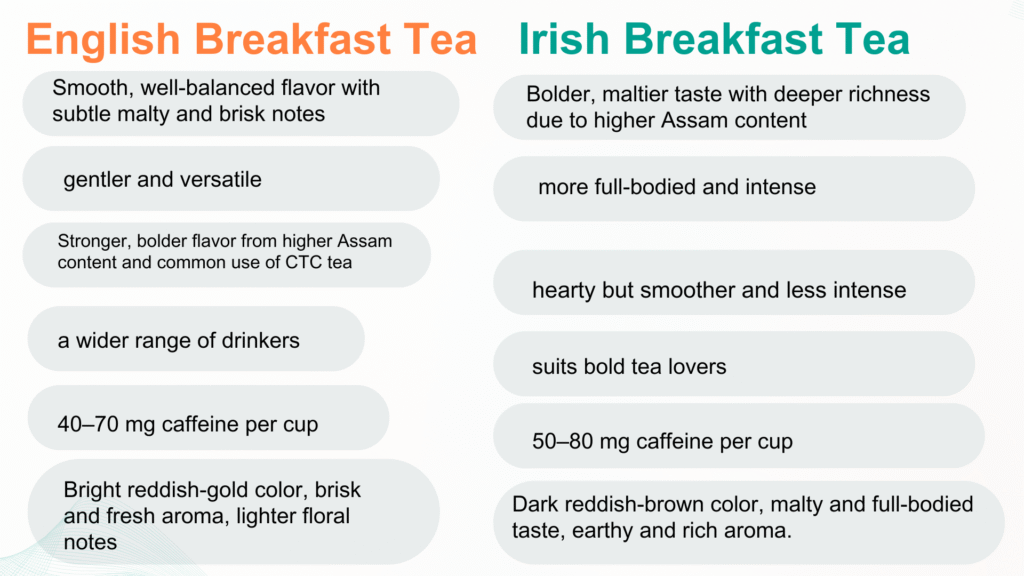
Irish Breakfast Tea is bold and robust. It often contains a higher proportion of Assam tea. This gives it a malty, rich flavor. Its strong taste pairs well with milk or cream. Some detect a slight sweetness in its flavor.
Taste Characteristics Of English Breakfast Tea
English Breakfast Tea is known for its balance. It blends several black teas, like Ceylon and Assam. This creates a smooth, full-bodied flavor. It has a slightly sweet and sometimes floral note. It’s less bold than Irish Breakfast Tea. It also pairs well with milk or sugar.
Comparing Strength And Aroma
Irish Breakfast Tea is generally stronger. Its aroma is rich and malty. This makes it more assertive. English Breakfast Tea is milder. It offers a balanced aroma. Its fragrance is more floral and subtle. Both teas provide a unique sensory experience.

Credit: teauniverses.com
Brewing Techniques
Brewing techniques shape the taste and aroma of Irish and English Breakfast teas. Each tradition uses specific methods to bring out unique flavors. Understanding these techniques helps enjoy each tea at its best.
Traditional Brewing Methods
Irish Breakfast tea often uses a strong brew with loose leaves or tea bags. Tea leaves steep in boiling water directly. Using a teapot is common to keep the tea hot and flavorful.
English Breakfast tea is usually brewed with tea bags or loose leaves in a teapot. Water just off the boil is poured over the tea. Some prefer using a tea cozy to maintain warmth.
Recommended Brewing Times And Temperatures
| Tea Type | Water Temperature | Brewing Time |
|---|---|---|
| Irish Breakfast | 100°C (212°F) | 4-5 minutes |
| English Breakfast | 95-98°C (203-208°F) | 3-4 minutes |
Impact Of Brewing On Flavor
Irish Breakfast tea’s longer brewing time creates a bold, strong taste. The full boil water extracts deep flavors from the leaves. The result is a rich, malty cup that pairs well with milk.
English Breakfast tea’s slightly cooler water and shorter brew time deliver a smoother, lighter flavor. It keeps the tea balanced and less bitter. This makes it ideal for those who prefer a milder breakfast tea.
Pairing And Serving Styles
Pairing and serving styles shape how Irish and English Breakfast Teas are enjoyed. Both teas offer rich flavors that match well with specific foods and customs. Understanding these styles helps you appreciate each tea’s unique experience.
Typical Food Pairings
Irish Breakfast Tea suits hearty and rich foods. It pairs well with:
- Fried breakfasts with eggs, sausages, and bacon
- Brown bread and butter
- Hearty stews or soups
- Oatmeal and porridge
English Breakfast Tea matches lighter fare but still has strong character. Common pairings include:
- Toast with jam or marmalade
- Scones with clotted cream
- Light sandwiches or pastries
- Biscuits and mild cheese
Milk, Sugar, And Other Additions
Irish Breakfast Tea is often enjoyed with milk to soften its bold taste. Sugar can be added, but many prefer it plain or with just milk. Some like a splash of cream for extra richness.
English Breakfast Tea is flexible. Milk and sugar are common, but some drink it black. Lemon slices are also a popular addition, especially without milk.
Serving Etiquette
Irish tea service is warm and informal. Tea is poured first, then milk is added to taste. Tea is often served in sturdy mugs or teacups.
English tea service follows more formal traditions. Tea is poured carefully into fine china cups. Milk is added after pouring tea, respecting the “milk first or last” debate.
Both styles encourage enjoying tea slowly, savoring the flavors and company.
Credit: teauniverses.com
Health Benefits And Considerations
Choosing between Irish Breakfast Tea and English Breakfast Tea often comes down to taste, but health benefits and considerations are just as important. Both teas offer unique nutritional profiles and caffeine levels that can impact your daily routine and wellbeing. Understanding these differences helps you make a choice that suits your health goals and lifestyle.
Nutritional Aspects
Both Irish and English Breakfast teas are rich in antioxidants, which help combat free radicals in your body. These antioxidants, like catechins and theaflavins, support heart health and may reduce inflammation.
Irish Breakfast Tea typically uses a blend dominated by robust Assam leaves, which offer a slightly higher mineral content compared to the smoother blend found in English Breakfast Tea. This means you get a modest boost of iron and magnesium with Irish blends.
Are you looking for a tea that not only energizes but also provides a small nutrient lift? Irish Breakfast Tea might be the better choice.
Caffeine Content Comparison
| Tea Type | Average Caffeine Content (per 8 oz cup) |
|---|---|
| Irish Breakfast Tea | 60-70 mg |
| English Breakfast Tea | 40-60 mg |
The higher caffeine content in Irish Breakfast Tea can give you a stronger morning kick. If you need a quick energy boost without reaching for coffee, this might be your go-to.
However, if you’re sensitive to caffeine or prefer a gentler lift, English Breakfast Tea offers a balanced alternative. Which level of caffeine suits your daily rhythm?
Potential Health Effects
Both teas support mental alertness and can improve focus, thanks to their caffeine and L-theanine content. The combination encourages calm energy rather than jitters.
Regular consumption of these teas may also support cardiovascular health by improving blood vessel function and lowering cholesterol levels. I noticed my own energy stayed steady and my stress levels dropped when I switched from coffee to English Breakfast Tea for several weeks.
Still, drinking too much can lead to side effects like insomnia or increased heart rate. Pay attention to how your body reacts and adjust your intake accordingly.
Choosing Your Perfect Brew
Choosing your perfect brew depends on what you want from your tea experience. Both Irish Breakfast Tea and English Breakfast Tea offer unique flavors and strengths. Understanding your taste preferences and the right occasions for each can help you pick the best cup every time.
Personal Taste Preferences
Irish Breakfast Tea is bold and malty, often stronger than its English counterpart. If you enjoy a robust, rich flavor that stands up well to milk and sugar, this might be your go-to. On the other hand, English Breakfast Tea tends to be lighter and more balanced, with a smooth, slightly fruity undertone.
Ask yourself: Do you prefer a tea that wakes you up with a punch or one that gently starts your day? Your choice says a lot about your taste buds and how you like to enjoy tea. Experimenting with small batches can help you discover what suits your palate best.
Occasions For Each Tea
Think about when you drink tea. Irish Breakfast Tea works well for mornings when you need a strong boost to kickstart your day. It’s perfect with a hearty breakfast or a quiet moment to gather your thoughts.
English Breakfast Tea fits well with afternoons or lighter meals. Its milder flavor makes it a great companion for social gatherings or a calming break. Have you noticed how different teas set different moods? Picking a tea to match your occasion can elevate the experience.
Where To Buy Quality Blends
Quality matters more than quantity. Look for specialty tea shops, local markets, or trusted online stores to find authentic Irish and English Breakfast blends. Check for freshness and ingredient transparency to ensure the best taste.
- Visit local tea boutiques for personalized recommendations.
- Explore online retailers with high customer ratings.
- Consider subscription boxes that offer sample packs.
Have you tried sourcing your tea directly from regions known for their blends? Sometimes, the best cups come from unexpected places. Keep an eye out for customer reviews and brewing tips to get the most from your purchase.
Frequently Asked Questions
What Is The Main Difference Between Irish And English Breakfast Tea?
Irish Breakfast Tea is stronger and more robust than English Breakfast Tea. It uses more Assam leaves, giving a bolder flavor. English Breakfast Tea has a lighter, smoother blend with Assam, Ceylon, and Kenyan teas. Both are popular morning teas but cater to different taste preferences.
Which Tea Is Better For A Strong Morning Boost?
Irish Breakfast Tea is ideal for a strong morning boost. Its higher Assam content provides a rich, malty flavor and more caffeine. English Breakfast Tea is milder and better for those preferring a gentler start. Choose based on your caffeine tolerance and taste preference.
How Do Brewing Methods Differ For Irish And English Tea?
Both teas are brewed similarly with boiling water and steeped for 3-5 minutes. Irish Breakfast Tea may require slightly longer steeping for full strength. English Breakfast Tea is best brewed for a shorter time to retain smoothness. Adjust steeping time for desired strength.
Can Irish And English Breakfast Tea Be Mixed With Milk?
Yes, both teas pair well with milk. Irish Breakfast Tea’s strong flavor balances creamy milk perfectly. English Breakfast Tea’s lighter taste also complements milk but remains smoother. Milk enhances flavor and reduces bitterness in both blends, making them popular choices with milk.
Conclusion
Both Irish Breakfast Tea and English Breakfast Tea offer rich, bold flavors. Each has its own unique taste and strength. Irish tea tends to be stronger and darker. English tea is smooth with a malty flavor. Choose based on your mood and preference.
Both teas make a great start to any day. Enjoy a warm cup and savor the tradition. Tea lovers will appreciate what each brings to the table. Simple, classic, and comforting – a perfect tea choice.

Hi, I’m Daniel Brooks—a food lover and kitchen gear enthusiast. I enjoy testing cookware, utensils, and gadgets to see what really works in everyday cooking. At PlugChef.com, I share honest reviews, comparisons, and simple guides to help you choose the best tools for a safer, smarter, and more enjoyable kitchen.
Related posts:
 What Type of Cooking Utensils are Safe: Expert Picks
 What Innovations Could Blenders Make: Unleashing Future Tech
 Smart Strategies to Organize a Small Kitchen: Maximize Space
 How to Organize a Kitchen Cabinet: Expert Tips & Tricks
 How to Organize Kitchen Drawers: Expert Tips and Tricks
 How to Organize a Corner Kitchen Cupboard: Expert Tips

