
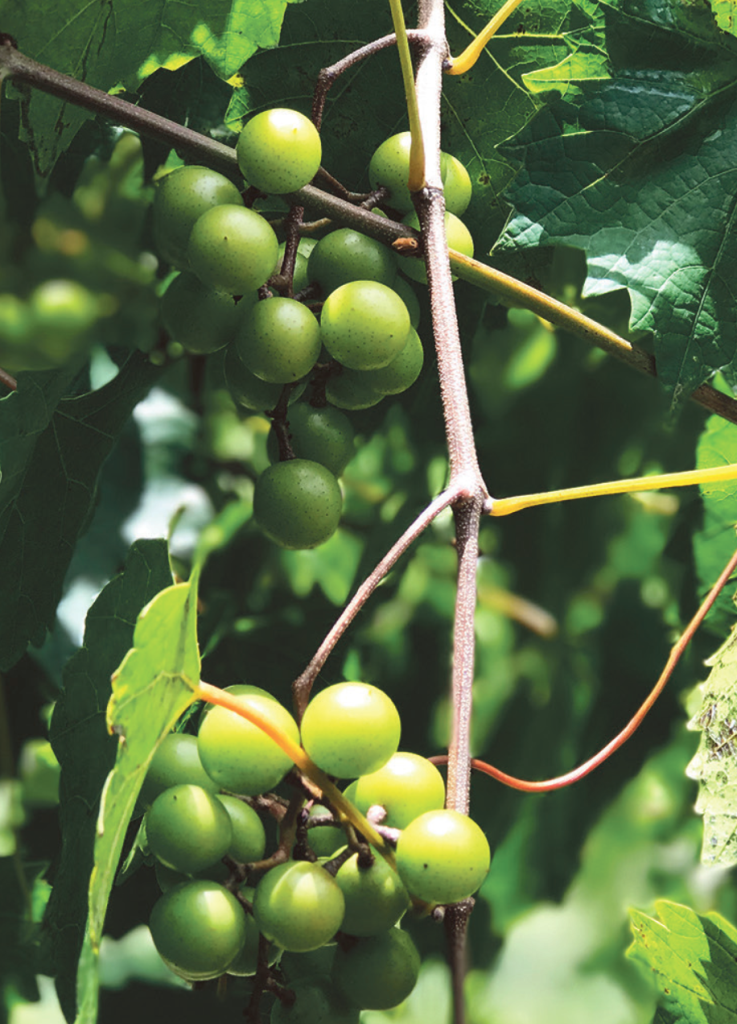
Have you ever wondered when muscadines are at their best? Knowing the right season can make all the difference in enjoying their sweet, juicy flavor at its peak.
If you’ve been craving these unique grapes or want to add something special to your recipes, understanding their season is key. Keep reading, and you’ll discover exactly when muscadines are in season—and how you can make the most of this delicious fruit while it lasts.
Muscadine Growing Regions
Muscadines thrive in specific regions that suit their unique growing needs. These grapes mainly grow in warm areas with long, hot summers. Understanding where muscadines grow helps explain their seasonal patterns and quality. The main regions share common climate traits that support muscadine growth and fruit ripening.
Southern United States Focus
The Southern United States is the heart of muscadine cultivation. States like Georgia, Alabama, Mississippi, and North Carolina are top producers. These areas offer the warm temperatures muscadines need from spring to fall. The long growing season allows the grapes to mature fully.
Southern states also have rich soil that supports healthy vine growth. Many farms and vineyards dedicate large areas to muscadine grapes. This region’s strong tradition helps keep muscadine farming alive and well.
Climate Impact On Growth
Climate plays a key role in muscadine development. These grapes need warmth and humidity to thrive. Hot summers speed up the ripening process, producing sweeter fruit. Mild winters protect the vines from harsh freezes.
Too much cold or frost can harm muscadine plants. High humidity helps prevent drought stress during dry spells. Rainfall during the growing season supports healthy vine growth and juicy grapes.

Credit: phys.org
Muscadine Harvest Timeline
The muscadine harvest timeline varies significantly depending on the variety you choose to grow or buy. Understanding when each type ripens can help you enjoy fresh muscadines for a longer stretch of time. If you want to plan your garden or market visits effectively, knowing the specific harvest windows is essential.
Early Season Varieties
Early season muscadines typically start ripening in late July through early August. Varieties like ‘Fry’ and ‘Hunt’ are known for their early arrival. These grapes tend to be smaller but pack a punch in flavor, making them perfect for fresh eating right off the vine.
Have you ever noticed how early muscadines can beat the summer heat rush at farmers’ markets? Picking these first can give you a head start on making jams and jellies.
Midseason Varieties
Midseason muscadines usually come into their prime between mid-August and early September. Popular types such as ‘Scuppernong’ and ‘Carlos’ fall into this category. They often produce larger clusters and are favored for wine production and baking.
These midseason grapes offer a great balance of sweetness and acidity. If you want muscadines for multiple uses, these might be the best choice to keep your pantry stocked.
Late Season Varieties
Late season muscadines ripen from late September through October, sometimes even into early November in warmer climates. Varieties like ‘Granny Val’ and ‘Darlene’ are late bloomers. Their thicker skins help them last longer on the vine, making them ideal for extended harvesting.
Have you ever wondered how to stretch your muscadine season? Late season grapes can keep your supply fresh well into fall, giving you more time to experiment with recipes or preserve your harvest.
Signs Of Ripe Muscadines
Understanding the signs of ripe muscadines helps you enjoy them at their best. These grapes have unique indicators of ripeness. Knowing these signs ensures you pick the juiciest and sweetest muscadines.
Color Changes
Ripe muscadines showcase vibrant colors. Purple varieties turn deep purple or black. Bronze muscadines become golden or light brown. Color is the first visual clue of ripeness.
Texture And Firmness
Gently squeeze the muscadine. Ripe ones have a slight give. They are not too soft or too hard. The skin should feel smooth and firm to the touch.
Taste Indicators
Ripe muscadines taste sweet with a touch of tartness. The flavor is rich and juicy. If they taste sour or bland, they are not fully ripe. Tasting is the ultimate test of ripeness.

Credit: www.beacononlinenews.com
Factors Influencing Harvest Times
The timing of muscadine harvest depends on several key factors. These elements influence how quickly the grapes ripen and become ready for picking. Understanding these factors helps growers plan the best harvest time for quality fruit.
Weather Conditions
Temperature plays a major role in grape development. Warm days and cool nights help muscadines ripen evenly. Too much rain near harvest can cause fruit to swell and lose flavor. Drought stress can slow down ripening and reduce yield. Weather patterns vary by region, affecting harvest dates each year.
Soil Quality
Soil type impacts how vines absorb water and nutrients. Well-drained soils promote healthy root growth and fruit ripening. Heavy clay soils may hold too much water, delaying maturity. Nutrient-rich soils help vines produce sweeter grapes. Soil pH also affects nutrient availability and vine health.
Vineyard Practices
Pruning techniques influence fruit exposure to sunlight and air. Proper pruning ensures even ripening across the vine. Irrigation schedules affect vine stress and berry size. Pest and disease control help maintain fruit quality. Timely vineyard management leads to a successful harvest.
Using Muscadines Beyond Fresh Eating
Muscadines are much more than a fresh, juicy treat. Once you’ve enjoyed their natural sweetness, you might wonder how else to use these unique grapes. Their thick skins and rich flavor make them perfect for creating delicious juices, jams, and even wine.
Juices And Jams
Muscadines make vibrant, flavorful juices that are both refreshing and packed with nutrients. You can easily press the grapes to extract juice and sweeten it lightly if needed. This juice works well on its own or as a mixer in cocktails and smoothies.
Making jam from muscadines is a rewarding way to preserve their taste. Their natural pectin content helps the jam set nicely without extra additives. Think about spreading muscadine jam on your morning toast or adding it to yogurt for a fruity twist.
Wine Production
Muscadines are a favorite for crafting distinctive wines, especially in the southern United States. Their thick skins add complexity and tannins that give muscadine wine a unique character. If you enjoy homemade wine, muscadines can be a fun and different option to try fermenting yourself.
Have you considered how the climate affects muscadine wine quality? Warmer regions often produce bolder flavors, which might surprise you if you’re used to traditional grape wines. Exploring muscadine wine introduces you to a different side of winemaking traditions.
Health Benefits
Beyond their taste, muscadines offer impressive health perks. They contain antioxidants that help fight inflammation and support heart health. Including muscadines in your diet, whether fresh, juiced, or in jam form, can be a tasty way to boost your well-being.
Do you know that muscadine skins hold most of the nutrients? Eating them whole or using skin-rich products ensures you get the maximum health benefits. It’s a simple change that can make your fruit intake more powerful.

Credit: www.waysidegardens.com
Where To Find Fresh Muscadines
Finding fresh muscadines can feel like a mini treasure hunt, especially if you want the juiciest, ripest grapes straight from the source. Knowing where to look makes all the difference. Your best bet is to check out spots that prioritize freshness and seasonality, ensuring you get the best taste experience.
Farmers Markets
Farmers markets are often the first place to find fresh muscadines during their season. Local growers bring their harvest directly to these markets, so you’re likely to find grapes picked just hours earlier. Visiting a farmers market also lets you ask the sellers about the best ways to enjoy muscadines or even sample different varieties.
Look for markets in Southern states like Georgia, North Carolina, and Mississippi, where muscadines thrive. You might even discover other fresh, seasonal fruits to pair with your grapes for a perfect snack or recipe.
Local Orchards
Picking your own muscadines at a local orchard is an experience you won’t forget. Many orchards open their gates during the harvest season, inviting visitors to gather ripe grapes right off the vine. This hands-on approach guarantees freshness and gives you control over selecting the sweetest clusters.
Orchards also offer a chance to learn more about muscadine cultivation. You might find unique muscadine varieties that don’t make it to stores or markets. Plus, the scenery and fresh air make the outing enjoyable beyond just the fruit.
Online Retailers
When fresh muscadines aren’t available locally, online retailers can be a convenient alternative. Many specialize in shipping fresh, seasonal fruits directly to your doorstep, often packed carefully to preserve quality. This option is especially helpful if you live outside muscadine-growing regions.
Check customer reviews and delivery times before ordering to ensure freshness. Some websites also offer muscadine-based products like jams or juices if you want to enjoy the flavor year-round. Have you ever tried ordering fresh fruit online? It might be worth experimenting with.
Frequently Asked Questions
When Do Muscadines Typically Ripen Each Year?
Muscadines usually ripen between late summer and early fall, from August to October. The exact timing depends on the local climate and grape variety.
How Long Is The Muscadine Grape Season?
The Muscadine season typically lasts about 6 to 8 weeks. This period varies slightly by region and weather conditions.
Where Are Muscadines Primarily Grown In The Us?
Muscadines are mainly grown in the Southeastern United States, including states like Georgia, Florida, and North Carolina, due to their warm climate.
Can Muscadines Be Harvested Early For Better Taste?
Harvesting Muscadines too early can result in sour grapes. It’s best to wait until they fully ripen for optimal sweetness and flavor.
Conclusion
Muscadines ripen mostly from late summer to early fall. Their season varies by region and weather. Fresh muscadines taste best during this time. Enjoy them raw, in jams, or baked treats. Knowing their season helps you find the best fruit.
Don’t miss out on this sweet, healthy grape. Try muscadines soon while they are fresh and juicy.

Hi, I’m Daniel Brooks—a food lover and kitchen gear enthusiast. I enjoy testing cookware, utensils, and gadgets to see what really works in everyday cooking. At PlugChef.com, I share honest reviews, comparisons, and simple guides to help you choose the best tools for a safer, smarter, and more enjoyable kitchen.
Related posts:
 What Type of Cooking Utensils are Safe: Expert Picks
 What Innovations Could Blenders Make: Unleashing Future Tech
 Smart Strategies to Organize a Small Kitchen: Maximize Space
 How to Organize a Kitchen Cabinet: Expert Tips & Tricks
 How to Organize Kitchen Drawers: Expert Tips and Tricks
 How to Organize a Corner Kitchen Cupboard: Expert Tips

