
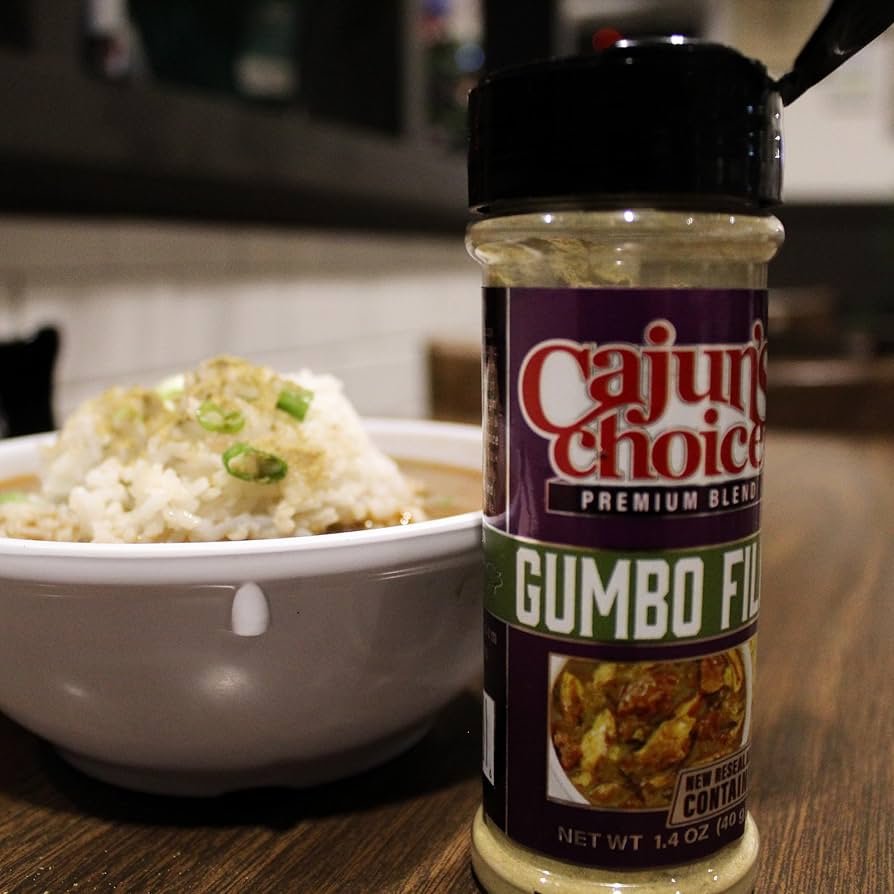
Are you ready to take your gumbo to the next level? The secret lies in the spicy herb seasoning that brings every bite alive with bold, unforgettable flavor.
Imagine the perfect balance of heat and fresh herbs dancing on your tongue, turning a simple dish into a mouthwatering experience. You’ll discover how the right blend of spices can transform your gumbo into a soulful masterpiece. Keep reading, and get ready to spice up your cooking like never before.

Credit: a-vegan-gourmet.com
Key Ingredients For Spicy Herb Seasoning
Spicy herb seasoning is the heart of a rich gumbo. It brings bold flavors and heat that excite the taste buds. The right combination of herbs and spices creates depth and aroma. These ingredients work together to enhance every bite of gumbo.
Understanding the key ingredients helps craft the perfect seasoning blend. It balances the natural earthiness of herbs with the sharpness of spices. Each element adds a unique note to the overall flavor profile.
Essential Herbs To Use
- Bay Leaves:Add a subtle, slightly floral aroma.
- Thyme:Offers a fresh, earthy flavor.
- Parsley:Brings a mild, grassy note.
- Oregano:Adds warmth and a slight bitterness.
These herbs build the base for the seasoning. They blend well with heat and spices without overpowering.
Choosing The Right Spices
- Cayenne Pepper:Provides a clean, sharp heat.
- Paprika:Adds smokiness and a vibrant red color.
- Black Pepper:Gives a warm, pungent kick.
- Garlic Powder:Enhances savory depth.
Spices give gumbo its fiery character. Select fresh spices for the best taste and aroma.
Balancing Heat And Flavor
Heat should excite, not overwhelm. Start with small amounts of cayenne or black pepper. Adjust gradually to suit your taste. Combine spicy and mild herbs to create harmony.
Too much heat can hide the herbs’ delicate flavors. Balance creates a rich and inviting gumbo seasoning. This harmony keeps every spoonful enjoyable and flavorful.
Credit: heygrillhey.com
Preparing The Seasoning Blend
Preparing the seasoning blend is key to a flavorful gumbo. It sets the base for the dish’s bold and spicy taste. The right blend brings warmth and depth to every spoonful. A good seasoning mix balances heat with herbaceous notes. Careful preparation ensures the spices release their full aroma.
Fresh Vs. Dried Herbs
Fresh herbs offer bright, vibrant flavors. They give gumbo a lively and fresh aroma. Dried herbs have a concentrated, intense taste. They last longer and are easy to store. Many cooks use a mix of both for balance. Fresh herbs work best near the end of cooking. Dried herbs blend well during simmering for deeper flavor.
Grinding And Mixing Techniques
Grind spices just before use for stronger flavor. Use a mortar and pestle or spice grinder. Avoid over-grinding; it can make spices bitter. Mix herbs and spices evenly for uniform taste. Combine powders gently to keep the blend light. Layer flavors by adding herbs at different stages.
Storage Tips For Freshness
Store dried herbs in airtight containers away from light. Keep them in a cool, dark place to preserve flavor. Fresh herbs last longer when wrapped in damp paper towels. Place fresh herbs in the fridge inside a sealed bag. Avoid moisture buildup to prevent mold and decay. Label containers with dates to track freshness.
Incorporating Seasoning Into Gumbo
Spicy herb seasoning brings bold flavor to gumbo, blending heat and fresh herbs perfectly. It enhances the dish’s rich, savory taste with a lively kick. Mixing spices early helps the flavors meld well throughout the cooking process.
Incorporating the right seasoning into gumbo can transform this hearty dish into a culinary masterpiece. The balance of spices is crucial to bring out the rich flavors of this Southern classic. Whether you’re new to gumbo or a seasoned chef, knowing when and how to add spices can make all the difference.When To Add Spices
Timing is everything with spices in gumbo. Adding them too early can lead to a loss of flavor, while adding them too late might not allow the spices to meld with the other ingredients. For a well-rounded taste, sprinkle the spices during the sautéing of onions, bell peppers, and celery—often referred to as the ‘holy trinity’ in Cajun cooking. This allows the spices to infuse deeply, setting a flavorful base for your gumbo.Layering Flavors In The Cooking Process
Layering flavors is an art that adds depth to your gumbo. Start with a generous pinch of your spicy herb seasoning during the initial sauté. As you add liquids and proteins, enhance the dish with another layer of seasoning. This technique builds complexity, creating a symphony of flavors that evolve with each bite. Have you ever noticed how some gumbos taste better the next day? That’s the magic of well-layered flavors.Adjusting Seasoning For Different Proteins
Different proteins require different seasoning adjustments to bring out their best flavors. Chicken might pair well with a slightly milder spice mix, while seafood like shrimp or crab can handle a bolder, more robust seasoning. Always taste as you go, ensuring your spices complement the chosen protein without overpowering it. Have you ever tried a gumbo where the seasoning seemed just right for the seafood but too strong for the chicken? Adjusting your spices can help avoid this common pitfall. By focusing on these aspects of seasoning, you can elevate your gumbo from good to unforgettable. How will you spice up your next pot?Enhancing Gumbo With Bold Flavors
Spicy herb seasoning transforms gumbo into a dish bursting with bold flavors. The right blend of herbs and spices creates depth and richness. It makes each bite lively and satisfying. Careful seasoning balances heat with savory notes. This approach highlights gumbo’s traditional ingredients without masking them.
Using Aromatics To Complement Herbs
Aromatics like onions, garlic, and bell peppers build a strong flavor base. They bring natural sweetness and earthiness. These elements lift the herbal notes in the seasoning. Slow cooking helps the aromatics soften and blend well. This mix enhances the overall taste and aroma of gumbo.
Adding Heat Without Overpowering
Spicy herb seasoning adds warmth without drowning the dish. Use cayenne pepper, paprika, or crushed red pepper carefully. A small amount goes a long way. The goal is to excite the palate, not overwhelm it. Balance is key to keeping gumbo enjoyable for all.
Pairing With Traditional Gumbo Ingredients
Herbs and spices marry well with classic gumbo ingredients. Chicken, sausage, shrimp, and okra absorb flavors easily. Bay leaves, thyme, and parsley blend perfectly with spicy seasoning. Together, they create a complex, harmonious dish. Each ingredient shines while supporting the bold seasoning.
Tips For Customizing Your Seasoning
Customizing your spicy herb seasoning for gumbo lets you create a unique flavor. It suits your taste and dietary needs perfectly. Small changes make big differences in the final dish. Experiment with herbs, spices, and heat levels until you find your favorite blend.
Adapting For Dietary Preferences
Adjust seasoning to fit diets like low-sodium or gluten-free. Use herbs and spices without added salt or gluten fillers. For less heat, reduce cayenne or chili powder. For vegan gumbo, avoid seasoning blends with animal products. Fresh herbs like thyme and parsley add flavor without extra calories or allergens.
Experimenting With Regional Variations
Regional flavors bring distinct tastes to gumbo seasoning. Add smoked paprika for a smoky twist from Texas. Use Creole seasoning for a spicier Louisiana style. Try herbs like oregano or basil for a Southern touch. Blend in ground mustard or celery seed for extra depth. Each region offers a fresh way to enjoy this classic dish.
Scaling The Recipe For Crowd Sizes
Adjust seasoning amounts based on your pot size. For large gatherings, multiply spices carefully to keep balance. Use this guide for scaling:
| Servings | Salt (tsp) | Cayenne (tsp) | Thyme (tbsp) |
|---|---|---|---|
| 4 | 1 | 0.5 | 1 |
| 8 | 2 | 1 | 2 |
| 12 | 3 | 1.5 | 3 |
Always taste as you cook. Adjust spices to keep the gumbo flavorful and balanced.
Credit: savorthebest.com
Frequently Asked Questions
What Herbs Are Best For Spicy Gumbo Seasoning?
Traditional spicy gumbo seasoning uses thyme, oregano, and bay leaves. These herbs add depth and a unique aroma to gumbo. Fresh or dried herbs both work well depending on availability. They complement the heat from cayenne or paprika perfectly.
How Do I Balance Spice And Herbs In Gumbo?
Start with mild herbs like parsley and thyme, then add cayenne gradually. Taste frequently to avoid overpowering flavors. Balance spicy heat with earthy herb notes to create a harmonious gumbo seasoning. Adjust herbs and spices based on personal preference.
Can I Use Store-bought Spicy Herb Seasoning For Gumbo?
Yes, store-bought blends save time but check ingredients carefully. Look for blends with traditional Cajun herbs and moderate spice levels. Homemade seasoning offers more control, but quality blends can enhance gumbo flavor quickly and easily.
How Much Spicy Herb Seasoning Should I Add To Gumbo?
Typically, use 1 to 2 tablespoons of seasoning per quart of gumbo. Adjust according to your spice tolerance and gumbo quantity. Start with less, then add more to avoid overpowering the dish.
Conclusion
Spicy herb seasoning adds bold flavor to gumbo. It brings warmth and depth to every bite. Simple herbs can transform a basic dish. Experiment with different spices to find your taste. A little heat makes gumbo exciting and rich. Enjoy the blend of herbs and spices in your cooking.
This seasoning keeps gumbo lively and delicious. Try it today and feel the difference.

Hi, I’m Daniel Brooks—a food lover and kitchen gear enthusiast. I enjoy testing cookware, utensils, and gadgets to see what really works in everyday cooking. At PlugChef.com, I share honest reviews, comparisons, and simple guides to help you choose the best tools for a safer, smarter, and more enjoyable kitchen.
Related posts:
 What Type of Cooking Utensils are Safe: Expert Picks
 What Innovations Could Blenders Make: Unleashing Future Tech
 Smart Strategies to Organize a Small Kitchen: Maximize Space
 How to Organize a Kitchen Cabinet: Expert Tips & Tricks
 How to Organize Kitchen Drawers: Expert Tips and Tricks
 How to Organize a Corner Kitchen Cupboard: Expert Tips

