
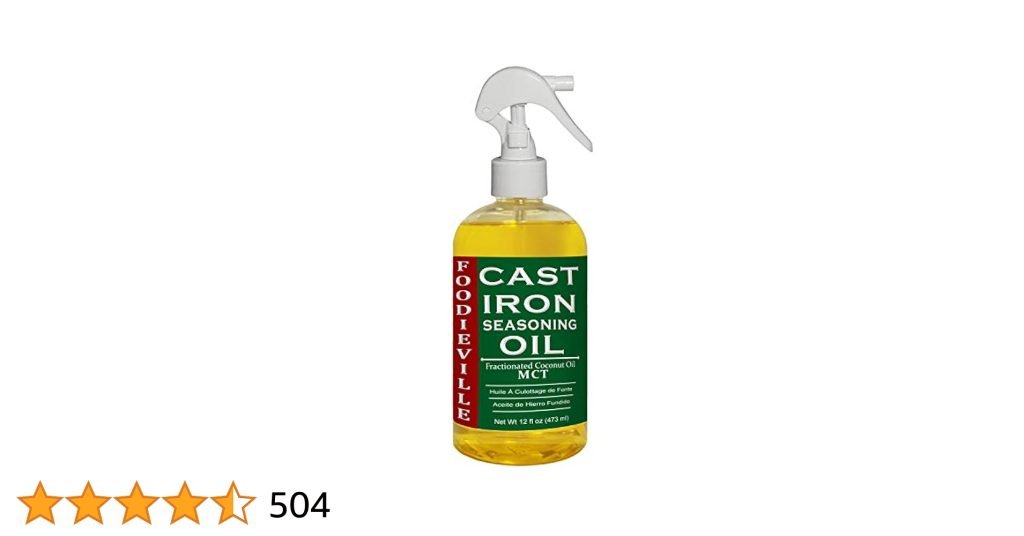
If you love cooking with cast iron, you know how important it is to keep your skillet perfectly seasoned. But have you ever wondered if there’s a better way to do it?
Flaxseed oil seasoning cast iron might be the secret weapon your kitchen has been missing. This simple, natural oil can create a stronger, longer-lasting non-stick surface that improves with every use. You’ll discover why flaxseed oil stands out from other oils and how it can transform your cast iron cookware into your favorite cooking companion.
Ready to take your seasoning game to the next level? Keep reading—you won’t want to miss these tips.
Why Choose Flaxseed Oil
Choosing the right oil to season your cast iron pan can change how well it performs and lasts. Flaxseed oil stands out as a favorite for many because of its unique properties. Understanding why it’s a top pick helps you get the most from your cast iron.
Natural Polymerization Benefits
Flaxseed oil is rich in omega-3 fatty acids, which help it polymerize naturally when heated. This means it forms a strong, hard layer on your cast iron, creating a durable non-stick surface. I noticed my pan’s seasoning became smoother and more resilient after using flaxseed oil compared to other oils.
This natural polymerization reduces the chance of flaking or peeling. It creates a seasoning that improves with each use, making your pan easier to clean and more resistant to rust over time.
High Smoke Point Advantage
While flaxseed oil’s smoke point isn’t the highest among cooking oils, it’s ideal for seasoning because of how it reacts with heat. It smokes at about 225°F (107°C), which is perfect for the slow baking process used in seasoning cast iron. This controlled smoking encourages better bonding of the oil to the pan’s surface.
If you want a seasoning that builds up smoothly without burning or leaving sticky residue, flaxseed oil’s smoke point works in your favor. It’s less about cooking temperature and more about creating that perfect seasoning layer.
Comparing Oils For Seasoning
| Oil Type | Smoke Point | Seasoning Quality | Durability |
|---|---|---|---|
| Flaxseed Oil | ~225°F (107°C) | Forms a hard, durable layer | High |
| Vegetable Oil | 400-450°F (204-232°C) | Good, but can be sticky if over-applied | Medium |
| Canola Oil | 400°F (204°C) | Decent, but less durable than flaxseed | Medium |
| Olive Oil | 375°F (191°C) | Tends to get sticky and less durable | Low |
Look at how flaxseed oil compares to common alternatives. It may have a lower smoke point, but its ability to create a tough, long-lasting seasoning layer often beats oils with higher smoke points. What matters more: a quick seasoning or one that lasts and improves with time?
Preparing Your Cast Iron
Preparing your cast iron is the first step to a perfect seasoning with flaxseed oil. A clean, dry, and inspected surface ensures the oil bonds well. Take time to ready your pan for the best results.
Cleaning Old Residue
Remove all leftover food and rust from your cast iron. Use warm water and a stiff brush for scrubbing. Avoid soap, as it can strip away previous seasoning layers. For tough spots, coarse salt works as a natural scrub. Rinse thoroughly to clear away dirt and salt.
Drying Techniques
Dry your cast iron immediately after washing to stop rust. Use a clean towel to wipe it completely dry. Heat the pan on low stove heat for a few minutes. This extra step removes any hidden moisture from cracks and pores.
Surface Inspection Tips
Check your pan’s surface under good light. Look for any rust, sticky spots, or uneven patches. Smooth areas help the oil spread evenly. Use fine steel wool to fix small rough patches if needed. A clean, smooth surface is ready for flaxseed oil seasoning.
Applying Flaxseed Oil
Flaxseed oil creates a strong, natural coating on cast iron pans. Apply a thin layer, then heat to build a smooth, non-stick surface. This helps protect the pan and improves cooking performance.
Applying flaxseed oil to your cast iron skillet can transform it into a non-stick powerhouse. This process not only enhances the durability of your cookware but also improves its cooking performance. Let’s dive into the practical steps to ensure your skillet is perfectly seasoned, ready for your next culinary adventure.Choosing The Right Amount
Determining the right amount of flaxseed oil is crucial for effective seasoning. A little goes a long way; use about a teaspoon of oil for a standard-sized skillet. Using too much oil might seem beneficial, but it actually leads to uneven seasoning and sticky residues.Even Coating Methods
Achieving an even coating ensures the oil bonds properly with the cast iron. After applying the oil, use a paper towel or a lint-free cloth to spread it across the entire surface, including the handle and sides. Make sure to wipe away any excess oil, leaving just a thin layer.Avoiding Sticky Layers
Avoiding sticky layers is all about balance and patience. After applying the oil, place the skillet upside down in a preheated oven at 450°F (232°C) for about an hour. This high heat allows the oil to polymerize, creating a hard, non-stick surface. Let the skillet cool in the oven to complete the seasoning process. Have you ever found your skillet sticky after seasoning? It’s often due to too much oil. Keep it light and thin for the best results.
Credit: www.amazon.com
Baking Process For Seasoning
The baking process is essential for seasoning cast iron with flaxseed oil. It creates a durable, non-stick surface that improves with use. Baking allows the oil to polymerize and bond tightly to the cast iron. This process protects the pan from rust and enhances cooking performance.
Proper temperature, time, and cooling are critical to achieve the best seasoning results. Follow the steps carefully for a smooth, long-lasting finish on your cast iron cookware.
Optimal Oven Temperature
Set the oven temperature between 450°F and 500°F (230°C to 260°C). This heat range helps flaxseed oil to polymerize effectively. Avoid temperatures below 400°F, as the oil won’t bond well. Temperatures above 500°F can cause smoke and damage the seasoning layer.
Recommended Baking Duration
Bake the cast iron for one hour at the set temperature. This duration allows the oil to fully harden and create a strong coating. After baking, turn off the oven but keep the pan inside to cool slowly. Repeat this process two to three times for best results.
Cooling Down Safely
Leave the cast iron to cool inside the oven after baking. This prevents sudden temperature changes that could crack the pan. Avoid touching the hot pan until it reaches room temperature. Proper cooling helps the seasoning layer cure and adhere firmly.
Building Multiple Layers
Building multiple layers of flaxseed oil seasoning on your cast iron pan creates a strong, durable coating. Each layer adds protection against rust and improves the pan’s non-stick quality. Patience is key; thin, even layers work best. Over time, these layers form a smooth, black finish that enhances cooking performance.
Repeating The Seasoning Cycle
Apply a thin coat of flaxseed oil evenly across the entire pan. Use a cloth or paper towel to wipe off excess oil. Bake the pan upside down in the oven at 450°F (232°C) for one hour. Allow it to cool completely in the oven. Repeat this process 3 to 5 times for the best results. Each cycle builds a stronger seasoning layer.
Signs Of Proper Layering
- Surface looks smooth and shiny, not sticky.
- Pan develops a dark, almost black color.
- Food releases easily without sticking.
- Oil no longer pools or beads on the surface.
- Seasoning feels hard, not soft or flaky.
Troubleshooting Common Issues
Sticky or gummy seasoning often means too much oil was applied. Always wipe off excess oil before baking. Flaking or peeling can result from uneven heating or rapid cooling. Avoid drastic temperature changes after seasoning. Rust spots mean seasoning is too thin or uneven. Clean the pan gently and reapply thin layers of oil. Patience ensures a lasting, smooth finish.
Maintaining Seasoned Cast Iron
Maintaining seasoned cast iron ensures it stays non-stick and lasts for years. Proper care keeps the flaxseed oil seasoning strong and effective. It protects the pan from rust and food sticking. Simple daily habits help preserve the cast iron’s surface.
Cleaning Without Stripping Oil
Clean your cast iron gently to keep the seasoning intact. Avoid harsh soaps and scrubbing pads. Use warm water and a soft brush or sponge. For stuck-on food, soak the pan briefly in hot water. Dry it completely after washing to prevent rust.
Avoiding Rust Formation
Rust appears when moisture stays on the cast iron. Always dry your pan thoroughly after cleaning. Heat the pan on low for a few minutes to evaporate water. Apply a thin layer of flaxseed oil to the surface. Store the pan in a dry place, away from moisture.
Regular Touch-up Tips
Keep your cast iron smooth with regular seasoning touch-ups. After each use, wipe the pan with a small amount of flaxseed oil. Heat the pan briefly to help the oil absorb. Repeat this process as needed to build layers of protection. This habit restores shine and durability.
Benefits Of Well-seasoned Cast Iron
A well-seasoned cast iron skillet is a valuable tool in any kitchen. Seasoning creates a natural layer of protection that improves cooking and care. This layer forms from oils baked onto the pan’s surface, making it better with use. Flaxseed oil is often used for seasoning because it creates a strong, durable coating. The benefits of a well-seasoned cast iron go beyond just looks.
Non-stick Cooking Surface
A good seasoning prevents food from sticking to the pan. This makes cooking easier and cleanup faster. Foods like eggs and pancakes slide right off without tearing. The non-stick surface also means less oil is needed for cooking. It helps create healthier meals with less fat.
Enhanced Durability
Seasoning protects cast iron from rust and damage. The oil layer blocks moisture, which causes rust. It also fills in tiny pores and cracks in the metal. This strengthens the pan and extends its life. A well-seasoned skillet can last for generations with proper care.
Improved Flavor Development
Seasoned cast iron enhances the taste of food. The oil coating absorbs flavors over time. It adds a subtle, unique taste to dishes cooked in the pan. This builds a rich flavor profile that improves with each use. Many chefs prefer cast iron for this reason alone.
Credit: www.carawayhome.com
Credit: www.carawayhome.com
Frequently Asked Questions
What Makes Flaxseed Oil Ideal For Cast Iron Seasoning?
Flaxseed oil is ideal due to its high omega-3 content and low smoke point. It polymerizes well, creating a durable, non-stick coating. This oil forms a hard, smooth layer that protects cast iron from rust and enhances cooking performance.
How Do I Apply Flaxseed Oil On Cast Iron?
Apply a thin layer of flaxseed oil using a cloth or paper towel. Rub it evenly over the cast iron surface. Bake the pan upside down at 450°F for one hour. Allow it to cool before repeating for a strong seasoning layer.
How Often Should I Season Cast Iron With Flaxseed Oil?
Seasoning cast iron with flaxseed oil is recommended every 3-6 months. However, frequency depends on usage and cleaning habits. Regular seasoning maintains the pan’s non-stick surface and prevents rust. Spot-season as needed for best results.
Can Flaxseed Oil Seasoning Improve Cast Iron Durability?
Yes, flaxseed oil seasoning improves durability by creating a tough, protective layer. It resists chipping and rust better than many other oils. This seasoning enhances the pan’s lifespan and cooking surface quality with proper care.
Conclusion
Flaxseed oil works well for seasoning cast iron pans. It creates a strong, smooth coating that protects the pan. The oil dries hard and helps food not stick. Seasoning your pan often keeps it in good shape. Clean the pan gently and apply flaxseed oil thinly.
With care, your cast iron will last many years. Enjoy cooking with a well-seasoned, easy-to-use pan every day. Simple steps make a big difference in your kitchen.

Hi, I’m Daniel Brooks—a food lover and kitchen gear enthusiast. I enjoy testing cookware, utensils, and gadgets to see what really works in everyday cooking. At PlugChef.com, I share honest reviews, comparisons, and simple guides to help you choose the best tools for a safer, smarter, and more enjoyable kitchen.
Related posts:
 What Type of Cooking Utensils are Safe: Expert Picks
 What Innovations Could Blenders Make: Unleashing Future Tech
 Smart Strategies to Organize a Small Kitchen: Maximize Space
 How to Organize a Kitchen Cabinet: Expert Tips & Tricks
 How to Organize Kitchen Drawers: Expert Tips and Tricks
 How to Organize a Corner Kitchen Cupboard: Expert Tips

