
Have you ever wished you could have fresh parsley right at your fingertips, no matter the season? Growing parsley indoors might be easier than you think.
Imagine plucking vibrant green leaves from a pot on your windowsill whenever you need them. But is it really possible to grow parsley inside your home? Keep reading, and you’ll discover simple tips to turn your kitchen into a mini herb garden, saving you trips to the store and adding fresh flavor to your meals every day.
Choosing Parsley Varieties
Choosing the right parsley variety is key for indoor gardening success. Different types offer unique flavors and growing habits. Some varieties adapt better to indoor light and space. Selecting a suitable variety helps ensure fresh parsley year-round. Consider the plant’s leaf shape, taste, and growth needs before planting.
Curly Vs Flat-leaf Parsley
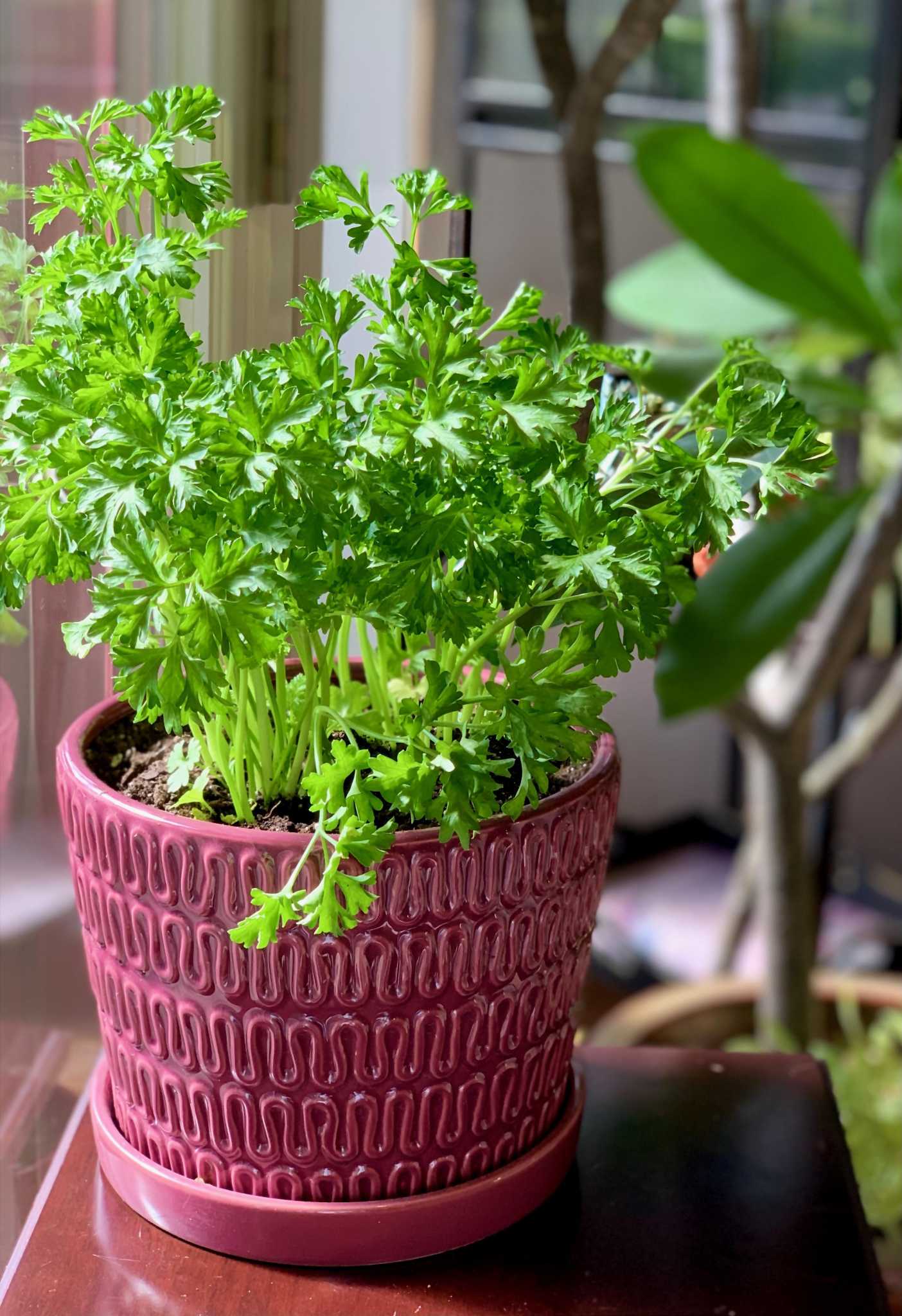
Curly parsley has ruffled leaves and a mild flavor. It looks decorative and adds texture to dishes. Flat-leaf parsley, also called Italian parsley, has smooth leaves. It has a stronger, more robust taste preferred by many cooks. Flat-leaf parsley grows faster and tends to be hardier indoors. Curly parsley often requires more light and care. Both types can grow indoors but flat-leaf is easier for beginners.
Best Types For Indoor Growth
- Italian Flat-Leaf Parsley:Thrives in pots with moderate light. Grows quickly and has rich flavor.
- Hamburg Parsley:Grown for its edible root and leaves. Adapts well to indoor containers.
- Giant of Italy:A flat-leaf variety with large leaves. Good for small indoor gardens.
- Curly Parsley:Decorative but needs more light and humidity indoors.
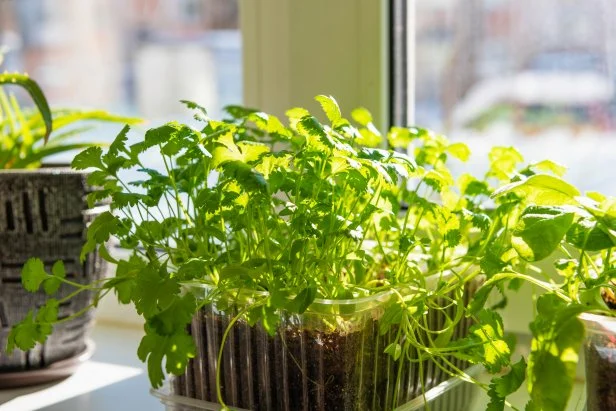
Choose varieties that fit your indoor space and light conditions. Use small pots with drainage for best results. Regular trimming encourages fresh, bushy growth. Parsley is a versatile herb that adds fresh flavor to many meals.
Credit: www.hgtv.com
Ideal Indoor Conditions
Creating the perfect indoor environment for parsley is key to growing vibrant, healthy plants right in your home. Parsley thrives when its basic needs for light, temperature, humidity, and soil are met consistently. Understanding these ideal indoor conditions will help you avoid common pitfalls and enjoy a fresh supply of parsley all year round.
Light Requirements
Parsley needs plenty of light to grow well indoors. Place your plant near a south or west-facing window where it can get at least 6 hours of direct sunlight daily.
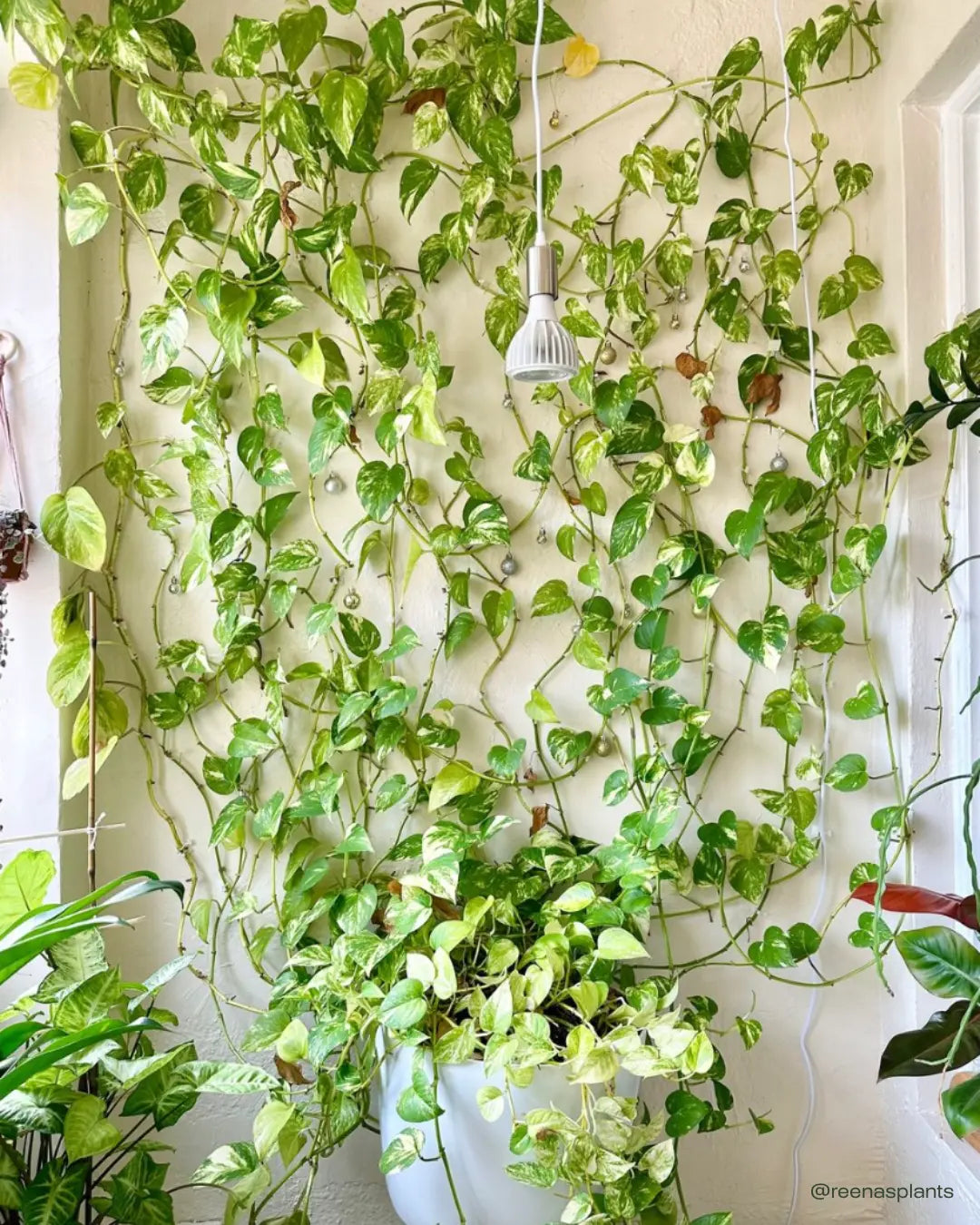
If natural light is limited, consider using a grow light for 10-12 hours a day. This ensures your parsley stays lush and doesn’t become leggy or weak.
Have you checked how much natural light your kitchen or living room gets? A simple light meter app can help you decide the best spot.
Temperature And Humidity
Parsley prefers moderate indoor temperatures between 65°F and 75°F (18°C to 24°C). Avoid placing your plant near drafts or heating vents that cause temperature swings.
Humidity levels around 40-60% are ideal. If your home is dry, especially in winter, placing a humidifier nearby or misting the leaves can make a big difference.
Think about your room’s climate – does it feel dry or comfortable? Adjusting humidity can improve growth and prevent leaf curling or browning.
Soil And Containers
Use a well-draining potting mix rich in organic matter to keep parsley roots healthy. A mix designed for herbs or vegetables works great.
Choose containers with drainage holes to prevent waterlogging, which can cause root rot. A pot around 6-8 inches deep allows enough room for root expansion.
Have you ever noticed your parsley wilting despite regular watering? The problem might be poor drainage or compacted soil. Repotting with fresh soil can revive your plant quickly.
Planting Parsley Indoors
Parsley grows well indoors with enough light and proper care. Place the pot near a bright window and water regularly. Fresh parsley is easy to harvest and adds flavor to many dishes.
Growing parsley indoors is a fantastic way to enjoy fresh herbs year-round. It’s not only convenient but also adds a touch of greenery to your home. Whether you’re a gardening newbie or a seasoned pro, planting parsley indoors can be a rewarding experience.Starting From Seeds
Planting parsley from seeds can be a gratifying process. Begin by soaking the seeds in warm water overnight to help speed up germination. Use a small pot with good drainage and fill it with a light potting mix. Sprinkle the seeds on the surface and cover them lightly with soil. Keep the soil moist but not soggy, and place the pot in a sunny spot. In about two to four weeks, you’ll start to see tiny sprouts emerging.Using Seedlings
If patience isn’t your strong suit, consider starting with seedlings. This method gives you a head start and is perfect if you want quicker results. Purchase healthy parsley seedlings from your local nursery. Carefully transplant the seedlings into a pot that fits your indoor space. Ensure the pot has adequate drainage to prevent root rot. Place the pot in an area that receives plenty of sunlight, such as a windowsill.Proper Planting Techniques
Proper planting techniques are crucial for the success of your indoor parsley garden. Ensure that your container is at least six inches deep to accommodate the parsley’s root system. Use a quality potting mix that retains moisture yet allows for proper drainage. Water the parsley regularly, but be careful not to overwater. A good rule of thumb is to water when the top inch of soil feels dry. Rotate the pot occasionally to ensure even growth, as parsley tends to lean toward the light source. By giving your parsley the right conditions, you can enjoy a lush, green plant that enhances both your cooking and your living space. Have you ever tried growing parsley indoors? What challenges did you face, and how did you overcome them? Share your experiences!Watering And Feeding
Watering and feeding parsley indoors require a careful balance to keep your herb healthy and flavorful. Too little water can stress the plant, while too much can drown its roots. Similarly, the right nutrients help parsley grow lush and vibrant, but overfeeding can cause more harm than good.
Watering Frequency
Parsley prefers consistently moist soil but not soggy. Check the top inch of soil daily—if it feels dry, it’s time to water. In my experience, watering every 2 to 3 days works well, but this depends on your indoor temperature and humidity.
Do you notice your parsley wilting or yellowing? It might be thirsty or overwatered. Adjust your watering schedule accordingly and watch how your plant responds.
Fertilizer Choices
Choose a balanced, water-soluble fertilizer with equal parts nitrogen, phosphorus, and potassium (like 10-10-10). Dilute it to half the recommended strength to avoid overwhelming your parsley.
Feed your parsley every 4 to 6 weeks during the growing season. Organic options like fish emulsion or compost tea also work well and improve soil health over time.
Have you tried mixing organic and synthetic fertilizers to see which your parsley prefers? Sometimes, subtle changes make a big difference.
Avoiding Overwatering
Overwatering is a common mistake that can cause root rot and yellow leaves. Ensure your pot has good drainage holes and use well-draining soil to keep excess water away from the roots.
After watering, let the soil dry out slightly before watering again. If you see mold or a musty smell, you’re probably watering too often.
How often do you check your pot’s drainage? Improving airflow around your plant can also help prevent water-related issues.
Maintaining Healthy Growth
Maintaining healthy growth for indoor parsley requires consistent care and attention. Parsley thrives when you balance light, water, and air circulation. Without proper maintenance, your herb can quickly become leggy, dull, or vulnerable to pests.
Pruning And Harvesting
Regular pruning keeps parsley bushy and encourages new growth. Snip the outer leaves first, close to the base, so the inner stems continue to grow. Avoid cutting more than a third of the plant at once—too much pruning stresses it.
Harvest leaves in the morning when oils are strongest for better flavor. You can pinch off a few leaves daily instead of chopping large bunches at once. This steady harvesting habit helps the plant stay productive longer.
Preventing Pests And Diseases
Indoor parsley can attract pests like aphids, spider mites, and whiteflies. Check your plant regularly, especially under leaves, for tiny bugs or sticky residue. Wiping leaves with a damp cloth or spraying mild soapy water can control infestations early.
Good airflow and avoiding overwatering reduce the risk of fungal diseases. If you notice yellowing leaves or black spots, isolate the plant to prevent spread. Do you know which natural remedies work best in your home?
Troubleshooting Common Issues
Yellow leaves often signal either too much water or insufficient light. Try adjusting the watering schedule and moving the pot closer to a bright window. Parsley needs about 6 hours of sunlight; supplement with a grow light if natural light is limited.
Leggy growth means your parsley is reaching for light. Prune these long stems back and consider rotating the pot regularly. If your parsley isn’t growing at all, check the soil quality—fresh, well-draining soil can make a big difference.
Credit: soltech.com
Creative Indoor Parsley Uses
Growing parsley indoors opens up a world of creative uses beyond just having fresh herbs at your fingertips. It’s not only about cooking; parsley can brighten up your space and even benefit other plants around it. Let’s dive into some ideas that make indoor parsley a versatile addition to your home.
Culinary Ideas
Fresh parsley can instantly lift the flavor of many dishes. You can chop it finely and add it to salads, soups, or pasta for a burst of freshness. Try blending parsley with garlic and olive oil to make a simple, vibrant pesto.
Have you ever sprinkled parsley on your scrambled eggs or roasted vegetables? It adds color and a mild peppery taste that works well with almost any meal. Keep a small jar of chopped parsley in your fridge to toss into sandwiches or smoothies for an unexpected twist.
Decorative Displays
Parsley’s bright green leaves make it an excellent plant for indoor decor. Place your parsley pot on a sunny windowsill to brighten up the space naturally. You can also use small pots of parsley as a centerpiece during meals, combining utility with aesthetics.
Try mixing parsley with other small potted herbs to create a mini indoor garden. This not only looks great but keeps fresh herbs within easy reach. Have you noticed how a simple herb arrangement can change the feel of a kitchen or dining area?
Companion Planting Indoors
Parsley isn’t just good on its own; it can help other plants thrive indoors. It attracts beneficial insects like ladybugs that keep pests away from your other houseplants. Consider placing parsley near tomatoes or peppers to create a supportive growing environment.
Also, parsley helps improve soil health and can boost the growth of nearby plants. Have you tried grouping your herbs together? You might find that parsley encourages stronger growth and healthier plants all around your home garden.
Credit: www.statesman.com
Frequently Asked Questions
Can Parsley Grow Well Indoors Without Sunlight?
Yes, parsley can grow indoors with indirect sunlight or artificial light. It needs about 6 hours of light daily to thrive. Place it near a bright window or use grow lights for best results.
What Soil Type Is Best For Indoor Parsley?
Parsley grows best in well-draining, nutrient-rich soil. A mix of potting soil and compost works well. Ensure the soil stays moist but not waterlogged for healthy growth.
How Often Should I Water Indoor Parsley?
Water indoor parsley when the top inch of soil feels dry. Usually, this means watering 2-3 times a week. Avoid overwatering to prevent root rot and keep the soil consistently moist.
Can Indoor Parsley Survive In Low Humidity?
Parsley prefers moderate humidity but can tolerate low humidity indoors. To boost moisture, mist the leaves occasionally or place a water tray nearby. This helps maintain healthy foliage.
Conclusion
Growing parsley indoors is simple and rewarding. It needs sunlight, water, and good soil. You can enjoy fresh parsley year-round in your kitchen. Small pots fit well on windowsills or shelves. Watching plants grow brings joy and fresh herbs for cooking.
Give parsley a chance indoors; it brightens your space and meals. Easy care means anyone can try it. Start today and enjoy fresh parsley every day.

Hi, I’m Daniel Brooks—a food lover and kitchen gear enthusiast. I enjoy testing cookware, utensils, and gadgets to see what really works in everyday cooking. At PlugChef.com, I share honest reviews, comparisons, and simple guides to help you choose the best tools for a safer, smarter, and more enjoyable kitchen.
Related posts:
 What Type of Cooking Utensils are Safe: Expert Picks
 What Innovations Could Blenders Make: Unleashing Future Tech
 Smart Strategies to Organize a Small Kitchen: Maximize Space
 How to Organize a Kitchen Cabinet: Expert Tips & Tricks
 How to Organize Kitchen Drawers: Expert Tips and Tricks
 How to Organize a Corner Kitchen Cupboard: Expert Tips

