
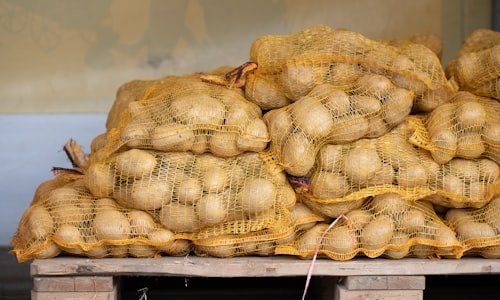
Few kitchen frustrations are as universal as pulling a bag of shriveled, sprouted potatoes from the pantry just days after buying them. Not only does this waste money and contribute to unnecessary food waste, but it also throws off meal planning and last-minute cooking plans. With the right long-term storage techniques, you can keep fresh, firm potatoes on hand for 3 to 12 months, depending on the variety, without sacrificing flavor or texture. This ultimate guide walks you through every step, from selecting the best tubers at the store to troubleshooting common storage issues, so you never have to deal with a rotten potato batch again.
Selecting the Best Potatoes for Long-Term Storage
Choosing the right potatoes is the foundation of successful long-term storage, as variety, quality, and initial condition directly impact how long your tubers will stay fresh.
Top Storage-Friendly Potato Varieties
Not all potatoes are built to last for months. Varieties with thick skins, dense flesh, and low water content resist sprouting and rot far better than waxy, high-moisture types. The best options for long-term storage include:
- Russet potatoes: Rough, thick skin and high starch content make them extremely durable, with a typical storage life of 4 to 6 months.
- Kennebec: Firm flesh and natural resistance to shriveling give them a 5 to 7 month shelf life, making them one of the longest-lasting storage varieties.
- Red Pontiac: Thick skins hold up well in storage, though they prefer slightly higher humidity, and will last 3 to 5 months.
- Yukon Gold: Medium-density flesh and thin but tough skins make them a reliable mid-term storage option, lasting 3 to 4 months.
Waxy varieties like new potatoes or red bliss potatoes have higher water content, so they only last 2 to 3 months even in ideal conditions, and are better suited for short-term use.
How to Pick Perfect Tubers at the Store
Freshness at purchase makes or breaks long-term storage success. When shopping for potatoes, look for tubers that are firm and heavy for their size, a sign they are full of moisture and not drying out. Dry soil clinging to the skin is a good indicator the potatoes have not been sitting in excess moisture, which can cause early rot. Avoid any potatoes with green skin, soft spots, wrinkles, or cuts, and skip bulk bin potatoes, which are more likely to be bruised from handling. For the best results, buy from local farmer’s markets, where potatoes are often harvested more recently and handled more carefully than supermarket bulk stock.
Why Damaged Potatoes Spoil Faster
Even minor damage can ruin an entire storage batch. Small bruises or nicks break the skin’s protective barrier, allowing bacteria and fungi to enter the tuber. Damaged potatoes also release higher levels of ethylene, a natural ripening gas that accelerates sprouting and rot in nearby healthy tubers. Always sort out any cut, bruised, or punctured potatoes before storing, and discard any with visible mold or rot immediately – a single spoiled potato can infect an entire batch within 3 to 5 days if left untreated.
Pre-Storage Prep: Curing and Sorting for Maximum Freshness
Proper preparation before storage extends potato shelf life by months, and reduces the risk of widespread spoilage. Skipping these steps is the most common cause of early rot and shriveling.
The Curing Process Step-by-Step
Curing is a non-negotiable step for home-grown potatoes, and even store-bought tubers benefit from a short cure. This process heals minor skin damage, thickens the protective outer layer, and reduces moisture loss by up to 40%. To cure your potatoes:
- Lay tubers in a single layer in a dark, well-ventilated space (a spare room, unheated garage, or basement works well)
- Maintain a temperature of 50-60°F (10-15°C) and 85-95% humidity
- Cure for 10 to 14 days, turning the potatoes every 2 to 3 days to ensure even air circulation
- Inspect daily for soft spots or mold, and remove any affected tubers immediately
For region-specific curing guidance, refer to University of Idaho Extension’s recommendations, a leading authority on potato growing and storage best practices.
Sorting and Trimming Damaged Tubers
After curing, sort your potatoes into three clear piles to avoid cross-contamination:
- Perfect, unblemished tubers for long-term storage
- Tubers with minor bruises or small cuts for use within 2 weeks, as they will spoil faster than undamaged spuds
- Any tubers with rot, widespread mold, or deep cuts for immediate disposal or compost
Never store damaged potatoes with your long-term batch, as even minor rot will spread quickly to healthy tubers.
Common Pre-Storage Mistakes to Avoid
A few easy-to-miss errors can ruin even the best-selected potato batch:
- Washing potatoes before storage: Even trace moisture on the skin creates an ideal environment for mold growth. Brush off loose dirt with a soft vegetable brush, and leave dry soil clinging to the skin as a natural protective barrier.
- Peeling potatoes before long-term storage: The skin is the tuber’s first line of defense against moisture loss and pathogens. Peeled potatoes will only last 1-2 weeks in the refrigerator, even in ideal conditions.
- Storing potatoes in direct sunlight after purchase: Even a few hours of sun exposure can trigger solanine production and greening before you even begin your storage process.
Ideal Storage Conditions for Months of Freshness
Potatoes have very specific environmental needs to stay fresh for months, and meeting these requirements is far more important than the specific container you use.
Optimal Temperature and Humidity
The sweet spot for potato storage is 45-50°F (7-10°C). Temperatures below 40°F (4°C) cause cold damage, converting the potato’s starches to sugars, which leads to a sweet, gritty texture when cooked, and makes them more prone to rot when moved to warmer temperatures. Temperatures above 60°F (15°C) trigger sprouting, shriveling, and rot within weeks. Humidity should be kept between 85-95%: too low, and potatoes lose moisture and shrivel; too high, and condensation leads to mold growth. Use a cheap digital hygrometer to monitor conditions in your storage space – it’s a small investment that prevents major spoilage.
Light Exposure and Solanine Risk
Potatoes are grown underground, so their skin is not adapted to direct light. When exposed to light, they produce solanine, a natural bitter toxin that acts as a pest deterrent. Small amounts of solanine cause digestive upset, nausea, and headaches, while large amounts can be toxic. Green skin and a bitter taste are clear signs of solanine buildup. If you notice small green patches, cut them off deeply (at least 1/4 inch into the flesh) before cooking, but if the greening is widespread or the potato tastes bitter, discard it entirely. For full solanine safety guidance, refer to USDA food safety recommendations.
Ventilation Requirements
Potatoes are living tubers that respire, releasing moisture and ethylene gas as they age. Without proper ventilation, moisture builds up around the tubers, leading to mold, and ethylene accumulates, accelerating sprouting and rot. Always use breathable containers, and avoid stacking potatoes too tightly in storage – leave gaps between crates or bags to allow air to circulate. In root cellars, add a small vent near the ceiling to let warm, moist air escape.
Proven Long-Term Storage Methods for Every Home
The best storage method for you depends on your home’s layout, climate, and available space. All methods share the same core requirements: cool, dark, and well-ventilated conditions.
Root Cellars and Cool Basements
Unheated basements in temperate climates are ideal for potato storage, as they naturally stay within the 45-50°F (7-10°C) range year-round. Store potatoes in wooden crates lined with burlap, stacked with 2-3 inches of space between crates for airflow. Avoid plastic bins, as they trap moisture. Check potatoes monthly for signs of spoilage, and remove any affected tubers immediately. If your basement is prone to flooding, elevate crates off the floor on pallets.
 Properly stored potatoes in a ventilated root cellar environment
Image source: food52.com
Properly stored potatoes in a ventilated root cellar environment
Image source: food52.com
Cool Garage or Shed Storage
For homes without basements, an unheated garage or shed that stays below 55°F (13°C) for most of the year works well for potato storage. Use insulated storage bins with small vent holes to protect potatoes from temperature fluctuations, and place them away from exterior walls that get cold at night. Avoid storing potatoes in garages that regularly exceed 60°F (15°C), as they will sprout within weeks.
Refrigeration: When It’s Appropriate
Refrigeration is not recommended for long-term storage of whole raw potatoes, but it has specific use cases. If you lack a consistent cool storage space, you can store whole potatoes in the fridge for up to 2 weeks, though they may develop a slightly sweet taste due to starch conversion. For longer fridge storage, only store cooked or peeled potatoes, which will last 3-5 days in an airtight container. Always let refrigerated potatoes come to room temperature for 30 minutes before cooking to reduce sugar conversion.
Breathable Storage Containers and Bags
The right container makes a huge difference in storage success. Burlap sacks are the gold standard for large batches: they are fully breathable, block all light, and can be reused for years. Cotton or canvas bags work well for small household batches, while paper bags are a low-cost option for short-term storage. Wooden crates with slatted sides are ideal for root cellars, as they maximize airflow. Avoid sealed plastic bags at all costs, even perforated ones can trap excess moisture in high-humidity environments. For extra moisture control, add a 1-inch layer of dry sand or food-grade wood ash at the bottom of your storage container, which absorbs excess moisture without blocking airflow.
 Breathable bags and crates prevent moisture buildup and sprouting
Image source: www.youtube.com
Breathable bags and crates prevent moisture buildup and sprouting
Image source: www.youtube.com
Pantry Storage for Short to Medium Terms
If you don’t have access to a cool basement or garage, you can store potatoes in a dark, cool pantry for 2-4 weeks. Choose a lower cabinet away from the oven, dishwasher, or heating vents, which can raise temperatures and trigger spoilage. Store potatoes in a closed cardboard box lined with paper to block light, and check them every 3-4 days for signs of sprouting or soft spots.
Troubleshooting Common Potato Storage Problems
Even with perfect prep and storage conditions, small issues can pop up. Addressing them early prevents widespread spoilage and food waste.
Preventing and Addressing Sprouting
Sprouting is triggered by exposure to warmth or light, signaling the potato to grow new shoots. To prevent sprouting, maintain consistent cool temperatures and total darkness. If you notice small, white sprouts, snap them off immediately – the potato is still safe to eat and will not develop a bitter taste as long as the flesh is firm. If sprouts are long, the potato is shriveled, or has a bitter taste, discard it. A common home hack to slow sprouting is to place one apple in your storage container (but not touching the potatoes directly): the small amount of ethylene gas the apple releases suppresses sprouting without harming the potatoes.
Stopping Rot and Mold Before It Spreads
Rot and mold thrive in damp, poorly ventilated spaces, and often start as small, soft, wet spots on the potato skin, sometimes with a musty or earthy smell. If you spot rot, remove the affected potato immediately, and wipe down the storage container with a solution of 1 part bleach to 10 parts water to kill mold spores before returning the healthy potatoes. Never store potatoes that have been cut or bruised, as even minor damage is an entry point for bacteria and fungi.
Fixing Greening and Solanine Exposure
If you notice small green patches on a potato, cut off all green flesh and a 1/4 inch margin of the surrounding white flesh – the rest of the potato is safe to eat. If the greening is widespread, the potato has a bitter taste, or you notice large green areas, discard the entire tuber, as solanine may have spread throughout the flesh. While small amounts of solanine will not cause serious harm in healthy adults, it can cause severe digestive upset in children, pets, and people with compromised immune systems, so err on the side of caution when in doubt.
What to Do If Potatoes Get Cold Damage
If potatoes are accidentally stored below 40°F (4°C) for an extended period, they may develop cold damage, which causes dark, sweet spots when cooked. To fix this, move the potatoes to a room temperature area for 2-3 days, which allows the excess sugars to convert back to starch. While cold-damaged potatoes are still safe to eat, they will have a sweeter taste and darker color when cooked, so use them in dishes where sweetness is not an issue, like soups or stews.
Extending Shelf Life: Pro Tips for Year-Round Freshness
A few small, consistent habits can add months to your potato storage life, and reduce waste even further.
Regular Inspection Routines
Check your stored potatoes every 7 to 10 days, handling them gently to avoid bruising. Remove any tubers that show signs of sprouting, soft spots, or mold immediately, and wipe down the storage container if you notice any moisture buildup. Keep the storage area clean and dry, and avoid storing potatoes near cleaning supplies or other chemicals that could contaminate them.
 Weekly checks catch spoilage early to protect your entire potato stash
Image source: www.youtube.com
Weekly checks catch spoilage early to protect your entire potato stash
Image source: www.youtube.com
What Produce to Keep Away From Potatoes
Potatoes are highly sensitive to ethylene gas, a natural ripening hormone released by many fruits and vegetables. Keep potatoes separate from onions, garlic, apples, pears, bananas, tomatoes, and avocados, as even small amounts of ethylene will trigger sprouting and rot. If you store alliums like garlic and potatoes in the same pantry, keep them in separate sealed containers to limit gas exchange – for more tips on storing alliums, check out our guide to storing garlic long-term.
Natural Sprout Inhibitors
For home storage, avoid chemical sprout inhibitors, which are designed for commercial use and not safe for home consumption. Instead, use natural, food-safe options to slow sprouting: a light dusting of food-grade diatomaceous earth in the bottom of your storage container deters pests and absorbs excess moisture, while a single bay leaf placed on top of the potatoes can help deter weevils. Avoid using wood ash unless you are certain it is untreated and food-safe, as some ashes contain harmful chemicals.
Storing Potatoes in Warm Climates
If you live in a region where average temperatures stay above 60°F (15°C) for most of the year, long-term storage is more challenging, but still possible. Store potatoes in the coolest area of your home, such as a lower cabinet away from heat-generating appliances, or use a small wine cooler set to 50°F (10°C) for consistent temperature control. In warm climates, potatoes will typically last 1 to 2 months, rather than the 3-12 months possible in cooler regions, so buy smaller batches more frequently if you don’t have access to consistent cool storage.
Frequently Asked Questions
How long do potatoes last in long-term storage?
With proper curing and ideal storage conditions, most storage-friendly potato varieties will last 3 to 12 months. Waxy varieties like red potatoes only last 2 to 3 months, while starchy varieties like Russets can last up to a year if stored correctly.
Can I store potatoes with onions?
No, onions release high levels of ethylene gas, which triggers sprouting and rot in potatoes. Always store potatoes and onions in separate, well-ventilated areas of your kitchen.
Can I freeze potatoes for long-term storage?
Yes, but only after cooking or blanching. Raw potatoes do not freeze well, as they become watery and mushy when thawed. For best results, blanch cubed or sliced potatoes for 2-3 minutes, dry thoroughly, and freeze in an airtight container for up to 12 months.
Is it safe to eat sprouted potatoes?
Yes, as long as the sprouts are small and the potato is still firm, with no bitter taste or widespread greening. Snap off the sprouts, and cut away any green flesh before cooking. Discard potatoes that are shriveled, have long sprouts, or taste bitter.
Can I store potatoes in a paper bag?
Yes, paper bags are a great low-cost option for short to medium-term storage, as they are breathable and block light. Avoid plastic bags, which trap moisture and cause rot. For longer storage, transfer potatoes to a burlap sack or wooden crate in a cool, dark space.
Conclusion
Long-term potato storage doesn’t require specialized equipment or a dedicated root cellar – it just requires attention to a few key details: selecting the right varieties, curing and sorting tubers before storage, maintaining consistent cool, dark, and well-ventilated conditions, and checking your stash regularly for signs of spoilage. By following these steps, you can cut down on food waste, save money on groceries, and always have fresh, versatile potatoes on hand for everything from quick weeknight meals to holiday feasts. Stored potatoes work perfectly in all your favorite recipes: roast them with herbs for a simple side, mash them for a comforting dinner, or use them to make crispy air-fried latkes in minutes. They also pair beautifully with roasted meats and sides to eat with pizza for casual meals, or as part of a holiday spread alongside easy candied yams. For even more root vegetable inspiration, check out our guide to roasting root vegetables to make the most of your stored produce. With a little upfront prep, you can enjoy fresh, flavorful potatoes for months on end, no last-minute grocery runs required.

Hi, I’m Daniel Brooks—a food lover and kitchen gear enthusiast. I enjoy testing cookware, utensils, and gadgets to see what really works in everyday cooking. At PlugChef.com, I share honest reviews, comparisons, and simple guides to help you choose the best tools for a safer, smarter, and more enjoyable kitchen.
Related posts:
 How to Disinfect Cutting Board Wood: Expert Tips
 How to Take Care of Wooden Cutting Board: Expert Tips
 Is Walnut Good for Cutting Boards: Ultimate Guide
 Harbor Freight First Aid Kit: Essential Safety Gear for Emergencies
 First Aid Kit Supplies Refills: Essential Items You Must Restock
 10 Person First Aid Kit: Essential Gear for Emergencies

