
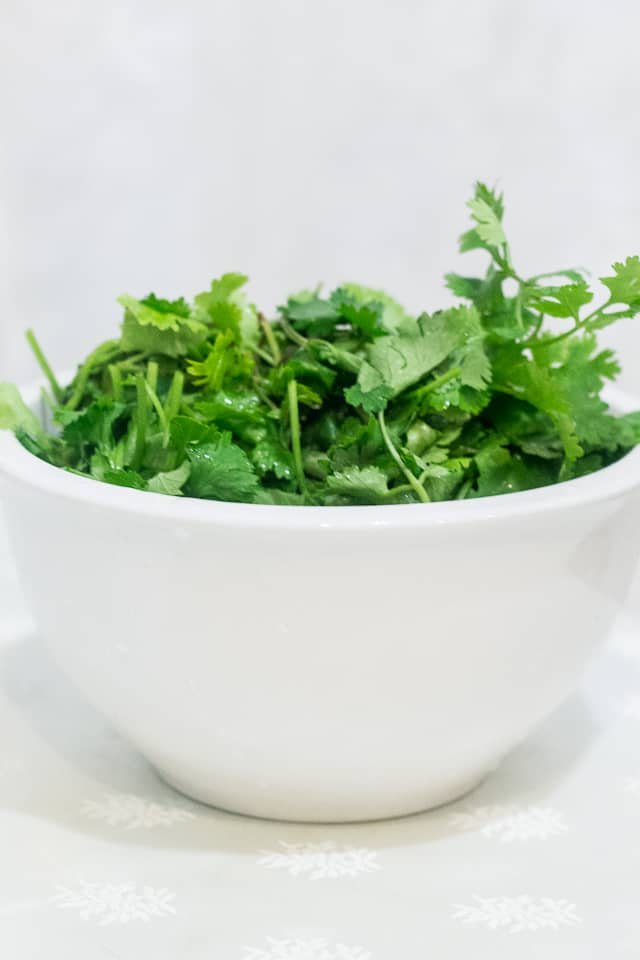
You know how fresh cilantro can instantly brighten up any dish? But keeping it fresh for more than a day or two feels like a challenge.
If you’ve ever tossed out wilted cilantro and wished there was a better way, this article is for you. You’re about to discover simple, effective tips that will help your cilantro stay vibrant and crisp longer. Imagine reaching into your fridge and always having fresh cilantro ready to enhance your meals.
Keep reading—your cooking just got a fresh upgrade.
Credit: www.statesman.com
Choosing Fresh Cilantro
Choosing fresh cilantro is the first step to keeping it flavorful and vibrant. Fresh cilantro has a bright look and a strong aroma. It lasts longer and tastes better in your dishes.
Signs Of Freshness
- Leaves should be bright green and firm.
- Avoid leaves with yellow or brown spots.
- Stems must be crisp, not slimy or soft.
- The herb should smell fresh and citrusy.
- Check for no wilting or drooping leaves.
Where To Buy
- Farmers’ markets often have the freshest cilantro.
- Look for local grocery stores with fresh produce sections.
- Organic stores may offer cilantro without pesticides.
- Some supermarkets sell cilantro in small bunches or pots.
- Choose places with high turnover for freshest herbs.
Basic Storage Methods
Preserving fresh cilantro keeps its bright flavor and crisp texture longer. Basic storage methods help maintain freshness without special tools. Using simple techniques can extend cilantro’s shelf life in your kitchen. These methods are easy and use everyday household items.
Refrigeration Techniques
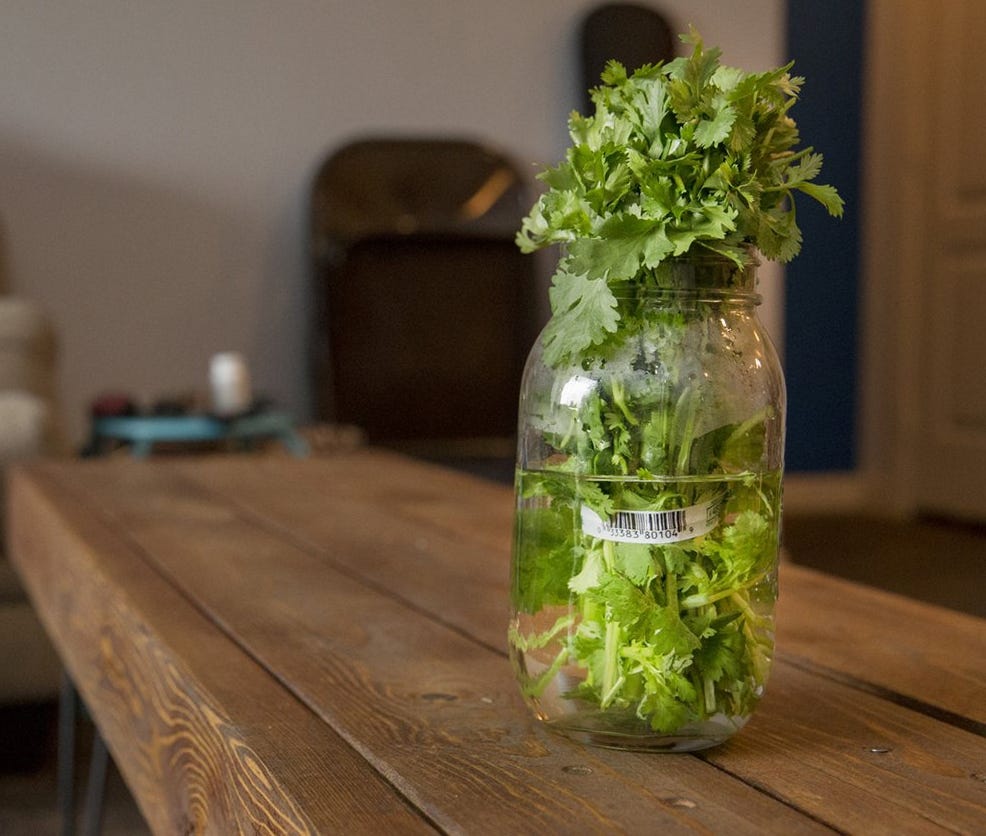
Refrigeration slows down the wilting and decay of cilantro. Start by trimming the stems slightly. Place the bunch upright in a glass or jar with an inch of water. Cover the leaves loosely with a plastic bag. Store the jar in the fridge door or on a shelf.
Check the water level every couple of days. Change the water to keep it fresh. This method keeps cilantro fresh for up to two weeks. It prevents leaves from wilting and stems from drying out quickly.
Using Plastic Bags
Plastic bags create a humid environment that protects cilantro leaves. First, wash and dry the cilantro gently. Wrap the cilantro in a damp paper towel. Place the wrapped cilantro inside a plastic bag.
Seal the bag but leave a small gap for air circulation. Store the bag in the fridge’s crisper drawer. The damp towel stops the cilantro from drying out. This method keeps the herb fresh and flavorful for several days.
Water Jar Method
Place cilantro stems in a jar filled with water like a bouquet. Cover the leaves loosely with a plastic bag and store in the fridge to keep fresh longer. Change the water every few days for best results.
Preserving fresh cilantro can be a challenge, but the Water Jar Method is a tried-and-true way to keep your cilantro vibrant and flavorful for weeks. Imagine having fresh cilantro ready for your favorite recipes without the constant worry of it wilting away in your fridge. This method is not only simple but also incredibly effective, making it a favorite among home cooks and chefs alike.Step-by-step Guide
- Trim the ends of the cilantro stems with a sharp pair of scissors. This helps the stems absorb water better.
- Fill a clean jar with about an inch of water. Use filtered water if possible for best results.
- Place the cilantro stems in the jar, ensuring the leaves remain above the rim to avoid soaking them.
- Loosely cover the leaves with a plastic bag. You can use a rubber band to secure the bag around the jar.
- Store the jar in the refrigerator, changing the water every few days to keep it fresh.
Benefits Of This Method
Using the Water Jar Method offers a multitude of benefits. Your cilantro stays fresh for up to two weeks, preserving its flavor and nutritional value. This is perfect for those spontaneous cooking moments when you need cilantro at a moment’s notice. Moreover, this method is eco-friendly. You avoid the waste associated with throwing out wilted herbs and reduce the need for plastic produce bags. Have you ever found yourself frustrated with the rapid decline of your fresh herbs? The Water Jar Method might just be the solution you’ve been searching for, providing freshness and convenience right at your fingertips.
Credit: www.yahoo.com
Paper Towel Wrap Method
The paper towel wrap method keeps cilantro fresh longer and crisp. It absorbs moisture and prevents wilting. This simple trick extends the herb’s life in your fridge. It’s a popular choice for home cooks and chefs alike.
How To Wrap Cilantro
- Rinse cilantro gently under cold water.
- Shake off excess water or pat dry with a clean cloth.
- Lay cilantro on a dry paper towel in a single layer.
- Roll the paper towel around the cilantro loosely.
- Place the wrapped cilantro inside a plastic bag or airtight container.
Storage Tips
- Store the wrapped cilantro in the refrigerator’s crisper drawer.
- Check the paper towel every few days for dampness.
- Replace the paper towel if it becomes too wet.
- Keep the bag or container sealed to maintain humidity.
- Avoid crushing the cilantro to prevent bruising.
Freezing Cilantro
Freezing cilantro is a simple way to keep its fresh flavor for months. It helps avoid waste and lets you enjoy cilantro even when it is out of season. This method locks in the herb’s taste and aroma, making it ready for use in many recipes.
Preparation For Freezing
Start by washing cilantro thoroughly under cold water. Shake off excess water or pat dry with paper towels. Chop the leaves and tender stems to your preferred size. Spread the chopped cilantro on a baking sheet to freeze individually. Once frozen, transfer the pieces into an airtight container or freezer bag. Label the container with the date. Store it in the freezer for up to six months.
Best Uses After Freezing
Frozen cilantro works best in cooked dishes. Add it to soups, stews, and sauces for a fresh taste. It blends well in rice, beans, and curry recipes. Avoid using frozen cilantro as a garnish since it loses its crisp texture. Use it directly from the freezer without thawing for quick cooking. This keeps its flavor intact and prevents sogginess.
Avoiding Common Mistakes
Keeping cilantro fresh can be tricky if you fall into common pitfalls. Many people unknowingly ruin their herbs by making simple mistakes that cause wilting, yellowing, or bad smells. Understanding these errors helps you keep your cilantro vibrant and flavorful for longer.
Overwatering Issues
Water is essential, but too much can be harmful. When storing cilantro, avoid soaking the leaves or stems in water for extended periods. Excess moisture encourages mold growth and quick decay.
Try this instead: store cilantro like fresh flowers—trim the stems and place them in a jar with a little water at the bottom. Change the water every couple of days to keep it clean. If you store cilantro in a plastic bag, add a paper towel to absorb extra moisture and prevent sogginess.
Temperature Concerns
Temperature plays a major role in cilantro’s lifespan. Too warm, and the leaves wilt rapidly. Too cold, and they turn black or freeze.
Keep cilantro in the refrigerator’s crisper drawer where the temperature stays steady around 40°F (4°C). Avoid placing it near the freezer compartment or the back of the fridge where it can freeze. Also, don’t leave cilantro out on the countertop for too long—it won’t last more than a day or two.
Have you noticed your cilantro turning slimy or brown after a few days? It’s probably due to improper temperature and moisture levels working against each other. Adjusting where and how you store your cilantro can make a big difference in freshness.
Reviving Wilted Cilantro
Wilted cilantro does not always mean it must be thrown away. It often can be revived with simple techniques. Bringing fresh life back to limp leaves saves money and reduces waste. Understanding how to refresh cilantro helps keep it vibrant for meals.
Quick Refresh Techniques
- Trim the stems slightly with sharp scissors or a knife.
- Place cilantro in a glass of cold water like a bouquet.
- Refrigerate the glass with cilantro for 30 minutes to an hour.
- Alternatively, soak cilantro in ice water for 10-15 minutes.
- Pat leaves dry gently before storing or using in recipes.
- Wrap cilantro loosely in a damp paper towel and place in a plastic bag.
- Store the wrapped cilantro in the fridge’s crisper drawer.
When To Discard
Cilantro that turns black or feels slimy cannot be saved. Leaves that have a strong off smell should be discarded. If most of the stems are mushy and limp, it is time to toss the bunch. Using spoiled cilantro can ruin the taste of your dish and may cause stomach upset.

Credit: www.youtube.com
Frequently Asked Questions
How Long Does Fresh Cilantro Last In The Fridge?
Fresh cilantro typically lasts 7 to 10 days in the fridge. Store it properly in a jar with water or wrapped in damp paper towels inside a plastic bag. This helps maintain moisture and freshness, extending its shelf life effectively.
What Is The Best Way To Store Cilantro For Freshness?
The best way to store cilantro is to trim the stems and place them in a jar with water. Cover loosely with a plastic bag and refrigerate. This method keeps cilantro fresh and hydrated for up to 10 days.
Can Cilantro Be Frozen To Preserve It Longer?
Yes, cilantro can be frozen to extend its shelf life. Chop it and place in an airtight container or ice cube tray with water or oil. Frozen cilantro is ideal for cooking but may lose texture for fresh uses.
Should Cilantro Be Washed Before Storing It?
Yes, rinse cilantro gently to remove dirt before storing. Dry it thoroughly using paper towels or a salad spinner. Excess moisture can cause spoilage, so keeping cilantro dry helps preserve its freshness longer in the fridge.
Conclusion
Preserving fresh cilantro is simple and useful. Store it in water or wrap it gently. Keep it cool and avoid moisture buildup. These small steps keep cilantro fresh longer. Enjoy its bright flavor in your meals. Save money by reducing waste.
Fresh herbs make dishes taste better. Try these tips and see the difference. Your cooking will benefit from fresh cilantro every time.

Hi, I’m Daniel Brooks—a food lover and kitchen gear enthusiast. I enjoy testing cookware, utensils, and gadgets to see what really works in everyday cooking. At PlugChef.com, I share honest reviews, comparisons, and simple guides to help you choose the best tools for a safer, smarter, and more enjoyable kitchen.
Related posts:
 What Type of Cooking Utensils are Safe: Expert Picks
 What Innovations Could Blenders Make: Unleashing Future Tech
 Smart Strategies to Organize a Small Kitchen: Maximize Space
 How to Organize a Kitchen Cabinet: Expert Tips & Tricks
 How to Organize Kitchen Drawers: Expert Tips and Tricks
 How to Organize a Corner Kitchen Cupboard: Expert Tips

