
Are you ready to whip up a tasty dressing but realize you’re out of Dijon mustard? Don’t worry—your salad doesn’t have to miss out on that tangy, zesty kick.
Finding the perfect Dijon mustard substitute can save your recipe and keep your taste buds happy. You’ll discover simple, easy-to-find alternatives that work just as well in dressings. Keep reading to learn how to make your dressings delicious, even without Dijon mustard!
Why Swap Dijon Mustard
Dijon mustard is a popular ingredient in many dressings. It adds a sharp, tangy flavor and helps blend the ingredients. Sometimes, a substitute is needed. Reasons vary from dietary needs to simple availability. Understanding why to swap Dijon mustard helps make the best choice for your recipe.
Common Reasons To Substitute
- Allergy to mustard seeds
- Lack of Dijon mustard at home
- Preference for a milder or different taste
- Need for a gluten-free or low-sodium option
- Using what is on hand without a special trip to the store
Flavor And Texture Impact
Dijon mustard adds a sharp, slightly spicy taste. Substitutes may change the dressing’s flavor profile. Some might be milder or sweeter. Texture also changes. Dijon is smooth and creamy. Some replacements may be grainy or thinner. Adjust the amount to balance taste and consistency. Taste as you mix to get the right flavor.

Credit: eatthegains.com
Top Mustard Alternatives
Mustard adds a unique tang and depth to dressings. Finding a good substitute keeps your recipes fresh and flavorful. Several types of mustard can replace Dijon without losing that signature zing.
These top mustard alternatives bring different textures and flavors. They work well in vinaigrettes, creamy dressings, and marinades. Each one offers a twist to your usual taste.
Yellow Mustard
Yellow mustard is mild and slightly sweet. It has a bright yellow color and smooth texture. This mustard is less spicy than Dijon but adds a gentle tang. It blends easily into salad dressings. Use it for a softer mustard flavor.
Spicy Brown Mustard
Spicy brown mustard is more pungent and coarse. It has a bold, sharp taste that stands out. The texture is grainy, adding crunch to dressings. It suits recipes that need a stronger mustard kick. Try it for a lively and robust flavor.
Whole Grain Mustard
Whole grain mustard contains visible mustard seeds. It offers a textured bite and a rich, earthy flavor. This mustard is less smooth but adds complexity. It pairs well with creamy and vinaigrette dressings. Use it to introduce a rustic, hearty note.
Non-mustard Options
Exploring non-mustard options for your salad dressing can be exciting. These alternatives offer unique flavors and textures. They work well in various recipes. Whether you prefer creamy or tangy, there’s a substitute for you.
Mayonnaise Variants
Mayonnaise provides a creamy base for dressings. It pairs well with herbs and spices. You can try flavored mayonnaise for a twist. Garlic or chipotle mayo adds a punch. For a healthier option, choose low-fat versions. Greek yogurt mixed with mayo works too.
Vinegar And Oil Blends
Vinegar and oil create a classic dressing base. Balsamic or apple cider vinegar adds depth. Pair with olive oil for richness. Add herbs like thyme or basil. Mix well for a balanced taste. This blend suits green salads and roasted veggies.
Honey And Lemon Mix
Honey and lemon offer a sweet and tangy flavor. They make a refreshing dressing. Combine honey, lemon juice, and olive oil. Add a pinch of salt and pepper. This mix complements fruit salads and grilled chicken.
Adjusting Flavors In Dressings
Adjusting flavors in dressings is essential when you swap out Dijon mustard. Since mustard adds a unique blend of tanginess, creaminess, and a mild kick, you’ll want to tweak other ingredients to keep your dressing balanced and delicious. Small changes can make a big difference in achieving the right taste and texture.
Balancing Acidity
Without Dijon mustard, your dressing might lose some of its sharp acidity. To fix this, try adding a splash of lemon juice or a mild vinegar like apple cider or white wine vinegar. These options brighten the dressing and keep it lively without overpowering other flavors.
Think about how acidic your substitute ingredient is, and adjust slowly. Too much acidity can make the dressing harsh, while too little leaves it flat. Taste as you go to find the perfect balance for your salad.
Enhancing Creaminess
Dijon mustard adds a smooth texture that helps bind ingredients together. If you’re missing that creaminess, try adding a small spoonful of Greek yogurt, mayonnaise, or even mashed avocado. These ingredients help create a rich, velvety feel that coats your greens beautifully.
Don’t overdo it, though. Adding too much can make the dressing heavy and dense. Start with a little and increase if needed, tasting each time to maintain that fresh, light quality you want.
Adding Heat Or Sweetness
Dijon mustard brings a subtle heat and slight sweetness to dressings. To mimic this, consider a pinch of ground mustard seed, a dash of horseradish, or even a tiny bit of wasabi for heat. For sweetness, a touch of honey or maple syrup can round out the flavor nicely.
Ask yourself: do you want your dressing to lean more spicy or sweet? Adjust these elements gradually, and don’t be afraid to experiment. Sometimes the best dressings come from small tweaks that surprise your taste buds.
Tips For Perfect Dressing Swaps
Swapping Dijon mustard in your dressing can be a game-changer, but getting it right takes some care. The balance of flavors and textures depends on the substitute you choose and how you use it. These tips will help you create dressings that taste just as delicious, even without the original ingredient.
Measuring And Tasting
Start with less substitute than the recipe calls for and add more slowly. Mustard substitutes often have stronger or milder flavors, so measuring carefully prevents overpowering your dressing.
Taste as you go. Your palate is the best guide to achieving the perfect balance. Adjust acidity, sweetness, or spice until the dressing feels just right.
Combining Substitutes
Sometimes one substitute alone doesn’t cut it. Mixing two or more can mimic Dijon’s complex flavor better than a single option.
- Try combining yellow mustard with a splash of vinegar or lemon juice for tanginess.
- Mix honey mustard with a little horseradish to add some heat.
- Use Greek yogurt with a pinch of turmeric and garlic powder for creaminess and mild bite.
Have you experimented with blending substitutes to find your favorite combo?
Storage And Shelf Life
Keep in mind that substitutes may change how long your dressing stays fresh. Ingredients like yogurt or fresh herbs shorten shelf life compared to store-bought mustard.
Store your dressing in airtight containers in the fridge. Label with the date so you know when it’s time to toss it out.
How often do you check the freshness of your homemade dressings? A quick sniff or taste test can save you from unpleasant surprises.
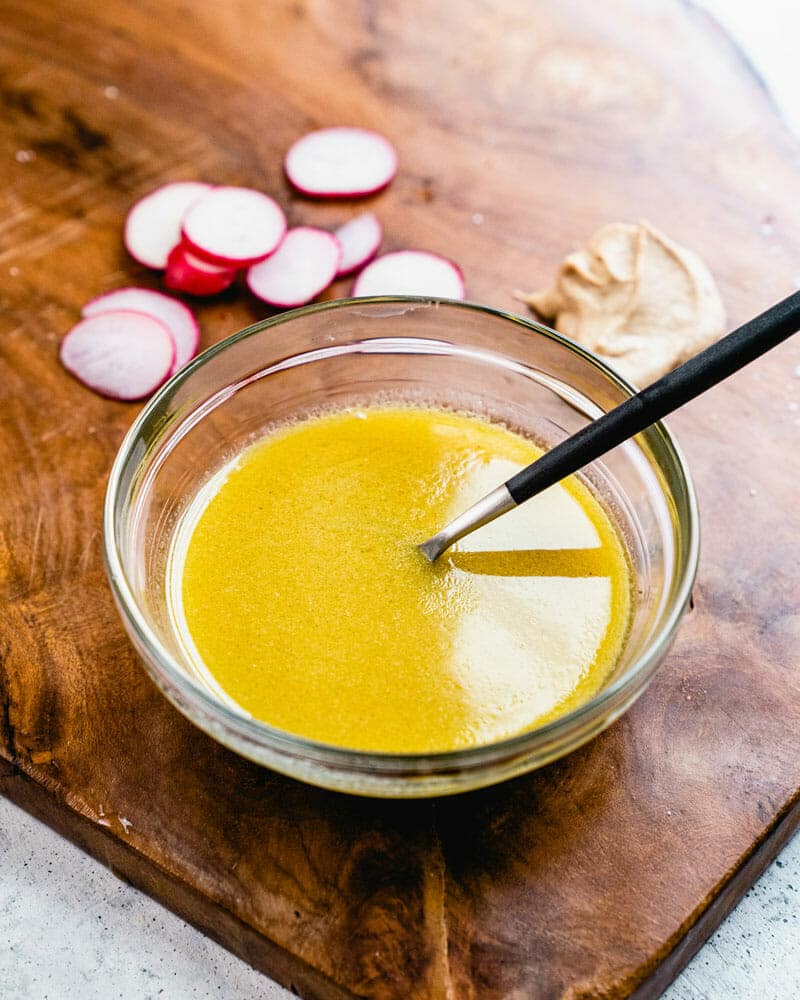
Credit: www.acouplecooks.com

Credit: theheartylife.org
Frequently Asked Questions
What Is The Best Dijon Mustard Substitute In Dressing?
The best Dijon mustard substitute is yellow mustard or spicy brown mustard. They provide similar tangy and sharp flavors. Use equal amounts for a balanced taste in dressings.
Can I Use Honey Mustard Instead Of Dijon?
Yes, honey mustard can replace Dijon but it adds sweetness. Adjust the amount to balance the flavor in your dressing accordingly.
How Does Using Mustard Powder Compare To Dijon?
Mustard powder offers a milder, less tangy flavor than Dijon. Mix it with a bit of vinegar or water to mimic Dijon’s consistency.
Is Prepared Horseradish A Good Dijon Alternative?
Prepared horseradish adds spicy heat but lacks Dijon’s smooth texture. Use sparingly to avoid overpowering your dressing’s flavor.
Conclusion
Choosing a good Dijon mustard substitute can keep your dressing tasty. Many common ingredients work well and are easy to find. Try using mustard seeds, horseradish, or even spicy mayonnaise. Each option adds a unique flavor without much effort. Experiment with what you have at home.
This way, your salads stay fresh and delicious every time. Simple swaps can make a big difference in your kitchen. Don’t worry about missing Dijon mustard; alternatives can be just as good. Enjoy making dressings that suit your taste and pantry.

Hi, I’m Daniel Brooks—a food lover and kitchen gear enthusiast. I enjoy testing cookware, utensils, and gadgets to see what really works in everyday cooking. At PlugChef.com, I share honest reviews, comparisons, and simple guides to help you choose the best tools for a safer, smarter, and more enjoyable kitchen.
Related posts:
 What Type of Cooking Utensils are Safe: Expert Picks
 What Innovations Could Blenders Make: Unleashing Future Tech
 Smart Strategies to Organize a Small Kitchen: Maximize Space
 How to Organize a Kitchen Cabinet: Expert Tips & Tricks
 How to Organize Kitchen Drawers: Expert Tips and Tricks
 How to Organize a Corner Kitchen Cupboard: Expert Tips

