
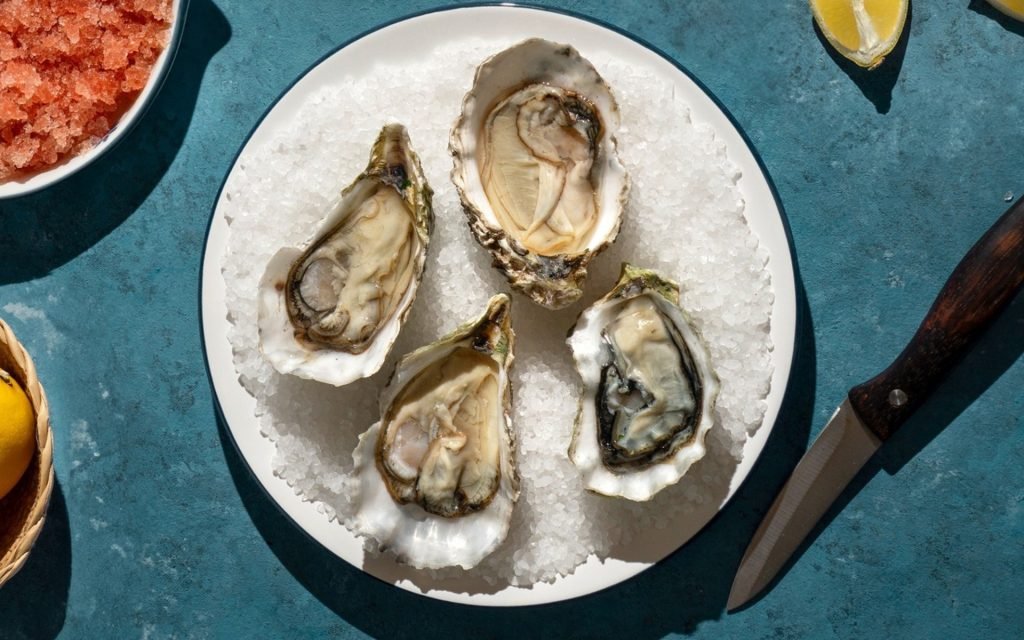
Oysters are one of the most polarizing, prized shellfish in the world: a single briny bite can evoke the exact coastline it was harvested from, but only if you eat it at the right time. The old adage to only eat oysters in "months with an R" (September through April) originated from practical food safety concerns pre-modern aquaculture, but it’s no longer a hard-and-fast rule for most consumers today. This guide breaks down regional oyster seasons, what impacts their flavor and freshness, how to pick the best specimens year-round, and how to cook or serve them for maximum taste, with 2026 up-to-date guidance for seafood lovers, home cooks, and coastal visitors alike.
The Classic "R-Month" Rule: Context and Limitations
The traditional rule to avoid oysters in May through August stems from two key risks in pre-industrial oyster harvesting: warm water temperatures that trigger spawning, which leaves oysters soft, watery, and mild in flavor, and higher rates of Vibrio bacteria and harmful algae blooms that can cause foodborne illness. For wild-harvested oysters, this rule still holds as a solid baseline, but modern farming practices, rigorous water quality testing, and selective breeding have made safe, flavorful oysters available year-round in many regions.
If you’re buying from a reputable fishmonger or certified farm, you can enjoy high-quality oysters even in summer months—you just need to know what to look for, and which varieties are best for your use case.
Regional Oyster Seasons (2026 Guide)
Oyster seasons vary drastically by region, species, and local farming practices. Below is a breakdown of peak seasons for the most common oyster varieties across key global regions:
North America
North America is home to three primary oyster species, each with slightly different seasonal windows:
- Eastern oysters (Crassostrea virginica, Atlantic and Gulf Coasts): Wild harvest peaks September through April, with the sweetest, firmest meat in January and February after winter feeding. Farmed Eastern oysters from certified, monitored beds are available year-round, though summer specimens may be softer and better suited for cooking.
- Pacific oysters (Crassostrea gigas, West Coast from California to British Columbia): These are the most widely farmed oysters in North America, and thanks to strict water temperature and quality monitoring by state agencies, they are available 12 months a year from most commercial farms. Peak flavor is still October through March, when cold water builds their natural glycogen stores for a sweeter, brinier taste.
- Gulf Coast oysters: Similar to Eastern oysters, wild harvest peaks October through March, but farmed varieties are available year-round in most southern states.
Popular seasonal events include the Virginia Oyster Festival in October, which marks the start of the wild Atlantic oyster harvest, and the Pacific Coast’s summer oyster tours, which showcase farmed oysters harvested even in peak summer months.
Europe
European oyster seasons align closely with the traditional R-month rule for wild native varieties, with some regional exceptions:
- France: The prized Belon oyster (Ostrea edulis, flat European oyster) has a strict peak season of October through April, with the highest quality specimens harvested in December and January. Farmed Pacific oysters are available May through September in southern regions like Cornwall and Brittany.
- UK and Ireland: Native oysters (Ostrea edulis) are at their peak October through March, with the Galway International Oyster Festival in September marking the official start of the Irish wild oyster season. Farmed Pacific oysters are available year-round from most UK suppliers.
- Southern Europe: In Spain and Italy, farmed oysters are available year-round, with peak flavor in the cooler winter months.
Asia-Pacific
The Asia-Pacific region’s diverse climates create a wide range of oyster seasons:
- Japan: Hiroshima oysters (the most widely produced variety in the country) peak November through March, with the highly prized "first catch" (hatchobori) harvested in early November. These cold-water oysters are known for their creamy texture and mild brininess, perfect for sashimi.
- Australia: Sydney Rock oysters (Saccostrea glomerata, a native species) peak April through August (the Southern Hemisphere’s winter), while farmed Pacific oysters are available year-round in southern states like Tasmania.
- New Zealand: Bluff oysters, a wild native species, have a short, highly restricted peak season of March through July, with most of the catch reserved for local consumption before limited export. Farmed Pacific oysters are available year-round from certified farms.
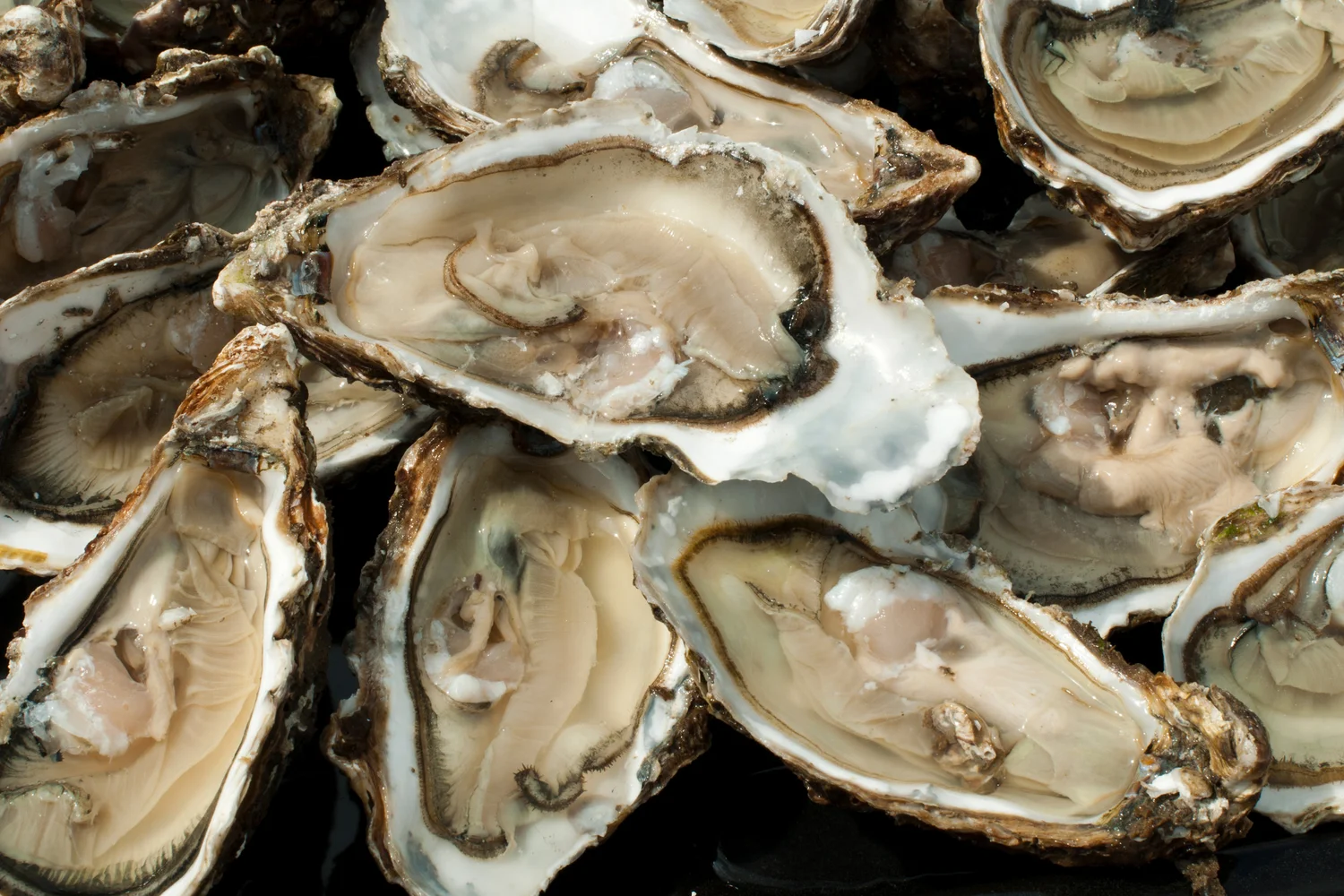 Fresh, in-season oysters on the half shell are briny, firm, and perfect for raw eating.
Credit: aitcla.org
Fresh, in-season oysters on the half shell are briny, firm, and perfect for raw eating.
Credit: aitcla.org
Key Factors That Impact Oyster Freshness and Flavor
Season is just one piece of the puzzle when it comes to oyster quality. These four factors play an outsized role in how your oysters taste and how safe they are to eat:
Water Temperature and Salinity
Oysters are filter feeders, meaning their entire diet and environment comes directly from the water they live in. Cold water (below 60°F / 15.5°C) slows their metabolism, so they store more glycogen (a natural sugar) that gives them a sweet, firm texture. Warmer water speeds up their metabolism, leading to softer, leaner meat. Salinity levels also vary by region: Atlantic oysters from open ocean waters are much brinier than Pacific oysters from estuaries, which have lower salt content and a creamier, almost buttery flavor. Even within the same region, oysters from different beds can taste noticeably different based on small shifts in water chemistry.
Spawning Cycles
When water temperatures hit 68°F (20°C) for most oyster species, they spawn, a process that depletes their glycogen stores and leaves them soft, watery, and sometimes with a metallic or bitter aftertaste. Spawning times vary by region: Gulf Coast oysters can spawn as early as April, while Pacific Northwest oysters typically don’t spawn until July or August. Many commercial farms now raise triploid oysters (sterile, crossbred varieties that don’t reproduce) which never spawn, so they stay firm and flavorful even in the warmest summer months.
Harvesting and Handling Practices
Post-harvest handling is just as important as season for freshness. Oysters should be chilled to 34–38°F (1–3°C) immediately after harvest, and stored with the cupped side down to retain their natural liquor (the briny liquid inside the shell). Hand-harvested oysters have less shell damage than mechanically harvested ones, so they stay fresher longer, as cracked shells can let bacteria in and cause the meat to dry out. No matter the season, oysters should be consumed within 7–10 days of harvest for peak quality.
Water Quality and Regulatory Testing
In regions with strict shellfish safety programs (like the US, EU, and Canada), all commercially sold oysters are tested regularly for Vibrio bacteria, algae toxins, and contamination. This means farmed oysters from monitored waters are safe to eat year-round, even in warmer months, as long as they come from a reputable supplier. For the latest official guidance on safe shellfish handling and Vibrio risk, refer to the USDA's shellfish safety guidelines.
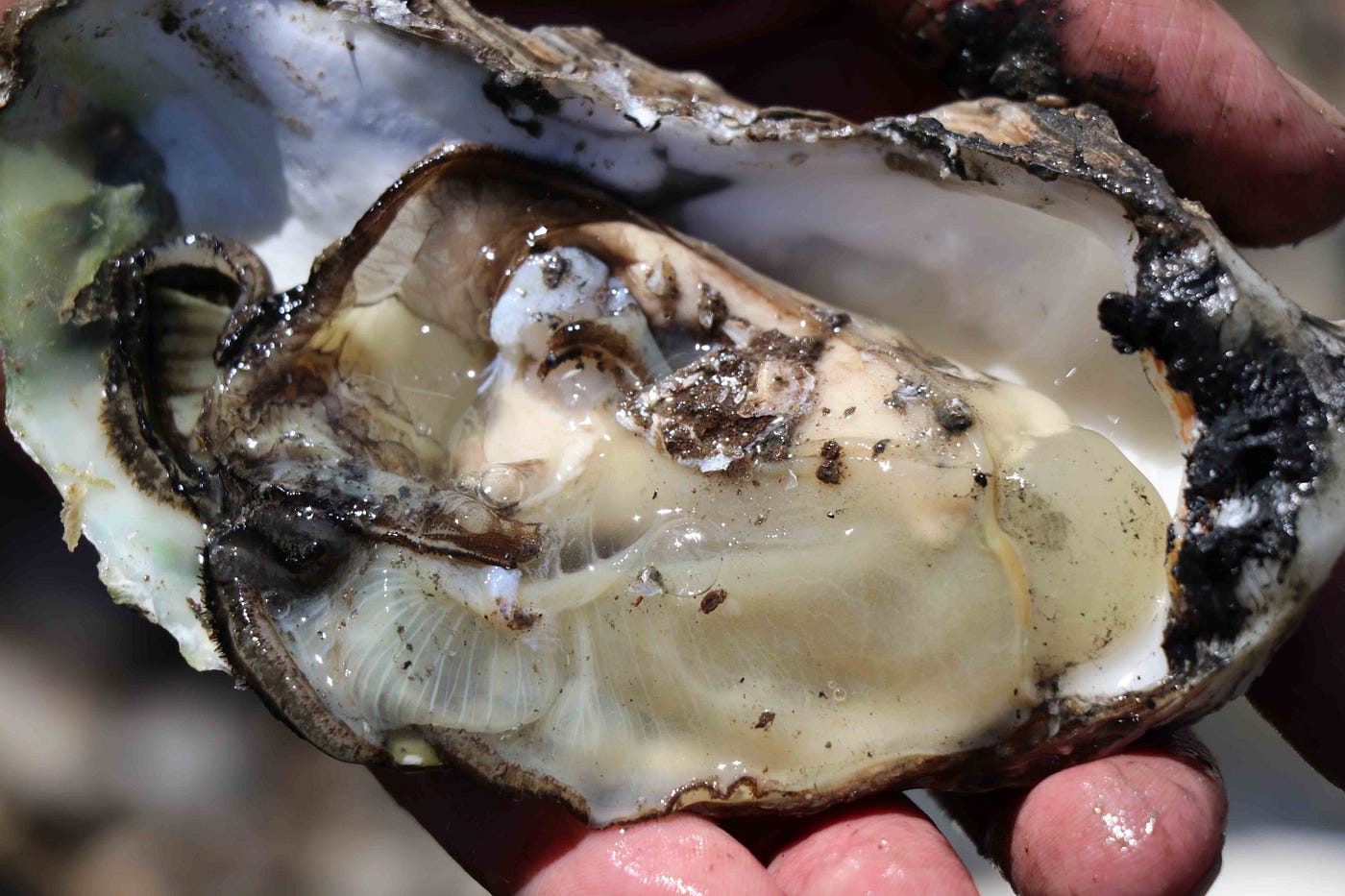 Farmed oysters from the Pacific Northwest are available year-round thanks to rigorous water quality monitoring.
Credit: wdfw.medium.com
Farmed oysters from the Pacific Northwest are available year-round thanks to rigorous water quality monitoring.
Credit: wdfw.medium.com
How to Identify and Handle the Freshest Oysters
Even the best seasonal oysters can be ruined by poor handling. Follow these step-by-step checks to pick the freshest specimens every time you shop:
Visual and Tactile Freshness Checks
- Inspect the shell: A fresh, living oyster will have a tightly closed shell, or one that snaps shut immediately when tapped gently. Discard any oysters with open shells that don’t respond to tapping, as this means the oyster is dead and unsafe to eat. Look for cracks, chips, or dryness around the shell edges, which indicate damage or age.
- Check the weight: A heavy shell for its size means the oyster is full of fresh liquor. Light, hollow shells indicate the oyster has dried out and lost its flavor.
- Inspect shucked oysters (if buying pre-opened): The meat should be plump, opaque, and firm to the touch, surrounded by clear, slightly cloudy liquor. Discard any shucked oysters with milky, discolored, or foul-smelling liquor, or meat that is slimy or mushy.
Safe Shucking Tips for Home Cooks
Shucking oysters can feel intimidating, but it’s safe with the right technique:
- Wear a cut-resistant glove on your non-dominant hand to protect against slips.
- Hold the oyster with the cupped side down, and insert the tip of a sturdy oyster knife into the small, narrow hinge at the point of the shell (not the wider gap between the two shells, a common mistake that leads to injury).
- Twist the knife gently to pop the hinge, then slide the knife along the top shell to cut the adductor muscle that holds the oyster to the shell.
- Separate the top shell, then slide the knife under the oyster meat to detach it from the bottom shell, being careful not to spill the liquor.
- Discard any oysters that do not open slightly when shucked, or that have a strong ammonia or rotten egg smell.
If you’re new to shucking, buy pre-shucked oysters from a high-turnover fishmonger to avoid injury and ensure quality.
Seasonal Oyster Flavor Profiles and Pairings
Oyster flavor shifts dramatically across the year, making seasonal selection key to getting the taste you want:
Cold Season Flavors (October–March, Northern Hemisphere)
Cool water temperatures cause oysters to build up glycogen stores, making their meat firm, sweet, and intensely briny, with a crisp, cucumber-like finish. These are the classic "raw oyster" variety, best served on the half shell with a squeeze of lemon or a classic mignonette, as their bold flavor stands on its own. They pair perfectly with high-acid, crisp drinks like dry Champagne, Sauvignon Blanc, or a gin and lime cocktail that cuts through their brininess.
Warm Season Flavors (April–September)
Summer oysters are leaner, creamier, and less salty, with a mild, almost nutty flavor. Wild spawned oysters will be softer and may have a faint metallic note, so they are best used for cooking: grilling, frying, or adding to stews and chowders. Farmed triploid oysters, which don’t spawn, have a similar firm texture to cold-season oysters, so they work well for raw eating if you prefer a milder flavor. For a tangy, zesty sauce to pair with grilled warm-season oysters, use a DIY mustard alternative that cuts through rich butter and seafood brine.
Pairing Tips for Every Season
- Raw cold-season oysters: Pair with dry sparkling wine, crisp white wine, or a light, bitter beer.
- Cooked warm-season oysters: Pair with light lagers, dry rosé, or a creamy, herb-forward sauce.
- If you’re serving oysters at a gathering, pair them with a crunchy baked snack to keep guests satisfied while you shuck.
 Chefs prioritize in-season oysters for their peak flavor and firm texture for raw preparations.
Credit: appellationoysters.com
Chefs prioritize in-season oysters for their peak flavor and firm texture for raw preparations.
Credit: appellationoysters.com
Sustainable Oyster Farming: Why Seasonality Matters
Oysters are one of the most sustainable protein sources on the planet, but choosing in-season, sustainably farmed oysters maximizes their environmental benefits. A single adult oyster filters up to 50 gallons of water per day, removing excess nitrogen, sediment, and algae that would otherwise harm marine ecosystems. Sustainable oyster farms use off-bottom cages that don’t damage seafloor habitats, rotate harvest areas to let wild beds recover, and avoid harmful chemicals or feed inputs.
When you buy in-season oysters from certified sustainable farms, you’re supporting coastal communities that rely on aquaculture for jobs, and helping to restore declining wild oyster populations that protect shorelines from erosion. Look for certifications from the Aquaculture Stewardship Council (ASC) or local state sustainable shellfish programs when shopping. To learn more about the environmental benefits of oyster aquaculture, see NOAA's research on oyster farming and coastal health.
If you’re garnishing your oyster platter with fresh herbs, use tips to keep garnishes crisp so they stay vibrant all night.
Frequently Asked Questions
Are oysters really only safe to eat in months with an R?
No, this rule is outdated for most commercially sold farmed oysters in regions with strict water quality monitoring, like the US, EU, and Canada. The rule originated before modern aquaculture, when warmer months carried higher risk of Vibrio bacteria and spawning-related quality loss. Today, farmed oysters from monitored waters are tested regularly for safety, so they are safe to eat year-round. Wild-harvested oysters, however, are still best eaten in cooler months to avoid spawning and higher bacteria risk.
Do all oyster species follow the same seasonal schedule?
No. Eastern oysters (Crassostrea virginica) native to the Atlantic and Gulf Coasts spawn when water temperatures hit 68°F (20°C), typically May through August. Pacific oysters (Crassostrea gigas) spawn slightly later, July through September, in most of their range. European flat oysters (Ostrea edulis) spawn in summer as well, but are often harvested only in cooler months for peak flavor. Triploid (sterile) oysters of most species don’t spawn, so they stay firm and flavorful year-round.
How can I tell if an oyster is past its prime, even if it’s in season?
First, check the shell: if it is open and does not close when tapped, discard it immediately, as this indicates the oyster is dead. If the shell is closed but feels unusually light for its size, it has likely dried out and lost its flavor. For shucked oysters, the meat should be firm and plump, with clear, slightly cloudy liquor. If the meat is slimy, the liquor is milky or discolored, or it smells like ammonia or rotten eggs, discard it immediately. Even in peak season, poor handling can ruin oysters, so always buy from a reputable fishmonger with high product turnover.
Do out-of-season oysters taste worse, or just different?
Both, depending on the type of oyster. Wild oysters that spawn in summer will be soft, watery, and have a metallic or bitter taste, so they are generally considered lower quality for raw eating. Farmed oysters, especially triploids, won’t spawn, so they just have a milder, creamier flavor in summer, which many people prefer for cooked dishes like grilled oysters or stews. So out-of-season oysters aren’t inherently "bad"—they’re just better suited for different preparations.
Conclusion
Knowing when oysters are in season is the key to unlocking their best flavor and freshness. For wild-harvested oysters, stick to the traditional R-month rule (September through April in the Northern Hemisphere) for the firmest, briniest meat. For farmed oysters, you can enjoy high-quality specimens year-round, with peak flavor still in the cooler months. Always prioritize freshness cues over calendar dates when shopping, buy from reputable, sustainable sources, and pair your oysters with complementary flavors to make the most of their unique taste.
If you’re hosting an oyster tasting, serve a bright gin and lime cocktail alongside your spread to balance briny, sweet notes. For a hearty, surf-and-turf weeknight meal, add shucked oysters to a savory steak and noodle dish for a briny kick.

Hi, I’m Daniel Brooks—a food lover and kitchen gear enthusiast. I enjoy testing cookware, utensils, and gadgets to see what really works in everyday cooking. At PlugChef.com, I share honest reviews, comparisons, and simple guides to help you choose the best tools for a safer, smarter, and more enjoyable kitchen.
Related posts:
 How to Make a Fruit Basket for a Gift: Easy DIY Guide
 Do You Need a Basket? Essential Guide for Air Fryers
 Slate Kitchen Appliances With White Cabinets: Style Upgrade
 Small Electrical Appliances: Maximize Your Home Efficiency
 Blue Kitchen Cabinets With Stainless Steel Appliances: Modern Elegance
 How to Keep Drains Clear Naturally: Easy & Effective Tips

