
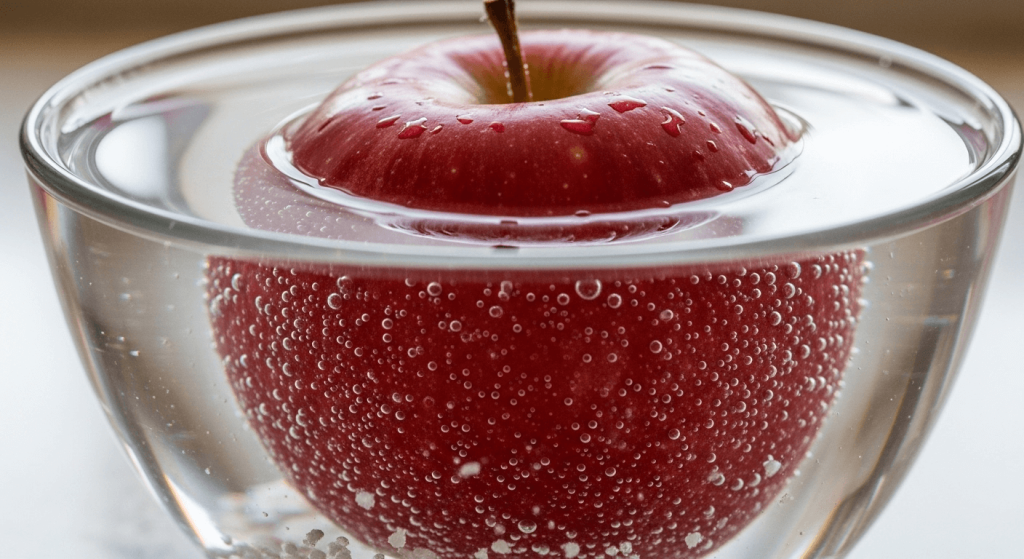
Have you ever wondered why people soak apples in salt water before eating them? It’s a simple trick that can make a big difference for your health and taste buds.
By taking just a few minutes to soak your apple, you can remove dirt, pesticides, and even keep it fresh longer. If you want to enjoy cleaner, safer, and tastier apples every time, keep reading. You’ll discover easy steps and surprising benefits that will change the way you eat fruit forever.
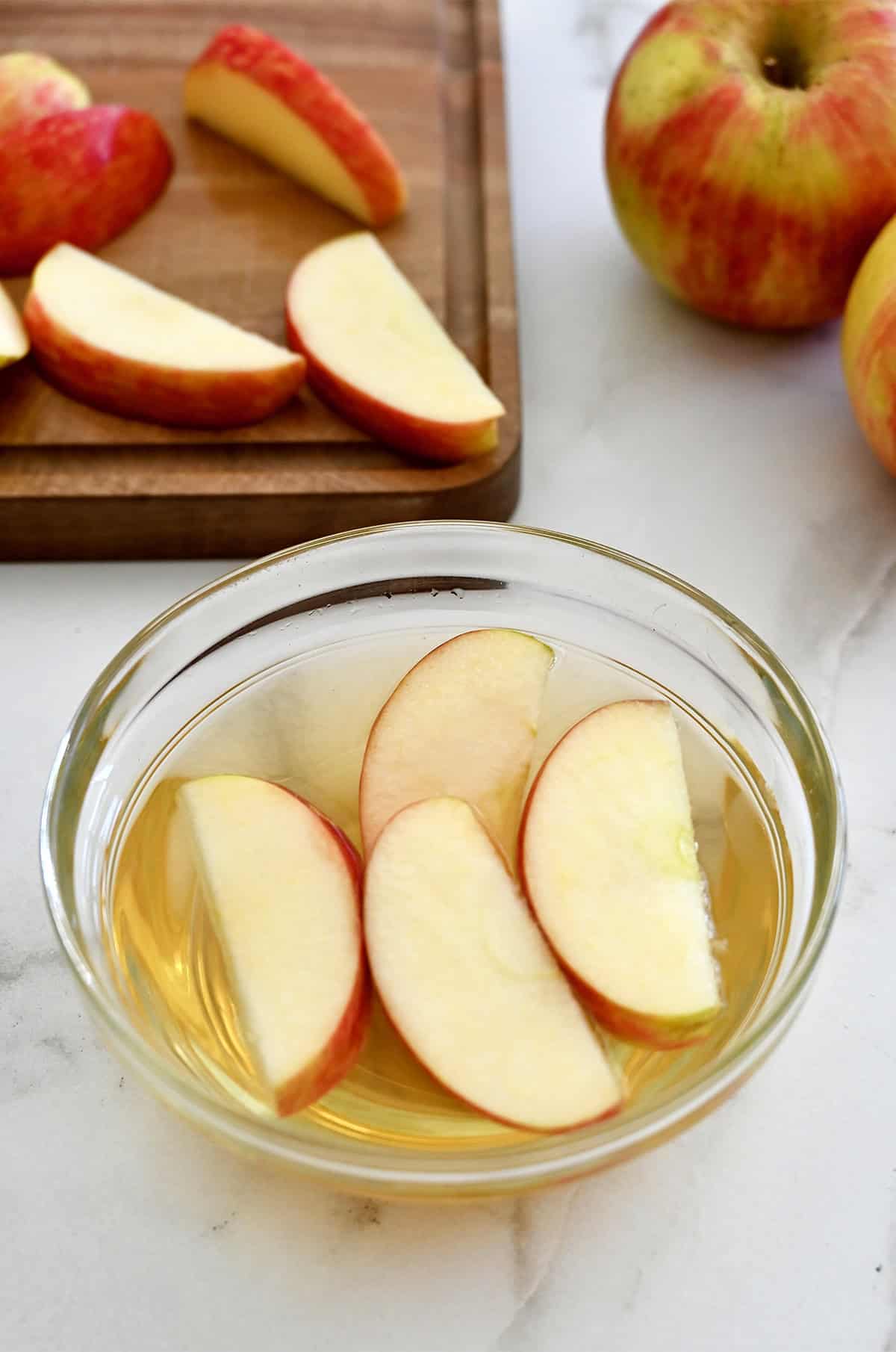
Credit: www.justataste.com
Why Soak Apples In Salt Water
Soaking apples in salt water offers simple benefits for anyone who wants cleaner, safer fruit. This easy step helps remove unwanted substances and keeps apples fresh. It is a natural way to improve apple quality before eating or cooking.
Remove Pesticides And Chemicals
Salt water helps wash away pesticide residues from apples’ skin. These chemicals often stay on fruit surfaces after harvest. Soaking apples in salt water loosens and removes many harmful substances. This step reduces the risk of consuming unwanted chemicals.
Kill Harmful Bacteria
Apples may carry bacteria from handling or environment. Salt water acts as a mild disinfectant. It kills many types of bacteria that cause illness or spoilage. Soaking apples lowers the chance of foodborne sickness.
Preserve Freshness Longer
Salt water helps slow down fruit decay. It reduces bacteria and fungi that cause rotting. Apples soaked in salt water stay firm and fresh for more days. This keeps your fruit tasty and crisp longer.
How To Soak Apples Properly
Soaking apples in salt water might sound like a strange technique, but it’s a simple trick to keep your apples fresh and crisp. Many people wonder how to do it correctly for the best results. Let’s dive into the details to ensure your apples maintain their vibrant color and crunch.
Choosing The Right Salt
Not all salts are created equal. Opt for sea salt or kosher salt for soaking apples, as they dissolve well and have a milder taste compared to table salt. These types of salt ensure that the flavor of your apples remains intact while preventing browning.
Ideal Water To Salt Ratio
The right balance between water and salt is crucial. Generally, you should use about one teaspoon of salt per cup of water. This ratio is effective in maintaining the apple’s freshness without making them taste too salty.
Soaking Duration Tips
The duration of soaking is just as important as the salt choice and ratio. Soak your apples for about 5 to 10 minutes. This time frame is sufficient to prevent browning while keeping the apples firm.
Have you tried soaking apples before, or is it your first time? Either way, these tips will help you achieve the perfect result. Remember, the key is in the details, and a little bit of effort goes a long way in maintaining that delightful crunch.
Health Benefits Of Salt Water Soaking
Soaking apples in salt water is more than just a kitchen hack; it offers several health benefits that can enhance your eating experience. This simple step can impact the safety, nutrition, and ease of digestion of your apples. Have you ever considered how a brief soak could change the way your body responds to this everyday fruit?
Reducing Risk Of Foodborne Illness
Salt water acts as a natural sanitizer by killing or reducing harmful bacteria on the apple’s surface. This is especially helpful if you buy apples that are not organic or have been handled by many people. By soaking your apples in salt water, you can lower your chances of consuming germs that cause stomach upset or infections.
Think about the last time you ate an apple without washing it thoroughly. Could salt water soaking be a simple way to protect yourself from unseen contaminants?
Enhancing Nutrient Retention
Soaking apples briefly in salt water helps maintain their natural nutrients by preventing oxidation. When apples are cut or bruised, they tend to lose vitamins like vitamin C quickly. Salt water slows down this process, keeping your apple fresher and more nutritious for longer.
This means you get more vitamins and antioxidants from your snack, supporting your immune system and overall health with every bite.
Improving Digestibility
Salt water soaking can help break down some of the apple’s natural compounds that are harder to digest. This process makes it easier for your stomach to handle the fruit and can reduce bloating or discomfort after eating. For people with sensitive digestion, this simple step can make apples a much gentler option.
Have you noticed any difference in how you feel after eating fruit prepared differently? Trying salt water soaking could be a small change with noticeable effects on your digestion.

Credit: www.lemon8-app.com
Common Mistakes To Avoid
Soaking apples in salt water is a simple trick to clean and preserve them, but it’s easy to slip up if you’re not careful. Avoiding common mistakes can make your soaking process more effective and ensure your apples taste just right. Let’s look at some pitfalls you should steer clear of.
Using Too Much Salt
Adding too much salt to your water can leave your apples tasting unpleasantly salty. A small amount is enough—usually about one teaspoon of salt per cup of water works well.
Too much salt also defeats the purpose of rinsing later, as the salty residue can cling to the apple’s skin. Have you ever bitten into a fruit and felt an unexpected saltiness? That’s often the result of overdoing the salt in the soak.
Soaking For Too Long
Soaking apples for hours might seem like a good idea to get them super clean, but it can backfire. Extended soaking can make the apple skin soft and the flesh mushy.
Stick to a soaking time of about 5 to 10 minutes. This timeframe balances cleaning with maintaining the apple’s crispness. How long do you usually soak your fruit? Try timing it and see if shorter soaks improve the texture.
Neglecting To Rinse After Soaking
Skipping the rinse after soaking leaves salt and any loosened dirt on the apple’s surface. This can affect both flavor and safety.
Rinse thoroughly under running water to wash away salt and residues. Trust me, a quick rinse makes a noticeable difference in taste and texture. Have you ever eaten an apple after soaking without rinsing? You might want to try rinsing next time to taste the difference.
Other Fruits And Vegetables To Soak
Soaking apples in salt water is a smart way to clean and preserve them, but did you know that other fruits and vegetables benefit from this simple trick too? Salt water helps remove dirt, pesticides, and tiny bugs that hide in crevices. Let’s look at some other produce items where soaking can make a real difference.
Berries And Grapes
Berries and grapes are delicate and often covered in pesticide residues or tiny insects. Soaking them briefly in salt water loosens dirt and unwanted particles without damaging their texture. After soaking for about 5 minutes, rinse them gently with fresh water to keep their flavor intact.
Have you ever found your berries tasting a bit off? A quick salt water soak can refresh their natural sweetness and ensure they’re cleaner than just rinsing alone.
Leafy Greens
Leafy greens like spinach, kale, and lettuce often trap soil and small bugs in their folds. Soaking these greens in salt water helps dislodge unwanted debris and insects effectively. Submerge them for 10 to 15 minutes, swishing occasionally, then rinse well to remove any salty taste.
Try this next time your salad feels gritty or your greens look less fresh. You might be surprised how much cleaner and crisper they become after a simple soak.
Root Vegetables
Root vegetables such as carrots, potatoes, and beets grow underground and can carry stubborn dirt. Soaking them in salt water softens the soil, making it easier to scrub away. Leave them for 10-20 minutes before scrubbing under running water for a thorough clean.
Have you noticed how much time you spend scrubbing roots? Soaking first cuts down on effort and leaves your veggies looking fresh and ready to cook.
Alternatives To Salt Water Soaking
Soaking apples in salt water is a common way to clean them. Some people prefer other methods to wash their fruit. These alternatives can remove dirt, pesticides, and bacteria effectively. Each option has its own benefits and steps.
Vinegar Wash
Vinegar is a natural cleaner for fruits and vegetables. Mix one part vinegar with three parts water in a bowl. Soak the apples for about five to ten minutes. Rinse them well with clean water afterward. This method helps kill bacteria and reduce pesticide residue.
Baking Soda Solution
Baking soda is another safe way to clean apples. Dissolve one teaspoon of baking soda in two cups of water. Soak the apples for twelve to fifteen minutes. Scrub gently with a soft brush for better cleaning. Rinse thoroughly to remove any baking soda taste.
Commercial Fruit Washes
Fruit washes made for cleaning produce are available in stores. These sprays or liquids are designed to remove dirt and chemicals. Follow the instructions on the package for the best results. Rinse the apples well after applying the wash to avoid residue.
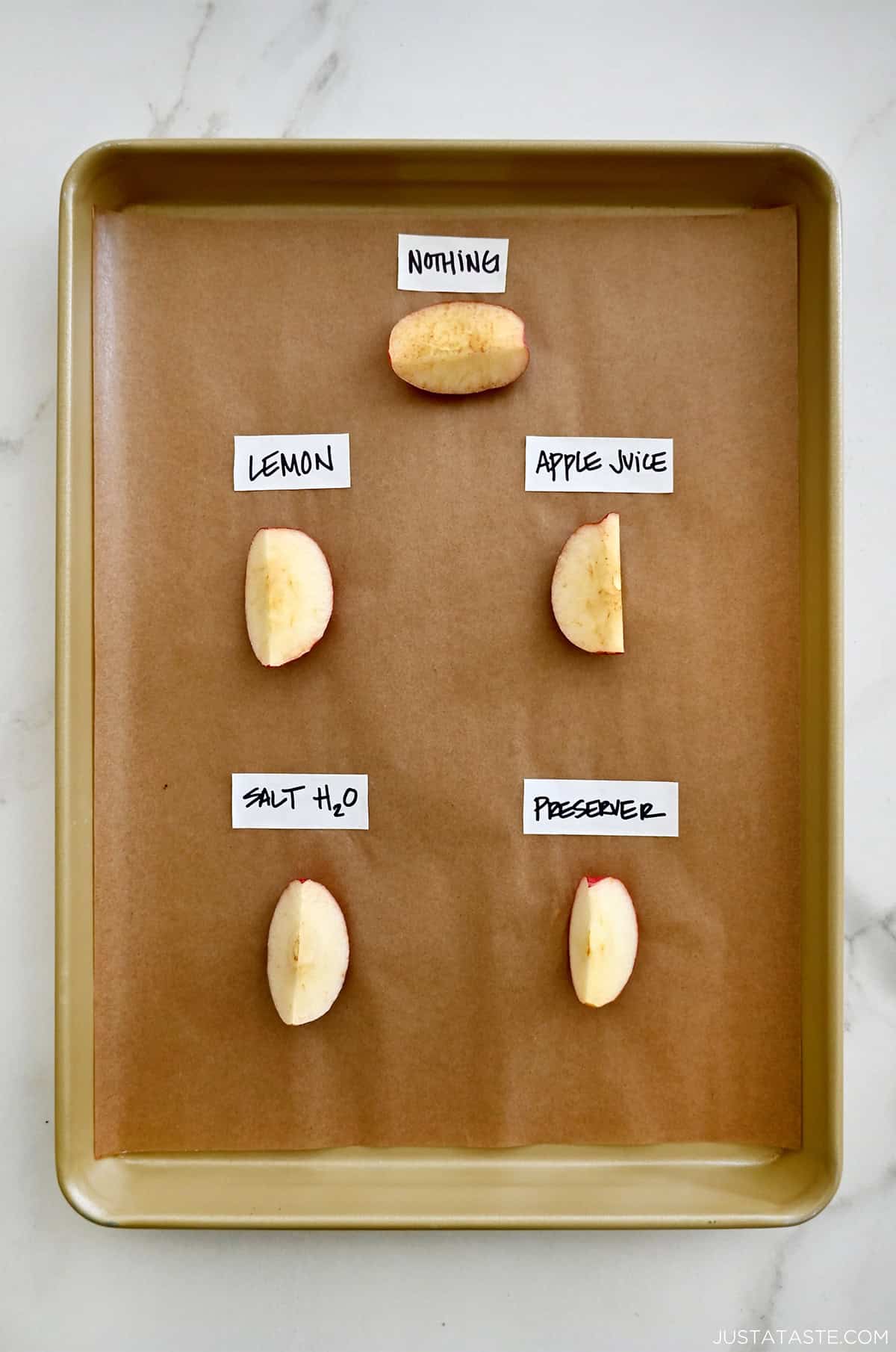
Credit: www.justataste.com
Frequently Asked Questions
Why Soak Apple In Salt Water Before Eating?
Soaking apples in salt water removes dirt, pesticides, and bacteria. It helps make apples safer and cleaner to eat. This simple step improves fruit hygiene and taste.
How Long Should Apples Soak In Salt Water?
Apples should soak in salt water for 5 to 10 minutes. This duration effectively cleans the surface without affecting taste or texture. Rinse well after soaking.
Does Salt Water Affect Apple Flavor Or Texture?
Salt water briefly soaks apples without altering their flavor or texture. It only cleans the surface and does not penetrate the fruit. Rinsing afterward prevents any salty taste.
Can Soaking Apples In Salt Water Remove Pesticides?
Yes, soaking apples in salt water helps reduce pesticide residues on the surface. Salt water breaks down some chemicals, making the fruit safer to consume.
Conclusion
Soaking apples in salt water helps clean dirt and bugs off. It also slows browning, keeping apples fresh longer. This simple step improves apple taste and safety. Anyone can do it quickly at home. Try it next time before eating or cooking.
Healthy habits start with easy actions like this. Apples stay crisp, tasty, and safe to enjoy every day. Simple, smart, and effective.

Hi, I’m Daniel Brooks—a food lover and kitchen gear enthusiast. I enjoy testing cookware, utensils, and gadgets to see what really works in everyday cooking. At PlugChef.com, I share honest reviews, comparisons, and simple guides to help you choose the best tools for a safer, smarter, and more enjoyable kitchen.
Related posts:
 What Type of Cooking Utensils are Safe: Expert Picks
 What Innovations Could Blenders Make: Unleashing Future Tech
 Smart Strategies to Organize a Small Kitchen: Maximize Space
 How to Organize a Kitchen Cabinet: Expert Tips & Tricks
 How to Organize Kitchen Drawers: Expert Tips and Tricks
 How to Organize a Corner Kitchen Cupboard: Expert Tips

