
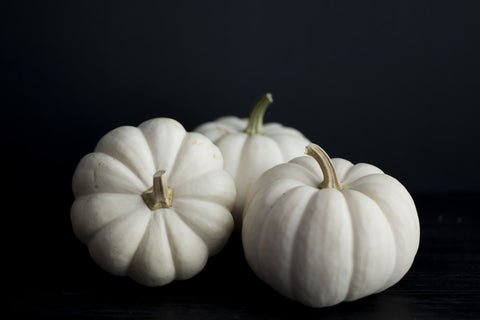
Have you ever wondered if white pumpkins taste different from the classic orange ones you see every fall? Maybe you’ve spotted them at the market or in a pumpkin patch and hesitated to buy one because you weren’t sure what to expect.
Your curiosity is natural—after all, color often hints at flavor. But when it comes to white pumpkins, the truth might surprise you. Keep reading to discover what sets white pumpkins apart, how they really taste, and why you might want to give them a try on your next cooking adventure.

Credit: thecrownedgoat.com
White Pumpkin Varieties
White pumpkins come in many varieties. Each type has a unique look and flavor. These pumpkins are not just decorative. Many varieties taste just as good as the orange ones. Some even have a sweeter or milder flavor. Understanding the different types helps in choosing the right pumpkin for cooking or decoration.
Common Types
- Lumina:Smooth white skin, round shape, mild flavor.
- Casper:Bright white, medium size, slightly sweet taste.
- Baby Boo:Small, white miniature pumpkin, often used for decoration but edible.
- White Wonder:Large, creamy white, dense flesh, great for baking.
- Marina di Chioggia:Italian variety, pale gray-white, firm texture, nutty flavor.
Growing Regions
White pumpkins grow in many places worldwide. They thrive in warm climates with plenty of sun. The United States, especially the Midwest, grows many white pumpkin varieties. Italy is known for unique white pumpkins like Marina di Chioggia. India and parts of Asia also cultivate white pumpkins for cooking. These pumpkins grow best in well-drained soil and moderate rainfall.
Flavor Profile Compared
Comparing the flavor profiles of white pumpkins to their traditional orange counterparts reveals some interesting differences. While they share similarities, subtle variations in taste and texture can influence how you use them in recipes. Understanding these differences can help you decide which pumpkin suits your cooking style and flavor preferences.
Taste Differences
White pumpkins generally have a milder, less sweet flavor than orange pumpkins. Their taste leans toward a subtle nuttiness with earthy undertones, rather than the rich, almost sugary sweetness typical of orange varieties.
This makes white pumpkins perfect if you want a more neutral base that won’t overpower other ingredients in savory dishes. Have you ever tried a pumpkin soup where the pumpkin’s flavor was too strong? Using white pumpkin can help you avoid that.
- Less intense sweetness
- Earthy, slightly nutty notes
- Better suited for savory or lightly spiced dishes
Texture Variations
Texture can change how a pumpkin feels in your mouth and how it cooks. White pumpkins often have a firmer, denser flesh compared to the softer, sometimes stringy texture of orange pumpkins.
This firmness means white pumpkins hold their shape better when roasted or baked. If you want distinct pumpkin chunks in a stew or salad, white pumpkin is a great choice.
- Denser, firmer flesh
- Holds shape well during cooking
- Less likely to become mushy
Next time you pick up a white pumpkin, think about how its flavor and texture might change your dish. Would you prefer a pumpkin that blends smoothly or one that adds a subtle crunch? Your cooking style can benefit from knowing these key differences.
Culinary Uses
White pumpkins have a mild, slightly sweet flavor that differs from traditional orange pumpkins. They work well in soups, pies, and roasted dishes, offering a unique taste and texture.
White pumpkins, with their ghostly hue, bring a unique touch to dishes. They are not just decorative but also versatile in the kitchen. Their taste is milder than orange pumpkins, making them perfect for various recipes. Let’s explore how you can incorporate white pumpkins into your meals.Cooking Methods
White pumpkins adapt to many cooking techniques. You can roast them to enhance their natural sweetness. Baking is another option, providing a tender texture. Steaming retains nutrients and brings out a subtle flavor. For a smoky taste, try grilling slices over a barbecue. Pureeing is ideal for soups or sauces, offering a smooth consistency.Popular Recipes
White pumpkin soup is creamy and comforting. Season it with nutmeg and cinnamon for warmth. Try white pumpkin pie, a twist on the classic dessert. Its mild flavor blends well with spices. Use white pumpkin in risottos for a creamy, rich dish. Adding it to curries introduces a soft, sweet element. White pumpkin bread is a delightful treat, perfect for breakfast. It pairs wonderfully with a cup of tea.
Credit: food52.com
Nutritional Benefits
White pumpkins aren’t just a pretty addition to your fall decor—they pack a surprising nutritional punch. If you’ve ever wondered how their benefits stack up against the more common orange variety, you’ll find they offer plenty to boost your health. Let’s take a closer look at what vitamins and minerals white pumpkins bring to your table and how they can positively affect your well-being.
Vitamins And Minerals
White pumpkins contain a rich mix of essential nutrients that support your body’s daily needs. They are particularly high in:
- Vitamin A:Vital for maintaining healthy vision and immune function.
- Vitamin C:Helps your body fight off infections and supports skin health.
- Potassium:Crucial for regulating blood pressure and heart health.
- Magnesium:Important for muscle and nerve function.
- Fiber:Aids digestion and keeps you feeling full longer.
Interestingly, the vitamin levels in white pumpkins can be just as high as in orange ones, making them a worthy alternative in your diet. Have you considered how these nutrients might fit into your daily meals?
Health Advantages
Adding white pumpkin to your diet can offer several health benefits beyond basic nutrition. The antioxidants present help reduce inflammation, which is linked to many chronic diseases.
Regular consumption can support heart health by managing cholesterol and blood pressure levels. Plus, the fiber content promotes a healthy digestive system, reducing the risk of constipation and improving gut health.
From my experience, roasting white pumpkin with a sprinkle of spices not only tastes great but also makes it easier to include in your meals regularly. What creative ways can you think of to add white pumpkin to your favorite recipes?
Buying And Storing Tips
Buying and storing white pumpkins properly helps keep their flavor and texture fresh. Knowing how to pick the best pumpkin and store it right extends its shelf life. This section shares simple tips for selecting fresh white pumpkins and storing them safely.
Selecting Fresh White Pumpkins
- Choose pumpkins with firm, unblemished skin.
- Look for a solid, heavy feel for their size.
- Check the stem; it should be dry and intact.
- Avoid pumpkins with soft spots or cracks.
- Pick pumpkins with a smooth, even color.
Storage Best Practices
- Store pumpkins in a cool, dry place away from sunlight.
- Keep pumpkins off cold floors to avoid moisture damage.
- Do not wash pumpkins before storing; wipe with a dry cloth.
- Place pumpkins on shelves or pallets for good air circulation.
- Use stored pumpkins within 2 to 3 weeks for best taste.

Credit: www.reddit.com
Frequently Asked Questions
Do White Pumpkins Taste Different From Orange Ones?
White pumpkins have a milder, less sweet flavor than orange pumpkins. Their texture is often denser, making them ideal for cooking and baking. While both are edible, white pumpkins offer a unique taste experience that’s slightly earthier and less sugary.
Are White Pumpkins Good For Cooking And Baking?
Yes, white pumpkins are excellent for cooking and baking. Their mild flavor blends well in soups, pies, and roasted dishes. They have a firm texture that holds up well during cooking, making them a versatile ingredient in various recipes.
Can White Pumpkins Be Eaten Raw?
White pumpkins can be eaten raw but are less sweet than orange varieties. Their texture is firmer and slightly bitter when uncooked. They are often preferred cooked to enhance flavor and soften the flesh for easier consumption.
Is The Nutritional Value Of White Pumpkins Different?
White pumpkins have similar nutritional content to orange pumpkins. They are low in calories and rich in fiber, vitamins, and antioxidants. The slight flavor difference does not affect their healthy benefits, making them a nutritious food choice.
Conclusion
White pumpkins have a mild, slightly sweet taste. They do not taste very different from orange pumpkins. You can use them in cooking the same way. Their texture is also soft and smooth when cooked. Many enjoy white pumpkins for their unique look and flavor.
They add a nice twist to traditional pumpkin dishes. Try white pumpkins in soups, pies, or roasted recipes. Taste is simple but pleasant. White pumpkins are a great choice for variety. Give them a try to see if you like the subtle difference.

Hi, I’m Daniel Brooks—a food lover and kitchen gear enthusiast. I enjoy testing cookware, utensils, and gadgets to see what really works in everyday cooking. At PlugChef.com, I share honest reviews, comparisons, and simple guides to help you choose the best tools for a safer, smarter, and more enjoyable kitchen.
Related posts:
 What Type of Cooking Utensils are Safe: Expert Picks
 What Innovations Could Blenders Make: Unleashing Future Tech
 Smart Strategies to Organize a Small Kitchen: Maximize Space
 How to Organize a Kitchen Cabinet: Expert Tips & Tricks
 How to Organize Kitchen Drawers: Expert Tips and Tricks
 How to Organize a Corner Kitchen Cupboard: Expert Tips

