
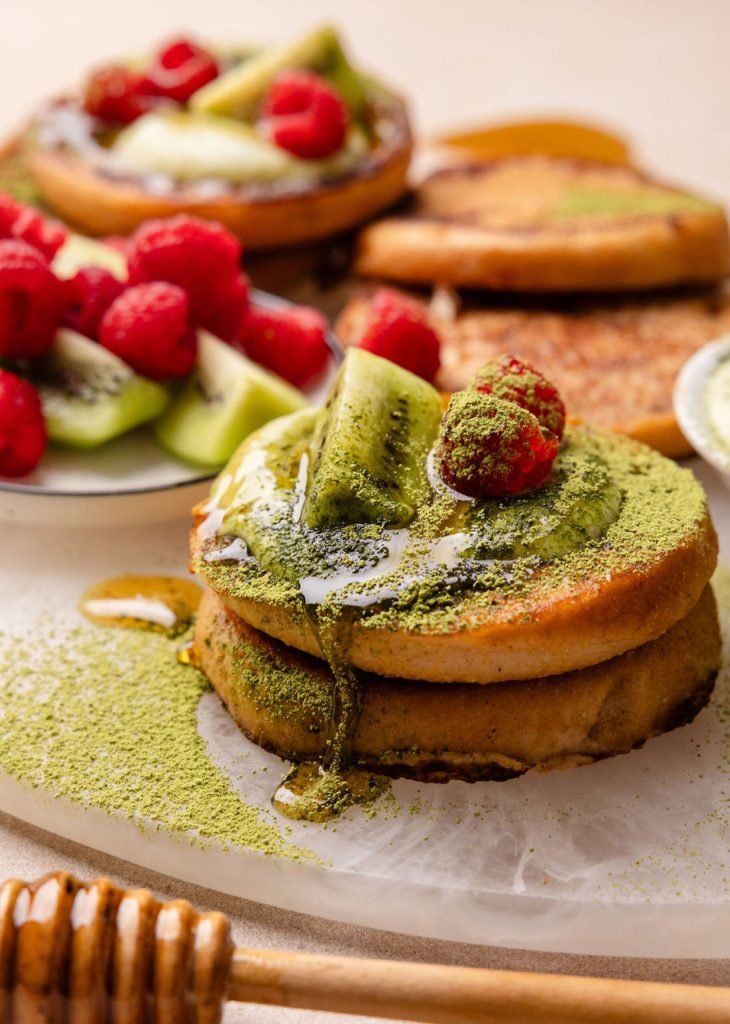
Imagine starting your morning with a twist on a classic breakfast favorite. French toast with English muffins takes the familiar comfort of fluffy, golden bread and adds a deliciously unique crunch.
If you love quick, tasty meals that feel special without the fuss, this recipe is made for you. Ready to discover how a simple swap can make your breakfast unforgettable? Keep reading—you’re about to turn your mornings into a little celebration.

Credit: www.food.com
Why Choose English Muffins
Choosing English muffins for your French toast can change your breakfast game. Their unique structure offers a fresh twist that traditional bread just can’t match. Let’s look at why English muffins deserve a spot in your kitchen.
Texture And Flavor Benefits
English muffins have a distinct texture that makes your French toast extra special. Their nooks and crannies soak up the egg mixture beautifully, giving you a moist inside with a crisp outside after cooking.
The slight chewiness of English muffins adds a satisfying bite. Plus, their mild tang from the fermentation process gives a subtle flavor boost that complements sweet toppings perfectly.
Have you ever noticed how traditional bread sometimes gets soggy quickly? English muffins hold up better, letting you enjoy your French toast without it falling apart.
Comparing To Traditional Bread
Traditional bread is often soft and uniform, which can lead to a mushier French toast. English muffins provide more structure, so your toast stays firm even after soaking in the egg mix.
Because English muffins are denser, they absorb just the right amount of liquid. This helps avoid the common problem of French toast becoming overly soggy or dry.
Another point is flavor variety. While white or whole wheat bread can be bland, English muffins bring a subtle tang and a slightly toasted flavor. This makes every bite more interesting and enjoyable.
Ingredients For Perfect French Toast
Creating perfect French toast starts with choosing the right ingredients. Each component plays a key role in flavor and texture. Using quality ingredients makes the dish more enjoyable and satisfying.
Selecting The Right English Muffins
English muffins provide a great base for French toast. Pick fresh muffins with a firm texture. They soak up the egg mixture without falling apart. Split them carefully to keep their shape. Toasted English muffins add a nice crunch and flavor contrast.
Essential Wet Ingredients
The egg mixture brings everything together. Use fresh eggs for the best taste. Milk or cream adds richness and moisture. Whisk these ingredients until smooth. A pinch of salt balances the sweetness and enhances flavor. These wet ingredients create the perfect coating for the muffins.
Optional Flavor Enhancers
Small extras can lift the taste of French toast. Vanilla extract adds a warm, sweet aroma. Cinnamon or nutmeg gives a gentle spice. Sugar or honey sweetens the mixture naturally. These flavor enhancers make the dish more inviting. Adjust amounts to suit your preference.
Step-by-step Cooking Process
Whisk eggs, milk, and cinnamon in a bowl. Dip English muffin halves into the mix, then cook on a hot pan until golden brown. Serve warm with syrup or fruit for a tasty breakfast treat.
Creating French Toast with English Muffins is a delightful twist on a breakfast classic. Whether you’re a seasoned cook or a beginner, mastering this dish can elevate your morning routine. Let’s walk through the step-by-step cooking process to ensure your French Toast turns out perfectly every time.Preparing The Batter
Start by cracking a few eggs into a bowl. Whisk them until the yolks and whites are fully combined. Add a splash of milk or cream to the eggs for richness. Sprinkle in a pinch of cinnamon and a dash of vanilla extract for flavor. Whisk again until the mixture is smooth and well-blended. Consider adding a little sugar if you prefer a sweeter toast.Dipping And Soaking Tips
Cut your English muffins in half and allow them to sit at room temperature for a few minutes. This helps them absorb the batter evenly. Dip each muffin half into the batter, ensuring it’s fully submerged. Avoid soaking them for too long to prevent sogginess; a quick dip of 10-15 seconds is usually sufficient. Press lightly to ensure the batter reaches the nooks and crannies of the muffins.Cooking Techniques For Even Browning
Preheat your non-stick skillet over medium heat and add a pat of butter. Once the butter has melted and is bubbling, place the soaked muffin halves cut-side down on the skillet. Cook for about 2-3 minutes on each side until golden brown. Use a spatula to press them gently for even browning. Keep an eye on the heat to avoid burning and adjust if necessary. French Toast with English muffins offers a unique texture and flavor. The nooks and crannies capture the batter beautifully, adding an extra layer of delight to every bite. Have you tried this delightful variation yet? It might just become your new breakfast favorite!Creative Toppings And Fillings
French toast made with English muffins offers a unique canvas to experiment with flavors and textures. You can easily switch up your breakfast routine by trying different toppings and fillings that suit your mood or cravings. These ideas will help you create a dish that’s not only delicious but also visually appealing.
Sweet Topping Ideas
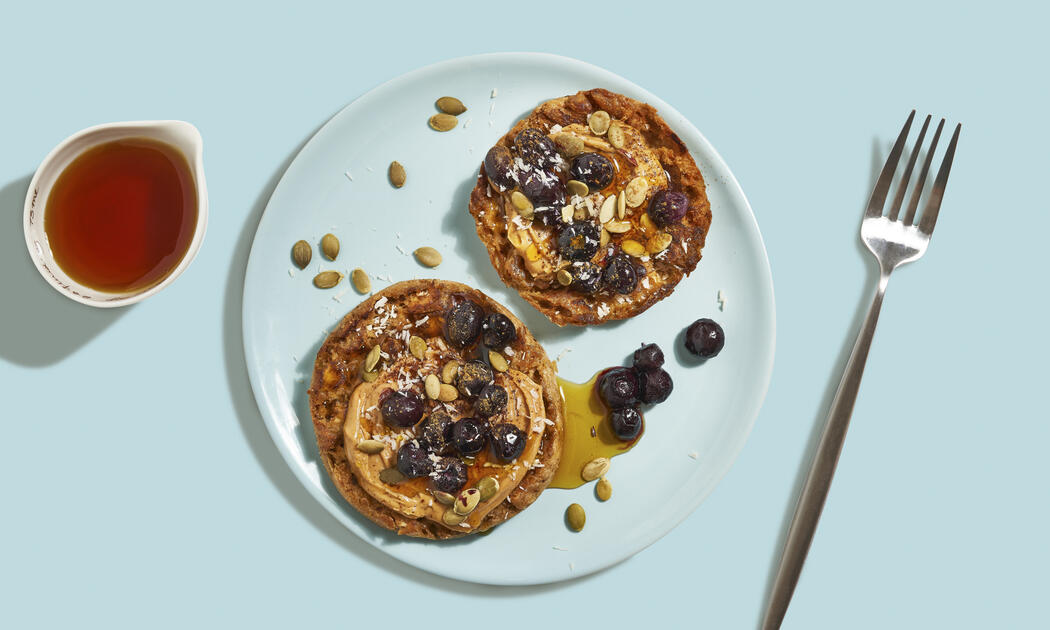
Sweet toppings turn your English muffin French toast into a comforting treat. Try spreading creamy mascarpone or ricotta cheese, then drizzle with honey or maple syrup for a rich, smooth finish.
- Fresh berries like strawberries, blueberries, or raspberries add a burst of freshness and color.
- Sliced bananas paired with a sprinkle of cinnamon bring warmth and natural sweetness.
- A dollop of whipped cream or a scoop of vanilla ice cream can make it feel like dessert.
- Chopped nuts such as walnuts or pecans add crunch and nuttiness.
Have you ever combined peanut butter with a drizzle of chocolate sauce for a decadent twist? It’s a simple way to turn your breakfast into a delightful indulgence.
Savory Options
If you prefer a savory start, English muffin French toast can easily adapt. Consider topping it with avocado slices and a sprinkle of chili flakes for a creamy yet spicy bite.
- Cooked bacon or sausage crumbles add smoky, hearty flavors.
- Shredded cheese melted on top creates a gooey, satisfying layer.
- Fresh herbs like chives or parsley brighten the dish with a fresh note.
- A fried or poached egg on top elevates the protein content and richness.
Have you tried a drizzle of hot sauce or a smear of pesto? These can awaken your taste buds and add unexpected depth to your French toast.
Filling The Muffins
Filling your English muffins before dipping them in egg mixture adds another exciting dimension. You can create layers of flavor that surprise with every bite.
- Spread cream cheese mixed with smoked salmon and dill for a luxurious twist.
- Add slices of ham and Swiss cheese to create a mini sandwich feel inside the French toast.
- Try a layer of Nutella and sliced strawberries for a sweet and creamy center.
- Mix sautéed mushrooms and garlic with shredded cheese for a savory surprise.
Have you thought about how the texture changes when you stuff your muffins before cooking? It makes every bite a little more interesting and satisfying.
Serving Suggestions And Pairings
French toast made with English muffins offers a unique twist on a classic breakfast. Serving it with the right sides and drinks enhances the overall meal experience. Thoughtful pairings bring out the flavors and textures perfectly.
Complementary Breakfast Sides
- Fresh fruit like berries, banana slices, or apple wedges add natural sweetness.
- Crispy bacon or sausage provide a savory balance to the rich toast.
- Yogurt or cottage cheese offers a cool and creamy contrast.
- Maple syrup or honey drizzled on top boosts flavor and moisture.
- Lightly toasted nuts add a satisfying crunch and depth.
Beverage Pairings
- A cup of hot coffee or espresso complements the sweet and savory notes.
- Freshly squeezed orange juice adds bright, citrusy freshness.
- Herbal teas like chamomile or mint provide a gentle, soothing flavor.
- Milk or almond milk pairs well for a creamy, mild drink.
- Smoothies with banana or berries can add vitamins and natural sweetness.
Credit: thomasbreads.com
Tips For Making It Ahead
Planning ahead for French toast with English muffins can save you time on busy mornings without sacrificing taste or texture. With a few smart tricks, you can keep your French toast fresh and ready to reheat, making your breakfast routine smoother and more enjoyable.
Storing Cooked French Toast
After cooking, let your French toast cool completely before storing it. This prevents sogginess and keeps the texture just right.
Place the slices in a single layer on a baking sheet lined with parchment paper to avoid sticking. Once firm, transfer them to an airtight container or zip-top bag.
You can store them in the refrigerator for up to 3 days or freeze for up to 2 months. Label your container with the date to keep track of freshness.
Reheating Without Losing Texture
Microwaving often makes French toast soggy. Instead, use an oven or toaster oven to reheat your slices.
Preheat your oven to 350°F (175°C). Arrange the slices on a baking sheet and heat for about 10 minutes, flipping halfway through for even crispiness.
If you’re in a rush, a toaster works well for English muffin French toast since the texture holds better. Just toast on a medium setting until warm and slightly crisp.
Have you tried reheating French toast with a little butter or cinnamon sugar on top? It adds flavor and helps restore a fresh-cooked taste.
Common Mistakes To Avoid
Making French toast with English muffins sounds simple. Yet, some common mistakes can spoil its taste and texture. Avoiding these errors helps create a perfect breakfast treat every time.
Over-soaking English Muffins
Soaking English muffins too long makes them soggy and mushy. They absorb too much egg mixture and lose their shape. The result is a heavy and wet toast. Dip the muffins just long enough to coat the surface. A quick soak keeps the inside soft and the outside crisp.
Using The Wrong Heat Level
Cooking French toast on too high heat burns the outside before the inside cooks. Too low heat makes the toast dry and pale. Medium heat is best for even cooking. It creates a golden crust and soft center. Adjust the heat to avoid burning or undercooking.

Credit: parade.com
Frequently Asked Questions
What Makes English Muffins Ideal For French Toast?
English muffins have a dense, porous texture that absorbs the egg mixture well. This creates a soft yet crispy French toast with a unique flavor. Their nooks and crannies hold syrup and toppings better than regular bread, enhancing every bite.
How To Prevent English Muffin French Toast From Sogginess?
Use slightly stale English muffins as they absorb less liquid. Avoid soaking them too long in the egg mixture. Cook on medium heat to crisp the outside while keeping the inside tender. This balance prevents sogginess effectively.
Can I Use Whole Wheat English Muffins For French Toast?
Yes, whole wheat English muffins add a nutty flavor and extra fiber. They work well for a healthier French toast option. Just adjust soaking time slightly to avoid dryness or excess sogginess.
What Toppings Pair Best With English Muffin French Toast?
Classic toppings include maple syrup, fresh berries, powdered sugar, and butter. You can also add whipped cream, honey, or cinnamon for extra flavor. These enhance the toasted texture and natural taste of English muffins.
Conclusion
French toast made with English muffins offers a fresh twist. It cooks quickly and tastes delicious. You can add syrup, fruits, or nuts for variety. This recipe fits busy mornings or relaxed weekends. Everyone in the family will enjoy this simple dish.
Try it once, and it might become a favorite. Breakfast doesn’t have to be boring or hard. Small changes like this make meals fun and tasty. Give it a shot and enjoy a warm, comforting start to your day.

Hi, I’m Daniel Brooks—a food lover and kitchen gear enthusiast. I enjoy testing cookware, utensils, and gadgets to see what really works in everyday cooking. At PlugChef.com, I share honest reviews, comparisons, and simple guides to help you choose the best tools for a safer, smarter, and more enjoyable kitchen.
Related posts:
 What Type of Cooking Utensils are Safe: Expert Picks
 What Innovations Could Blenders Make: Unleashing Future Tech
 Smart Strategies to Organize a Small Kitchen: Maximize Space
 How to Organize a Kitchen Cabinet: Expert Tips & Tricks
 How to Organize Kitchen Drawers: Expert Tips and Tricks
 How to Organize a Corner Kitchen Cupboard: Expert Tips

