
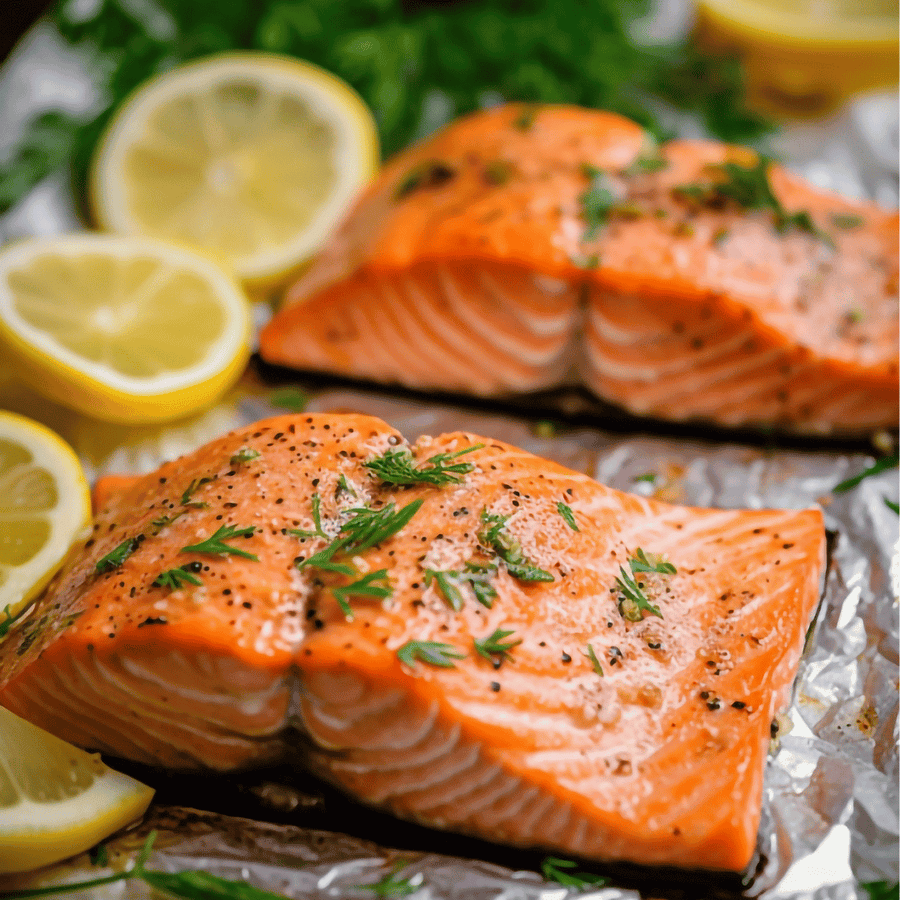
Craving a healthy, restaurant-quality dinner but only have frozen salmon on hand? You don’t need to thaw it for hours, master complex cooking techniques, or order takeout to enjoy juicy, flavorful salmon any night of the week. Cooking frozen salmon in the oven is a foolproof, low-effort method that delivers perfectly cooked, flaky fish in 30 minutes or less, no special skills required. Whether you’re a busy parent, a meal prep enthusiast, or someone who hates wasting food, this guide walks you through every step, from prep to serving, with tested tips to avoid common mistakes like sogginess or overcooking.
Why Cook Frozen Salmon Straight from the Freezer?
Many home cooks assume frozen salmon is lower quality than fresh, but that’s a common myth. Most frozen salmon is flash-frozen at sea within hours of being caught, locking in peak freshness, nutrients, and flavor that often exceeds "fresh" salmon that has been transported and stored for days before purchase. Beyond taste, cooking frozen salmon straight from the freezer offers three key benefits:
Unmatched Convenience
Frozen salmon has a shelf life of 6-12 months when stored at 0°F (-18°C) or below, so you can keep it on hand for last-minute meals without worrying about spoilage. No more rushed grocery runs after work or tossing out fresh fish that went bad before you had time to cook it.
Budget-Friendly Nutrition
Frozen salmon is almost always more affordable than fresh wild-caught salmon, especially when purchased in family-sized packs or during sales. It’s a cost-effective way to incorporate a high-quality, nutrient-dense protein into your weekly meal plan without breaking the bank.
Consistent Nutrient Profile
Salmon is one of the most nutrient-dense protein sources available, packed with heart-healthy omega-3 fatty acids that the FDA links to reduced risk of cardiovascular disease, per FDA guidance on omega-3 fatty acids and health. Freezing locks in these nutrients at their peak, so you get the same nutritional benefits as fresh salmon with zero extra effort.
Prepping Frozen Salmon for Oven Baking
Proper prep is the difference between soggy, under-seasoned salmon and crispy, flavorful, restaurant-quality results. Follow these simple steps to set your baked frozen salmon up for success:
Pat Off Excess Ice First
A common mistake home cooks make is skipping this step: frozen salmon often has a layer of surface ice crystals from storage. Pat the fillets dry thoroughly with a paper towel before seasoning to eliminate excess moisture. This prevents the salmon from steaming in the oven instead of roasting, which leads to soggy skin and muted flavor.
Thawing Options (If Desired)
While thawing is not required, it can reduce cooking time by 5-7 minutes and produce a slightly firmer texture. For best results, thaw salmon overnight in the refrigerator. If you need it faster, place the sealed fillets in a bowl of cold water, changing the water every 10 minutes, for 30 minutes total. Never use warm water or the microwave to thaw salmon, as these methods cook the edges unevenly and lead to rubbery texture.
Seasoning for Optimal Flavor
Frozen salmon’s mild, neutral flavor pairs well with bold, simple seasonings. Start by brushing each fillet with a thin layer of olive oil or melted butter — this helps seasoning adhere and keeps the fish moist during baking. For a classic base, use kosher salt, black pepper, and a sprinkle of lemon zest. Add garlic powder, smoked paprika, dried oregano, or fresh dill for extra depth. Avoid heavy, wet marinades that will slide off the frozen surface; stick to oil-based mixtures or dry rubs for even coverage.
Choosing the Right Bakeware
A rimmed baking sheet lined with parchment paper is the best option for frozen salmon: the rim catches any drips, parchment prevents sticking, and it allows for even heat circulation. Avoid glass or ceramic dishes for crispy skin, as they retain more moisture and will steam the salmon. A sturdy kitchen cleaning brush makes quick work of scrubbing salmon residue off cutting boards and utensils after prep.
No-Thaw Frozen Oven Salmon Base Recipe
This simple, no-fuss recipe is the perfect starting point for frozen salmon, delivering crispy skin, flaky flesh, and bright, fresh flavor in 30 minutes or less. It works for all standard 6-8 ounce skin-on salmon fillets, and can be easily customized with your favorite seasonings.
Ingredients
| Ingredient | Amount | Notes |
|---|---|---|
| Frozen salmon fillets (skin-on recommended) | 2 (6-8 oz each) | Avoid pre-seasoned frozen fillets for best control over flavor |
| Olive oil or melted butter | 2 tablespoons | |
| Kosher salt | 1 teaspoon | |
| Black pepper | 1/2 teaspoon | |
| Lemon | 1 (sliced, plus 1 tablespoon juice) | |
| Optional add-ins | 1 tsp garlic powder, 1 tsp smoked paprika, 2 tbsp fresh dill |
Step-by-Step Instructions
- Preheat your oven to 425°F (220°C) and position the rack in the middle of the oven. Proper preheating ensures even cooking and prevents the salmon from drying out.
- Line a rimmed baking sheet with parchment paper, then pat the frozen salmon fillets dry with a paper towel to remove all excess ice crystals.
- Drizzle the olive oil over the fillets and rub gently to coat the entire surface, including the skin. This helps the seasoning stick and keeps the flesh moist.
- Sprinkle the salt, pepper, and any optional add-ins evenly over the fillets, then top each with a lemon slice.
- Place the fillets skin-side down on the prepared baking sheet, leaving 1 inch of space between each fillet for air circulation. Do not cover with foil, as this will steam the salmon and prevent the skin from crisping. If you prefer extra moist flesh, you can tent the fillets loosely with foil for the first 15 minutes of cooking, then uncover for the final 10 minutes to crisp the skin.
- Bake for 20-25 minutes, until the salmon flakes easily with a fork and reaches an internal temperature of 145°F (63°C). The USDA recommends cooking all fish to this internal temperature to eliminate harmful pathogens, per USDA safe fish handling guidelines.
- Remove the salmon from the oven and let it rest for 5 minutes, tented loosely with foil if desired. Resting allows the juices to redistribute throughout the fish, resulting in a more moist, flavorful final product.
 Patting off excess ice crystals before baking prevents sogginess and ensures even cooking.
Credit: downshiftology.com
Patting off excess ice crystals before baking prevents sogginess and ensures even cooking.
Credit: downshiftology.com
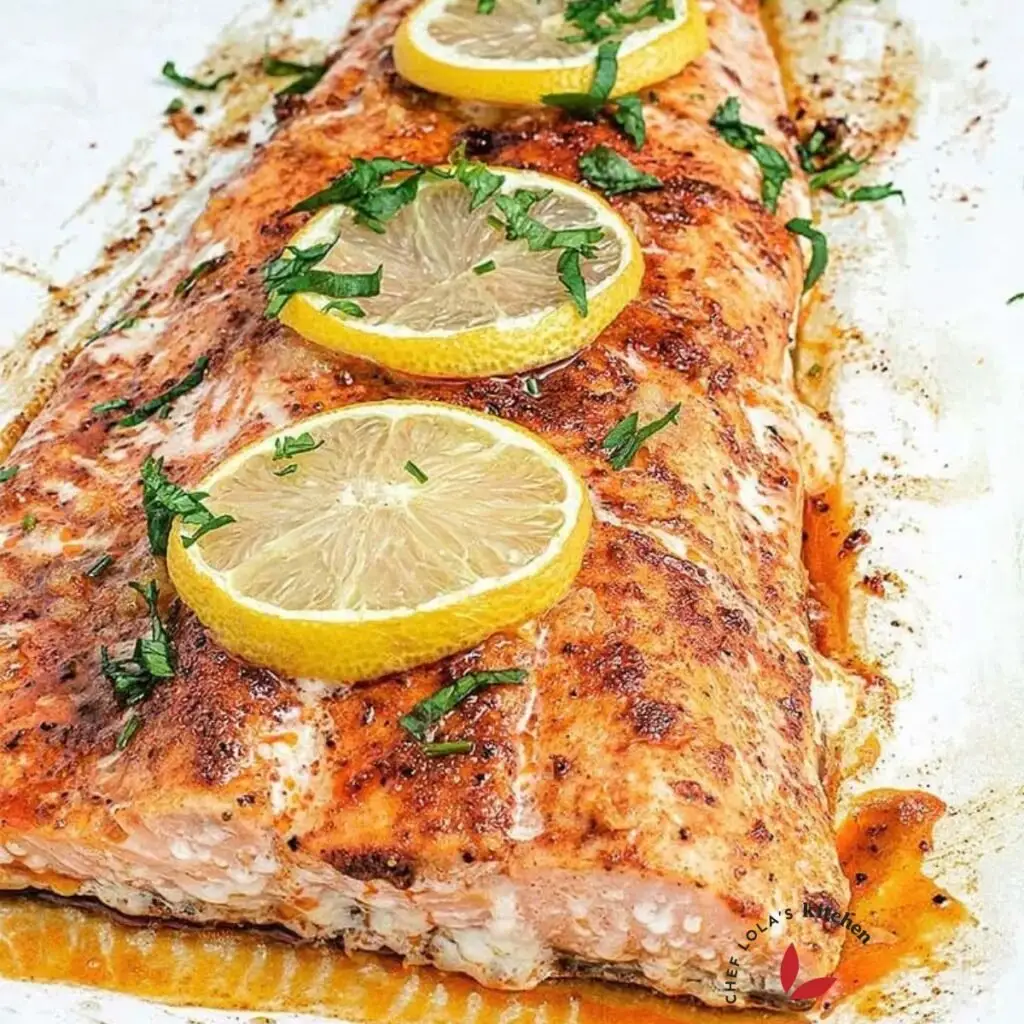 A perfectly cooked frozen salmon fillet will flake easily with a fork and have an opaque, moist interior.
Credit: cheflolaskitchen.com
A perfectly cooked frozen salmon fillet will flake easily with a fork and have an opaque, moist interior.
Credit: cheflolaskitchen.com
Quick Flavor Variations for Frozen Oven Salmon
The base recipe is endlessly customizable to suit any taste preference. Try these tested, low-effort variations to switch up your weekly salmon rotation:
Lemon Herb
This bright, fresh combination is perfect for light, low-effort meals.
- 2 tablespoons fresh lemon juice
- 1 tablespoon chopped fresh dill or parsley
- 1 teaspoon garlic powder
- Mix all ingredients with 1 tablespoon of olive oil, then brush over the salmon before baking.
Garlic Butter
Rich, savory, and perfect for pairing with roasted veggies or mashed potatoes.
- 3 tablespoons melted butter
- 2 cloves minced garlic
- 1/4 teaspoon smoked paprika
- Mix all ingredients, then brush over the salmon before baking. For extra richness, add a sprinkle of parmesan cheese during the last 5 minutes of cooking.
Asian-Inspired Glaze
Sweet, savory, and sticky, this glaze pairs perfectly with steamed rice or stir-fried veggies.
| Ingredient | Amount |
|---|---|
| Low-sodium soy sauce or tamari | 2 tablespoons |
| Honey | 1 tablespoon |
| Grated fresh ginger | 1 teaspoon |
| Minced garlic | 1 clove |
| Rice vinegar | 1 teaspoon |
| Mix all ingredients until fully combined, then brush over the salmon before baking. For glazes with honey or sugar, reduce the oven temperature to 400°F (200°C) for the last 10 minutes of cooking to prevent burning. |
Honey Mustard
Sweet, tangy, and kid-friendly, this glaze is a hit with picky eaters.
- 2 tablespoons Dijon mustard
- 1 tablespoon honey
- 1 teaspoon olive oil
- Mix all ingredients, then brush over the salmon before baking.
For post-bake cleanup of caramelized glaze, a heavy-duty kitchen cleaning scrub brush cuts through stuck-on sugar without scratching bakeware.
Perfect Side Dishes for Baked Frozen Salmon
The right side dish balances the rich, fatty flavor of salmon and turns a simple weeknight meal into a satisfying, nutrient-dense feast. For minimal cleanup, try roasting veggies on the same baking sheet as your salmon for the final 15 minutes of cooking — just toss them with olive oil, salt, and pepper, and arrange them around the salmon fillets. Top pairings include:
Roasted Vegetables
Carrots, bell peppers, asparagus, and broccoli all roast beautifully alongside salmon, caramelizing to a sweet, crispy finish. Toss with fresh thyme or rosemary for extra aroma, or add a sprinkle of parmesan cheese during the last 5 minutes of cooking for extra savoriness.
Whole Grains
Fluffy jasmine rice, nutty quinoa, or buttery couscous all soak up salmon drippings and glaze for a cohesive, flavorful meal. Toss cooked grains with a squeeze of lemon juice and chopped parsley for a bright, fresh contrast to the rich fish.
Crisp Salads
A simple green salad with mixed greens, cherry tomatoes, cucumber, and a light vinaigrette adds a refreshing, crunchy contrast to warm baked salmon. Add avocado slices or crumbled feta for extra creaminess and richness.
A complete kitchen cleaning brush set is ideal for scrubbing potatoes, carrots, and other root veggies before roasting.
 Pairing baked salmon with roasted veggies and whole grains creates a balanced, nutrient-dense meal.
Credit: mowisalmon.us
Pairing baked salmon with roasted veggies and whole grains creates a balanced, nutrient-dense meal.
Credit: mowisalmon.us
Pro Tips for Foolproof Frozen Salmon in the Oven
Even first-time cooks can pull off perfect baked frozen salmon with these tested, experience-backed tips:
- Don’t overcrowd the pan: Leave at least 1 inch of space between fillets for air circulation. Overcrowding causes the salmon to steam instead of roast, leading to soggy skin and uneven cooking.
- Skin-on is best: Skin acts as a protective barrier for the delicate flesh, keeping it moist during cooking, and crisps up beautifully when roasted uncovered.
- Use a food thermometer for accuracy: Don’t rely on flakiness alone, especially for thick fillets. Insert a thermometer into the thickest part of the fish, avoiding the bone, for the most accurate doneness reading.
- Broil for extra crisp skin: If you love ultra-crispy skin, switch the oven to broil for the final 2-3 minutes of cooking. Watch closely to avoid burning.
- Avoid overcooking: Salmon continues to cook for a few minutes after being removed from the oven (called carryover cooking). Pull it from the oven when it hits 140°F (60°C) if you prefer medium, or 145°F (63°C) for well-done, and let it rest to reach the final temperature.
- Cleanup hack: For baked-on salmon residue that won’t budge, a non-scratch professional cleaning brush is designed to tackle tough messes without damaging non-stick surfaces.
Troubleshooting Common Frozen Salmon Baking Issues
Even with the best prep, small mishaps can happen. Here’s how to fix the most common frozen salmon baking problems:
Sticking to the Pan
If your salmon sticks when you try to lift it, it’s not ready to release. Wait 2-3 more minutes, then gently slide a thin spatula under the fillet — it should lift easily once the skin is crisp. Always use parchment paper or a well-greased non-stick baking sheet to prevent sticking in the first place.
Uneven Cooking
Uneven cooking is almost always caused by varying fillet thickness or overcrowding the pan. Choose fillets that are similar in size, leave space between them for air circulation, and rotate the baking sheet halfway through cooking for even heat exposure. For very thick fillets (over 1 inch), reduce the oven temperature to 400°F (200°C) and add 5-10 minutes of cooking time.
Soggy Skin
Soggy skin is usually caused by excess surface ice or covering the salmon with foil for the full cooking time. Always pat fillets dry before seasoning, and roast uncovered for at least the final 10 minutes of cooking. For extra crispness, broil for the last 2-3 minutes.
Overcooked, Dry Salmon
Overcooking is the most common cause of dry, tough salmon. Set a timer for the minimum recommended cooking time for your fillet size, and check for doneness early. If the salmon is done before the timer goes off, pull it from the oven immediately and let it rest.
Frequently Asked Questions
How long do I cook frozen salmon in the oven?
For standard 6-8 ounce frozen salmon fillets baked at 425°F (220°C), cook for 20-25 minutes. Thicker 1-inch+ fillets or salmon blocks will need 25-35 minutes. Always verify doneness with a food thermometer inserted into the thickest part of the fish, rather than relying solely on time.
Do I need to thaw salmon before baking?
No, thawing is completely optional for oven baking. Cooking salmon directly from frozen is safe and produces tender, flavorful results, though thawed salmon will cook 5-7 minutes faster and have a slightly firmer texture. If you do choose to thaw, use the refrigerator overnight method for best results, or the cold water method for a faster 30-minute thaw.
What temperature is best for baking frozen salmon?
425°F (220°C) is the ideal temperature for most frozen salmon fillets, as it cooks the fish quickly enough to prevent drying out while creating a lightly crisp exterior. For glazed or marinated fillets with sugary ingredients, reduce the temperature to 400°F (200°C) to prevent burning before the fish is cooked through.
Can I season frozen salmon before baking?
Yes, and seasoning frozen salmon is even easier than thawed, as the frost on the surface helps seasoning adhere when paired with a thin layer of oil. Avoid heavy, wet marinades that will slide off the frozen surface; stick to dry rubs, oil-based marinades, or simple sprinkles of salt, pepper, and herbs for best results.
Can I cook frozen salmon burgers or blocks in the oven?
Yes! Frozen salmon burgers cook in 18-22 minutes at 425°F, while 1-inch thick frozen salmon blocks need 30-35 minutes. Flip burgers or blocks halfway through cooking for even browning.
How do I store leftover baked frozen salmon?
Store leftover cooked salmon in an airtight container in the refrigerator for 3-4 days. Reheat in the oven at 350°F (175°C) for 8-10 minutes to avoid drying out, or flake and use in salads, sandwiches, or pasta dishes.
Is frozen salmon as nutritious as fresh salmon?
Yes — most frozen salmon is flash-frozen at peak freshness within hours of being caught, locking in the same omega-3s, protein, and vitamins as fresh salmon. In some cases, frozen salmon is more nutritious than fresh fish that has been transported and stored for several days before purchase.
Conclusion
Cooking frozen salmon in the oven is one of the easiest, most reliable ways to get a nutritious, restaurant-quality meal on the table in under 30 minutes, no special skills or advance planning required. Whether you stick to the simple lemon-herb base recipe or experiment with bold global glazes, this method works for every taste and schedule, and it’s perfect for busy weeknights, meal prep, or last-minute dinner parties. With a few simple tips, you’ll never have to settle for dry, bland takeout salmon again. For more quick, tested dinner recipes, kitchen hacks, and meal prep guides, browse our full blog for ideas to make weeknight cooking even easier.

Hi, I’m Daniel Brooks—a food lover and kitchen gear enthusiast. I enjoy testing cookware, utensils, and gadgets to see what really works in everyday cooking. At PlugChef.com, I share honest reviews, comparisons, and simple guides to help you choose the best tools for a safer, smarter, and more enjoyable kitchen.
Related posts:
 How to Make a Fruit Basket for a Gift: Easy DIY Guide
 Do You Need a Basket? Essential Guide for Air Fryers
 How to Adjust Syrup Dispenser Pressure: Expert Tips
 Affresh Kitchen And Appliance Cleaner W10355010: Ultimate Guide
 Kitchen Color Ideas With White Appliances: Stunning Combinations
 Kitchen With Stainless Steel Appliances And White Cabinets: Elegance Redefined

