

A great mimosa is the cornerstone of any memorable brunch, but getting it right depends almost entirely on your choice of bubbly. Too sweet, and it clashes with tart orange juice to create a cloying, syrupy mess. Too harsh or low-quality, and it falls flat after one sip, leaving you with a drink that tastes more like harsh alcohol than a refreshing celebratory sip. The right champagne doesn’t have to break the bank — it just needs to balance the bright acidity of orange juice, hold its carbonation when mixed, and match the tone of your gathering, whether it’s a casual weeknight treat or a milestone celebration. In this guide, we’ll break down the best styles, budget picks, premium options, and pro serving tips to help you pour perfect mimosas every time.
Why the Right Champagne Makes or Breaks Your Mimosa
The classic mimosa ratio is 1:1 champagne and orange juice, meaning the bubbly is just as prominent as the juice in every sip. A well-chosen bottle will stand up to the tartness of fresh-squeezed OJ without overpowering it, while its carbonation will keep the drink light and refreshing rather than heavy. While “Champagne” is a protected appellation referring only to sparkling wine produced in France’s Champagne region, following strict official appellation guidelines for grape varieties and production methods, any sparkling wine works for mimosas if it has the right balance of sweetness, acidity, and bubble persistence. The biggest mistake home hosts make is grabbing the cheapest bottle of bubbly on the shelf, only to end up with a flat, overly sweet drink that no one wants to finish.
Top Champagne Styles for Mimosa Mixing
Different champagne styles bring distinct flavor profiles to mimosas, so your pick should match your taste preferences and the juice you’re using.
Brut Champagne
Brut is the most popular choice for mimosas for good reason: with less than 12g of residual sugar per liter, it’s crisp, dry, and packed with bright citrus, green apple, and subtle brioche notes that complement OJ without getting lost. It holds carbonation extremely well, making it ideal for batch mimosas or large gatherings where drinks will sit for 20+ minutes. In practice, Brut is the most versatile pick for classic, no-fuss mimosas that appeal to every guest, and it pairs equally well with tart, fresh-squeezed juice and sweeter store-bought options.
Extra Dry Champagne
Despite its name, Extra Dry is slightly sweeter than Brut, with 12-17g of residual sugar per liter. It has subtle stone fruit and honey notes, with a smooth, slightly creamy mouthfeel that softens the sharpness of tart OJ. This is the perfect middle ground if you want a touch of sweetness without making your mimosa taste like a dessert drink, and it pairs especially well with OJ that has a higher natural sugar content.
Blanc de Blancs Champagne
Made exclusively from Chardonnay grapes, Blanc de Blancs has a light, elegant body with bright floral, citrus, and wet stone minerality notes. Its crisp, clean profile makes it perfect for spring and summer brunches, especially when paired with tart, not-too-sweet orange juice. It’s also an excellent pick if you’re adding extra flavor twists to your mimosa, like a splash of grapefruit juice or a sprig of rosemary, as its subtlety won’t clash with other ingredients.
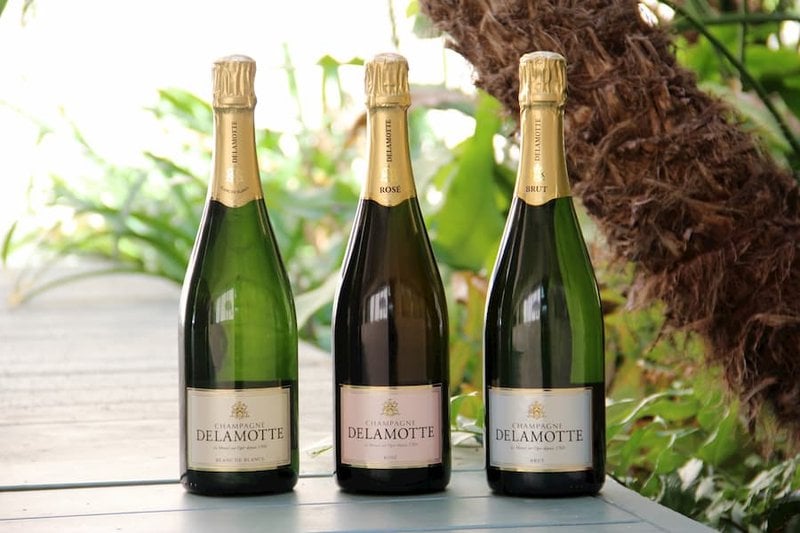 This crisp, citrus-forward Blanc de Blancs is a top pick for bright, refreshing mimosas.
Credit: www.vinovest.co
This crisp, citrus-forward Blanc de Blancs is a top pick for bright, refreshing mimosas.
Credit: www.vinovest.co
Rosé Champagne
Rosé gets its soft pink hue and subtle berry notes from short skin contact with red Pinot Noir grapes during production. It has hints of strawberry, raspberry, and red currant, plus the same crisp acidity as traditional Brut Champagne. Rosé is a festive, eye-catching choice for special occasions like bridal showers, Mother’s Day, or Valentine’s Day brunches, and pairs beautifully with blood orange juice for an extra vibrant, berry-forward twist.
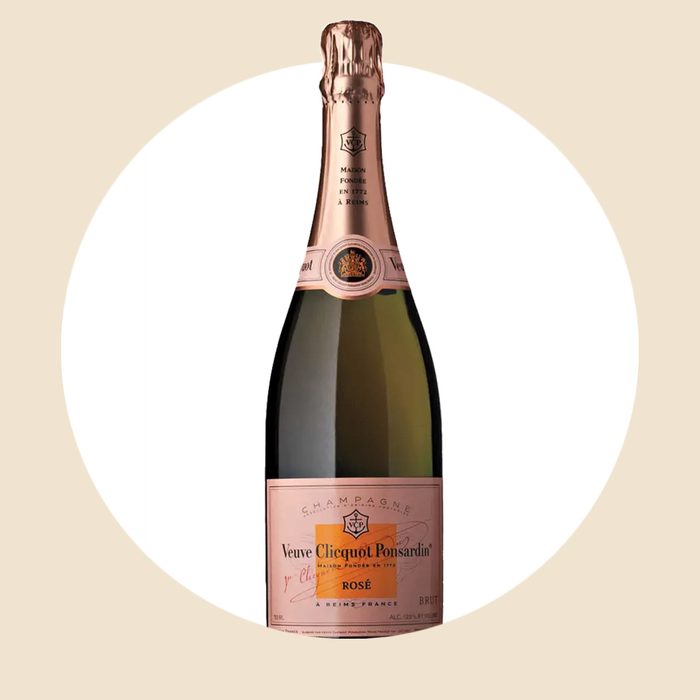 Rosé champagne adds subtle berry notes and a vibrant pink hue to mimosas, perfect for special celebrations.
Credit: www.tasteofhome.com
Rosé champagne adds subtle berry notes and a vibrant pink hue to mimosas, perfect for special celebrations.
Credit: www.tasteofhome.com
Budget-Friendly Champagne Picks That Don’t Skimp on Quality
You don’t need to spend $50 or more on a bottle of bubbly for great mimosas. These picks all deliver consistent flavor and carbonation for under $40, making them perfect for large crowds or casual weeknight brunches.
Reliable Entry-Level Champagne Houses
Big commercial Champagne houses offer entry-level non-vintage bottles that are perfectly suited for mimosas, with consistent, crowd-pleasing flavor profiles. Nicolas Feuillatte Brut Reserve and Piper-Heidsieck Brut are two widely available options under $35, with bright citrus notes and clean, persistent bubbles that hold up well when mixed with OJ. These are ideal for 10+ person gatherings, as their balanced, approachable flavor appeals to almost every palate.
Supermarket Sparkling Steals
If you can’t find an affordable bottle of true Champagne, look for Crémant from France’s Loire Valley, Alsace, or Burgundy regions. Crémant is made with the same traditional production method as Champagne, but costs 30-50% less due to its appellation rules. Brut Crémant has crisp lemon and apple notes, with lively bubbles that work perfectly in mimosas. Avoid cheap “champagne-style” sparkling wines from unknown producers, which often have added sugar and artificial flavors that will ruin your drink.
Grower Champagne Gems
For a step up in quality without luxury pricing, look for grower Champagnes labeled Récoltant-Manipulant (RM), which means the bottle is produced by a small, family-owned vineyard that grows its own grapes, rather than a large commercial house. Grower Champagnes from the Côte des Bar or Côte de Sézanne regions often cost $30-$45, with unique terroir-driven notes of white peach, wet stone, and citrus that add a special touch to your mimosa without the markup of big brand names.
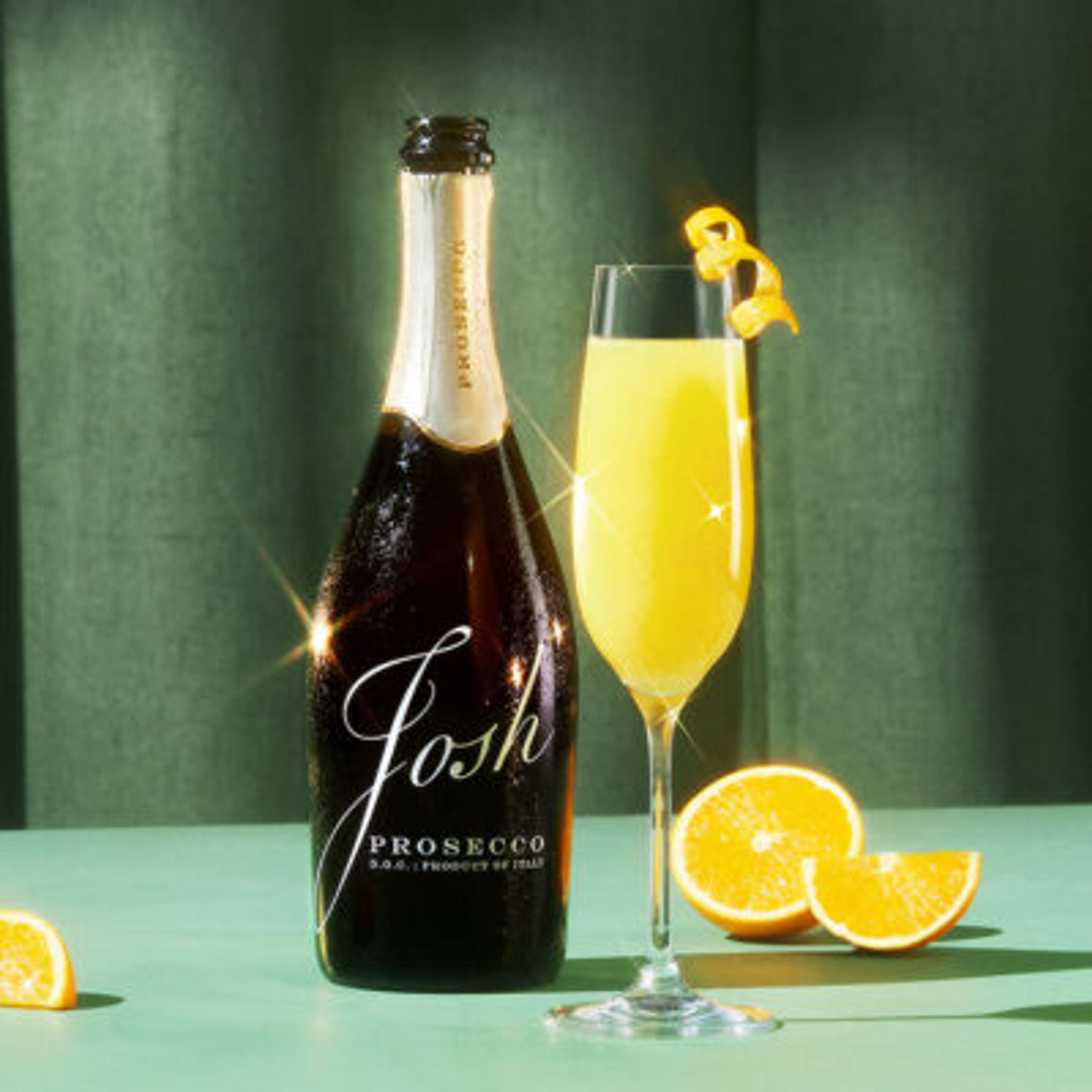 This approachable, fruit-forward sparkling wine works perfectly for large brunch batches without breaking the bank.
Credit: www.joshcellars.com
This approachable, fruit-forward sparkling wine works perfectly for large brunch batches without breaking the bank.
Credit: www.joshcellars.com
Premium Champagne Selections for Milestone Occasions
For weddings, anniversaries, milestone birthdays, or holiday gatherings, a premium bottle of Champagne adds a touch of luxury that makes the event feel extra special.
Iconic Luxury Champagne Houses
Moët & Chandon Impérial, Veuve Clicquot Yellow Label, and Taittinger Brut Reserve are widely recognized luxury options, with well-rounded, toasty, and fruit-forward profiles that pair seamlessly with OJ. Their iconic branding also makes them perfect for toast photos and as a centerpiece for your brunch table. If you want to splurge for a truly special occasion, Dom Pérignon is a vintage-only luxury option with deep, complex notes of brioche, stone fruit, and toasted almond that hold their own even when mixed with juice.
Vintage Champagnes
Vintage Champagnes are produced only in exceptional harvest years, with recent excellent vintages including 2012, 2015, and 2018. They are aged for a minimum of 5 years (compared to 15 months for non-vintage Champagne), giving them deeper, more nuanced notes of honey, dried fruit, and spice. While the subtle differences between vintage and non-vintage Champagne are often masked in mimosas, a vintage bottle is a great pick for connoisseur guests, or for occasions where you’ll also be serving the Champagne straight.
Limited-Edition Releases
Many top Champagne houses release limited-edition bottles with custom blends or packaging for holidays, anniversaries, or artist collaborations. These are perfect for gifting, or for making a milestone brunch feel unforgettable. For example, Veuve Clicquot’s annual Rosé limited edition features unique artwork on the label, making it a memorable talking point for your guests.
Alternative Sparkling Wines for Delicious, Low-Cost Mimosas
If you don’t want to splurge on true Champagne, these sparkling wines work just as well, if not better, for mimosas.
Prosecco
Italian DOCG sparkling wine from the Veneto and Friuli regions, made with the Charmat method (secondary fermentation in large tanks, rather than individual bottles) that gives it softer, more fruit-forward bubbles. Brut Prosecco has notes of green apple, pear, and white peach, with a slightly sweeter profile than Champagne that pairs perfectly with sweeter OJ or a splash of peach nectar. It’s usually 30-50% cheaper than entry-level Champagne, making it ideal for large crowds.
Cava
Spanish sparkling wine from the Penedès region, made with the same traditional method as Champagne, using native grapes like Macabeo, Parellada, and Xarel·lo. Brut Cava has bright lemon, green apple, and subtle almond notes, with lively, persistent bubbles and a crisp, dry finish. It’s often 40-60% cheaper than Champagne, and holds carbonation better than Prosecco, making it great for batch mimosas that will sit for a while before serving.
American Sparkling Wines
Produced in regions like California’s Carneros, Oregon’s Willamette Valley, and New York’s Finger Lakes, American sparkling wines use traditional or Charmat methods, with flavor profiles ranging from crisp citrus to ripe stone fruit. Many domestic options rival entry-level Champagne in quality, at a 20-40% lower price point. Look for bottles from reputable producers like Schramsberg or Domaine Carneros for consistent, brunch-ready bubbles.
Pro Tips for Serving Flawless Mimosas Every Time
Small details make a huge difference in the final drink.
Master the Chilling Process
Champagne and sparkling wine should be served at 45-50°F (7-10°C) for optimal flavor and carbonation. For quick chilling, submerge the bottle in an ice bucket with a 1:1 ratio of ice and water for 15 minutes — this chills it 3x faster than ice alone. Never store sparkling wine in the freezer, as it can cause the bottle to explode, or flatten the bubbles from rapid temperature changes. A common mistake is leaving the bottle out on the counter while prepping garnishes and glasses, which warms it up and kills carbonation — keep it in the fridge or ice bucket until you’re ready to pour.
Choose the Best Orange Juice
Fresh-squeezed, pulp-free OJ is the gold standard for mimosas, with bright, natural sweetness and no off-flavors from pasteurization. If using store-bought, look for 100% juice with no added sugar or preservatives, and avoid “from concentrate” options, which often have a flat, artificial taste. For extra brightness, add a splash of fresh lemon juice to tart OJ to balance sweetness, or use a mix of orange and blood orange juice for a more complex flavor. If you’re prepping garnishes ahead of time, our guide to keeping fruit garnishes fresh will keep your orange slices looking bright all morning.
Perfect Your Pour and Garnish
Use a flute glass to showcase the bubbles and keep them from dissipating too quickly — coupe glasses are a fun vintage alternative, but they lose carbonation 2x faster. Always pour the OJ first, then slowly add the champagne down the side of the glass to preserve bubbles, rather than pouring directly into the OJ which causes excess fizz and overflow. For garnishes, stick to simple options: a thin orange twist, a fresh raspberry, or a small sprig of mint. Avoid heavy garnishes like fruit skewers, which take away from the drink’s crisp, refreshing profile.
Store Leftover Bubbly Correctly
If you have leftover champagne or sparkling wine after brunch, use a specialized sparkling wine stopper (not a regular cork) to seal the bottle tightly. Store it upright in the fridge, rather than on its side — this keeps the carbon dioxide dissolved in the liquid, rather than escaping through the cork. Properly stored leftover bubbly will stay fizzy and drinkable for 3-5 days, perfect for a midweek mimosa treat.
Batch Mimosas for a Crowd
If you’re hosting 8+ people, pre-mix a batch of mimosas in a punch bowl to save time. Add 1 bottle of champagne (or sparkling wine) per 4 servings, mixed with chilled OJ, right before guests arrive — don’t mix it ahead of time, or the bubbles will go flat within 30 minutes. For extra flair, add a splash of cranberry juice or a handful of fresh berries to the punch bowl for a festive twist. Pair your batch mimosas with savory brunch casseroles or creamy brunch dips for a full, balanced spread.
Frequently Asked Questions
What type of champagne is best for mimosas?
Brut or Extra Dry Champagne is the ideal choice for most mimosas. Brut is drier and crisp, perfect for classic, refreshing drinks, while Extra Dry has a touch of sweetness that pairs well with sweeter OJ or fruit garnishes. Avoid Doux (sweet) Champagne, which will make your mimosa overly cloying and syrupy.
Can I use sparkling wine instead of Champagne?
Absolutely. Sparkling wine from any region works perfectly for mimosas, and is often a more budget-friendly option for large crowds. Prosecco, Cava, and American sparkling wines all have the carbonation and flavor profile to pair well with orange juice. The only difference is that true Champagne has more complex, toasty notes from aging, which are often masked in mixed drinks, so you won’t be missing out by using a cheaper sparkling wine.
Should champagne be chilled before making mimosas?
Yes, always chill your champagne or sparkling wine before mixing mimosas. Cold temperatures preserve carbonation and enhance the crisp, fruity flavors of the bubbly. Serving warm champagne will make your mimosa flat and taste harsh and alcoholic, rather than bright and refreshing. Aim for 45-50°F (7-10°C) for the best results.
What’s the standard champagne to orange juice ratio for mimosas?
The classic mimosa ratio is 1:1, equal parts champagne and orange juice (3 ounces of each per serving). Adjust to taste: add more champagne for a stronger, boozier drink, or more OJ for a lighter, family-friendly option. For batch mimosas, use 1 bottle of champagne (750ml) per 4 servings, mixed with 750ml of chilled OJ.
Can I use leftover champagne from a previous night for mimosas?
Yes, as long as it’s stored properly with a sparkling wine stopper, upright in the fridge. Leftover champagne will stay fizzy and drinkable for 3-5 days. After 5 days, it will start to go flat and develop a vinegary taste, so it’s not ideal for mimosas. If your leftover champagne is already flat, use it in a different cocktail or for cooking instead.
Conclusion
The best champagne for mimosas depends on your taste, budget, and occasion, but you don’t need to overspend to pour a perfect drink. Brut is the classic, versatile choice for most brunches, while Extra Dry is perfect if you prefer a touch of sweetness, Blanc de Blancs for bright, citrusy spring sips, and Rosé for festive celebrations. For large crowds or casual gatherings, entry-level Champagne, Crémant, Prosecco, and Cava all deliver great flavor without the luxury price tag. Follow the pro serving tips above to keep your mimosas fizzy and balanced all morning long.
Ready to build your perfect brunch spread? Explore our brunch hosting guides for more crowd-pleasing recipes and serving tips, including freshly ground coffee to pair with your mimosas, or a refreshing brunch cocktail for guests who prefer still drinks.

Hi, I’m Daniel Brooks—a food lover and kitchen gear enthusiast. I enjoy testing cookware, utensils, and gadgets to see what really works in everyday cooking. At PlugChef.com, I share honest reviews, comparisons, and simple guides to help you choose the best tools for a safer, smarter, and more enjoyable kitchen.
Related posts:
 Rev a Shelf Drawer Organizers: Transform Your Space Effortlessly
 2 Tier Drying Dish Rack: Ultimate Space-Saving Solution
 Wall Mounted Dish Drying Rack Ikea: Space-Saving Solutions
 Why Pineapple Belongs on Pizza: Deliciously Bold Flavor Fusion
 How to Reheat a Brisket: Easy Tips for Juicy, Tender Meat
 What Goes Good With Pizza: Delicious Pairings You Must Try

