
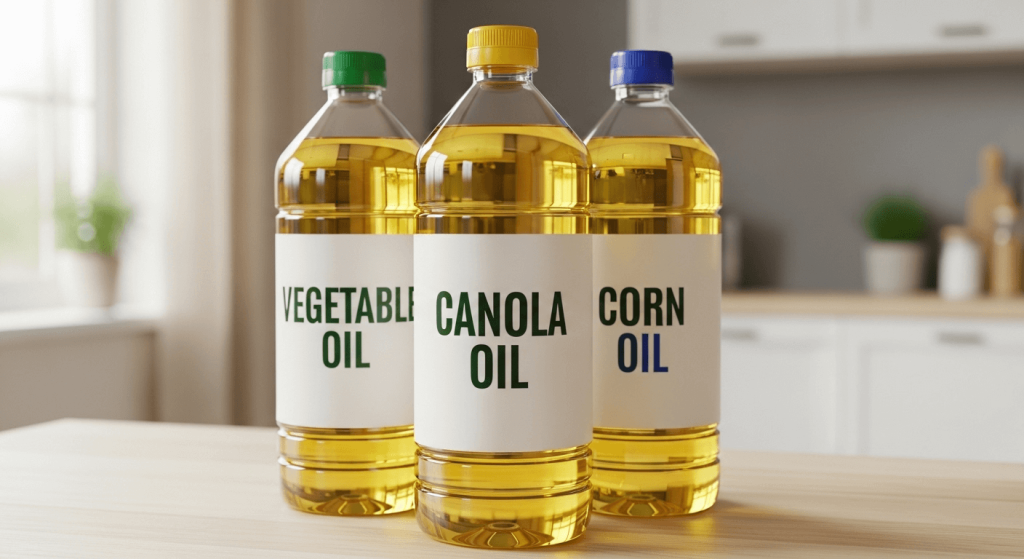
Choosing the right cooking oil can be confusing. You might wonder if vegetable oil, canola oil, or corn oil is best for your health and recipes.
Each oil has its own taste, benefits, and uses. But which one suits your kitchen and your lifestyle? By the time you finish reading, you’ll have a clear answer that helps you cook smarter and eat healthier. Let’s dive in and find out what makes these oils different—and which one fits your needs perfectly.
Types Of Cooking Oils
Cooking oils are essential in kitchens worldwide. They add flavor and texture to meals. Different oils suit various cooking methods and dishes. Understanding the types helps choose the right one for health and taste.
Common Vegetable Oils
Vegetable oils come from plants like soybeans, sunflowers, and olives. They are popular due to mild flavors and high smoke points. These oils work well for frying, baking, and dressings. Each has unique benefits and nutritional values.
- Soybean oil: Neutral taste, good for frying.
- Sunflower oil: Light flavor, rich in vitamin E.
- Olive oil: Strong taste, best for salads and low-heat cooking.
Canola Oil Basics
Canola oil comes from the canola plant seeds. It has a light flavor and high smoke point. This makes it ideal for frying and baking. Canola oil contains omega-3 fatty acids, which are good for the heart. It is low in saturated fat, supporting healthy diets.
Corn Oil Characteristics
Corn oil is extracted from corn kernels. It has a mild taste and high smoke point. Corn oil is often used for frying and grilling. It contains antioxidants like vitamin E. The oil is rich in polyunsaturated fats, which help reduce bad cholesterol.

Credit: www.threads.com
Nutritional Profiles
Vegetable, canola, and corn oils each have unique nutritional profiles. Knowing these helps choose the right oil for cooking or health needs. These oils provide fats, vitamins, and calories in different amounts.
Fat Composition
Canola oil is high in monounsaturated fats, which support heart health. Corn oil contains more polyunsaturated fats, including omega-6 fatty acids. Vegetable oil blends vary but usually have a mix of saturated, monounsaturated, and polyunsaturated fats. Saturated fat levels are lowest in canola oil and highest in some vegetable oil blends.
Vitamins And Antioxidants
Vegetable and corn oils offer vitamin E, an antioxidant that protects cells. Canola oil contains some vitamin K, important for blood clotting. Antioxidants in these oils help reduce damage from free radicals. The amounts vary but contribute to overall nutrient intake.
Caloric Content
All three oils provide about 120 calories per tablespoon. The calorie count is similar because they are pure fats. Using the right amount is important for managing daily calorie intake. Calories come mainly from fats, so portion control matters.
Health Benefits
When considering oils for cooking, the health benefits of vegetable, canola, and corn oils are often highlighted. These oils, commonly found in many kitchens, are not just versatile in cooking but also come with various health benefits. Understanding these can help you make healthier choices in your daily meals.
Heart Health Impact
Both canola and corn oils are known for their positive impact on heart health. They contain high levels of unsaturated fats, which can help lower bad cholesterol levels. This reduction is crucial in decreasing the risk of heart diseases. Including these oils in your diet can be a simple way to take care of your heart. Imagine adding a splash of canola oil to your salad and knowing it’s a step towards a healthier heart!
Inflammation And Oxidative Stress
Vegetable oils like canola and corn can play a role in reducing inflammation. They contain antioxidants, which combat oxidative stress in your body. This is vital for reducing the risk of chronic diseases. By choosing these oils, you can make a small but significant change to promote overall wellness.
Weight Management Effects
Are you trying to manage your weight? These oils can assist in that journey. They are lower in saturated fats compared to other cooking oils. This means you can still enjoy flavorful meals without compromising on health. It’s a win-win situation for those keen on staying fit while savoring delicious dishes.
Incorporating these oils into your diet can be a practical and effective way to enhance your health. Are you ready to make the switch for a healthier lifestyle?
Cooking Performance
Understanding the cooking performance of vegetable, canola, and corn oils can help you choose the right oil for your kitchen needs. Each oil behaves differently under heat and influences the taste and texture of your dishes. Let’s break down how these oils stack up in terms of smoke point, flavor, and cooking versatility.
Smoke Point Comparison
The smoke point tells you the temperature at which an oil starts to burn and smoke, affecting both flavor and safety.
| Oil Type | Smoke Point (°F) | Best Use |
|---|---|---|
| Vegetable Oil | 400-450 | Frying, sautéing, baking |
| Canola Oil | 400-450 | High-heat cooking, roasting |
| Corn Oil | 450 | Deep frying, grilling |
Notice how corn oil tends to have the highest smoke point, making it ideal for intense heat. Canola and vegetable oils share a similar range, which covers most everyday cooking methods.
Flavor And Versatility
Flavor plays a big role in your choice. Vegetable oil usually has a neutral taste, letting your ingredients shine without interference.
Canola oil offers a mild, slightly nutty flavor that can add subtle depth to your dishes. Corn oil has a distinct, sweet corn aroma and taste, which can enhance certain recipes but might overpower delicate flavors.
Think about how much the oil’s flavor will affect your meal. Would you want the oil to be a background player or a subtle contributor?
Suitability For Different Cooking Methods
- Vegetable Oil:Great for frying, baking, and stir-frying due to its neutral taste and medium-high smoke point.
- Canola Oil:Works well for roasting, grilling, and sautéing. Its healthy fat profile makes it a popular choice for everyday cooking.
- Corn Oil:Best suited for deep frying and high-heat grilling because of its higher smoke point and strong flavor.
Knowing the strengths of each oil helps you pick the right one for your recipe and cooking style. What cooking methods do you use most often? Matching your oil to your technique can improve both flavor and health benefits.
Potential Health Concerns
Choosing the right cooking oil is more than just a matter of taste or price. Understanding the potential health concerns related to vegetable oils like canola and corn oil can help you make better choices for your well-being. These oils often undergo extensive processing, may contain hidden additives, and sometimes pose allergy risks that many overlook.
Processing And Refinement
Vegetable oils like canola and corn often go through heavy processing. This includes bleaching, deodorizing, and high-heat refining, which can strip away natural nutrients and create unhealthy compounds.
Have you ever noticed how some oils feel lighter or have no flavor? That’s usually a sign of heavy refinement. These processes can also increase oxidation, potentially leading to harmful free radicals in your body.
Trans Fats And Additives
Even though most vegetable oils are labeled “trans fat-free,” small amounts of trans fats can still be present due to processing. These fats are linked to heart disease and inflammation.
Manufacturers sometimes add preservatives or stabilizers to extend shelf life, which might cause reactions in sensitive individuals. Reading labels carefully can save you from unexpected additives.
Allergy Considerations
Though rare, some people might be allergic to corn oil due to residual proteins left after processing. Canola oil allergies are even less common but still possible.
If you experience symptoms like itching, swelling, or digestive discomfort after using these oils, it’s worth consulting a healthcare professional. Your body’s reaction can be a crucial signal that shouldn’t be ignored.

Credit: www.npr.org
Environmental And Economic Factors
Choosing between vegetable, canola, or corn oil isn’t just about taste or cooking needs. The environmental and economic aspects behind these oils can affect your wallet and the planet. Understanding these factors helps you make smarter, more responsible choices in your kitchen.
Sustainability Of Production
Canola and vegetable oils often come from crops that demand fewer resources like water and pesticides compared to corn. Corn requires more intensive farming practices, which can lead to soil depletion and higher greenhouse gas emissions.
But sustainability depends on farming methods too. If you’ve seen local farmers using crop rotation or organic practices, you know these can significantly reduce environmental impact.
Cost And Availability
Corn oil tends to be more affordable because corn is widely grown and subsidized in many countries. Canola oil might cost a bit more but is often available in larger quantities due to its popularity.
Vegetable oil, which is usually a blend, varies in price depending on what oils are mixed in and where you shop. Have you noticed prices fluctuating seasonally or regionally? That’s tied to harvest yields and supply chain factors.
Impact On Local Farming
Supporting oils produced from local crops can boost your community’s economy. Canola and vegetable oils sourced locally help keep small farms afloat and reduce transportation emissions.
However, corn farming at a large scale might favor big agribusinesses, sometimes pushing out smaller farmers. What kind of impact do you want your cooking oil choice to have on your local area?

CImage: Vegetable Canola Or Corn Oil Which Is Healthier for Cooking
Frequently Asked Questions
What Is The Main Difference Between Canola And Corn Oil?
Canola oil has a lower saturated fat content than corn oil. It contains more omega-3 fatty acids, making it heart-healthy. Corn oil has a higher smoke point, ideal for frying. Both oils have unique flavors and nutritional benefits.
Is Vegetable Oil Healthier Than Canola Or Corn Oil?
Vegetable oil is a blend and varies by brand. Canola oil generally has more omega-3s and less saturated fat. Corn oil is rich in polyunsaturated fats. Overall, canola oil is often considered the healthiest choice for heart health.
Which Oil Is Best For Frying: Canola, Corn, Or Vegetable?
Corn oil is best for frying due to its high smoke point. Canola oil also performs well with a moderate smoke point. Vegetable oil varies but usually works fine for frying and sautéing. Choose oils based on cooking temperature.
Can Canola, Corn, And Vegetable Oils Affect Cholesterol?
Canola oil can help lower bad LDL cholesterol due to its healthy fats. Corn oil also supports heart health but in a lesser degree. Vegetable oil’s effect depends on its blend. Using oils rich in unsaturated fats benefits cholesterol levels.
Conclusion
Choosing between vegetable, canola, or corn oil depends on your cooking needs. Each oil has a unique taste and smoke point. Canola oil is light and good for frying. Corn oil offers a mild flavor and is also good for high heat.
Vegetable oil is a mix and works well in many recipes. Think about flavor, cooking method, and health when picking oil. This helps you cook tasty and healthy meals every time. Simple choices make cooking easier and more enjoyable.

Hi, I’m Daniel Brooks—a food lover and kitchen gear enthusiast. I enjoy testing cookware, utensils, and gadgets to see what really works in everyday cooking. At PlugChef.com, I share honest reviews, comparisons, and simple guides to help you choose the best tools for a safer, smarter, and more enjoyable kitchen.
Related posts:
 What Type of Cooking Utensils are Safe: Expert Picks
 What Innovations Could Blenders Make: Unleashing Future Tech
 Smart Strategies to Organize a Small Kitchen: Maximize Space
 How to Organize a Kitchen Cabinet: Expert Tips & Tricks
 How to Organize Kitchen Drawers: Expert Tips and Tricks
 How to Organize a Corner Kitchen Cupboard: Expert Tips

