
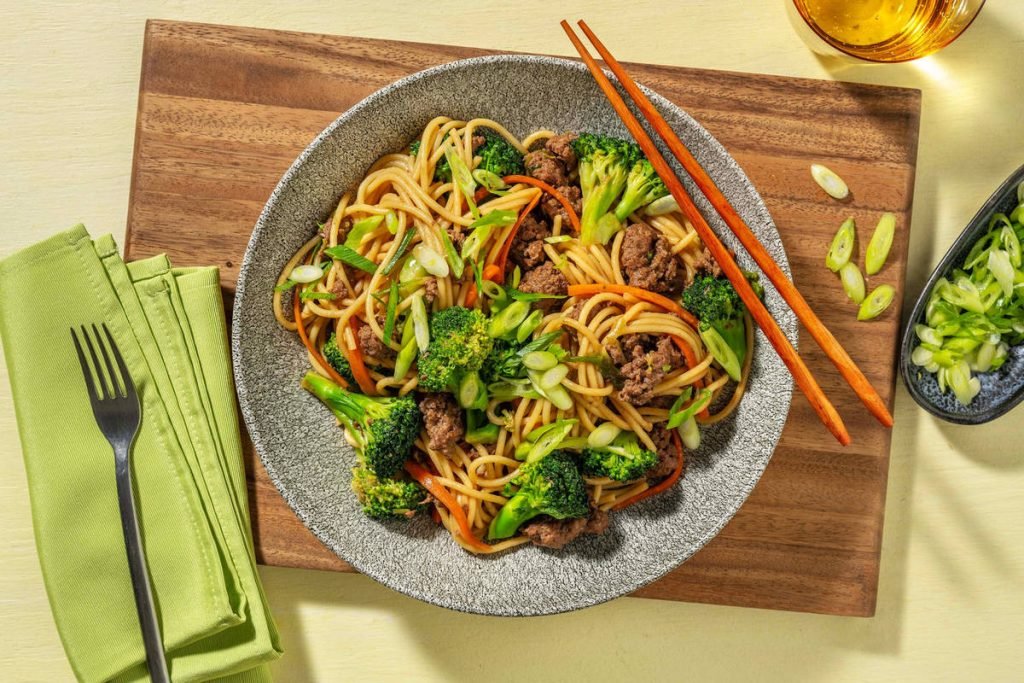
Craving a meal that’s quick, tasty, and satisfying? Imagine juicy beef, fresh broccoli, and perfectly cooked noodles all combined in one dish that hits every comfort food note.
Whether you want a simple dinner after a long day or a crowd-pleaser for your next gathering, this recipe has got you covered. Keep reading, and you’ll discover how easy it is to make this delicious beef and broccoli and noodles dish that will soon become your go-to favorite.
Your taste buds will thank you!
Ingredients For Beef And Broccoli
Getting the ingredients right is the first step to nailing your Beef and Broccoli dish. Each component plays a crucial role in building those bold, savory flavors you crave. Knowing what to pick up from the store can save you time and boost your confidence in the kitchen.
Beef Selection
Choose a tender cut like flank steak or sirloin. These cuts cook quickly and stay juicy, perfect for stir-frying. Have you noticed how tougher cuts can turn chewy? Avoid them for a smooth bite every time.
Fresh Broccoli
Pick bright green broccoli with firm stalks and tight florets. Freshness affects texture and taste more than you might think. Ever tried limp broccoli? It’s a texture killer in this dish.
Noodles Options
Egg noodles or chow mein noodles work well here. They soak up the sauce without falling apart. Think about the last time you had mushy noodles—definitely not what you want.
Sauce Ingredients
- Soy Sauce:Adds salty, umami flavor.
- Oyster Sauce:Brings a subtle sweetness and depth.
- Garlic and Ginger:Provide aromatic freshness that wakes up the dish.
- Brown Sugar or Honey:Balances salty and savory notes with a touch of sweetness.
- Cornstarch:Helps thicken the sauce for that glossy finish.
Additional Flavor Boosters
Consider adding sesame oil for a nutty aroma or a pinch of red pepper flakes for heat. These small touches can transform your dish from good to memorable. What’s your secret ingredient that changes everything?
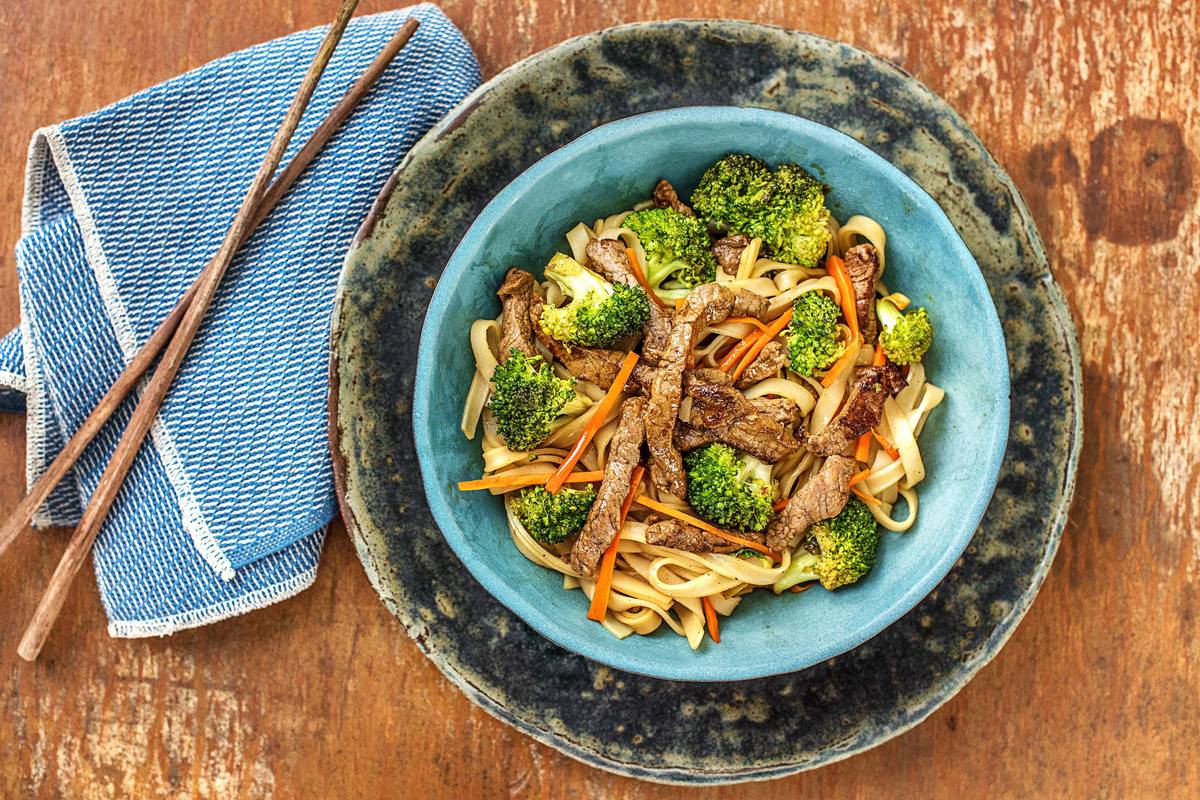
Credit: www.hellofresh.ca
Choosing The Right Noodles
Choosing the right noodles can make or break your Beef and Broccoli dish. The noodles not only carry the sauce but also add texture and balance to the meal. Picking the perfect noodle helps you enjoy every bite and complement the flavors.
Types Of Noodles Suitable For Beef And Broccoli
There are several noodle options that work well with Beef and Broccoli. Each type offers a unique texture and taste, so think about what you prefer in your meal.
- Lo Mein Noodles:Soft and slightly chewy, these wheat-based noodles soak up sauces nicely.
- Rice Noodles:Light and delicate, ideal if you want a gluten-free option.
- Udon Noodles:Thick and chewy, they add a hearty bite to your dish.
- Egg Noodles:Rich in flavor with a firm texture that holds up well under stir-frying.
Matching Noodle Texture With Sauce And Ingredients
Think about how the noodles will interact with your sauce and beef. If your sauce is thick and rich, thicker noodles like udon or egg noodles will hold the sauce better.
For lighter sauces, lo mein or rice noodles can keep your dish from feeling too heavy. You want the noodles to complement but not overpower the other ingredients.
Cooking Tips To Perfect Your Noodle Choice
Always cook noodles according to package instructions but stop just before they are fully done. They will continue to cook when tossed with the hot beef and broccoli.
Rinse noodles under cold water after boiling to prevent sticking and keep their texture firm. Toss noodles with a little oil if you’re not mixing immediately to avoid clumping.
Preparing The Beef
Slice beef thinly for quick cooking. Season with soy sauce and garlic. Cook until tender and juicy.
Preparing the perfect beef for your Beef And Broccoli And Noodles dish is an art that can elevate your meal from ordinary to extraordinary. Whether you’re a novice or a seasoned cook, understanding how to select and prepare the beef is crucial. Let’s dive into the details that can make your dish shine.Selecting The Cut
Choosing the right cut of beef is the foundation for a flavorful dish. Flank steak and sirloin are popular choices due to their tenderness and rich flavor. When selecting your beef, look for cuts with a good balance of lean meat and marbling to ensure juiciness. To ensure you get the freshest cut, check the beef’s color and texture. It should be bright red and firm to the touch. Have you ever noticed that cuts with a slight marbling cook more evenly and remain tender? This is because the fat melts during cooking, enhancing the meat’s flavor and texture.Marinating Tips
Marinating the beef is where the magic happens. A good marinade not only adds flavor but also tenderizes the meat. Use ingredients like soy sauce, garlic, ginger, and a splash of sesame oil to create a savory base. Allow the beef to marinate for at least 30 minutes, but if you have time, overnight is even better. This allows the flavors to penetrate deeply, resulting in a more robust taste. Are you in a hurry? Even a quick marinade can make a noticeable difference in the taste of your dish. To enhance the marinating process, ensure the beef is sliced thinly and uniformly. This increases the surface area exposed to the marinade, ensuring every bite is packed with flavor. Preparing the beef this way can transform your Beef And Broccoli And Noodles into a mouthwatering experience.Cooking The Broccoli
Cooking broccoli properly is key to great beef and broccoli and noodles. The right technique keeps the vegetable bright and fresh. It also balances texture with the beef and noodles for a tasty dish. The two main ways to cook broccoli are blanching and stir-frying. Each method gives a different result. Understanding these helps you choose what fits your taste best.
Blanching Vs Stir-frying
Blanching means boiling broccoli briefly, then cooling it fast. This keeps the green color bright. It softens broccoli slightly but keeps a bit of crunch. Blanching helps remove any dirt and reduces cooking time later. It is gentle and good for meal prep.
Stir-frying cooks broccoli quickly on high heat. This seals in flavor and texture. The broccoli stays crisp and slightly charred. Stir-frying uses less water and locks in nutrients better. It also adds a smoky taste to the dish.
Maintaining Crispness
To keep broccoli crisp, cook it just until tender. Overcooking makes it soft and dull in color. Use high heat and quick cooking methods. Avoid overcrowding the pan to ensure even cooking. Drain water immediately after blanching to stop cooking. Toss broccoli with a little oil during stir-frying to keep it shiny and fresh.
Making The Sauce
Making the sauce for Beef and Broccoli and Noodles is where the dish truly comes alive. It’s not just about mixing ingredients; it’s about creating a harmony of flavors that coat every bite perfectly. The right sauce can turn simple noodles and veggies into a comforting, crave-worthy meal you’ll want to make again and again.
Key Ingredients
The sauce depends on a few simple but powerful ingredients. Soy sauce gives it a salty, umami base that brings out the beef’s richness. Oyster sauce adds a subtle sweetness and depth, while garlic and ginger provide a punch of fresh, aromatic flavor.
Don’t forget the cornstarch slurry—it thickens the sauce just enough to cling to the noodles and broccoli without becoming gluey. A splash of sesame oil at the end adds a nutty aroma that makes the dish irresistible.
Balancing Flavors
Balancing salty, sweet, and savory is essential. Too much soy sauce can overwhelm the dish, making it too salty, while too little leaves it bland. Think about what you enjoy: do you prefer a sweeter sauce or a more savory one? Adjust the oyster sauce and a little brown sugar accordingly.
Adding acidity, like a squeeze of lime or a dash of rice vinegar, can brighten the sauce and cut through the richness. Don’t be afraid to taste as you go—this helps you find the perfect balance for your palate.
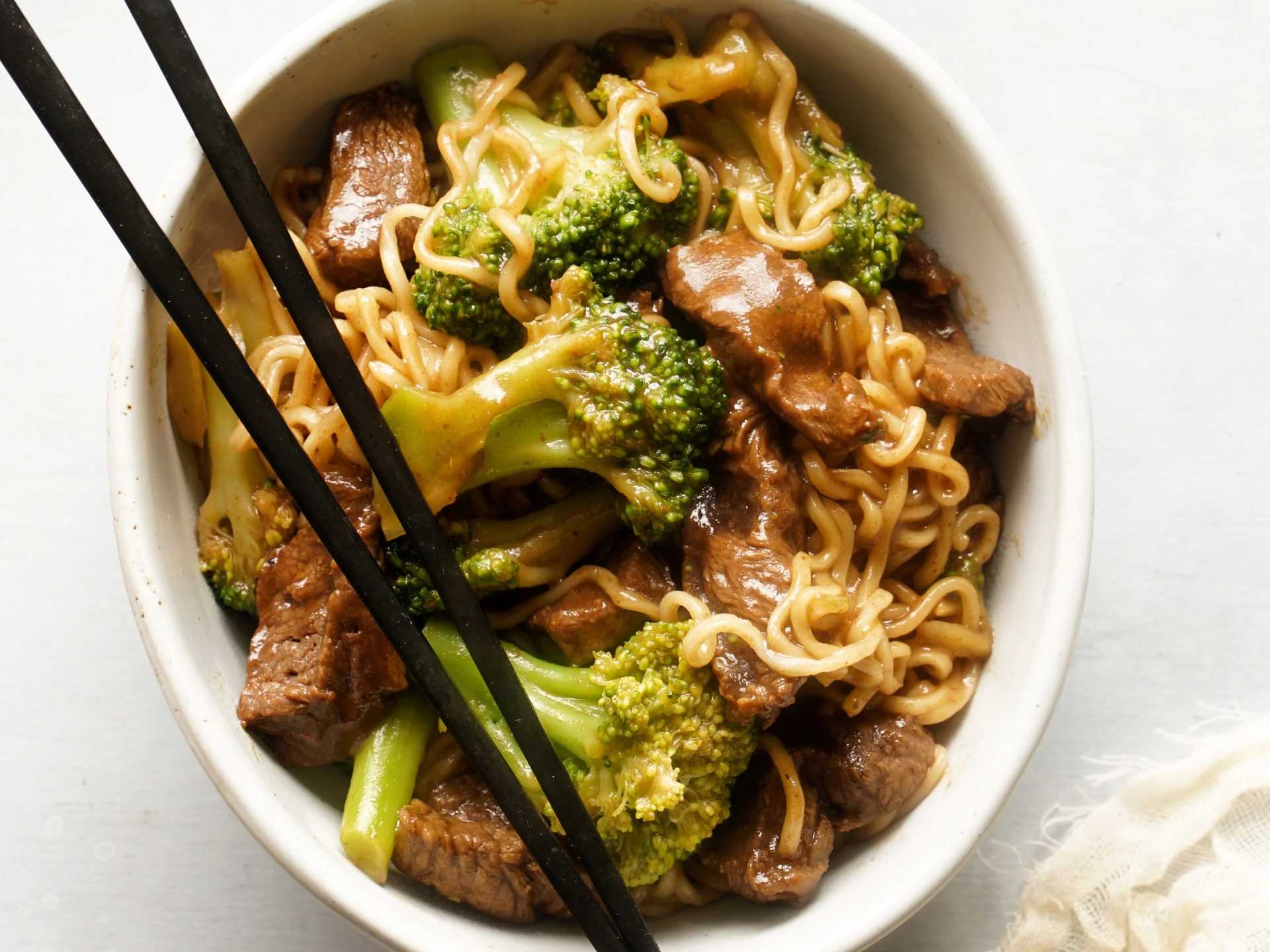
Credit: www.kosher.com
Stir-frying Techniques
Stir-frying is key to making delicious beef and broccoli with noodles. This quick cooking method locks in flavors and keeps textures crisp and tender. Perfecting stir-frying takes attention to heat and timing. Small changes can make a big difference in taste and appearance.
High Heat Cooking
Use very high heat for stir-frying. It cooks ingredients fast and seals in juices. A hot wok or pan creates a smoky, rich flavor known as “wok hei.”
- Preheat the pan before adding oil.
- Use oils with high smoke points like peanut or vegetable oil.
- Keep food moving to avoid burning.
High heat also helps noodles stay firm and beef remain juicy. Avoid overcrowding the pan to maintain heat levels.
Timing And Sequence
Order matters when adding ingredients. Cook beef first to brown it nicely. Remove it, then stir-fry broccoli until crisp-tender. Add noodles last to warm through without overcooking.
- Slice beef thin for quick cooking.
- Cut broccoli into bite-sized pieces for even cooking.
- Toss ingredients quickly and gently for best texture.
Following the right sequence ensures balanced flavors. It keeps noodles from becoming mushy and broccoli fresh and bright.
Combining Beef, Broccoli, And Noodles
Combining beef, broccoli, and noodles creates a delicious balance of textures and flavors that can satisfy any craving. Each ingredient plays a unique role—tender beef adds richness, broccoli brings a crisp freshness, and noodles soak up all the savory goodness. Getting these elements to work well together can turn a simple meal into something memorable.
Mixing For Even Flavor
To ensure every bite bursts with flavor, mix the beef, broccoli, and noodles thoroughly but gently. Overstirring can break the noodles, while understirring leaves some parts dry and flavorless.
Use a wide pan or wok to toss the ingredients, allowing the sauce to coat everything evenly. If you find the sauce sticking or pooling, add a splash of broth or soy sauce to keep it moist.
Think about how you’ve combined ingredients in other dishes—have you noticed that even distribution always improves the eating experience? The same principle applies here. Your goal is to have each forkful offer a bit of beef, a crunch of broccoli, and a silky noodle.
Serving Suggestions
Serving beef, broccoli, and noodles doesn’t have to be plain. Consider garnishing with toasted sesame seeds or chopped green onions for added texture and a pop of color.
Pair this dish with simple sides like steamed dumplings or a light cucumber salad to balance the meal. A drizzle of chili oil or a squeeze of fresh lime can also brighten the flavors and add a twist.
Have you tried serving it with a side of pickled vegetables? The tang cuts through the richness and refreshes your palate. Experimenting with sides can make a familiar dish feel exciting again.
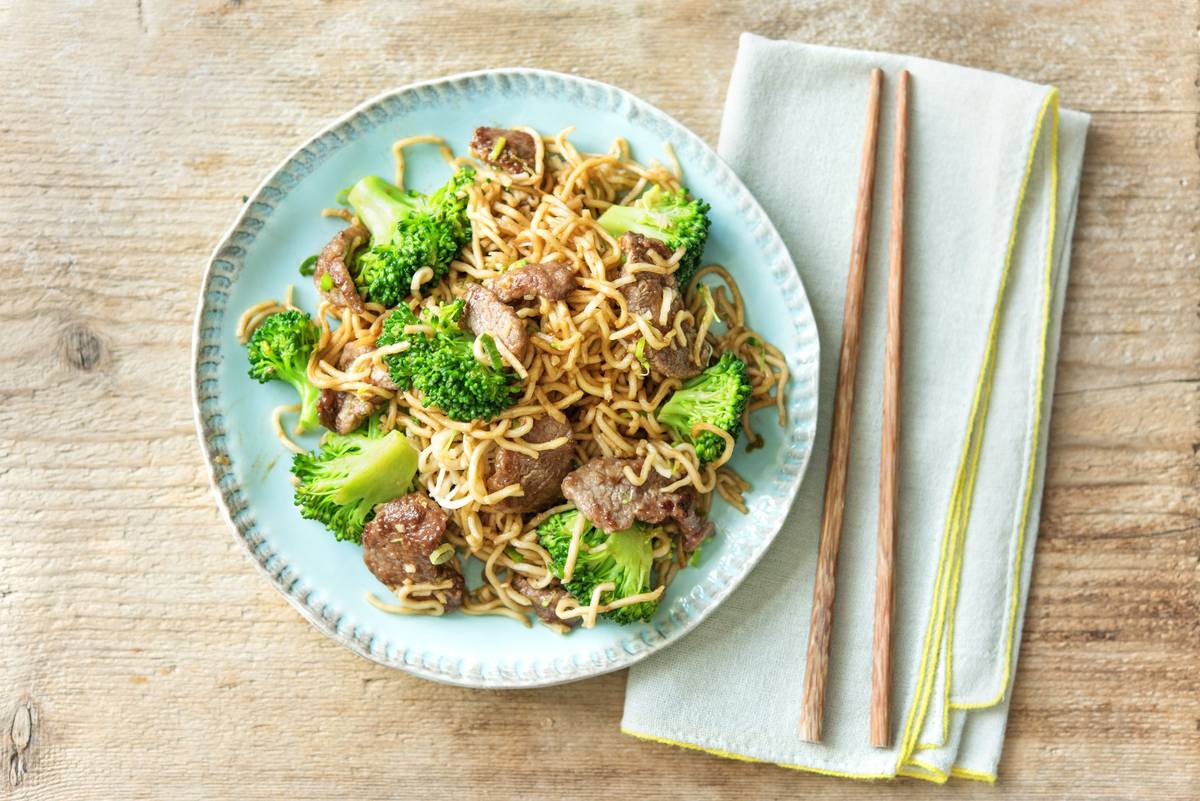
Credit: www.hellofresh.com
Tips For Meal Prep And Storage
Preparing Beef and Broccoli and Noodles ahead of time can save you hours during busy weekdays. But how you store it matters just as much as how you cook it. Proper meal prep and storage keep the flavors fresh and the texture just right, so every bite feels like it was made that day.
Choosing The Right Containers
Use airtight containers to prevent your meal from drying out or absorbing odors from the fridge. Glass containers are ideal because they don’t stain or retain smells, and they can go straight from fridge to microwave. Avoid packing noodles, beef, and broccoli all mixed together if you want to keep the textures distinct.
Separating Ingredients For Better Freshness
Store noodles, beef, and broccoli separately whenever possible. This prevents soggy noodles and mushy broccoli. When you’re ready to eat, simply mix them together and reheat gently to keep everything tasting fresh.
Optimal Refrigeration And Freezing Tips
- Refrigerate your meal within two hours of cooking to keep it safe and tasty.
- Beef and broccoli will stay good in the fridge for up to 4 days; noodles can last a bit longer if kept dry.
- If freezing, pack in portion sizes to avoid thawing more than you need. Freeze for no longer than 2 months for best quality.
Reheating Without Losing Flavor
Reheat your meal gently to avoid drying out the beef or overcooking the broccoli. Add a splash of water or broth to the noodles before microwaving to restore moisture. Stir halfway through heating to warm everything evenly.
Quick Tips For Flavor Boost After Storage
If your beef and broccoli taste a bit flat after storage, brighten the dish with a squeeze of fresh lime or a sprinkle of chopped green onions. A dash of soy sauce or a drizzle of toasted sesame oil can also revive the flavors instantly.
Variations To Try
Beef and broccoli with noodles is a classic dish that welcomes creativity. Trying different variations can make your meal exciting every time you cook it. Whether you’re looking to suit dietary needs or simply want a new flavor twist, there are plenty of ways to adjust this dish to your taste.
Vegetarian Options
Replacing beef with plant-based proteins can keep this dish hearty and satisfying. Tofu is a popular choice—firm or extra-firm tofu absorbs sauces well and adds a nice texture. You could also try tempeh or seitan for a meatier bite.
Adding mushrooms like shiitake or portobello can deepen the flavor and give a meaty feel without any animal products. Don’t forget to boost the umami taste with soy sauce, hoisin sauce, or even a splash of mushroom broth. How do you feel about experimenting with different vegetables or protein substitutes in your favorite recipes?
Spice Levels
If you enjoy a little heat, adjusting the spice level can transform your dish. Adding fresh chili slices or a dash of chili flakes can give it a quick kick. For a deeper spicy flavor, try mixing in some chili garlic sauce or Szechuan peppercorns.
Not everyone loves spice, so you might want to keep some mild ingredients like ginger and garlic upfront to balance the heat. Consider serving hot sauce on the side to let everyone control their own spice level at the table. What’s your perfect spice balance, and how do you usually adjust dishes to hit that mark?
Frequently Asked Questions
What Ingredients Are Essential For Beef And Broccoli Noodles?
Essential ingredients include beef, broccoli, noodles, soy sauce, garlic, and ginger. These create the classic savory flavor and texture.
How Do You Cook Beef For Beef And Broccoli Noodles?
Slice beef thinly against the grain. Stir-fry quickly over high heat to keep it tender and juicy.
What Type Of Noodles Work Best In This Dish?
Lo mein or egg noodles are ideal. They absorb the sauce well and complement the beef and broccoli.
Can I Make Beef And Broccoli Noodles Gluten-free?
Yes, use gluten-free soy sauce and rice noodles. Ensure all other ingredients are certified gluten-free.
Conclusion
Beef and broccoli and noodles make a tasty, simple meal. You can cook it fast and enjoy fresh flavors. This dish fits well for lunch or dinner. It combines protein, veggies, and carbs in one plate. Try different sauces to find your favorite taste.
Cooking at home saves money and feels good. Everyone can enjoy this easy, healthy recipe. Give it a chance and see how delicious it is!

Hi, I’m Daniel Brooks—a food lover and kitchen gear enthusiast. I enjoy testing cookware, utensils, and gadgets to see what really works in everyday cooking. At PlugChef.com, I share honest reviews, comparisons, and simple guides to help you choose the best tools for a safer, smarter, and more enjoyable kitchen.
Related posts:
 What Type of Cooking Utensils are Safe: Expert Picks
 What Innovations Could Blenders Make: Unleashing Future Tech
 Smart Strategies to Organize a Small Kitchen: Maximize Space
 How to Organize a Kitchen Cabinet: Expert Tips & Tricks
 How to Organize Kitchen Drawers: Expert Tips and Tricks
 How to Organize a Corner Kitchen Cupboard: Expert Tips

