
Are you wondering if cranberry sauce can be frozen without losing its flavor or texture? Whether you’ve made too much for your holiday feast or want to save leftovers for later, knowing how well cranberry sauce freezes can save you time and reduce waste.
You’ll discover simple tips to keep your cranberry sauce fresh and tasty, so you can enjoy it whenever you want. Keep reading to find out everything you need to know about freezing cranberry sauce the right way.
Freezing Cranberry Sauce
Freezing cranberry sauce can be a game-changer for your holiday meal prep. It lets you save time and reduces stress on the big day. But not all cranberry sauces freeze the same way, and how you prepare and store them matters a lot.
Best Types For Freezing
Chunky cranberry sauce with whole berries freezes better than smooth, pureed versions. The texture holds up nicely after thawing, giving you that fresh bite you expect. Sauces with added ingredients like orange zest or nuts also freeze well, but avoid those with dairy or gelatin, as they may separate or become grainy.
Preparation Tips
Cool the sauce completely before freezing to prevent ice crystals from forming. Portion it out in small amounts so you only thaw what you need. Stir the sauce gently before freezing to keep the berries evenly distributed.
Have you ever thawed cranberry sauce only to find it watery? That usually happens if it wasn’t cooled properly or was frozen in one big block.
Suitable Containers
Use airtight containers or freezer-safe bags to keep the sauce fresh. Glass jars with tight lids work well but leave some space at the top because the sauce will expand. If using plastic bags, remove as much air as possible before sealing.
Label your containers with the date so you can use them within 3-4 months for the best flavor. Have you noticed how a simple container choice can make all the difference in freezer burn prevention?
Storage Duration
Proper storage duration helps keep cranberry sauce fresh and tasty. Freezing cranberry sauce extends its shelf life. Knowing how long to freeze it ensures the best flavor and texture. It also prevents food waste and saves preparation time for future meals.
Ideal Freezing Time
Cranberry sauce freezes well for up to 2 months. Beyond this, quality starts to decline. Store it in an airtight container or freezer bag. Remove as much air as possible to avoid freezer burn. Label the container with the date of freezing for easy tracking.
Signs Of Spoilage
Check frozen cranberry sauce for spoilage before use. Look for changes in color, such as darkening or dull spots. A sour or off smell means it has gone bad. Texture changes like excessive watery separation indicate spoilage. When in doubt, discard to stay safe.
Thawing Methods
Thaw cranberry sauce slowly in the refrigerator for best texture and flavor. Quick thawing at room temperature can make it watery. Warm gently if needed before serving.
Cranberry sauce is a holiday favorite. Freezing it extends its shelf life. Thawing frozen cranberry sauce is simple. There are different methods to choose from. Each method fits different needs. Below are effective ways to thaw cranberry sauce.Refrigerator Thawing
Refrigerator thawing is the safest method. Place the frozen cranberry sauce in the fridge. Let it thaw for several hours or overnight. This method ensures a slow and steady thaw. It keeps the sauce at a safe temperature. Avoid room temperature thawing. It can lead to spoilage. For best results, plan ahead. Thaw the sauce a day before you need it.Quick Thaw Options
Need the sauce quickly? Try a water bath. Place the sealed container in cold water. Change the water every 30 minutes. This speeds up the thawing process. Another option is using a microwave. Use the defrost setting. Check and stir the sauce often. Be cautious not to overheat it. Both methods work for last-minute needs. Always ensure the sauce is fully thawed before serving.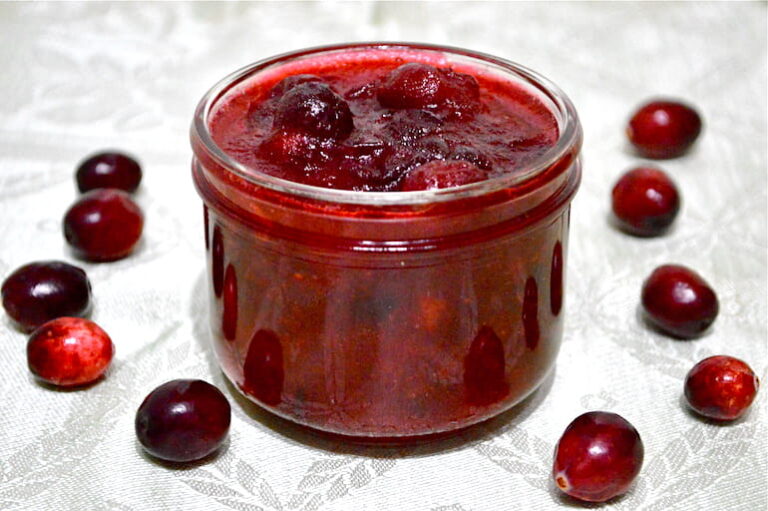
Credit: tinandthyme.uk
Texture And Flavor Changes
Freezing cranberry sauce can change its texture and flavor. These changes affect how you enjoy the sauce after thawing. Understanding these shifts helps in keeping your cranberry sauce tasty.
Common Alterations
Freezing causes the sauce to become watery or grainy. Ice crystals form and break down the smooth texture. The sauce might separate, with liquid on top.
The flavor can become less vibrant. Some tartness may fade, and sweetness might dull. The sauce may taste slightly different from fresh.
Ways To Restore Freshness
Stir the sauce well after thawing to mix separated parts. Warm it gently on the stove to improve texture. This helps reduce graininess and blends flavors again.
Add a little fresh lemon juice or sugar to brighten the flavor. Mixing in some fresh or frozen cranberries can add texture. Serve the sauce chilled or at room temperature for best taste.
Tips For Serving Frozen Sauce
Serving frozen cranberry sauce can be easy and delicious with a few simple tips. Proper reheating keeps the sauce fresh and tasty. Matching the sauce with the right dishes enhances your meal. These ideas help you make the most of your frozen cranberry sauce.
Reheating Techniques
- Thaw the sauce in the refrigerator overnight for best texture.
- Warm it gently on the stove over low heat. Stir often to avoid burning.
- Microwave in short bursts, stirring between each to heat evenly.
- Avoid overheating to keep the sauce’s flavor bright and fresh.
- Stir in a splash of water or orange juice if the sauce is too thick.
Pairing Suggestions
- Serve with turkey or chicken for a classic combination.
- Try alongside roasted vegetables to add a sweet contrast.
- Spread on sandwiches for a tangy twist.
- Use as a topping for desserts like cheesecake or ice cream.
- Mix into yogurt or oatmeal for a fruity boost.

Credit: www.yahoo.com

Credit: www.aheadofthyme.com
Frequently Asked Questions
Does Cranberry Sauce Freeze Well Without Losing Taste?
Yes, cranberry sauce freezes well and retains its taste. Use airtight containers to prevent freezer burn. Thaw in the fridge overnight for best texture.
How Long Can You Freeze Cranberry Sauce Safely?
Cranberry sauce can be frozen safely for up to 2 months. Beyond that, quality may decline. Always label with the freezing date.
Should Homemade Or Canned Cranberry Sauce Be Frozen?
Both homemade and canned cranberry sauce freeze well. Homemade sauce may have a fresher texture after thawing. Canned sauce maintains its flavor and consistency.
How To Thaw Frozen Cranberry Sauce Properly?
Thaw frozen cranberry sauce in the refrigerator overnight. Avoid microwaving as it can alter texture. Stir well before serving to restore smoothness.
Conclusion
Cranberry sauce freezes well and keeps its taste. It stays fresh for months in the freezer. Just store it in an airtight container. Thaw it slowly in the fridge for best results. The texture might change a little but still tastes good.
Freezing saves time and reduces waste. You can enjoy homemade cranberry sauce anytime. A simple way to keep holiday flavors ready. Try freezing your sauce and see how easy it is!

Hi, I’m Daniel Brooks—a food lover and kitchen gear enthusiast. I enjoy testing cookware, utensils, and gadgets to see what really works in everyday cooking. At PlugChef.com, I share honest reviews, comparisons, and simple guides to help you choose the best tools for a safer, smarter, and more enjoyable kitchen.
Related posts:
 What Type of Cooking Utensils are Safe: Expert Picks
 What Innovations Could Blenders Make: Unleashing Future Tech
 Smart Strategies to Organize a Small Kitchen: Maximize Space
 How to Organize a Kitchen Cabinet: Expert Tips & Tricks
 How to Organize Kitchen Drawers: Expert Tips and Tricks
 How to Organize a Corner Kitchen Cupboard: Expert Tips

