
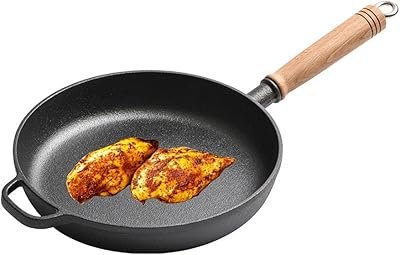
If you want your pan to last longer and cook better, seasoning it the right way is key. Using flaxseed oil to season your pan is a simple trick that can make a huge difference.
Imagine a pan that stays non-stick, resists rust, and improves with every use. Sounds good, right? You’ll discover why flaxseed oil is one of the best choices for seasoning your pan, how to do it step-by-step, and the benefits you’ll enjoy every time you cook.
Ready to upgrade your kitchen game? Let’s dive in!

Credit: www.iqliving.com
Why Choose Flaxseed Oil
Choosing the right oil is essential for seasoning your pan effectively. Flaxseed oil stands out for its unique qualities that make it ideal for this task. It creates a strong, non-stick layer that lasts long. This oil also polymerizes well, meaning it hardens into a smooth, protective coating on the pan’s surface.
Understanding why flaxseed oil works so well helps you get the most from your cookware. Its natural properties and benefits make it a favorite among many cooking enthusiasts.
Flaxseed Oil Properties
Flaxseed oil is rich in omega-3 fatty acids. These fats easily react with heat and air to form a solid layer. It has a low smoke point, which helps it bond tightly to the pan. The oil is light in color and flavor, so it won’t affect your food taste. It dries and hardens faster than many other oils.
Benefits For Pan Seasoning
- Creates a durable, non-stick surface
- Prevents rust and corrosion
- Builds layers that improve over time
- Easy to apply and maintain
- Enhances cooking performance
Comparing Oils For Seasoning
| Oil Type | Smoke Point | Drying Ability | Seasoning Quality |
|---|---|---|---|
| Flaxseed Oil | 225°F (107°C) | High (dries quickly) | Excellent (hard, smooth layer) |
| Vegetable Oil | 400°F (204°C) | Low (stays liquid) | Good but less durable |
| Olive Oil | 375°F (190°C) | Low (sticky residue) | Fair (can be sticky) |
| Canola Oil | 400°F (204°C) | Low (does not harden well) | Good but less lasting |

Credit: www.iqliving.com
Preparing Your Pan
Preparing your pan is essential before seasoning it with flaxseed oil. A clean, dry, and smooth surface helps the oil bond well. This process protects your pan and improves cooking performance. Proper preparation also extends the life of your cookware. Follow these simple steps to get your pan ready.
Cleaning And Drying
Start by washing the pan with warm water and mild soap. Use a soft sponge or cloth to remove dirt. Avoid harsh detergents that can damage the surface. Rinse the pan thoroughly to remove all soap. Dry the pan completely with a clean towel. Leaving moisture can cause rust during seasoning.
Removing Old Residue
Check the pan for any stuck-on food or old seasoning layers. Scrape off residue using a plastic or wooden scraper. Avoid metal tools that can scratch the pan. For tough spots, scrub gently with a non-abrasive pad. If needed, soak the pan in warm water briefly. Clean residue ensures the new seasoning sticks well.
Ensuring A Smooth Surface
Inspect the pan’s surface for rough or rusty spots. Use fine sandpaper or steel wool to smooth these areas. Work gently to avoid deep scratches. Wipe away dust and debris with a damp cloth. A smooth surface allows flaxseed oil to create an even coating. This step helps achieve a durable, non-stick finish.
Step-by-step Seasoning Process
Clean the pan thoroughly and dry it completely. Apply a thin layer of flaxseed oil evenly over the surface. Bake the pan upside down at high heat to create a strong, non-stick coating.
Seasoning your pan with flaxseed oil can elevate your cooking game. This process not only enhances the non-stick qualities of your cookware but also extends its lifespan. Whether you’re a seasoned chef or a kitchen newbie, mastering the art of seasoning can make your cooking experience more enjoyable and efficient. Let’s dive into the step-by-step seasoning process and transform your pan into a culinary powerhouse.Applying Flaxseed Oil
Start by thoroughly cleaning your pan with warm, soapy water. Ensure it’s completely dry before proceeding. Use a paper towel to apply a thin layer of flaxseed oil evenly across the entire surface of the pan, including the handle and edges. Avoid using too much oil; a thin layer is all you need. Excessive oil can result in a sticky residue. Think of it as polishing your pan with a delicate touch rather than dousing it with oil.Heating Techniques
Once the oil is applied, place your pan upside down in the oven. Set the oven to 450°F (232°C) and let the pan heat for one hour. This high temperature allows the oil to polymerize, forming a hard, protective layer on the pan. Consider using a baking sheet underneath to catch any drips. After an hour, turn off the oven and let the pan cool inside. This gradual cooling process ensures the oil bonds well with the metal.Multiple Coating Layers
One layer of seasoning might not be enough. Repeat the oil application and heating process several times to build a robust non-stick surface. Typically, 3 to 5 layers are ideal for optimal results. Each layer strengthens the previous one, creating a durable coating. Notice how the pan’s surface becomes smoother and darker with each session. Have you ever wondered why your grandmother’s cast iron looked so glossy? This is the secret. Remember, patience is key. Rushing the process can compromise the quality of your seasoning. Embrace each step, and soon, your pan will become your kitchen’s best ally.
Credit: www.iqliving.com
Maintaining Your Seasoned Pan
Maintaining your seasoned pan is key to keeping it non-stick and long-lasting. Proper care protects the flaxseed oil seasoning and helps the pan perform well. Regular attention keeps the surface smooth and resistant to rust.
Cleaning Tips
Clean your pan gently using warm water and a soft sponge. Avoid harsh detergents that can strip the seasoning. Dry the pan immediately after washing to prevent rust. For stuck-on food, soak the pan briefly in warm water before scrubbing lightly.
Avoiding Damage
Do not use metal scrubbers or sharp tools on the pan surface. Avoid cooking acidic foods in a newly seasoned pan. Heat the pan gradually to protect the oil layer. Store the pan in a dry place to stop moisture buildup.
Re-seasoning When Needed
Re-season your pan if food starts to stick or the surface looks dull. Apply a thin layer of flaxseed oil evenly over the pan. Heat the pan in the oven or on the stove to bond the oil. Repeat this process until the surface feels smooth and dark.
Troubleshooting Common Issues
Seasoning a pan with flaxseed oil can transform your cookware, but sometimes you might face hiccups along the way. These issues can be frustrating, but they often have simple fixes that bring your pan back to perfect condition. Let’s look at some common problems and how you can solve them effectively.
Sticky Or Flaky Coating
If your pan’s coating feels sticky or peels off in flakes, it’s usually because too much oil was applied or the seasoning wasn’t baked long enough. Flaxseed oil polymerizes best when applied in thin layers and heated properly.
Try wiping off excess oil with a paper towel before heating. Bake the pan at a higher temperature (around 450°F/230°C) for at least an hour to fully cure the oil. If flakes appear, gently scrub the pan with steel wool, then start seasoning again with thinner coats.
Uneven Seasoning
Uneven seasoning can leave some spots shiny and others dull or rusty. This happens when oil pools in certain areas or isn’t distributed evenly.
When applying flaxseed oil, use a lint-free cloth or paper towel to spread a very thin, uniform layer. Rotate the pan during baking to ensure heat reaches all surfaces evenly. If you notice uneven patches after baking, repeat the process focusing on the missed spots.
Rust Prevention
Rust can sneak up if your pan isn’t dried or stored properly. Flaxseed oil creates a protective barrier, but moisture can still cause rust.
- Always dry your pan thoroughly after washing. You can warm it on the stove for a minute to evaporate any remaining water.
- Apply a very light coat of flaxseed oil before storing to maintain the seasoning and block moisture.
- Store your pan in a dry place, and avoid stacking wet cookware inside it.
Have you noticed rust forming even after seasoning? It might be time to review your drying and storage habits—small changes can make a big difference.
Enhancing Pan Performance
Seasoning your pan with flaxseed oil creates a durable, non-stick surface that significantly improves cooking results. But how can you make sure your pan performs at its best every time you use it? Enhancing pan performance involves more than just the initial seasoning—it requires thoughtful cooking habits, proper storage, and ongoing care to keep the surface smooth and effective.
Cooking Tips With Seasoned Pans
Use medium or low heat to protect the seasoning layer; high heat can break it down quickly.
Try to avoid cooking acidic foods like tomatoes or vinegar-based sauces in your seasoned pan, especially early on, as they can wear away the seasoning.
Always preheat your pan gradually before adding oil or food to prevent sticking.
After cooking, clean the pan with warm water and a soft sponge—skip the soap or harsh scrubbers that strip the seasoning.
Optimal Storage Methods
Store your seasoned pan in a dry place to prevent rust.
If stacking pans, place a paper towel or cloth between them to protect the seasoning from scratches.
Consider lightly oiling the surface before storage to maintain the seasoning’s integrity.
Extending Pan Lifespan
Regularly inspect your pan for signs of wear or rust and reseason promptly to keep the surface strong.
Use flaxseed oil periodically to refresh the seasoning; its polymerization creates a hard, durable coating that improves with time.
Ask yourself: are you treating your pan as a tool to last decades or just a quick-use item? Your care routine makes all the difference.
Frequently Asked Questions
What Is The Best Oil To Season A Pan?
Flaxseed oil is ideal for seasoning pans due to its high omega-3 content and low smoke point. It creates a durable, non-stick, and natural coating that improves with use, making it perfect for cast iron and carbon steel cookware.
How Do You Season A Pan With Flaxseed Oil?
To season, clean and dry your pan thoroughly. Apply a thin layer of flaxseed oil, then bake it upside down at 450°F for one hour. Repeat 3-4 times for a strong, non-stick surface that protects your cookware from rust.
Why Use Flaxseed Oil Instead Of Other Oils?
Flaxseed oil polymerizes better than most oils, creating a harder, longer-lasting seasoning layer. Its drying properties help form a smooth, non-stick coating that resists peeling and cracking, unlike vegetable or olive oils.
How Often Should I Season My Pan With Flaxseed Oil?
Season your pan when you notice food sticking or dull spots. Regular use and proper care reduce the need for frequent seasoning. Typically, seasoning every few months keeps the pan in excellent condition.
Conclusion
Seasoning your pan with flaxseed oil keeps it non-stick and long-lasting. The oil creates a strong, smooth layer that protects your pan. This process also improves cooking results and makes cleaning easier. Remember to use thin coats and heat the pan properly.
With regular care, your pan stays in great shape for years. Give flaxseed oil a try and enjoy cooking with a well-seasoned pan every time. Simple steps, better cooking.

Hi, I’m Daniel Brooks—a food lover and kitchen gear enthusiast. I enjoy testing cookware, utensils, and gadgets to see what really works in everyday cooking. At PlugChef.com, I share honest reviews, comparisons, and simple guides to help you choose the best tools for a safer, smarter, and more enjoyable kitchen.
Related posts:
 What Type of Cooking Utensils are Safe: Expert Picks
 What Innovations Could Blenders Make: Unleashing Future Tech
 Smart Strategies to Organize a Small Kitchen: Maximize Space
 How to Organize a Kitchen Cabinet: Expert Tips & Tricks
 How to Organize Kitchen Drawers: Expert Tips and Tricks
 How to Organize a Corner Kitchen Cupboard: Expert Tips

