
If you love pizza but crave a lighter, crispier bite, this Thin Crust Pizza Crust Recipe is exactly what you need. Imagine biting into a perfectly golden, crunchy crust that’s just the right thickness—no more doughy, heavy slices weighing you down.
You’re about to discover a simple recipe that will change how you make pizza at home. Whether you’re cooking for family, friends, or just yourself, mastering this crust will make every pizza night unforgettable. Keep reading, and you’ll learn the secrets to creating the perfect thin crust every single time.
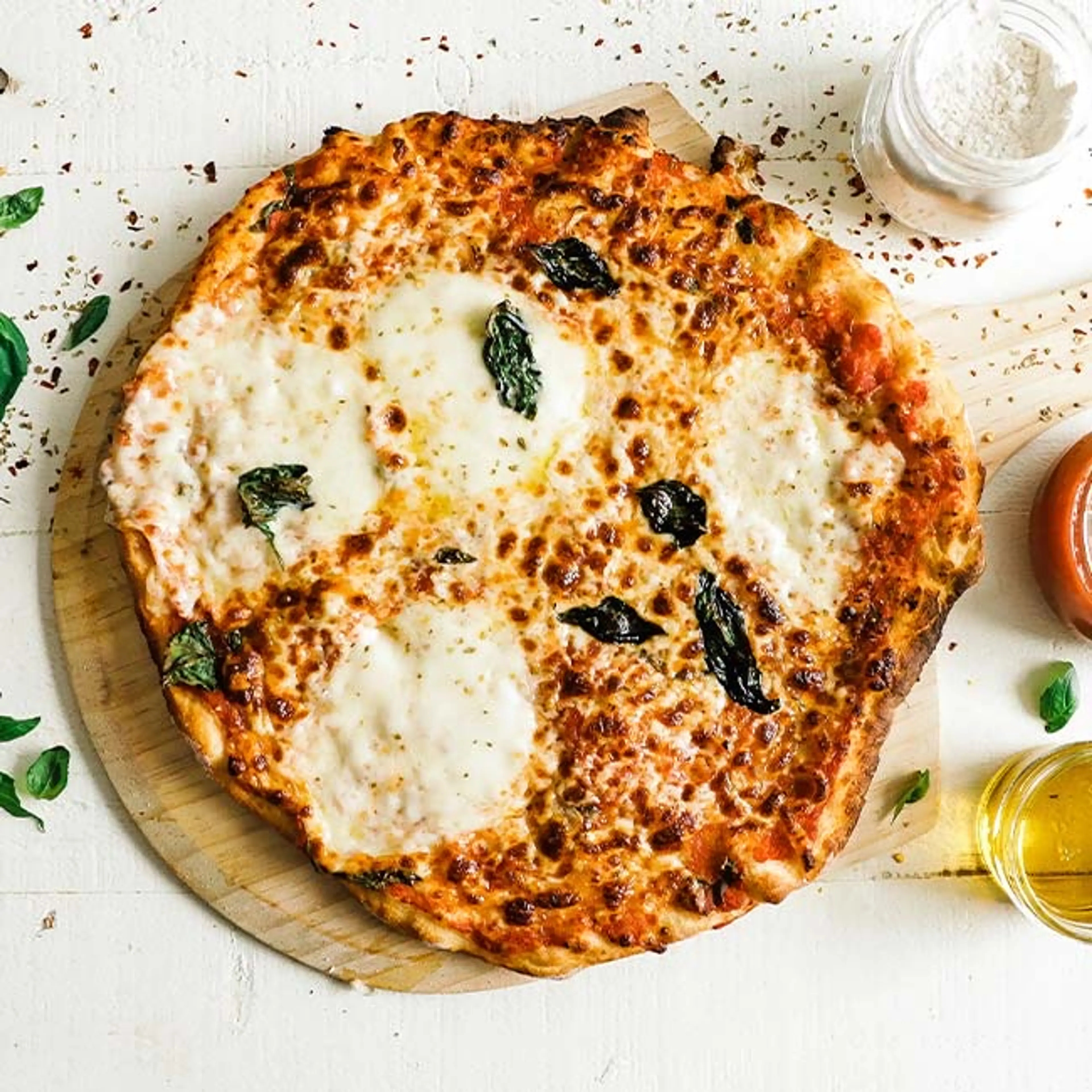
Credit: www.umami.recipes
Ingredients For Thin Crust
Creating a perfect thin crust pizza starts with the right ingredients. Each component plays a key role in texture and taste. Using fresh, quality ingredients ensures a crispy and flavorful crust. Understanding these basics helps you bake like a pro.
Flour Selection
Choose high-protein flour for better gluten development. Bread flour or all-purpose flour works well. Bread flour gives more chew and structure. All-purpose flour creates a lighter, crispier crust. Avoid cake or pastry flour as they lack strength.
Yeast And Leavening
Use active dry yeast or instant yeast for good rise. Yeast helps the dough expand and become airy. Too much yeast can cause a strong flavor. Too little yeast leads to a dense crust. Proper fermentation time is important for thin crust.
Water And Hydration
Hydration affects dough softness and stretchiness. Use cold or lukewarm water to control yeast activity. A hydration level of 60-65% keeps the dough thin yet elastic. Too much water makes dough sticky and hard to handle. Too little water creates a dry, crumbly dough.
Salt And Sugar
Salt controls yeast growth and enhances flavor. Use about 1-2% of flour weight in salt. Sugar feeds yeast for proper fermentation. A small amount, about 1%, works best. Avoid excess sugar to keep crust crisp and not sweet.
Olive Oil Benefits
Olive oil adds flavor and tenderness to the dough. It helps make the crust crisp and golden. Oil also improves dough elasticity and handling. Use extra virgin olive oil for the best taste. A tablespoon or two is enough for thin crust pizza.
Credit: josieandnina.com
Dough Preparation Steps
Preparing the dough is the foundation of a perfect thin crust pizza. Each step shapes the texture and flavor you’ll enjoy in every bite. Pay close attention to the details in this process to get that ideal balance of crispiness and chewiness.
Mixing Ingredients
Start with simple ingredients: flour, water, yeast, salt, and a touch of olive oil. Use lukewarm water to activate the yeast effectively. Mix these in a large bowl until they begin to come together into a rough dough.
Don’t rush this part. Let the flour absorb the water fully before moving on. This helps develop gluten which is key for structure and stretch.
Kneading Techniques
Kneading turns your shaggy mix into a smooth, elastic dough. Use the heel of your hand and push the dough away, then fold it back towards you. Repeat this motion steadily for about 8-10 minutes.
If the dough sticks too much, sprinkle a little flour on your surface— but be careful not to add too much or the crust will become tough. You’re aiming for dough that’s soft, springy, and slightly tacky.
Resting And Proofing
After kneading, let your dough rest in a warm spot, covered with a damp cloth or plastic wrap. This allows the yeast to ferment and the dough to rise, doubling in size in about 1 to 2 hours.
Skipping or shortening this step can make your crust dense. Have you noticed how well-risen dough feels lighter and easier to stretch? That’s proofed dough working its magic.
Shaping The Dough
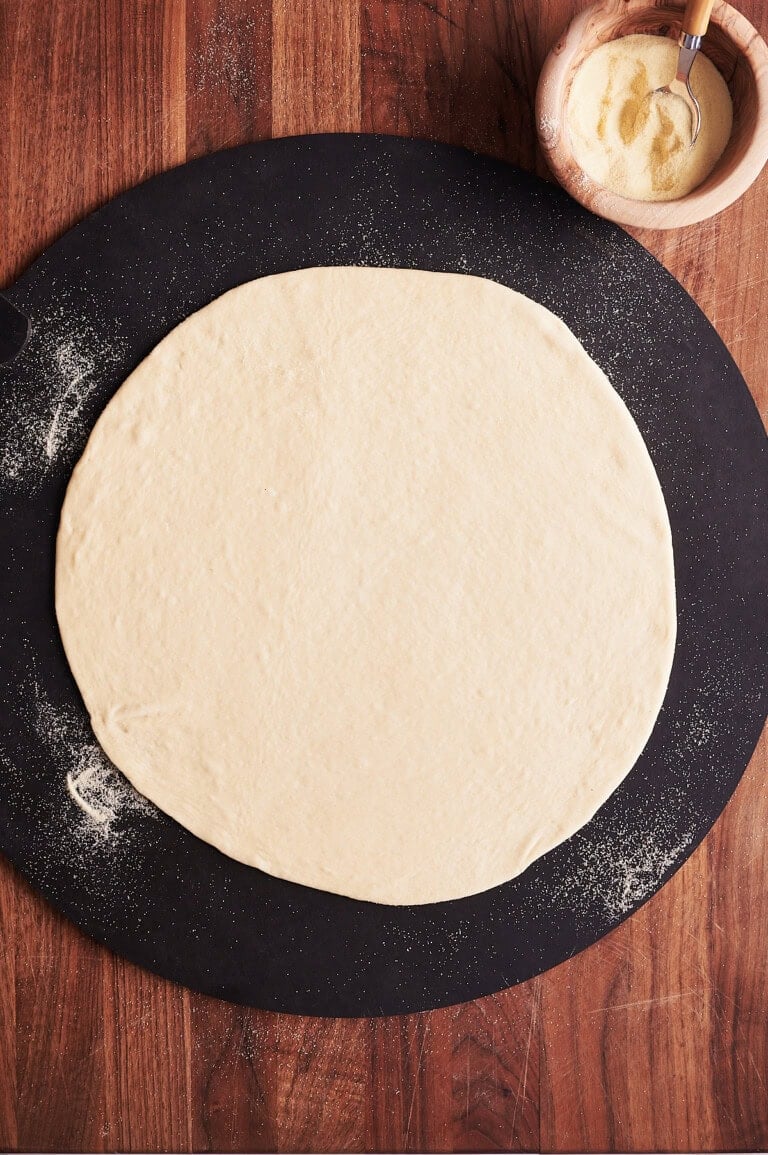
Once risen, punch down the dough gently to release air bubbles. Place it on a floured surface and start shaping by pressing from the center outward.
Try stretching it with your hands instead of a rolling pin to keep air pockets intact. Thin crust means thin but avoid tearing—how thin can you go without losing dough integrity?
Achieving Crispy Texture
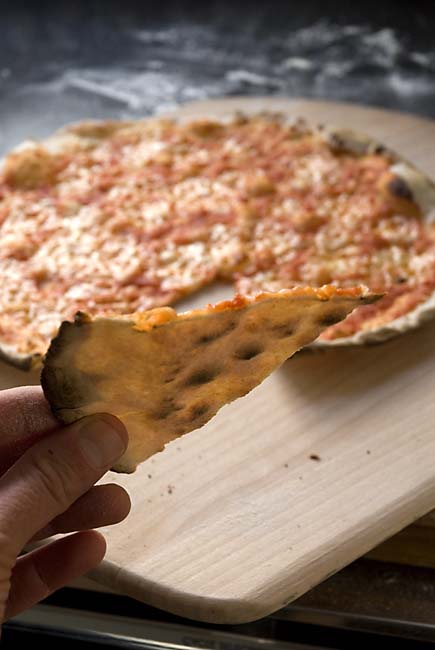
Baking the thin crust at a high temperature ensures a crisp and golden base. Using less dough helps achieve a light, crunchy texture without sogginess. A quick bake time locks in the crispness while keeping the toppings fresh.
Achieving a crispy texture in your thin crust pizza is the secret to a delightful eating experience. A perfect balance of crunch and flavor can transform your homemade pizza from ordinary to extraordinary. If you’ve ever wondered how to achieve that restaurant-quality crispiness, you’re in the right place.Optimal Rolling Methods
Rolling your dough thin enough is crucial for that crispy bite. Use a rolling pin and aim for an even thickness of about 1/8 inch. A thinner crust cooks more evenly and crisps up beautifully. Avoid stretching the dough too much as it can cause uneven thickness. Work on a lightly floured surface to prevent sticking, and consider using a rolling mat for consistency.Pre-baking Tips
Pre-baking or par-baking your crust sets the foundation for crispiness. Bake the rolled dough for 5-7 minutes at a high temperature before adding toppings. This helps the crust develop a firm base and prevents it from becoming soggy. Pierce the surface with a fork to prevent air bubbles from forming. This simple step ensures a uniform texture without compromising the crispiness.Baking Temperature And Time
The right temperature is key to achieving the perfect crisp. Preheat your oven to 475°F (245°C) for the best results. A hot oven cooks the crust quickly, giving it a golden, crispy finish. Keep an eye on the time, baking the topped pizza for 8-10 minutes. Adjust according to your oven’s performance, ensuring the cheese is bubbly and the crust edges are browned.Using Pizza Stones Or Steel
Using a pizza stone or steel can elevate your pizza game significantly. These tools retain heat and distribute it evenly, contributing to a crispy crust. Preheat the stone or steel in the oven before placing your pizza on it. Slide your pizza onto the stone using a pizza peel. This technique mimics the intense heat of a professional pizza oven, enhancing the crispiness and flavor. Have you tried these methods before? They could make all the difference in your next pizza-making adventure.Topping Suggestions
Choosing the right toppings can transform your thin crust pizza from simple to spectacular. The beauty of a thin crust is that it crisps up quickly, so toppings should be light and balanced. You want flavors that complement the delicate base without overwhelming it.
Classic Margherita
Stick with the essentials for a timeless taste. Fresh tomato slices or a light spread of tomato sauce, fresh mozzarella, and a sprinkle of basil leaves make a perfect combo.
A drizzle of olive oil before baking enhances the flavor and keeps the crust crisp. Want a little more zing? Add a pinch of sea salt or a touch of garlic powder.
Vegetarian Options
Think colorful and fresh. Bell peppers, red onions, mushrooms, and spinach add vibrant flavors and textures. Roasted cherry tomatoes and artichoke hearts bring a nice tang.
Try layering thin slices of zucchini or eggplant to keep the crust from getting soggy. A sprinkle of chili flakes can add a subtle kick that wakes up your taste buds.
Meat Lovers’ Choices
Keep it lean and flavorful. Thin slices of pepperoni, prosciutto, or cooked Italian sausage work best without weighing down the crust. Bacon bits add crunch and smoky depth.
Cook meats beforehand to avoid excess grease soaking the crust. Have you experimented with combining spicy chorizo and sweet caramelized onions? It’s a crowd-pleaser.
Cheese Varieties
Cheese is the star on any pizza, but on a thin crust, less is more. Mozzarella is a classic, but mixing in Parmesan, goat cheese, or ricotta can create interesting flavor layers.
Try grating hard cheeses finely to avoid clumping. A light sprinkle of blue cheese adds boldness without overpowering other toppings. Which cheese do you find melts perfectly yet keeps the crust crisp?
Common Mistakes To Avoid
Making thin crust pizza at home can be incredibly rewarding, but there are a few common mistakes that often trip up even experienced bakers. Avoiding these pitfalls can be the difference between a crispy, flavorful crust and a soggy or tough one.
Overworking The Dough
It’s tempting to knead the dough extensively, thinking it will improve texture. However, overworking the dough develops too much gluten, making the crust tough instead of light and crisp. Try to knead just enough to bring the dough together smoothly, then let it rest properly.
Using Too Much Sauce
It’s easy to think more sauce means more flavor, but excess sauce soaks into the crust and ruins that sought-after crunch. Apply a thin, even layer to keep the crust from becoming soggy. Ask yourself: does the sauce complement or overpower your crust?
Overloading Toppings
Stacking your pizza with too many toppings can weigh down the thin crust and prevent it from cooking evenly. Heavy toppings cause the dough to stay doughy underneath. Choose toppings wisely and keep them balanced for the best texture and taste.
Incorrect Oven Settings
Thin crust pizza needs high heat to crisp up quickly. Baking at a low temperature leads to a floppy, undercooked crust. Use the highest temperature your oven allows, and consider a pizza stone or steel to get that perfect crunch.
Storage And Reheating Tips
Proper storage and reheating keep your thin crust pizza fresh and tasty. Knowing how to save leftover dough and reheat pizza right helps avoid sogginess and stale flavors. Follow simple tips to enjoy your pizza as if it was just baked.
Storing Leftover Dough
Wrap the dough tightly in plastic wrap or place it in an airtight container. Store it in the refrigerator for up to 3 days. For longer storage, freeze the dough. Thaw it in the fridge overnight before use. Keep the dough cold to prevent unwanted fermentation or drying.
Keeping Baked Pizza Fresh
Let the pizza cool to room temperature before storing. Use an airtight container or wrap slices in foil or plastic wrap. Store the pizza in the fridge for up to 3 days. Avoid stacking slices to keep the crust crispy. For longer storage, freeze pizza slices on a baking sheet, then transfer to a freezer bag.
Best Reheating Methods
- Oven:Preheat to 375°F (190°C). Place pizza on a baking sheet. Heat for 8-10 minutes until crispy.
- Skillet:Heat a non-stick pan over medium heat. Add pizza and cover with a lid. Heat for 5-7 minutes until warm and crisp.
- Toaster Oven:Set to 350°F (175°C). Toast pizza for 5-7 minutes.
Avoid microwaving to prevent soggy crust. Use dry heat methods to keep the crust thin and crisp.
Variations And Customizations
Thin crust pizza is all about that perfect balance of crunch and flavor. But what if you want to make it your own? Variations and customizations let you tailor the crust to fit your taste and dietary needs. Whether you want a healthier twist or to add a burst of flavor, there’s a way to make thin crust pizza uniquely yours.
Gluten-free Options
Gluten-free thin crust pizza is a great choice if you have gluten sensitivity or just want to try something different. Using gluten-free flour blends made from rice, almond, or chickpea flour can give you a crispy crust without the gluten.
One tip is to add a bit of xanthan gum or psyllium husk powder. These ingredients help bind the dough and keep it from falling apart. Have you experimented with gluten-free dough before? You might find that a little extra olive oil makes the crust even more tender and tasty.
Whole Wheat Crust
Whole wheat flour adds a nutty flavor and boosts the nutritional value of your pizza crust. It’s denser than white flour, so you may want to add a splash of water or milk to keep the dough soft and easy to roll out.
Using whole wheat also gives the crust a lovely golden color and a satisfying chewiness. Try mixing half whole wheat and half all-purpose flour for a lighter texture that still packs health benefits. What’s your favorite way to balance flavor and nutrition in your baking?
Spice And Herb Infusions
Adding spices and herbs to your crust dough can take your pizza to the next level. Think garlic powder, dried oregano, basil, or even a pinch of red chili flakes for some heat.
Mix these directly into the flour before adding liquids to evenly spread the flavor. You can also brush the finished crust with garlic butter or herb oil for an extra punch. Which flavors would you try to make your pizza crust stand out?
Credit: artisanbreadinfive.com
Frequently Asked Questions
What Ingredients Are Needed For Thin Crust Pizza Dough?
Thin crust pizza dough requires flour, water, yeast, salt, and olive oil. These ingredients create a crispy, light crust perfect for thin pizzas.
How Long Should Thin Crust Pizza Dough Rest?
Let the dough rest for 1 to 2 hours. This allows the gluten to develop and the dough to rise properly.
Can I Use All-purpose Flour For Thin Crust Pizza?
Yes, all-purpose flour works well. It provides the right texture and crispiness needed for a thin crust pizza.
How Do I Achieve A Crispy Thin Crust Pizza?
Roll the dough thinly and bake at high temperature (450°F or 230°C). Using a pizza stone helps create a crispy crust.
Conclusion
This thin crust pizza recipe is simple and quick to make. It gives you a crispy, tasty base for any toppings you like. Perfect for a homemade meal or a fun cooking night. Try it once, and you will want to make it again.
Enjoy fresh pizza with less dough and more crunch. Baking at home means you control the flavors and ingredients. Give this recipe a try and enjoy a delicious thin crust pizza today.

Hi, I’m Daniel Brooks—a food lover and kitchen gear enthusiast. I enjoy testing cookware, utensils, and gadgets to see what really works in everyday cooking. At PlugChef.com, I share honest reviews, comparisons, and simple guides to help you choose the best tools for a safer, smarter, and more enjoyable kitchen.
Related posts:
 What Type of Cooking Utensils are Safe: Expert Picks
 What Innovations Could Blenders Make: Unleashing Future Tech
 Smart Strategies to Organize a Small Kitchen: Maximize Space
 How to Organize a Kitchen Cabinet: Expert Tips & Tricks
 How to Organize Kitchen Drawers: Expert Tips and Tricks
 How to Organize a Corner Kitchen Cupboard: Expert Tips

