
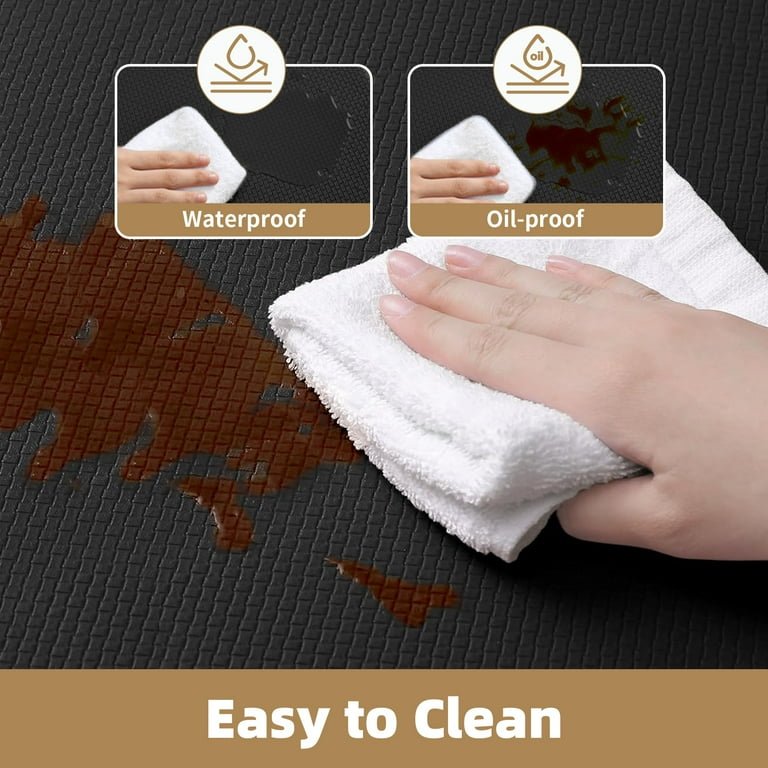
Your kitchen mat takes a beating every day: it catches pasta sauce splatters, cookie crumbs, muddy paw prints from the dog, and even that time you dropped a whole raw egg on it while making breakfast. But while you wipe down your countertops and stovetop after every use, that mat often gets ignored until it’s stained, smelly, or covered in grime. A dirty kitchen mat isn’t just an eyesore—per CDC's kitchen hygiene guidelines, kitchen floors and mats can harbor E. coli, Salmonella, and other bacteria that cause cross-contamination and foodborne illness, making regular cleaning a non-negotiable part of kitchen safety. The good news? Cleaning your kitchen mat doesn’t have to be a hassle. With the right method for your mat’s material, a few simple supplies, and 15-30 minutes of time, you can get a spotless shine that lasts for months. This guide walks you through every step, from pre-cleaning prep to stain removal tricks and long-term maintenance, to keep your mat looking and functioning like new.
Why Proper Kitchen Mat Cleaning Is More Important Than You Think
It’s easy to write off a dirty kitchen mat as a minor cosmetic issue, but neglecting it can lead to bigger problems for your kitchen’s hygiene and safety. Mats in high-traffic areas accumulate thousands of tiny particles of food, dust, and bacteria every week, which can transfer to your shoes, pet paws, and even the ingredients you set down on the counter nearby. Beyond health risks, a grimy, damp mat can also grow mold and mildew, which trigger allergies and cause persistent musty odors that linger even after you clean the rest of your kitchen. For households with kids, pets, or anyone with a compromised immune system, regular mat cleaning is one of the simplest ways to reduce cross-contamination and keep your cooking space safe. Just like your often-overlooked range hood filter, your mat is a frequently used kitchen item that gets far less cleaning attention than it deserves.
Step 1: Identify Your Mat Type and Care Requirements
Before you grab a sponge and soap, the first and most important step is to check your mat’s care label, usually sewn into a corner or printed on the backing. This label will tell you exactly what materials your mat is made of, and what cleaning methods are safe to use. Ignoring care instructions is the most common cause of mat damage: using hot water on a rubber-backed mat can cause it to warp or crack, while machine washing a foam anti-fatigue mat will flatten its cushioning permanently. If your mat doesn’t have a care label, refer to the material guidelines below to choose the right cleaning approach.
Common Kitchen Mat Types and Their Cleaning Needs
Different mat materials require vastly different care, and using the wrong method can ruin your mat in just one or two washes. Use this guide to match your mat type to the right cleaning routine:
| Mat Type | Core Material | Best Cleaning Method | Do's | Don'ts |
|---|---|---|---|---|
| Anti-fatigue | Foam core, rubber backing | Spot clean or hand wash with mild soap | Wipe spills immediately, air dry flat | Machine wash, soak in water, use harsh chemicals |
| Rubber | 100% rubber or PVC | Hand wash with soap and water, or hose down | Scrub with soft brush, air dry in shade | Use abrasive scrubbers, expose to direct sun for long periods |
| Fabric/microfiber | Polyester, cotton blend | Machine wash gentle cycle, cold water | Use mild detergent, air dry or tumble dry low | Use fabric softener, wash with heavy items like jeans |
| Gel/foam | Memory foam, polyurethane foam | Spot clean with damp cloth, hand wash | Blot stains, air dry completely | Machine wash, wring out to remove water |
In practice, most fabric kitchen mats will last 1-2 years with weekly cleaning, but high-traffic mats in homes with pets or kids may need replacing every 6-9 months. When shopping for a replacement, opt for materials with reinforced backing to avoid slipping—our guide to durable kitchen surface materials breaks down what makes kitchen tools hold up to heavy, daily use. durable kitchen surface materials
Step 2: Pre-Clean Prep to Avoid Grime Buildup
Skipping pre-cleaning is a common mistake that leaves dirt and debris embedded in your mat’s fibers, making even the most thorough wash less effective. Proper prep only takes 2-3 minutes, and it will make your cleaning work far more efficient. Start by taking the mat outside (or to a utility sink, if you have one) and shaking it vigorously for 10-15 seconds to dislodge loose crumbs, dust, and pet hair. For thick anti-fatigue or rubber mats, you can also beat it gently against a clean, hard surface (like a patio step) to loosen dirt trapped in the textured grooves.
Next, use a vacuum with a crevice tool attachment to suck up fine dust and debris from both sides of the mat, paying special attention to the edges and any textured patterns where dirt likes to hide. If you have a lot of stuck-on mud or dried food, use a dull butter knife or soft scrub brush to gently scrape off the top layer before moving on to washing. Pre-cleaning also prevents small sharp debris (like broken glass or hard crumbs) from scratching your kitchen floor when you lift the mat to clean underneath it. For households that do a lot of cooking, pre-cleaning your mat once a week alongside your regular kitchen vacuuming cuts down on deep cleaning time by half, and prepping meals in a slow cooker cuts down on splatters and spills that stain your mat over time—our low-mess slow cooker meals make weeknight cooking far less messy.
Step 3: Hand Washing for Delicate or Heavily Soiled Mats
Hand washing is the safest option for most kitchen mats, especially delicate foam, rubber, or hand-painted fabric mats that can get damaged in a washing machine. It also lets you focus extra attention on stubborn stains and high-traffic areas. Follow these steps for a thorough, damage-free hand wash:
Choose the Right Cleaning Solution
The EPA's guide to safe cleaning products recommends using plant-based or unscented mild detergents for surfaces that come into contact with food, to avoid harsh chemical residue that could transfer to ingredients or cookware. Avoid bleach, ammonia, or abrasive all-purpose cleaners unless your care label explicitly approves them, as these will degrade rubber backing, fade fabrics, and leave unsafe residue. For lightly soiled mats, a few drops of dish soap mixed with warm (not hot) water is enough. For heavily soiled or stained mats, add ¼ cup of white vinegar to the water to cut through grease and kill odor-causing bacteria. Always test any cleaning solution on a hidden corner of the mat first to check for colorfastness, especially for printed or dyed mats.
Scrub Without Damaging the Mat
Use a soft-bristled brush (an old toothbrush works great for small stains) or a non-abrasive sponge to scrub the mat in gentle circular motions. A common mistake is using a stiff scrub brush or steel wool, which will tear fabric fibers and scratch rubber backing. Focus extra attention on high-traffic areas (the spots right in front of the sink and stove) and any visible stains, but avoid scrubbing so hard that you damage the mat’s surface. For anti-fatigue mats with foam cores, be careful not to saturate the foam, as it can take days to dry fully and grow mold if left damp.
Rinse Thoroughly
Rinse the mat under lukewarm running water (a hose or showerhead works best for large mats) until all soap suds are gone. Leftover detergent will attract dirt and leave a sticky residue that makes the mat feel grimy after it dries. For extra peace of mind, wipe the mat down with a clean, damp cloth after rinsing to catch any remaining soap. If you have hard water, you may notice a slight film on the mat after rinsing—wiping it with a 1:1 vinegar and water solution will remove the buildup without damaging the material.
 A soft-bristled brush prevents damage to delicate mat fibers during scrubbing
Credit: www.amazon.ca
A soft-bristled brush prevents damage to delicate mat fibers during scrubbing
Credit: www.amazon.ca
Step 4: Machine Washing for Machine-Safe Mats
If your care label says your mat is machine washable, this method is a huge time-saver for low-traffic fabric or microfiber mats. Follow these tips to avoid damaging your mat in the wash:
Set the Right Cycle
Always select the gentle or delicate cycle on your washing machine, which uses slower spin speeds and less agitation to protect the mat’s backing and fibers from fraying or warping. Use cold or lukewarm water—hot water will shrink cotton or polyester fabrics, fade prints, and degrade rubber non-slip backing over time. If you notice your mat coming out of the wash stiff or rough, you’re likely using water that’s too hot, or too much detergent. Skip the fabric softener entirely for microfiber mats, as it coats the fibers and reduces their absorbency, making them less effective at catching spills and dirt.
Use a Laundry Bag Correctly
Place your mat inside a large, sturdy laundry bag before adding it to the washing machine. This reduces friction with the machine drum and other laundry items, preventing frayed edges, torn corners, and damage to the non-slip backing. Make sure the bag is big enough that the mat isn’t tightly crumpled—this allows water and detergent to circulate fully for a more even clean. Avoid washing your mat with heavy, rough items like jeans, jackets with zippers, or towels with hooks, as these can tear the mat’s fabric or scratch rubber backing.
Drying Do's and Don'ts
Never put your kitchen mat in the dryer on high heat, as this will shrink fabrics, warp rubber backing, and cause foam cores to melt. Instead, air dry the mat flat on a drying rack or hang it over a railing in a well-ventilated, shaded area. Direct sunlight for more than 30 minutes will fade colors and break down rubber backing, so keep it out of direct sun if possible. If you need it to dry faster, place it near a fan or in a room with a dehumidifier to speed up evaporation without risking heat damage. Always make sure the mat is 100% dry before putting it back on the floor—damp mats trap moisture under them, which can cause mold to grow on your kitchen flooring and create a slip hazard.
 Air drying flat prevents warping and keeps non-slip backing intact
Credit: www.youtube.com
Air drying flat prevents warping and keeps non-slip backing intact
Credit: www.youtube.com
Tackling Stubborn Stains: Solutions for Even the Toughest Messes
Even with regular cleaning, kitchen mats are bound to pick up tough stains from cooking splatters, dropped food, and tracked-in dirt. The key to removing these stains is acting fast and using the right solution for the stain type—using the wrong product can set the stain permanently or damage the mat. Below is a quick reference for the most common kitchen mat stains, followed by step-by-step removal tricks:
| Stain Type | Best Solution | Precautions |
|---|---|---|
| Grease/oil (cooking splatters, butter, olive oil) | Dish soap mixed with warm water, or baking soda paste | Blot the stain first with a clean cloth to remove excess oil; never rub, as this spreads the grease deeper into fibers |
| Protein (raw meat, eggs, dairy) | Cold water + mild detergent, followed by a white vinegar rinse | Never use hot water, which cooks the protein into the mat’s fibers and makes the stain permanent |
| Tannin (coffee, wine, tomato sauce, berry juice) | 1:1 white vinegar and water spray, or color-safe oxygen bleach | Test on a hidden corner first to avoid fading printed or colored mats |
| Mud/dirt | Brush off dry residue first, then soap and warm water | Avoid rubbing wet mud, as this grinds dirt deeper into the mat’s texture |
Stain Removal Pro Tips
- Always blot stains with a clean, dry cloth first to remove as much of the spill as possible before applying any cleaning solution. Rubbing will push the stain deeper into the fibers and make it harder to remove.
- For old, set-in stains, apply your chosen cleaning solution, let it sit for 15-20 minutes (for baking soda paste, let it sit until it’s completely dry before brushing off), then scrub gently with a soft-bristled brush.
- For fresh raw egg or meat spills, act within 10 minutes to avoid cross-contamination—our guide to cleaning up raw egg messes walks through safe, quick steps to avoid spreading bacteria.
- After removing any stain, rinse the area thoroughly with clean water and blot dry with a clean towel to remove leftover cleaning solution, which can attract dirt over time.
A common mistake many people make is reaching for harsh stain removers like bleach or hydrogen peroxide on colored mats, which will fade the fabric and degrade rubber backing within 2-3 uses. Stick to mild, food-safe solutions for most stains, and only use stronger products if the care label explicitly approves them.
Drying and Long-Term Maintenance to Extend Your Mat's Lifespan
Proper drying is just as important as cleaning when it comes to keeping your kitchen mat in good shape. A damp mat is a breeding ground for mold, mildew, and bacteria, which can cause musty odors and even damage your kitchen flooring if left sitting for too long. Follow these tips to dry your mat correctly and keep it in great condition between deep cleans:
Air Drying Best Practices
Air drying is the safest option for all mat types, as it avoids the heat damage that can come with machine dryers. Lay the mat flat on a drying rack or hang it over a shower rod/railing in a well-ventilated, shaded area. Avoid direct sunlight for extended periods, as UV rays will fade printed designs and break down rubber or foam backing over time. For thick anti-fatigue mats, you can place a clean towel on top of the mat and press down gently to absorb excess water before air drying, which cuts down on drying time by 30-40%.
Odor and Mold Prevention
To keep your mat smelling fresh between washes, sprinkle a thin layer of baking soda over the surface, let it sit for 15 minutes, then vacuum or shake it off. Baking soda absorbs odor-causing bacteria and moisture without leaving any residue. If your mat develops a musty smell after being left damp, mix equal parts white vinegar and water, spray the entire surface, let it sit for 10 minutes, then rinse and air dry fully. To prevent mold growth, never put a damp mat back on the floor, and store spare mats in a dry, well-ventilated closet instead of a damp basement or garage.
Simple Daily Maintenance Habits
You don’t have to deep clean your mat every week to keep it in good shape. A few simple daily habits will extend its lifespan and reduce the need for frequent deep cleans:
- Shake out your mat every time you vacuum the kitchen (once a week for low-traffic mats, twice a week for high-traffic homes with pets or kids) to remove loose crumbs and debris.
- Wipe up spills immediately with a damp cloth to prevent stains from setting.
- Rotate your mat 180 degrees every month to distribute wear evenly, so high-traffic areas don’t thin out as quickly.
- If you cook messy dishes like spicy buffalo pasta bakes, place a reusable silicone liner under your prep area to catch drips before they stain your mat or create a slip risk.
When to Toss Your Kitchen Mat Instead of Cleaning It
Even with the best care, kitchen mats don’t last forever. Continuing to use a worn-out mat isn’t just unhygienic—it can also be a safety hazard. Replace your kitchen mat if you notice any of the following signs:
- The non-slip backing is worn down or peeling: A mat that slides around under your feet is a major slip and fall risk, especially in a kitchen where spills are common.
- The foam or fabric is thinned, flattened, or has large holes: Thinned anti-fatigue mats no longer provide cushioning for your feet, and holes can trap dirt and bacteria that are impossible to remove with cleaning.
- Stains or odors won’t come out after multiple deep cleans: If you’ve tried stain removal solutions and the mat still smells musty or has permanent dark stains, it’s harboring mold or bacteria that can’t be fully eliminated.
- The mat is curled or warped: A warped mat won’t lie flat on the floor, which creates a tripping hazard and prevents it from catching spills effectively.
Most kitchen mats last 1-2 years with regular cleaning, but high-traffic mats in homes with pets, kids, or frequent cooking may need replacing every 6-9 months. Opting for quick, low-mess weeknight meals like 5-minute microwave mac and cheese cuts down on the splatters that accumulate on your mat over time, extending its lifespan.
 Microfiber mats trap dirt effectively but require gentle washing to stay soft
Credit: www.vmathome.com
Microfiber mats trap dirt effectively but require gentle washing to stay soft
Credit: www.vmathome.com
Frequently Asked Questions
How often should I clean my kitchen mat?
High-traffic kitchen mats (in homes with kids, pets, or daily cooking) need a full deep clean once a week, plus spot-cleaning for spills as they happen. Low-traffic mats in guest kitchens or rarely used pantries only need a deep clean every 2-3 weeks. If your mat smells musty or looks stained even after cleaning, increase your cleaning frequency or replace it if the damage is permanent.
What is the best cleaning method for kitchen mats?
The best method depends on your mat’s material: hand washing with mild soap and lukewarm water is safest for rubber, foam, and delicate fabric mats, while machine-safe fabric and microfiber mats can be washed on a gentle cycle with cold water. Always check the care label first to avoid damage, and air dry all mats fully before putting them back on the floor.
Can I use bleach to clean my kitchen mat?
Bleach is not recommended for most kitchen mats, as it will fade colored fabrics, degrade rubber and foam backing, and leave harsh chemical residue that can transfer to food and cookware. Only use bleach if your care label explicitly states it is safe, and dilute it heavily with water (1 part bleach to 10 parts water) if you do.
How do I remove grease stains from my kitchen mat?
For fresh grease stains, blot up excess oil with a clean cloth, then apply a drop of dish soap mixed with warm water to the stain. Scrub gently with a soft brush, rinse with lukewarm water, and air dry. For set-in grease stains, apply a baking soda paste, let it sit for 20 minutes, then scrub and rinse as normal.
Are kitchen mats a slip hazard?
A clean, well-maintained mat with intact non-slip backing is not a slip hazard—in fact, it reduces slip risks by catching spills and providing traction under your feet. Worn-out mats with peeling backing, or damp mats left on the floor, are the main causes of mat-related slips, so replace worn mats and always dry them fully before use.
Conclusion
A clean kitchen mat is a small but powerful part of a safe, hygienic kitchen. It catches spills and dirt that would otherwise spread to your floors, shoes, and food prep areas, and regular cleaning extends its lifespan by 6-12 months so you don’t have to replace it as often. By matching your cleaning method to your mat’s material, acting fast on spills, and following the drying and maintenance tips above, you can keep your mat looking like new for years. Ready to refresh your kitchen routine? Start by giving your mat a deep clean this weekend, and check out our other kitchen maintenance guides to keep every surface in your cooking space spotless.

Hi, I’m Daniel Brooks—a food lover and kitchen gear enthusiast. I enjoy testing cookware, utensils, and gadgets to see what really works in everyday cooking. At PlugChef.com, I share honest reviews, comparisons, and simple guides to help you choose the best tools for a safer, smarter, and more enjoyable kitchen.
Related posts:
 How to Make a Fruit Basket for a Gift: Easy DIY Guide
 Do You Need a Basket? Essential Guide for Air Fryers
 Affresh Kitchen And Appliance Cleaner W10355010: Ultimate Guide
 Kitchen Color Ideas With White Appliances: Stunning Combinations
 How to Clean Drains Outside: Easy Steps for a Clog-Free Yard
 Baking Soda Uses Beyond Cooking: The Ultimate Multi-Purpose Guide

