
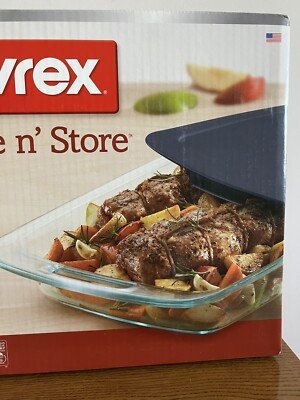
Are you wondering if Pyrex glass is truly safe to use in your oven? You’re not alone.
Many home cooks hesitate before placing their favorite Pyrex dishes under high heat. What if it cracks or shatters? What if it changes the taste of your food? You’ll discover everything you need to know about using Pyrex glass in the oven safely.
By the time you finish reading, you’ll feel confident and ready to cook with Pyrex without worry. Keep reading to learn the facts and tips that will protect your dishes—and your meals.
Pyrex Glass Basics
Understanding the basics of Pyrex glass helps you make the most out of your kitchen tools. Pyrex is a popular choice for oven-safe cookware because it combines durability with clear visibility. Knowing what Pyrex glass is and the different types available can improve your cooking experience and safety.
What Is Pyrex Glass
Pyrex glass is a type of borosilicate or tempered soda-lime glass known for its high resistance to heat. It can withstand sudden temperature changes that would crack regular glass. This makes it perfect for oven use, as you can go from freezer to oven without worry.
Have you ever wondered why your old glass baking dish didn’t survive the oven? That’s often because it wasn’t made from Pyrex or similar heat-resistant glass. Pyrex was designed to solve that problem, giving you peace of mind while cooking.
Types Of Pyrex Glassware
Pyrex offers various glassware types tailored for different kitchen needs. You’ll find:
- Borosilicate Glass:Known for excellent thermal shock resistance, commonly used outside the US.
- Tempered Soda-Lime Glass:More common in the US, still oven-safe but with slightly different heat tolerance.
- Specialty Bakeware:Includes pie plates, mixing bowls, and casserole dishes designed specifically for baking and cooking.
- Storage Containers:Oven-safe but also convenient for fridge and microwave use.
Choosing the right type of Pyrex glassware depends on your cooking style and needs. Which kind do you use most often, and have you noticed any difference in performance?
Heat Resistance Of Pyrex
Pyrex glass is known for its impressive heat resistance. It can endure high temperatures without cracking or breaking. This quality makes Pyrex a popular choice for oven-safe cookware. Understanding how Pyrex handles heat helps users cook safely and effectively.
Temperature Limits For Oven Use
Pyrex glass can safely handle oven temperatures up to 450°F (232°C). Most Pyrex products come with this heat limit in mind. Using Pyrex above this temperature can cause damage or breakage.
Here are common temperature guidelines:
- Maximum oven temperature: 450°F (232°C)
- Microwave safe at any temperature
- Not suitable for direct stovetop heat
How Pyrex Handles Thermal Shock
Thermal shock happens when glass faces sudden temperature changes. Pyrex is made to resist thermal shock better than regular glass. It uses borosilicate or tempered soda-lime glass to achieve this.
Still, avoid placing hot Pyrex directly on cold surfaces. Also, never add cold liquids to hot Pyrex dishes. These actions may cause cracking due to rapid temperature shifts.
Safe Baking Practices
Pyrex glass is safe for oven use and withstands high temperatures without breaking. Avoid sudden temperature changes to prevent cracks and ensure safe baking. Use it on the middle rack for even heat distribution.
Safe baking with Pyrex glass involves understanding a few key practices. These practices ensure your bakeware remains intact and your food cooks perfectly. Let’s dive into some simple steps to enhance your baking experience.Preparing Pyrex For Oven Use
Before placing Pyrex in the oven, inspect it closely. Ensure there are no chips or cracks. Clean it thoroughly to remove any food residues. Grease the surface lightly to prevent food from sticking. Preheat the oven to the desired temperature before placing the Pyrex inside. This helps in even cooking and reduces stress on the glass.Avoiding Sudden Temperature Changes
Sudden temperature changes can cause Pyrex to shatter. Avoid moving Pyrex from the freezer directly to a hot oven. Allow it to come to room temperature first. Never place hot Pyrex on a cold or wet surface. Use a dry towel or cooling rack instead. This prevents thermal shock and maintains the integrity of the glass.Proper Cleaning And Maintenance
After use, let the Pyrex cool before cleaning. Avoid using metal scrubbers that can scratch the surface. Opt for a soft sponge with mild detergent. Rinse well to remove all soap residues. Store Pyrex in a dry place, away from high humidity. Regular maintenance ensures longevity and reliability.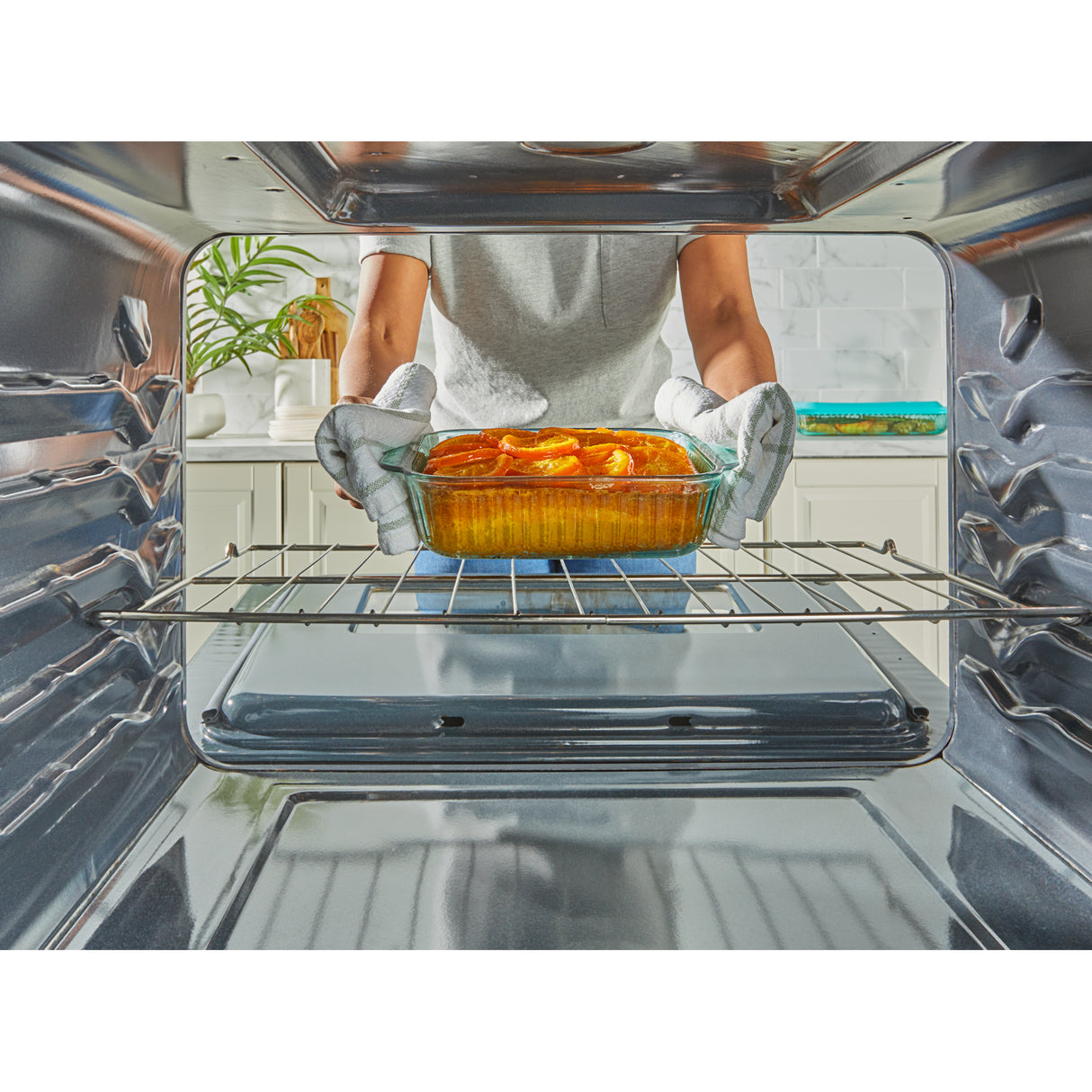
Credit: pyrexhome.com
Common Misconceptions
Many people have wrong ideas about Pyrex glass in the oven. These misunderstandings can cause fear and misuse. Clearing up these myths helps you use Pyrex safely and with confidence. Knowing the truth makes cooking easier and safer.
Myths About Pyrex Breaking In Oven
Some believe Pyrex breaks easily in the oven. This is not true if used correctly. Pyrex glass is made to handle oven heat. Sudden temperature changes can cause breakage. For example, putting a hot dish on a cold surface might crack it.
Pyrex will not shatter just from normal baking. It is strong against heat up to its limit. Avoid heating empty Pyrex dishes. Also, never move a hot Pyrex dish into cold water. These actions cause stress and breakage.
Differences Between Pyrex And Other Glassware
Pyrex glass differs from regular glassware. It is made from borosilicate or tempered glass. This makes it better at handling heat changes. Regular glass may crack easily under heat.
Pyrex is designed for oven use. Other glassware may only be safe for serving or cold use. Check labels before using any glass in the oven. Using the wrong type can cause accidents.
Pyrex also resists stains and odors better than many glass types. It stays clear and clean after many uses. This makes Pyrex a reliable choice for baking and cooking.
Choosing The Right Pyrex For Baking
Choosing the right Pyrex for baking can make a big difference in your kitchen experience. Not all Pyrex glassware is created equal, especially when it comes to oven safety. Picking the correct type ensures your dishes cook evenly and safely, without any risk of cracking or shattering.
Identifying Oven-safe Pyrex
Look for Pyrex products specifically labeled as oven-safe. These items are made from tempered glass designed to handle high temperatures without breaking.
Check the packaging or bottom of the dish for symbols or text indicating oven use. If you see a flame icon or “oven safe” wording, you’re good to go.
Beware of Pyrex containers meant only for microwave or refrigerator use; these are not built to handle the dry heat of an oven.
Recommended Pyrex Products For Baking
Several Pyrex products stand out for their reliability in baking:
- Pyrex Classic Glass Baking Dish:A durable, clear glass dish perfect for casseroles and lasagnas.
- Pyrex Glass Pie Plate:Designed with a slightly thicker edge to help prevent cracking during baking.
- Pyrex Rectangular Storage & Baking Dish:Versatile for baking and storing leftovers.
Choosing one of these ensures you have a trusted tool that performs well under oven heat.
Have you ever had a glass dish crack mid-bake? Selecting the right Pyrex can prevent this frustrating experience and keep your kitchen safe.

Credit: www.costco.ca
Troubleshooting And Safety Tips
Using Pyrex glass in your oven offers great convenience, but it also requires some care to ensure safety and durability. Knowing how to handle unexpected cracks and avoiding accidents can save you stress and potential injuries. Let’s dive into practical troubleshooting steps and essential safety tips to help you get the most out of your Pyrex cookware.
What To Do If Pyrex Cracks
Spotting a crack in your Pyrex dish can be alarming. First, avoid using the cracked dish in the oven or microwave, as heat can cause the crack to spread quickly and lead to shattering.
Carefully inspect the crack: is it hairline or deep? Hairline cracks might seem harmless but can still weaken the glass structure. It’s best to retire any dish with visible cracks to prevent accidents.
If the crack appeared after sudden temperature changes, think about what might have caused thermal shock. Did you move the dish directly from freezer to oven? Understanding this helps prevent future damage.
Preventing Accidents In The Kitchen
- Avoid extreme temperature changes:Let your Pyrex cool down before washing or placing it in a cold environment.
- Use oven mitts:Pyrex glass can be hotter than metal pans, so always protect your hands to prevent burns.
- Place on flat surfaces:Uneven surfaces can cause stress points on the glass, increasing the risk of cracks.
- Don’t use damaged cookware:Even small chips can lead to larger breaks under heat.
Have you ever rushed to take a dish out of the oven only to drop it? Learning from those moments can help you develop safer habits, like always clearing your workspace before handling hot dishes.
Keeping these safety tips in mind not only protects you but also extends the life of your Pyrex glassware. What’s your biggest challenge when working with glass cookware?

Credit: www.amazon.ca
Frequently Asked Questions
Is Pyrex Glass Safe For Oven Use?
Yes, Pyrex glass is designed to be oven-safe. It can withstand high temperatures without cracking or breaking, making it ideal for baking and cooking.
Can Pyrex Glass Handle Sudden Temperature Changes?
Pyrex glass resists thermal shock but avoid extreme temperature changes. Gradually heat or cool to prevent cracking and prolong its lifespan.
What Temperature Limits Should I Follow For Pyrex Glass?
Do not exceed 450°F (232°C) when using Pyrex glass in the oven. High temperatures beyond this may cause damage or breakage.
How To Clean Pyrex Glass After Oven Use?
Clean Pyrex with warm, soapy water and a soft sponge. Avoid abrasive cleaners to maintain its clarity and durability.
Conclusion
Pyrex glass works well in the oven for many cooking tasks. It can handle high temperatures without breaking. Still, avoid sudden temperature changes to keep it safe. Always check the manufacturer’s instructions before use. Using Pyrex glass means you can cook and serve in the same dish.
It’s a simple and practical choice for your kitchen. Cooking becomes easier and cleanup is quick. Safe, clear, and sturdy—Pyrex glass is a smart oven option.

I’m Abby Lu, a passionate home cook who loves simplifying everyday meals. At PlugChef.com, I share product reviews and cooking guides to help you find the best tools for your kitchen.
Related posts:
 What Type of Cooking Utensils are Safe: Expert Picks
 What Innovations Could Blenders Make: Unleashing Future Tech
 Smart Strategies to Organize a Small Kitchen: Maximize Space
 How to Organize a Kitchen Cabinet: Expert Tips & Tricks
 How to Organize Kitchen Drawers: Expert Tips and Tricks
 How to Organize a Corner Kitchen Cupboard: Expert Tips

