

Have you ever wondered if you can take your frozen pizza from the freezer straight to the barbecue grill? Imagine biting into a crispy, smoky slice with perfectly melted cheese and a golden crust—all made outdoors.
You don’t need a fancy oven or extra time to enjoy this tasty treat. In this guide, you’ll discover simple steps to turn your frozen pizza into a grill masterpiece. Keep reading, and you’ll learn how to impress your friends and satisfy your cravings with a unique twist on a classic favorite.
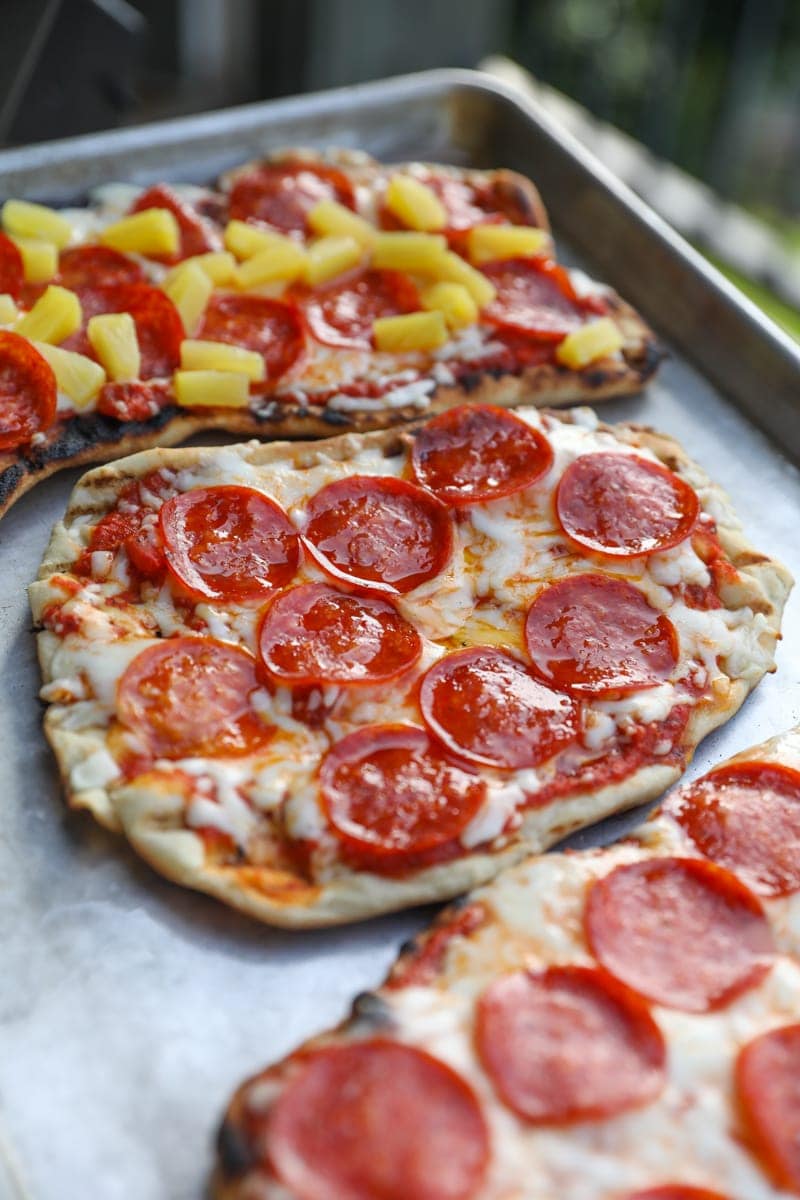
Credit: laurenslatest.com
Choosing The Right Frozen Pizza
Choosing the right frozen pizza is key to getting that perfect barbecue flavor and texture. Not every frozen pizza holds up well on the grill, so knowing what to look for can save you from soggy crusts or burnt toppings. Let’s dive into how you can pick a frozen pizza that will shine on your barbecue.
Types Of Frozen Pizza Suitable For Bbq
Look for pizzas with a sturdy crust, like classic thin crust or traditional hand-tossed styles. These tend to hold up better on the grill without falling apart.
Thin crust pizzas cook faster and crisp up nicely over direct heat. On the other hand, thick crust or deep-dish pizzas might need indirect grilling to avoid burning the outside before the inside heats through.
Frozen pizzas loaded with too many delicate toppings, such as fresh herbs or soft cheeses, may not fare well on the grill. Instead, choose varieties with firmer toppings like pepperoni, sausage, or vegetables that won’t overcook quickly.
Size And Thickness Considerations
Smaller pizzas are easier to handle on the grill and reduce the risk of uneven cooking. A 10 to 12-inch pizza fits well and allows you to control the heat better.
Thickness plays a huge role in grilling success. Thinner pizzas crisp up faster, which is great for quick cook times. Thicker pizzas require patience and careful heat management—try using indirect heat or closing the grill lid to cook evenly.
Have you ever tried grilling a giant frozen pizza only to find the crust burnt and toppings cold? Choosing the right size and thickness can prevent this common barbecue mishap and deliver a juicy, flavorful result.

Credit: www.youtube.com
Preparing The Grill
Preparing your grill properly is key to turning a simple frozen pizza into a deliciously crispy, smoky meal. A well-prepped grill controls the cooking environment, ensuring the pizza cooks evenly without burning. Before you place that pizza on the grates, you need to focus on two important tasks: cleaning and setting up the heat zones.
Cleaning And Preheating Tips
Start by cleaning your grill grates thoroughly. Old food residue can cause sticking and uneven cooking. Use a grill brush or a ball of aluminum foil to scrape off any leftover bits.
Once clean, preheat your grill to a medium-high temperature, around 400°F (204°C). This allows the crust to crisp up nicely without overcooking the toppings. Preheating also helps kill any bacteria and gives you steady heat for cooking.
Have you ever placed pizza on a cold grill and ended up with soggy dough? Preheating is your secret weapon against that. Give your grill at least 10-15 minutes to heat up properly before you start cooking.
Setting Up Heat Zones
Creating heat zones means setting up areas of your grill with different temperatures. This lets you cook the pizza indirectly and avoid burning the crust while melting the cheese evenly.
- Light one side of your grill to create a hot zone for direct heat.
- Leave the other side unlit or at a lower temperature for indirect heat.
- Place the pizza on the cooler side to cook through without burning.
This method gives you control over the cooking process. You can start the pizza on the indirect heat zone to cook the toppings and then move it briefly over direct heat to crisp the crust. Experiment with this setup and see how it changes your pizza’s texture.
Thawing Vs Cooking Frozen Pizza Directly
Thawing frozen pizza before barbecuing helps cook it evenly but takes extra time. Cooking it directly keeps the crust crispy but needs careful heat control. Both ways work well on the grill with proper attention.
Barbecuing a frozen pizza might seem like a culinary adventure, but it raises an important question: should you thaw the pizza first or cook it directly from frozen? This decision can significantly impact your barbecue experience. Each approach has its own set of advantages and potential drawbacks, and knowing when to use each method can lead to a deliciously satisfying pizza.Pros And Cons Of Thawing
Thawing your frozen pizza before barbecuing allows for more even cooking. The crust tends to crisp up nicely, and the toppings heat evenly, reducing the risk of cold spots. This can be particularly beneficial if your barbecue doesn’t distribute heat uniformly. However, thawing requires extra time and planning. If you’re in a hurry or if the pizza has been sitting out for too long, it might become soggy or lose some of its freshness. Also, handling a thawed pizza can be trickier, as the dough might become too soft.When To Cook Without Thawing
Cooking pizza directly from frozen can be a time-saver, especially for impromptu barbecues. It eliminates the need for planning ahead, allowing you to satisfy your pizza cravings on a whim. The crust may also retain more of its texture, providing a satisfying crunch. However, this method can sometimes lead to uneven cooking, especially if your barbecue doesn’t provide consistent heat. You might end up with a perfectly crispy crust but still have partially melted cheese or undercooked toppings. So, which method do you prefer for your barbecue nights? Consider your timing, equipment, and desired results to decide whether to thaw or not to thaw.
Credit: www.aldireviewer.com
Grilling Techniques For Crispy Crust
Achieving a crispy crust on frozen pizza through grilling takes more than just placing it on the grill. You need to control heat carefully and use specific techniques to avoid sogginess or burnt spots. The right grilling approach brings out that perfect crunch and enhances the overall flavor, making your pizza taste like it came from a wood-fired oven.
Using Indirect Heat
Grilling frozen pizza over indirect heat helps cook the crust evenly without burning it. Set up your grill with coals or burners on one side only, then place the pizza on the cooler side. This allows the heat to circulate gently, crisping the crust while melting the cheese perfectly.
I once tried cooking pizza directly over flames and ended up with a burnt bottom and raw toppings. Switching to indirect heat made a huge difference in texture and taste.
Managing Grill Temperature
Keep your grill temperature steady between 350°F and 400°F for the best crispy crust. Too high, and the crust burns before the toppings cook; too low, and the crust stays soggy. Use a grill thermometer to monitor heat and adjust the vents or burners as needed to maintain this range.
Have you checked your grill’s temperature lately? Small changes in heat can affect your pizza’s outcome more than you think.
Avoiding Burnt Spots
Moving the pizza occasionally prevents hot spots from burning parts of the crust. Rotate the pizza every few minutes to ensure even cooking. If you notice flare-ups, quickly move the pizza away to a cooler zone until the flames die down.
Using a pizza stone or placing the pizza on a piece of aluminum foil can also reduce the risk of burnt spots by distributing heat more evenly. Try these tricks to keep your crust golden and crisp without black edges.
Enhancing Flavor On The Grill
Grilling a frozen pizza opens up a world of flavor beyond the ordinary oven bake. The grill’s smoky essence and high heat can transform a simple frozen pizza into a deliciously crispy and aromatic meal. Enhancing the flavor on the grill involves a few smart tricks that elevate your pizza game instantly.
Adding Extra Toppings
Think of your frozen pizza as a blank canvas waiting for your personal touch. Adding fresh toppings like sliced bell peppers, mushrooms, or even a handful of spinach can boost both flavor and texture. Don’t forget a sprinkle of extra cheese or a drizzle of olive oil to make the crust golden and rich.
Try experimenting with protein options such as cooked sausage or grilled chicken pieces. These toppings add heartiness and make your pizza more satisfying. What toppings do you have on hand that could turn your frozen pizza into a gourmet treat?
Using Wood Chips Or Herbs
Wood chips are a simple way to add smoky depth to your grilled pizza. Soak a small handful of wood chips in water for about 30 minutes, then place them in a smoker box or wrap them in foil with holes poked for smoke to escape. This will infuse your pizza with subtle, complex flavors.
Fresh herbs also make a big difference. Scatter basil, oregano, or rosemary over the pizza right before serving to add vibrant aroma and taste. You might find that a pinch of dried herbs mixed into the sauce or cheese layer before grilling takes the flavor up a notch.
Checking For Doneness
Checking for doneness is key to enjoying a perfectly barbecued frozen pizza. You want to make sure the crust is crispy, the cheese is melted and bubbly, and the toppings are cooked through without burning. But how can you tell if your pizza is truly ready, especially on a grill where heat can be uneven?
Signs Of Perfectly Cooked Pizza
Look for a golden-brown crust with slight char marks—this means the heat has crisped it nicely. The cheese should be fully melted and bubbling, not just soft or half-melted.
Check the edges of the toppings; they should be cooked through and slightly caramelized without being burnt. The bottom of the pizza should be firm and easy to lift off the grill without sticking.
Have you ever pulled a pizza off the grill too soon only to find soggy dough? Waiting for these visual signs helps avoid that disappointment.
Tools To Measure Temperature
Using a food thermometer can take the guesswork out of doneness. Aim for an internal temperature of around 165°F (74°C) to ensure the pizza is hot all the way through.
A digital instant-read thermometer works best because it gives you a quick, accurate reading without opening the grill too often. You can insert the probe into the center of the pizza to check.
If you don’t have a thermometer, a grill-safe timer combined with your visual checks can help prevent undercooking or burning.
Serving And Presentation Tips
Serving and presenting barbecue frozen pizza can make a simple meal feel special. A good presentation adds to the taste and enjoyment. Small touches create a great dining experience. Keep the look neat and inviting. Let’s explore easy tips to serve and present your pizza perfectly.
Cutting And Serving Suggestions
Cut pizza into even slices for easy sharing. Use a sharp pizza cutter or knife. Serve slices on a large wooden board or a clean plate. Arrange slices in a circle or fan shape. This looks appealing and keeps pieces organized.
Offer napkins or small plates for each guest. Let guests take slices as they like. For a casual feel, serve pizza in paper-lined baskets. This keeps it simple and fun. Warm pizza tastes better, so serve it right away.
Pairing With Sides And Drinks
Choose sides that complement pizza flavors. Fresh salads with light dressings balance the richness. Garlic bread or soft breadsticks add a tasty touch. Simple veggie sticks with dip offer a crunchy contrast.
For drinks, cold sodas or sparkling water work well. Light beers or iced tea also match pizza’s bold taste. Avoid heavy or overpowering drinks. Keep the focus on the pizza’s smoky, cheesy flavor.
Common Mistakes To Avoid
Barbecuing frozen pizza can be a quick and tasty way to satisfy your cravings, but it’s easy to slip into habits that spoil the experience. Avoiding common mistakes can make a big difference in the final taste and texture of your pizza. Here’s what you should watch out for to get that perfect crust and gooey cheese every time.
Overcrowding The Grill
Putting too many pizzas on the grill at once might seem efficient, but it actually causes uneven cooking. When pizzas are too close, heat circulation drops, leading to soggy spots or burnt edges. Have you ever noticed how some slices cook faster than others? That’s the grill struggling to do its job.
Leave enough space between pizzas so heat flows around each one. This simple step helps maintain a crispy crust and evenly melted cheese. It also prevents you from constantly flipping or moving pizzas, which can tear the crust.
Ignoring Temperature Control
High heat is great for grilling, but frozen pizza needs a balance to cook through without burning. Many people set the grill to max and wonder why the crust burns while the toppings stay cold. Controlling the temperature keeps the pizza crispy outside and fully cooked inside.
Try using medium heat and close the grill lid to trap warmth evenly. Use a grill thermometer to monitor the temperature if you can. Have you checked your grill’s heat settings lately? Adjusting them might be the key to your best barbecue pizza yet.
Frequently Asked Questions
Can You Barbecue Frozen Pizza Directly Without Thawing?
Yes, you can barbecue frozen pizza directly. Use indirect heat to avoid burning the crust. Preheat the grill and cook with the lid closed for even heat distribution.
What Is The Best Grill Temperature For Frozen Pizza?
Set your grill to medium heat, around 350°F to 400°F. This temperature cooks the pizza evenly without burning the crust or undercooking the toppings.
How Long Does It Take To Cook Frozen Pizza On A Barbecue?
Cooking frozen pizza on a barbecue takes about 10-15 minutes. Check frequently to avoid burning. Rotate the pizza halfway through for even cooking.
Should I Use A Pizza Stone Or Grill Rack For Barbecue Pizza?
Using a pizza stone helps distribute heat evenly and creates a crispy crust. A grill rack works too but may cause uneven cooking or flare-ups.
Conclusion
Barbecuing frozen pizza is easy and fun. It adds a smoky flavor to your meal. Just follow simple steps and watch your pizza cook evenly. Keep the heat steady and check often to avoid burning. This method works great for quick snacks or casual gatherings.
Enjoy a crispy crust and melted cheese every time. Try it out and impress your friends with a tasty twist. Barbecue pizza makes outdoor cooking more exciting and delicious. Give it a go next time you want something different.

I’m Abby Lu, a passionate home cook who loves simplifying everyday meals. At PlugChef.com, I share product reviews and cooking guides to help you find the best tools for your kitchen.
Related posts:
 What Type of Cooking Utensils are Safe: Expert Picks
 What Innovations Could Blenders Make: Unleashing Future Tech
 Smart Strategies to Organize a Small Kitchen: Maximize Space
 How to Organize a Kitchen Cabinet: Expert Tips & Tricks
 How to Organize Kitchen Drawers: Expert Tips and Tricks
 How to Organize a Corner Kitchen Cupboard: Expert Tips

