
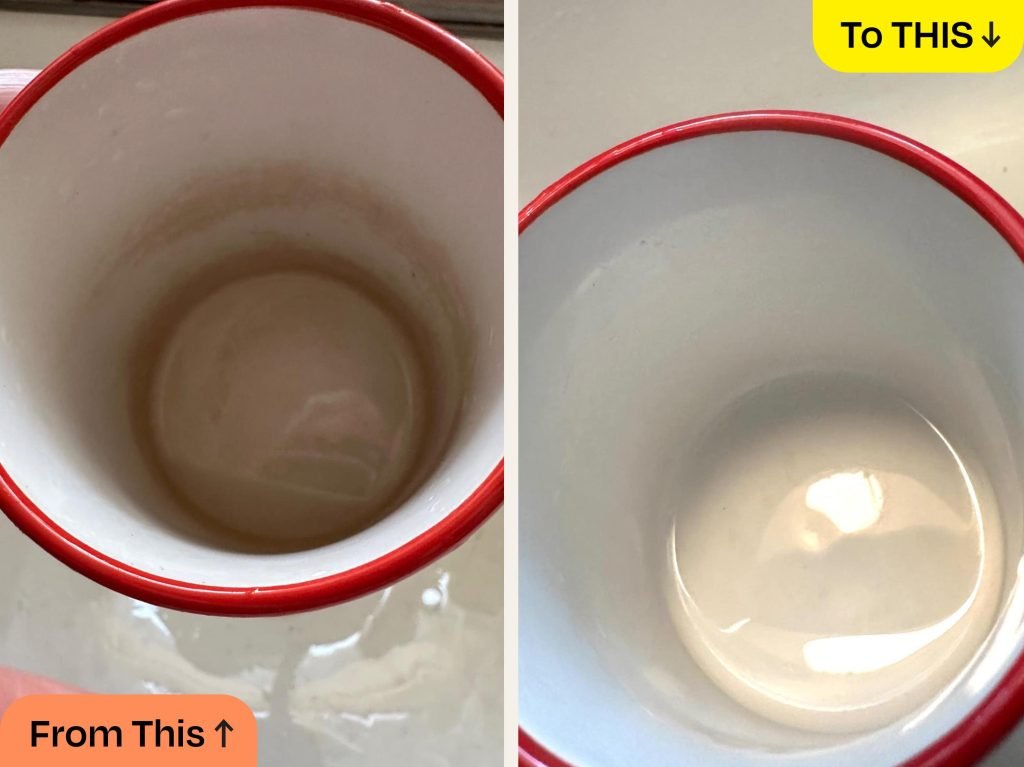
If you’re a regular coffee drinker, you’ve likely encountered the frustration of stubborn brown stains clinging to your favorite mug — not only do they ruin the aesthetic of your morning routine, but they can also leave a bitter, off taste in your brew that even the highest-quality beans can’t mask. Many people assume these stains are permanent, but with simple, accessible hacks, you can remove coffee stains from mugs and restore their spotless shine without harsh chemicals or expensive cleaners. Below, we break down exactly why these stains form, the most effective at-home removal methods, and small habits to keep your mugs looking brand new for years to come.
Why Coffee Stains Form
Understanding what causes coffee stains helps you tackle existing grime more effectively and prevent future buildup. Stains form when tannins in coffee bind to your mug’s surface, and several factors can make them set faster or cling more stubbornly.
The Role of Tannins
Coffee gets its rich, deep color and bold flavor from natural plant compounds called tannins, which bind easily to porous surfaces. When you drink coffee, these tannins cling to the inside of your mug, and over time, they accumulate into the dark, stubborn stains you see. Darker roasts and espresso have higher tannin concentrations, which is why they tend to leave more noticeable marks than light roasts.
Mug Surface Texture
The finish of your mug plays a major role in how likely it is to stain. Glazed porcelain and high-fire ceramic mugs have non-porous, smooth surfaces that resist tannin absorption, while unglazed terracotta, porous stoneware, and mugs with scratched or chipped glazes have tiny crevices where tannins can settle and set. A common mistake people make is using steel wool or harsh scouring pads to clean stains, which scratches the glaze and creates even more rough surface area for future stains to cling to.
Heat and Dwell Time
Hot coffee has far more staining power than cold brew or iced coffee, because heat opens up tiny pores in the mug’s surface, allowing tannins to penetrate deeper. The longer coffee sits in your mug, the more time these compounds have to bond to the surface. Leaving coffee to sit for hours, or overnight, is the fastest way to create set-in stains that require more intensive cleaning to remove.
Cleaning Habits That Worsen Stains
Infrequent cleaning or using only water to wash mugs leaves behind oily coffee residues that bond with tannins to make stains set faster. In practice, rinsing your mug immediately after use prevents coffee residue from drying and bonding to the surface, eliminating almost all fresh stain formation.
 Left: mug with dark tannin stains; right: same mug after baking soda cleaning
Safe, Effective Household Ingredients for Stain Removal
Most coffee stain solutions use ingredients you already have in your kitchen pantry, eliminating the need for harsh chemical cleaners that can leave unsafe residues on drinkware. Below is a comparison of the most effective options, followed by detailed guidance for each:
| Ingredient | Best For | Mug Compatibility | Key Benefit |
|---|---|---|---|
| Baking soda | Light to moderate stains, regular maintenance | All glazed ceramic, porcelain, stainless steel | Gentle abrasive, no harsh chemicals, deodorizes |
| White vinegar | Tough, set-in stains | Glazed ceramic, porcelain, glass | Breaks down tannin bonds, disinfects |
| Lemon juice | Surface stains, odor removal | Glazed ceramic, porcelain, stainless steel | Citric acid lifts stains, leaves fresh scent |
| Denture cleaning tablets | Hard-to-reach stains, travel mugs with narrow openings | All heat-resistant mug materials | Effervescent action scrubs crevices without scrubbing |
Baking Soda
Baking soda is a pH-neutral, mild abrasive that lifts stains without scratching glazed surfaces. It also neutralizes odors left behind by old coffee residue, making it ideal for regular maintenance. Avoid using it on unglazed terracotta or hand-painted mugs with delicate decorative glazes, as the abrasive texture can wear down soft finishes over time.
White Vinegar
The acetic acid in white vinegar breaks down the bonds that hold tannins to your mug’s surface, making it the most effective option for set-in stains. It also disinfects mugs, killing bacteria that can linger in surface pores. Avoid using vinegar on unglazed ceramic or natural stone mugs, as the acid can erode porous surfaces over time, and always rinse thoroughly after use to avoid a lingering vinegar aftertaste.
Lemon Juice
The citric acid in lemon juice dissolves surface stains and cuts through oily coffee residue, while leaving a fresh, clean scent. It’s ideal for light stains and for deodorizing mugs that have held coffee for multiple days. Avoid using lemon juice on aluminum mugs, as the acid can cause corrosion and leave metallic tasting residues.
Step-by-Step Stain Removal Methods
Choose a method based on how severe your mug’s stains are, and follow the steps below for best results.
Scrubbing with Baking Soda Paste
This method works for light to moderate fresh stains, and takes less than 5 minutes:
- Mix 2 tablespoons of baking soda with 1 teaspoon of warm water to form a thick paste.
- Apply the paste to stained areas using a soft-bristled cleaning brush to avoid scratching the glaze.
- Scrub in gentle circular motions for 30 seconds, focusing on the most discolored areas.
- Rinse the mug thoroughly with warm water to remove all paste residue.
Vinegar Soak
This passive method works for moderate to set-in stains, and requires minimal active work:
- Mix equal parts hot water and white distilled vinegar, then fill the mug with the solution.
- Let it sit for 15 to 20 minutes for fresh stains, or up to 1 hour for stains that have set for several days.
- For extra lifting power, add 1 tablespoon of baking soda to the soak — the fizzing reaction helps dislodge grime from surface pores.
- Scrub lightly with a soft sponge and rinse thoroughly to remove any vinegar aftertaste.
Lemon Juice Spot Treatment
For small, surface-level stains, lemon juice works faster than full soaks:
- Squeeze fresh lemon juice directly onto stained spots, or dab it on with a cotton ball for targeted treatment.
- Let it sit for 5 to 10 minutes to let the acid break down tannins.
- Scrub gently with a soft sponge, then rinse well with warm water.
Denture Tablet Soak for Narrow Mugs
Travel mugs and mugs with narrow, hard-to-reach interiors are nearly impossible to scrub effectively with a standard sponge. Effervescent denture cleaning tablets solve this problem:
- Fill the mug with warm water, then drop in 1 denture cleaning tablet.
- Let it fizz for 30 minutes — the bubbling action scrubs stains from every crevice without aggressive scrubbing.
- Dump out the solution, rinse thoroughly, and wash with mild dish soap as normal.

Alternative Tools for Tough Stains
For extra-stubborn stains or large volumes of mugs, these tools make the cleaning process faster and more efficient.
Magic Erasers
Melamine foam magic erasers use a micro-abrasive texture to lift stains without harsh chemicals, making them a great option for glazed ceramic mugs. Wet the eraser with warm water, then rub stained areas in gentle circular motions for 10 to 15 seconds. Test the eraser on a small, inconspicuous area first if your mug has decorative paint or a matte finish, as the abrasive texture can wear down soft coatings over time.
Dishwasher Cleaning
Your dishwasher can tackle light to moderate coffee stains with minimal effort, but proper loading is key to avoiding damage. Place mugs on the top rack to avoid exposure to the bottom heating element, which can crack some low-fire ceramic mugs over time. Use a high-quality detergent with enzymatic cleaners that break down organic residues like coffee tannins, and run the cycle on the hottest setting your mug manufacturer recommends for best results. For extra stain-lifting power, place a small bowl of white vinegar on the top rack during the wash cycle. When cleaning mugs that hold consumable beverages, always follow FDA food contact surface guidelines to avoid leaving behind harmful cleaning residue that can leach into your coffee.
Specialized Mug Brushes
For travel mugs with narrow openings or mugs with textured, hard-to-scrub interiors, a long-handled cleaning brush is the most efficient tool. Look for brushes with soft, flexible nylon bristles that can reach the bottom of the mug without scratching the surface. A dedicated kitchen cleaning brush set lets you assign separate brushes for mugs, glassware, and cookware to avoid cross-contamination of flavors and residues. For extremely set-in stains on rough-surfaced mugs, a professional-grade scrub brush with stiff nylon bristles can lift grime from surface pores without damage.
 Effervescent denture tablet soaks work well for narrow, hard-to-scrub travel mugs
How to Prevent Future Coffee Stains
Preventing stains is far easier than removing set-in grime. Small habit changes and smart mug choices will keep your drinkware looking new with minimal effort.
Build a Post-Use Rinsing Routine
The single most effective way to prevent coffee stains is to rinse your mug immediately after use, before coffee residue has time to dry and bond to the surface. If you can’t wash it right away, fill it with warm water and let it sit for a few minutes to loosen residue, then dump it out and leave the mug upside down to air dry. Pairing a quick post-use rinse with a soap-dispensing dish brush ensures soap reaches every crevice of your mug to remove oily coffee residue before it sets. According to University of Minnesota Extension, rinsing dishes immediately after use prevents organic residues like coffee tannins from bonding permanently to surfaces.
Choose Stain-Resistant Mug Materials
Glazed porcelain and high-fire ceramic mugs are the most stain-resistant options, as their non-porous glazes prevent tannins from penetrating the surface. Stainless steel mugs are also a good choice for durability, but they can retain coffee odors if not dried properly after washing. Avoid unglazed terracotta, porous stoneware, or matte-finish mugs, as their rough, absorbent surfaces make them far more prone to staining.
Avoid Common Stain Triggers
Two common habits that accelerate stain formation are leaving coffee in your mug for hours and adding sugar or cream directly to a hot mug before pouring coffee. Sugars bond with tannins to create stickier, harder-to-remove residue, while prolonged dwell time lets tannins penetrate the mug’s surface fully. Make a habit of pouring leftover coffee out as soon as you’re done drinking, and add sweeteners or dairy to your mug before pouring hot coffee to reduce residue buildup.
Frequently Asked Questions
How do I remove old, set-in coffee stains from ceramic mugs?
For set-in stains that have been present for weeks or months, start with a 1-hour soak in equal parts hot water and white vinegar, then scrub with a baking soda paste using a soft-bristled brush. For extremely stubborn stains, repeat the process twice, or let the baking soda paste sit on the stain for 30 minutes before scrubbing. Avoid harsh chemicals like bleach, which can damage ceramic glazes and leave toxic residues that are unsafe for food contact.
Can I use bleach to remove coffee stains from mugs?
We do not recommend using bleach to clean coffee mugs. Bleach can damage ceramic glazes, discolor decorative patterns, and leave behind toxic residues that can leach into your next cup of coffee. Stick to food-safe cleaning ingredients like baking soda, vinegar, and lemon juice for safe, effective stain removal.
How do I remove coffee stains from travel mugs with narrow openings?
For travel mugs with small, hard-to-reach interiors, an effervescent denture cleaning tablet is the most effective solution. Fill the mug with warm water, drop in 1 tablet, and let it fizz for 30 minutes. The bubbling action scrubs stains from every crevice without the need for aggressive scrubbing. Rinse thoroughly after use to remove any residual cleaning agents.
Will coffee stains damage my mug long-term?
While coffee stains themselves won’t structurally damage a mug, they can weaken glazes over time if left untreated. Tannins that penetrate porous or scratched glaze can cause discoloration that becomes permanent if not removed promptly. Regularly cleaning stains and avoiding abrasive scrubbing tools will keep your mug’s finish intact for years.
Can I use lemon juice on all types of mugs?
Lemon juice is safe for glazed ceramic, porcelain, and stainless steel mugs, but avoid using it on aluminum mugs, as the citric acid can cause corrosion and leave metallic tasting residues. Always rinse mugs thoroughly after using lemon juice to avoid lingering sour tastes.
Is toothpaste safe for cleaning coffee mugs?
White, non-gel toothpaste is safe for occasional use on glazed ceramic mugs, as its mild abrasives lift stains without damaging glaze. Avoid gel toothpastes, which have far less abrasive power and are less effective for stain removal. Always rinse the mug thoroughly after cleaning to remove any toothpaste residue that could leave a minty aftertaste in your coffee.
Conclusion
Stubborn coffee stains don’t have to mean retiring your favorite mug. With simple, food-safe ingredients and small adjustments to your cleaning routine, you can remove even set-in stains and restore your mug’s spotless shine in minutes. The key is acting quickly: rinsing your mug immediately after use prevents nearly all fresh stains from forming, while periodic deep cleans with baking soda or vinegar tackle any buildup that does occur.
If you’ve been putting off cleaning a stained mug, try the vinegar soak method today — it works on almost all mug types and takes less than 30 minutes of passive time. For more tested, eco-friendly kitchen cleaning hacks, browse our full library of kitchen care guides to keep every surface in your home spotless.

I’m Abby Lu, a passionate home cook who loves simplifying everyday meals. At PlugChef.com, I share product reviews and cooking guides to help you find the best tools for your kitchen.
Related posts:
 Oven Cleaner on a Grill: Ultimate Guide for Sparkling Results
 Pitcher of Mint Julep Recipe: Refreshing Southern Classic Made Easy
 Removing Corn Kernels from Cob: Easy Tips for Quick Success
 Chicken Recipes Using Parchment Paper: Easy, Juicy, and Healthy Ideas
 What Does It’S Corked Mean: Unveiling the Truth Behind Wine Faults
 Irish Vs English Breakfast Tea: Ultimate Flavor Showdown

