
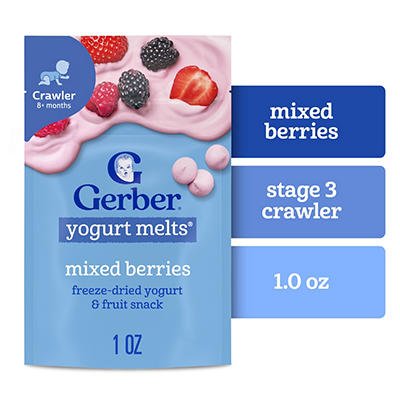
Are you looking for a tasty and healthy snack for your little one? Dehydrated yogurt drops for babies might be just what you need.
These small, flavorful bites are packed with nutrients that support your baby’s growth and development. Plus, they’re easy to carry and perfect for on-the-go moments. Keep reading to discover why dehydrated yogurt drops could become your baby’s new favorite treat and how they can make snack time both fun and nutritious.
Benefits Of Yogurt Drops
Yogurt drops offer many benefits for babies. These small snacks are easy to handle and provide important nutrients. They support healthy growth and development in a tasty way. Parents find them convenient for quick feeding moments.
Nutritional Value For Babies
Yogurt drops contain calcium, protein, and vitamins. These nutrients help build strong bones and muscles. They also supply energy needed for active babies. The drops often have natural ingredients without added sugar.
Supports Digestive Health
Probiotics in yogurt drops promote good bacteria in the gut. This helps improve digestion and reduce tummy troubles. Babies can develop better bowel movements and less gas. A healthy gut also supports overall well-being.
Boosts Immunity
Yogurt drops contain nutrients that strengthen the immune system. Vitamin D and probiotics play key roles in fighting infections. Regular intake may help babies resist common illnesses. A strong immune system supports healthy growth.
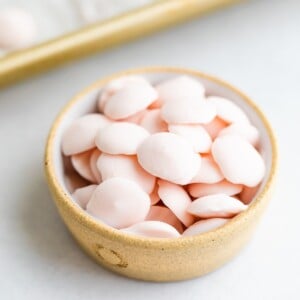
Credit: www.eatingbirdfood.com
Convenience For Parents
Dehydrated yogurt drops offer great convenience for busy parents. These small snacks are easy to manage and help simplify feeding times. They fit well into daily routines, making life less stressful.
Parents can carry these drops anywhere without worry. They provide a quick snack option without mess or fuss. This convenience saves time and effort during outings or at home.
Easy To Carry And Store
Dehydrated yogurt drops come in compact packaging. They fit easily into diaper bags or purses. No need for bulky containers or refrigeration. Parents can grab them quickly and go.
Storing these drops is simple. A small airtight container keeps them fresh. They do not take up much space in the pantry or fridge.
Mess-free Snacking
The drops are designed to dissolve quickly in the mouth. They do not leave sticky residue on hands or faces. This means less cleaning after snack time.
Parents avoid spills and crumbs with these snacks. They help keep clothes and surroundings clean. Perfect for use in cars, parks, or indoors.
Long Shelf Life
Dehydrated yogurt drops last longer than fresh yogurt. They stay safe and tasty for many months. This reduces frequent shopping trips for fresh snacks.
Parents can stock up without worrying about quick spoilage. A reliable snack option ready whenever needed. This adds flexibility to meal planning and snacking.
Choosing The Right Yogurt Drops
Choosing the right dehydrated yogurt drops for your baby can be a bit of a maze. With a wide variety of options on the market, it’s crucial to know what to look for. Making informed decisions ensures that your little one gets all the nutritional benefits without any unwanted extras.
Ingredients To Look For
Start by examining the ingredient list. Look for yogurt drops made from natural ingredients like whole milk yogurt and real fruit purees. These ensure your baby receives essential nutrients like calcium and probiotics.
It’s best if the product mentions live and active cultures. These cultures promote healthy digestion and boost your baby’s immune system. Also, check for vitamin D, as it aids in calcium absorption and bone development.
Avoiding Additives And Sugars
Many commercial products are loaded with additives and sugars. Always opt for yogurt drops that are free from artificial colors, flavors, and sweeteners. Babies don’t need the extra sugar, which can lead to health issues down the line.
Be wary of terms like “flavored” or “syrup,” as these can be indicators of added sugars. Instead, choose products with minimal ingredients for a healthier choice.
Organic Vs. Regular Options
Organic yogurt drops can be a great choice if you’re concerned about pesticides and GMOs. They are often made with higher-quality ingredients and adhere to stricter regulations.
However, regular options can also be nutritious if they meet the criteria mentioned above. It’s all about reading labels and prioritizing your baby’s health over brand names.
When was the last time you checked the labels on your baby’s snacks? By making a habit of it, you ensure a healthier start for your little one.
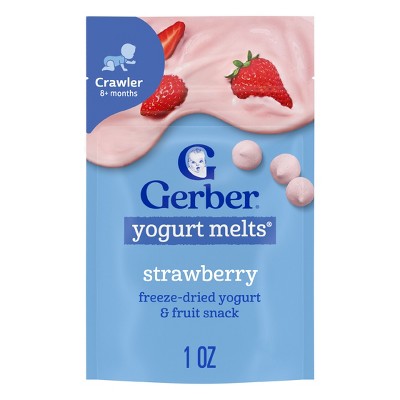
Credit: www.target.com
Introducing Yogurt Drops To Babies
Introducing yogurt drops to babies offers a simple way to add healthy probiotics and calcium to their diet. These small, tasty snacks dissolve easily and encourage self-feeding skills. They can be a gentle introduction to new textures and flavors for little ones exploring solid foods.
Best Age To Start
Babies usually start eating solid foods around six months. Yogurt drops can be introduced after this age, once the baby can sit up and chew soft foods. Always check with a pediatrician before starting new snacks.
Serving Suggestions
- Offer a few drops at a time to avoid choking.
- Serve yogurt drops as a snack between meals.
- Pair with soft fruits like banana slices for variety.
- Use drops to encourage finger-feeding skills.
Allergy Precautions
Watch for signs of dairy allergy or intolerance. Symptoms include rash, vomiting, or diarrhea. Introduce yogurt drops slowly and observe the baby’s reaction for a few days. Stop feeding and consult a doctor if any allergic symptoms appear.
Comparing Yogurt Drops With Other Snacks
Choosing the right snack for your baby can be tricky, especially when you want something healthy and easy to handle. Dehydrated yogurt drops have become a popular choice among parents, but how do they stack up against other common baby snacks? Let’s take a closer look at how yogurt drops compare in nutrition, taste, texture, cost, and availability.
Nutritional Comparison
Yogurt drops offer a good source of calcium and protein, essential for your baby’s growth. Unlike many sweet snacks, they often contain probiotics that support digestion. In contrast, fruit snacks and crackers may have added sugars or lack protein, making yogurt drops a more balanced option.
| Snack Type | Protein (per serving) | Calcium (per serving) | Added Sugars | Probiotics |
|---|---|---|---|---|
| Dehydrated Yogurt Drops | 3g | 150mg | Usually none or very low | Yes |
| Fruit Snacks | 0g | 0mg | High | No |
| Baby Crackers | 1g | 50mg | Low to moderate | No |
Texture And Taste Differences
Yogurt drops have a unique melt-in-the-mouth texture that many babies enjoy. This can make snack time less messy and easier for little ones to manage. On the other hand, crackers offer a crunchier experience but might crumble and create more mess, while fruit snacks tend to be sticky or chewy, which might be challenging for some babies.
Have you noticed your baby’s preference between smooth and crunchy snacks? Offering different textures can help develop their chewing skills and keep snack time interesting.
Cost And Availability
Yogurt drops can be slightly more expensive than standard baby crackers or fruit snacks. However, their nutritional benefits often justify the extra cost for many parents. Availability varies; some brands are easy to find in stores, while others might require online ordering, which could affect how quickly you can get them.
Think about how often you want to buy snacks and whether convenience matters more than cost. Could investing in yogurt drops save you time and worry about what’s best for your baby’s health?
Diy Dehydrated Yogurt Drops
Making your own dehydrated yogurt drops at home is easier than you might think. These little snacks are not only healthy but also customizable to your baby’s taste and dietary needs. Creating them yourself means you know exactly what goes into each drop, avoiding additives and preservatives that store-bought versions often contain.
Simple Recipes At Home
Start with plain full-fat yogurt for the best texture and nutrition. You can add a bit of fruit puree like mashed banana or berries for natural sweetness and extra vitamins. Spread a thin layer of the yogurt mixture onto a parchment-lined baking sheet or silicone mat.
Dry the yogurt at a low temperature (around 170°F or 75°C) in your oven or use a food dehydrator until it’s firm but not brittle. Once cooled, break it into small, bite-sized drops perfect for your baby to nibble on. Experiment with flavors, but keep them simple to avoid overwhelming your baby’s palate.
Necessary Tools And Ingredients
- Plain full-fat yogurt:The base ingredient for creamy drops.
- Fruit puree (optional):Adds flavor and natural sweetness.
- Baking sheet or silicone mat:For spreading the yogurt evenly.
- Food dehydrator or oven:To dry the yogurt at a low temperature.
- Spatula or spoon:To spread the yogurt mixture thinly.
Having these simple tools on hand makes the process smooth and manageable, even if this is your first time making dehydrated snacks.
Storage Tips
Keep your homemade yogurt drops in an airtight container to maintain freshness and prevent them from absorbing moisture. Store them in a cool, dry place, or in the refrigerator if your home tends to be warm. Properly stored, these drops can last up to two weeks.
Want to make a bigger batch? You can freeze the drops in a sealed container and thaw small amounts as needed. This way, you always have a quick, healthy snack ready when your baby gets hungry.
Expert Opinions And Research
Experts and research play a key role in understanding the benefits of dehydrated yogurt drops for babies. These small snacks attract attention due to their convenience and nutritional value. Professionals share insights based on science and experience to guide parents in choosing healthy options.
Pediatrician Recommendations
Pediatricians often recommend yogurt snacks as a good source of calcium and probiotics. They advise selecting products with low sugar and no artificial additives. Many highlight that dehydrated yogurt drops are easy to digest and support gut health. Doctors also suggest introducing these snacks after the baby starts eating solids, usually around six months.
Recent Studies On Yogurt Snacks
Studies show yogurt snacks can improve digestion and boost immunity in infants. Research highlights the presence of live cultures that help balance gut bacteria. Some findings suggest that yogurt drops can reduce the risk of allergies when given early. Scientists emphasize the importance of choosing products with natural ingredients and minimal processing.
Parent Testimonials
- “My baby loves the taste and finishes the drops quickly.”
- “These yogurt drops are a great snack during outings.”
- “I trust these snacks for their natural ingredients.”
- “They helped improve my baby’s digestion noticeably.”
- “Easy to carry and mess-free, perfect for busy days.”

Credit: www.haggen.com
Frequently Asked Questions
What Are Dehydrated Yogurt Drops For Babies?
Dehydrated yogurt drops are small, freeze-dried snacks made from yogurt. They are nutritious, easy to eat, and perfect for babies transitioning to solids.
Are Dehydrated Yogurt Drops Safe For Babies?
Yes, these drops are safe for most babies over 6 months old. Always check ingredients and consult your pediatrician before introducing new foods.
How Do Dehydrated Yogurt Drops Benefit Babies?
They provide calcium, probiotics, and protein essential for babies’ growth. They also promote healthy digestion and support strong bones.
Can Babies With Dairy Allergies Eat Yogurt Drops?
No, dehydrated yogurt drops contain dairy. Avoid them if your baby has a milk allergy or lactose intolerance.
Conclusion
Dehydrated yogurt drops offer a simple, tasty snack for babies. They provide nutrients and help develop chewing skills. Easy to carry and store, they suit busy parents well. Babies usually enjoy the mild, creamy flavor. Always watch for allergies and introduce new foods slowly.
These drops can support healthy eating habits early on. Small, soft bites make snack time safe and fun. A smart choice for growing toddlers’ needs.

I’m Abby Lu, a passionate home cook who loves simplifying everyday meals. At PlugChef.com, I share product reviews and cooking guides to help you find the best tools for your kitchen.
Related posts:
 What Type of Cooking Utensils are Safe: Expert Picks
 What Innovations Could Blenders Make: Unleashing Future Tech
 Smart Strategies to Organize a Small Kitchen: Maximize Space
 How to Organize a Kitchen Cabinet: Expert Tips & Tricks
 How to Organize Kitchen Drawers: Expert Tips and Tricks
 How to Organize a Corner Kitchen Cupboard: Expert Tips

