
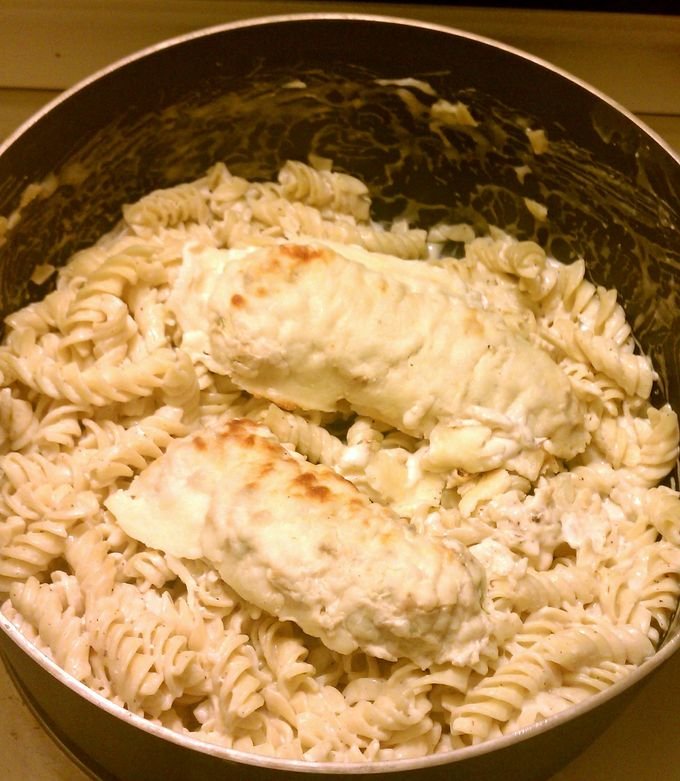
Craving a rich, comforting pasta dish that comes together in 30 minutes flat, no fancy skills required? This chicken alfredo with rotini pasta recipe delivers exactly that: a velvety, cheesy sauce that clings to every spiral of tender pasta, paired with juicy, seasoned chicken for a balanced, satisfying meal. Perfect for busy weeknights, last-minute dinner parties, or meal prep for the week ahead, this recipe is customizable, foolproof, and always a crowd-pleaser.
Why Rotini Is the Ideal Pasta for Chicken Alfredo
Rotini’s signature spiral shape is uniquely engineered to hold creamy sauces better than almost any other pasta variety. The twists and ridges create maximum surface area for Alfredo sauce to cling to, so every forkful delivers a balanced mix of pasta, sauce, chicken, and cheese, rather than a bite of plain noodles with sauce sliding off the side. Unlike flat fettuccine, which can get soggy under heavy sauce, or hollow penne, which traps sauce in pockets rather than coating the full noodle, rotini’s uniform twists distribute flavor evenly across every bite.
When shopping for rotini, opt for standard medium-sized spirals for the best texture and sauce adherence. Smaller rotini works for lighter, more delicate dishes, while extra-large rotini holds up better to chunky add-ins like roasted vegetables or grilled chicken. For gluten-free or whole-grain diets, gluten-free rotini (made from rice or corn flour) and whole-wheat rotini both work well, though whole-wheat adds a nuttier, earthier flavor that pairs beautifully with the rich, cheesy Alfredo sauce.
A ready-to-serve bowl of creamy chicken alfredo with rotini, ready in 30 minutes total
Ingredients for Creamy Chicken Alfredo with Rotini
This recipe uses simple, easy-to-find ingredients, with no specialized equipment required. All measurements are for 4 servings, and can be easily doubled for larger groups.
For the Silky Alfredo Sauce
- 2 tbsp unsalted butter (salted butter will make the sauce overly salty, as Parmesan adds significant sodium)
- 3 garlic cloves, minced (fresh garlic delivers far brighter flavor than pre-minced or powdered alternatives)
- 1 ½ cups full-fat heavy cream (low-fat cream or milk will curdle easily and produce a thin, un-velvety sauce)
- 1 cup freshly grated Parmigiano-Reggiano (pre-grated cheese contains cellulose anti-caking agents that prevent smooth melting and create a grainy texture)
- ½ tsp kosher salt (adjust to taste, depending on the saltiness of your Parmesan)
- ¼ tsp freshly ground black pepper
- ¼ tsp dried oregano (optional, for subtle herbal depth)
- Pinch of freshly grated nutmeg (optional, enhances the creamy, rich flavor of the sauce)
For the Chicken & Pasta
- 1 lb boneless, skinless chicken breasts (substitute chicken thighs for juicier, more flavorful meat, if preferred)
- 12 oz medium rotini pasta
- 1 tbsp olive oil
- ½ tsp garlic powder
- ½ tsp smoked paprika
- Pinch of kosher salt and black pepper, for seasoning the chicken
Optional Add-Ins
- 1 cup steamed broccoli florets
- ½ cup sautéed cremini mushrooms
- ¼ cup roasted cherry tomatoes
- Extra grated Parmesan and fresh parsley, for garnish
Step-by-Step Recipe Instructions
Follow these steps in order for perfect, consistent results every time, with no lumpy sauce or overcooked pasta.
Step 1: Cook the Rotini to Al Dente Perfection
Start by bringing 4 quarts of water to a rolling boil in a large pot (enough space prevents the pasta from sticking together). Stir in 1 tbsp of kosher salt – the water should taste as salty as seawater, as this seasons the pasta from the inside out. Add the rotini, stir immediately to prevent sticking, and cook for 8–10 minutes, or 1 minute less than the package instructions for al dente texture. Reserve ½ cup of starchy pasta water before draining, and never rinse the pasta – the starch on the noodles helps the Alfredo sauce cling to every spiral.
Step 2: Prep and Cook the Chicken
While the pasta cooks, cut the chicken into ½-inch bite-sized pieces for even cooking. Toss the pieces with olive oil, garlic powder, paprika, salt, and pepper to coat evenly. Heat 1 tbsp of olive oil in a large skillet over medium-high heat, add the chicken in a single layer, and cook for 5–7 minutes, stirring occasionally, until golden brown on all sides and cooked through. For food safety, confirm the chicken reaches an internal temperature of 165°F (74°C), per USDA food safety guidelines for poultry to ensure it’s safe to eat. Transfer the cooked chicken to a clean plate and set aside.
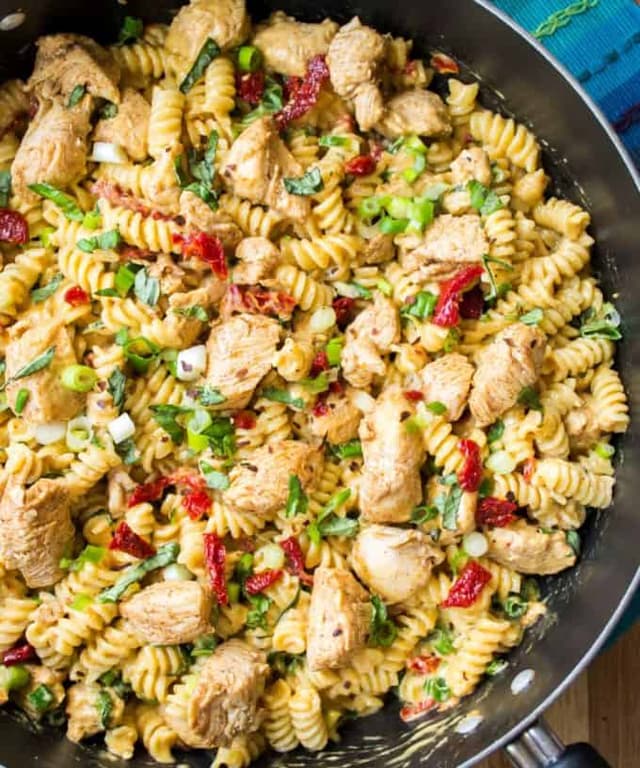 Golden, juicy seared chicken pieces, seasoned and cooked to 165°F for safety
Step 3: Make the Silky Alfredo Sauce
In the same skillet you used for the chicken (the leftover fond adds extra flavor), melt the butter over medium heat. Add the minced garlic and cook for 30 seconds, stirring constantly, until fragrant – take care not to let it brown, as burnt garlic will add a bitter taste to the sauce. Pour in the heavy cream and stir gently, bringing it to a gentle simmer (do not let it come to a rolling boil, as this can cause the cream to curdle).
Turn the heat to low, and add the freshly grated Parmesan a handful at a time, stirring constantly until fully melted and incorporated before adding the next handful. This prevents clumping and ensures a smooth, lump-free sauce. Season with kosher salt, black pepper, oregano, and nutmeg (if using). If the sauce thickens too much, stir in 1–2 tbsp of the reserved pasta water at a time until you reach your desired consistency.
Step 4: Combine Everything
Add the drained rotini to the Alfredo sauce in the skillet, tossing gently to coat every spiral evenly. Add the cooked chicken pieces, and toss again to warm the chicken through, about 1–2 minutes. Taste and adjust seasoning with extra salt or pepper if needed, then serve immediately.
Pro Tips for Perfect Results Every Time
These small, tested adjustments will take your chicken alfredo from good to restaurant-quality, with minimal extra effort:
- Use full-fat dairy exclusively: low-fat substitutes will produce a thin, watery sauce that lacks the signature velvety texture of classic Alfredo.
- Keep your prep area organized with a versatile brush collection for all your veggie scrubbing and cleanup needs, so you can move quickly through prep steps.
- If you’re short on time, use a pre-cooked rotisserie chicken (shredded or cubed) to skip the chicken cooking step entirely, cutting total prep time by 10 minutes.
- For extra richness, stir in 1 tbsp of full-fat cream cheese at the end of making the sauce for an even silkier finish.
- If you’re meal prepping, undercook the rotini by 1 minute so it doesn’t turn mushy when reheated.
- Wipe down stovetops and counters with a heavy-duty cleanup brush to tackle any leftover sauce splatters after cooking, for fast cleanup.
Serving & Pairing Ideas
This dish is rich and creamy on its own, but a few simple additions can elevate it to a full, balanced meal:
Garnishes
- Freshly chopped parsley, for a bright, fresh pop of color and flavor
- Extra grated Parmigiano-Reggiano, for an extra cheesy kick
- Red pepper flakes, for subtle heat for spice lovers
- Toasted pine nuts, for a crunchy texture contrast
- Lemon zest, to cut through the richness of the sauce
Side Dish Pairings
- Garlic bread, to soak up every last bit of extra sauce; clean your baking sheet after use with a long-handled dish brush to avoid built-up grease
- Steamed broccoli or asparagus, for a fresh, crisp contrast to the creamy pasta; scrub produce with a produce-safe cleaning brush before cooking to remove dirt and debris
- Simple Caesar salad, for a light, tangy balance to the rich main dish
- Sautéed cremini mushrooms, for an extra boost of umami
- If you have little ones in the home, secure cabinet and drawer latches to keep cleaning supplies and sharp utensils out of reach while you cook and serve.
- Store leftover sauce in airtight containers, and clean them thoroughly with a non-abrasive scrub brush before reuse to avoid lingering sauce odors.
 Finished dish garnished with fresh parsley and extra parmesan, perfect for weeknight dinner
Common Mistakes to Avoid
Even experienced home cooks can run into issues with Alfredo sauce, but these easy fixes will ensure perfect results every time:
- Rinsing the rotini after draining: Rinsing removes the starchy coating that helps sauce cling to the pasta, leading to a watery, unbalanced dish. Always drain the pasta well and toss it directly into the sauce while it’s still hot.
- Boiling the Alfredo sauce: High heat causes the heavy cream to curdle and the Parmesan to separate, creating a lumpy, grainy texture. Keep the sauce at a gentle simmer over low heat at all times.
- Using pre-grated Parmesan: The cellulose anti-caking agents added to pre-grated cheese prevent it from melting smoothly, leading to a gritty sauce. Always grate your own cheese from a block for the best results.
- Overcooking the chicken: Dry, rubbery chicken ruins the dish. Use a meat thermometer to confirm it hits 165°F, and avoid cooking it for longer than 7 minutes total to keep it juicy.
- Adding all the cheese at once: Dumping the full cup of Parmesan into the cream at once will cause clumping. Add it gradually, stirring constantly, for a smooth, lump-free sauce.
- Using low-fat dairy: Low-fat cream or milk lacks the fat content needed to create a velvety, rich sauce, and will often curdle when heated. Stick to full-fat heavy cream for the best results.
Frequently Asked Questions
Can I use frozen rotini for this recipe?
Yes, frozen rotini works perfectly for this dish. Add 1–2 minutes to the cooking time, and make sure to drain it extremely well to avoid watering down the creamy Alfredo sauce.
Can I make this recipe dairy-free?
Absolutely. Swap heavy cream for full-fat canned coconut milk, unsalted butter for vegan butter, and Parmigiano-Reggiano for nutritional yeast or a store-bought dairy-free Parmesan alternative. Note that the flavor will be slightly nuttier and less sharp than classic Alfredo, but still rich and creamy.
Is Chicken Alfredo with Rotini healthy to eat?
Classic chicken alfredo is a rich, indulgent dish, high in saturated fat and calories from the heavy cream and Parmesan. That said, it can fit into a balanced diet when eaten in moderation. For a lighter version, use low-fat chicken breasts, reduce the heavy cream by half and substitute the rest with low-fat milk, and add extra vegetables like steamed broccoli or spinach to boost fiber and nutrient content. For a more balanced meal that aligns with USDA MyPlate recommendations for daily nutrition, pair it with a side of fresh greens or roasted vegetables to increase your vegetable intake.
How long does leftover Chicken Alfredo with Rotini last?
Store leftovers in an airtight container in the refrigerator for up to 3 days. Reheat gently on the stovetop over low heat, stirring in a splash of milk or reserved pasta water to loosen the sauce if it has thickened in the fridge.
Can I freeze this dish?
Yes, but freeze the sauce and chicken separately from the rotini, as pasta turns mushy when frozen and reheated. Freeze the sauce and chicken in airtight containers for up to 2 months, thaw in the refrigerator overnight, then toss with freshly cooked rotini before serving.
Why is my Alfredo sauce lumpy?
Lumpy sauce is almost always caused by one of three mistakes: adding cheese too quickly, using high heat that curdles the cream, or using pre-grated Parmesan with anti-caking agents. To fix lumpy sauce, whisk in a splash of warm pasta water or heavy cream over low heat until smooth.
Conclusion
This chicken alfredo with rotini pasta recipe is the ultimate weeknight win: it comes together in 30 minutes, uses simple, easy-to-find ingredients, and delivers that rich, creamy comfort food flavor you crave without the hours of work. Customize it with your favorite add-ins, from steamed broccoli to sautéed mushrooms, to make it your own, and rest easy knowing it’s a hit with kids and adults alike. For more easy, tested weeknight recipes that come together fast, browse our full blog collection for your next go-to dinner.

I’m Abby Lu, a passionate home cook who loves simplifying everyday meals. At PlugChef.com, I share product reviews and cooking guides to help you find the best tools for your kitchen.
Related posts:
 How to Make a Fruit Basket for a Gift: Easy DIY Guide
 Mesh Desk Organizer With Sliding Drawer: Maximize Efficiency
 Decorative Woven Baskets for Wall: Transform Your Space
 Rubbermaid Large Dish Drying Rack: Ultimate Kitchen Solution
 Gray Kitchen With Stainless Steel Appliances: Modern Elegance
 Appliance Play Food Kitchen Toys: Ignite Imaginative Play

